Let us be honest for a moment. The best intentions often crumble under the weight of a busy week. You buy a beautiful pot of flowers, place it proudly on the patio, and swear you will water it every single day. Then Monday happens. Then a heatwave rolls in. Before you know it, you are staring at a wilted, crispy mess, feeling like a plant murderer.
Amazon US Verified
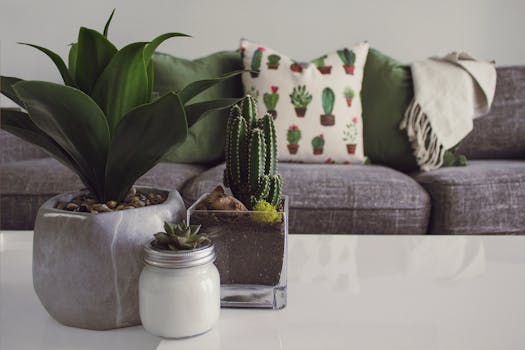
Self-Watering Planters with Drainage Aerators
Elevated reservoir design that prevents soggy roots and ensures steady hydration.

It does not have to be this way. The secret is not a stricter schedule. The secret is choosing the right partners. You need plants that do not just tolerate your busy life but actually prefer it. You need varieties that thrive when you step back. If you are searching for container plants neglect is not a flaw in your gardening style but a feature of the plant itself. These seven champions will forgive your forgetfulness and reward you with stunning beauty anyway.
1. Lantana: The Ultimate Champion of Container Plants Neglect
If your patio bakes in direct sunlight all afternoon, lantana is your ideal companion. This plant thrives in heat, humidity, and dry soil conditions that would send other annuals into an early grave. The clustered blooms shift through shades of yellow, orange, pink, and red, often changing color as they age.
Amazon US Verified
Organic Perlite Horticultural Soil Conditioner
Lightweight volcanic mineral that improves root aeration and prevents compaction.
What makes lantana a perfect candidate for container plants neglect is its incredible drought tolerance. Once it is established, it prefers to dry out completely between waterings. Overwatering is actually a bigger threat than underwatering. Give it full sun, poor soil, and walk away.
Even better? Butterflies and pollinators absolutely adore these flowers. You get a bustling, colorful ecosystem with almost zero effort. Deer also tend to leave it alone because the leaves have a strong, slightly spicy scent. It is a reliable choice for anyone prone to forgetting the watering can.
2. Tickseed (Coreopsis): Cheerful Blooms Without the Guilt
Tickseed is one of the easiest ways to inject long-lasting color into a container without adding extra chores to your weekend. Its daisy-like yellow flowers bloom profusely for weeks, often with very little encouragement beyond a sunny spot.
Here is a surprising fact: too much care can actually reduce flowering. Tickseed performs best when it is left alone. It copes well with heat and dry conditions, making it ideal for containers that are not always watered on a strict schedule. This native North American wildflower is genetically programmed to survive tough summers.
This plant is another magnet for bees and butterflies. If you want to ramp up the color factor, look for varieties like the Li’l Bang Candy Stripe Coreopsis, which offers a unique pattern of red and yellow petals. Just plant it, water it occasionally when you remember, and let it do its thing.
3. South African Phlox: Another Star Among Container Plants Neglect
South African phlox was practically engineered for hot container gardens. The vibrant flowers continue blooming through intense sunshine and dry spells, making it a much more resilient option than many traditional bedding plants. It forms a mounded, gently trailing shape that quickly fills out pots and hanging baskets.
This heat-tolerant native of South Africa delivers vivid blooms from planting time until frost. If you are looking for a potted plant that delivers maximum color with minimal effort, look for the Safari Lava Flow variety. Its bright red flowers hold up beautifully even when the temperatures soar into the 90s.
Throw in the fact that it shrugs off drought, and you have a no-brainer for any list of container plants neglect. It asks for full sun and well-drained soil, and it rewards you with a cascading waterfall of color that requires almost nothing from you in return.
4. Rosemary: The Herb That Prefers to Be Ignored
Rosemary is one of those rare plants that genuinely seems to do better the less you fuss over it. If you try too hard by overwatering, feeding it generously, or planting it in rich soil, it will often respond by looking vaguely offended and quietly giving up.
This Mediterranean native craves sunshine, sharp drainage, and neglect. Allow the soil to dry out completely between waterings. A terracotta pot is an excellent choice here, as it helps wick moisture away from the roots, preventing root rot. Overwatering is the number one killer of rosemary in containers.
Amazon US Verified
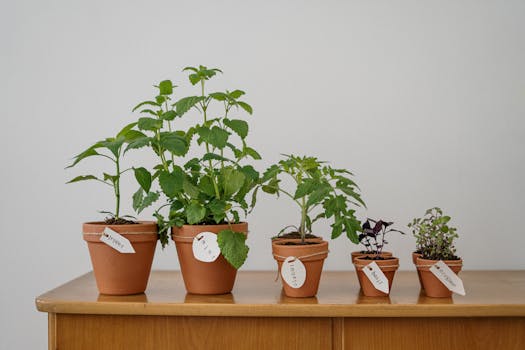
Digital 3-in-1 Soil Moisture & pH Meter
Accurate probe to test deep root zone moisture and prevent accidental overwatering.
And there is an added bonus: it perfumes the air almost as beautifully as it flavors your cooking. Brushing against the leaves releases a piney, aromatic scent that instantly transports you to a coastal hillside. It is a culinary workhorse that doubles as an ornamental shrub.
5. Purple Fountain Grass: Dramatic Height for Container Plants Neglect
When it comes to container plants neglect, purple fountain grass is one of the easiest ways to make a display look dramatic and expensive with minimal effort. The arching burgundy foliage and soft, fuzzy seed heads add movement and height to patios and porches.
This ornamental grass shrugs off heat and occasional drought once established. It is a warm-season annual in most climates, which means it hits its stride right when the summer heat turns up. It asks for full sun and well-drained soil, and it will reward you with a striking architectural presence.
Because it is a sterile hybrid, it will not self-seed aggressively in your garden. This means you get all the beauty of an ornamental grass without the worry of it taking over. It pairs beautifully with trailing plants like petunias or calibrachoa, creating a thriller, filler, spiller effect with very little work.
6. Portulaca (Moss Rose): The Succulent That Loves to Bloom
Portulaca, often called moss rose, is a succulent annual that produces a carpet of jewel-toned flowers. It is virtually indestructible in hot, dry conditions. The fleshy leaves store water, allowing the plant to bounce back from severe neglect that would kill a standard petunia.
You may also enjoy reading: Remove Mold Inside Walls: 7 Proven Methods.
This plant is perfect for hanging baskets or shallow bowls where it can spill over the edges. It thrives in poor, sandy soil and full, blazing sun. In fact, the flowers only open when the sun is out, closing up at night and on cloudy days. This is a trait known as CAM photosynthesis, an adaptation to arid environments.
For busy gardeners, portulaca is a dream. It requires almost no deadheading, and it will continue pumping out pink, orange, yellow, and white blooms all season long without any fertilizer or special care. It is the definition of low-maintenance.
7. Stonecrop Sedum: The Ultimate Low-Maintenance Perennial
Stonecrop sedum is a champion of tough conditions. This succulent perennial thrives in shallow soil, rocky terrain, and full sun. It is practically designed for container life where watering is inconsistent. The foliage comes in a range of colors, from bright chartreuse to deep burgundy, providing interest even when the plant is not in bloom.
In late summer and fall, it produces clusters of star-shaped flowers that attract pollinators. Varieties like ‘Autumn Joy’ offer stunning bronze-red blooms that persist well into the winter, providing visual interest even after the first frost.
Sedum is incredibly easy to propagate. A single broken stem stuck into soil will often root and grow into a new plant. This makes it a fantastic choice for sharing with friends or expanding your container garden without spending a dime. It asks for almost nothing and gives back tenfold.
Frequently Asked Questions About Low-Care Container Plants
What does it mean for a plant to thrive on neglect?
It means the plant performs best when given minimal intervention. Overwatering, over-fertilizing, or fussing with these plants often leads to decline. They are adapted to survive and even flourish in tough conditions like drought, heat, or poor soil.
How often should I water container plants that thrive on neglect?
It depends on the plant and the weather, but a good rule of thumb is to check the soil. Stick your finger about an inch into the pot. If it feels dry, it is time to water. For plants like lantana, rosemary, and sedum, allow the soil to dry out completely between waterings.
Can these plants survive in shade?
Most of the plants on this list prefer full sun, meaning at least 6 hours of direct sunlight per day. While they are drought-tolerant, they are not typically shade-tolerant. For shady containers that need neglect, consider ferns or cast iron plants.
Do I need to fertilize these plants?
Generally, no. Many of these plants, especially herbs and succulents, prefer lean soil. Over-fertilizing can lead to leggy growth and fewer flowers. A light application of slow-release fertilizer at planting time is usually sufficient, but it is often not necessary at all.
Will these plants come back every year?
It depends on your climate. Rosemary is a perennial in zones 8-10. Sedum is a hardy perennial in zones 3-9. Lantana is perennial in zones 9-11. Tickseed is perennial in zones 4-9. South African phlox, purple fountain grass, and portulaca are typically grown as annuals in cooler climates.
Building a container garden should not feel like another chore on your list. By choosing plants that align with your natural habits, you set yourself up for success. These seven varieties offer beauty, resilience, and the kind of easygoing attitude that makes gardening a pleasure rather than a burden. Let them remind you that sometimes, the best thing you can do for your garden is simply step back and let it grow.
As an Amazon Associate, azuloz.com earns from qualifying purchases.