From seed to salad in 50 days—here is how your cucumber plant does it. That timeline might sound fast, but a lot happens beneath the soil and above it. Understanding each stage of development helps you catch problems early, water correctly, and pick fruit at its peak. Whether you are a first-time gardener or you have grown cucumbers for years, knowing the seven key phases of growth turns a good harvest into a great one.
Amazon US Verified
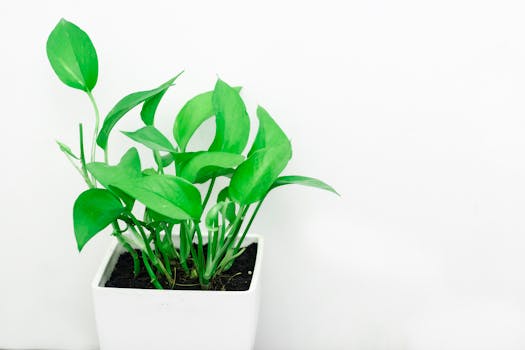
Organic Perlite Horticultural Soil Conditioner
Lightweight volcanic mineral that improves root aeration and prevents compaction.
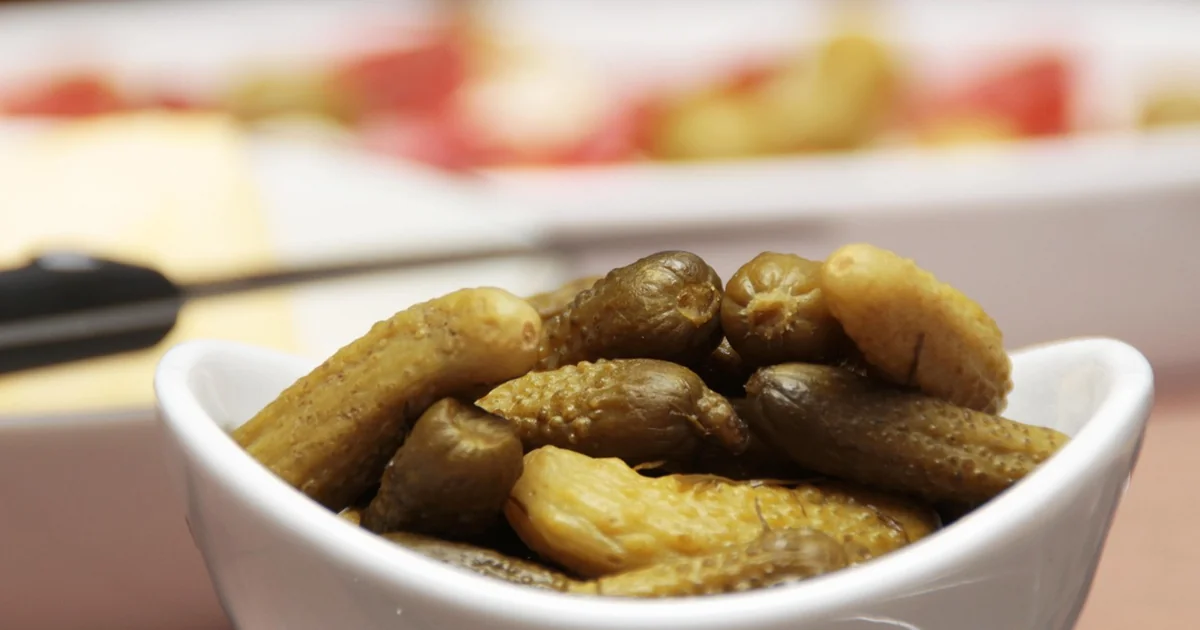
This guide walks through every cucumber growth stages from seed to harvest. You will learn what to expect, what to watch for, and how to help your plants thrive at each step.
When Do Tiny Seeds Actually Become Cucumber Plants?
The first stage of the cucumber growth stages begins underground. A cucumber seed looks unremarkable—small, flat, and tan. But inside that shell is everything the plant needs to begin life.
Germination takes three to ten days. During that window, the seed absorbs water and oxygen through its outer coat. The embryo inside swells, cracks the shell, and sends a tiny root downward. A stem pushes upward toward the light.
What the seed needs to sprout
Success at this stage depends on a few specific conditions. Bury the seed about half an inch deep. The soil should be loose, nutrient-rich, and well-drained. Cucumbers love warmth, so full sun is non-negotiable whether you start seeds indoors or direct-sow them outside.
Keep the soil consistently moist but not soggy during these first days. A dry spell during germination can kill the seed before it ever breaks the surface. A soaking-wet bed can rot it just as fast.
Mini Payoff: In three to ten days, seeds absorb water and oxygen, then sprout into seedlings with seed leaves called cotyledons.
Seedlings Emerge and Grow Their First True Leaves
Once the seedling breaks through the soil, things move quickly. Within a day or two, you will see two small, rounded leaves. These are the seed leaves, or cotyledons. They are not true leaves. Their job is to feed the young plant with stored energy from the seed.
Between ten and fourteen days later, the first set of true leaves appears. True leaves look different from cotyledons. They have the classic cucumber shape—roughly heart-shaped with visible veins. These leaves are the plant’s real solar panels, capturing sunlight for photosynthesis.
When to thin or transplant
Once your seedlings have at least two sets of true leaves and stand about four inches tall, they are ready to be replanted further apart if needed. Crowded seedlings compete for light, water, and nutrients. Giving each plant enough space prevents stunted growth and reduces the risk of disease.
Mini Payoff: Seed leaves form within a day or two after sprouting; true leaves appear ten to fourteen days later. Thin or transplant when seedlings reach four inches with two sets of true leaves.
Leaves and Vines Spread Out and Climb
Within a few weeks, the plant shifts into rapid vegetative growth. Leaves get larger. Their edges become serrated. Vines begin to stretch outward across the soil or upward if a trellis or stake is nearby.
This is the stage where the plant builds the infrastructure it needs to support fruit later. Bigger leaves mean more photosynthesis. More vines mean more nodes where flowers and fruit will eventually form.
Watering matters more than ever
At this point, watering technique becomes critical. Water near the roots rather than overhead. Wet leaves invite fungal diseases like alternaria leaf blight and anthracnose. Keeping foliage dry reduces the chance of infection significantly.
Angular leaf spot, a bacterial disease, also spreads through water splash. Drip irrigation or a soaker hose is ideal. If you must use a overhead sprinkler, water early in the morning so the leaves dry before nightfall.
Mini Payoff: Vines spread and leaves enlarge within weeks. Water at the roots to prevent fungal and bacterial diseases.
How Can You Tell Male Flowers From Female Ones?
Bright yellow flowers appear over a span of about two weeks. This is where pollination becomes the central drama of the garden.
Male flowers bloom first. They grow on slender stems and have a simple, open shape. Their only job is to attract pollinators—bees, butterflies, and other insects. Once pollinators arrive, they carry pollen from the male flowers to the female flowers that appear a few days later.
Spotting the difference
Female flowers look similar to male ones at first glance, but they have a key difference. At the base of a female flower, you will see a tiny swelling that looks like a miniature cucumber. That swelling is the ovary. If pollination succeeds, that tiny bump will grow into a full-sized cucumber.
Male flowers lack this swelling. They also tend to appear in greater numbers early on. If you see a flower with a small fruit-shaped lump behind the petals, that is a female bloom.
Some cucumber varieties are self-pollinating, known as parthenocarpic varieties. These plants set fruit without pollination. Check your seed packet to see what type you have. If you are growing parthenocarpic cucumbers, you do not need to worry about pollinators.
Mini Payoff: Male flowers—the first to appear—lure bees and butterflies; female flowers bloom later, and they are the ones that set fruit.
Why Might Your Cucumbers Never Show Up?
You have healthy vines. You have flowers. But the tiny cucumbers never appear, or they appear and then drop off. This is one of the most frustrating moments in a cucumber grower’s season.
Several factors can stop fruit formation. Extreme heat—temperatures above 90 degrees Fahrenheit—can cause flowers to drop without setting fruit. Heavy rain can wash pollen away or keep pollinators indoors. A lack of pollinators in your area can leave female flowers unpollinated.
You may also enjoy reading: Right Plant Right Place Is Key to a Thriving Garden.
How to hand-pollinate
If you suspect pollination is the issue, you can take matters into your own hands. Use a small, clean paintbrush or a cotton swab. Gently brush the center of a male flower to collect pollen. Then transfer that pollen to the center of a female flower. Repeat this process for several female blooms.
Do this in the morning when flowers are fully open and pollen is most viable. Within a few days, the tiny ovary at the base of each pollinated female flower should begin to swell.
Mini Payoff: Extreme heat, rain, or lack of pollinators can stop fruit formation—hand pollinate by brushing pollen from male to female flowers with a paintbrush.
What Does Overwatering Really Do to Your Crop?
Watering seems simple. Give the plant water. It grows. But cucumber plants are sensitive to both too much and too little moisture. Getting this balance wrong affects the entire harvest.
Amazon US Verified
Digital 3-in-1 Soil Moisture & pH Meter
Accurate probe to test deep root zone moisture and prevent accidental overwatering.
Overwatering causes several visible problems. Cucumbers become mushy instead of crisp. Leaves turn yellow. The soil develops a sour or unpleasant smell, which indicates root rot. Roots need oxygen as well as water. When soil stays wet constantly, the roots suffocate and begin to decay.
Underwatering creates a different set of issues. The fruit turns bitter—a compound called cucurbitacin builds up when the plant is stressed by drought. Leaves wilt during the heat of the day. The plant stops producing new flowers and fruit because it is conserving resources.
Finding the sweet spot
During hot weather, water once a day. In milder conditions, every other day is usually enough. The soil should feel moist an inch below the surface, not wet. Stick your finger into the soil near the plant. If it feels dry at knuckle depth, it is time to water.
Mini Payoff: Overwatering causes mushy cucumbers, yellow leaves, and smelly soil; underwatering leads to bitter fruit and wilting plants.
When Is the Perfect Moment to Pick a Cucumber?
After pollination, tiny cucumbers appear at the base of female flowers. They start small—under two inches—with lighter color and lightly textured skin. Once pollinated, they grow fast. Within eight to ten days after the tiny fruits emerge from the blossom, they are ready to harvest.
Timing matters. Pick too early and the cucumber is small and underdeveloped. Pick too late and it becomes watery, bland, and full of large seeds. The ideal cucumber is firm, deep green (unless your variety is naturally another color), and has a consistent shape.
How to tell when it is ready
Check the color and density. A ripe cucumber feels heavy for its size and firm when squeezed gently. If it feels soft or looks puffy, it is past its prime. Check the seed packet for the expected mature size of your specific variety. Some pickling cucumbers are ready at three inches, while slicing varieties may need to reach eight inches.
Harvest regularly. Picking ripe cucumbers encourages the plant to produce more flowers and fruit. Leaving overripe cucumbers on the vine signals the plant to stop producing. A plant that is picked daily can keep yielding cucumbers throughout the growing season.
Mini Payoff: Harvest when cucumbers are deep green (unless another color is normal for the variety) and firm to the touch—pick regularly to encourage more blooms.
Frequently Asked Questions
How long does it take for a cucumber plant to go from seed to harvest?
The entire cycle from planting a seed to picking a ripe cucumber takes 50 to 70 days. The exact timeline depends on the variety, weather conditions, and how well you care for the plant. Slicing cucumbers often fall on the longer end, while pickling varieties can be ready sooner.
What is the difference between a male cucumber flower and a female cucumber flower?
Male flowers have a slender stem and no swelling at the base. They appear first and their role is to produce pollen and attract pollinators. Female flowers have a small, cucumber-shaped swelling at the base of the petals. That swelling is the ovary that will develop into a fruit once pollinated.
Can I grow cucumbers in a container instead of a garden bed?
Yes, cucumbers grow well in containers as long as the pot is large enough—at least five gallons per plant. Use well-drained, nutrient-rich potting soil and place the container in full sun. Provide a trellis or stake for the vines to climb. Container-grown cucumbers need more frequent watering than garden-bed plants because pots dry out faster.
Amazon US Verified
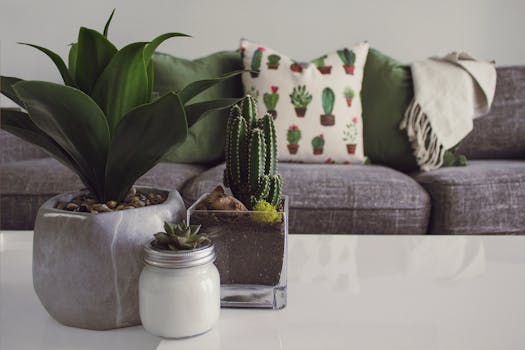
Self-Watering Planters with Drainage Aerators
Elevated reservoir design that prevents soggy roots and ensures steady hydration.
As an Amazon Associate, azuloz.com earns from qualifying purchases.