Discovering the Enduring Charm of Daisies
Daisies, with their cheerful faces and sunny disposition, hold a special place in our hearts and gardens. More than just pretty blooms, these resilient flowers boast a rich history, fascinating properties, and surprising symbolism. While the familiar image of a white petal encircling a golden center is instantly recognizable, the world of daisies extends far beyond this classic form.
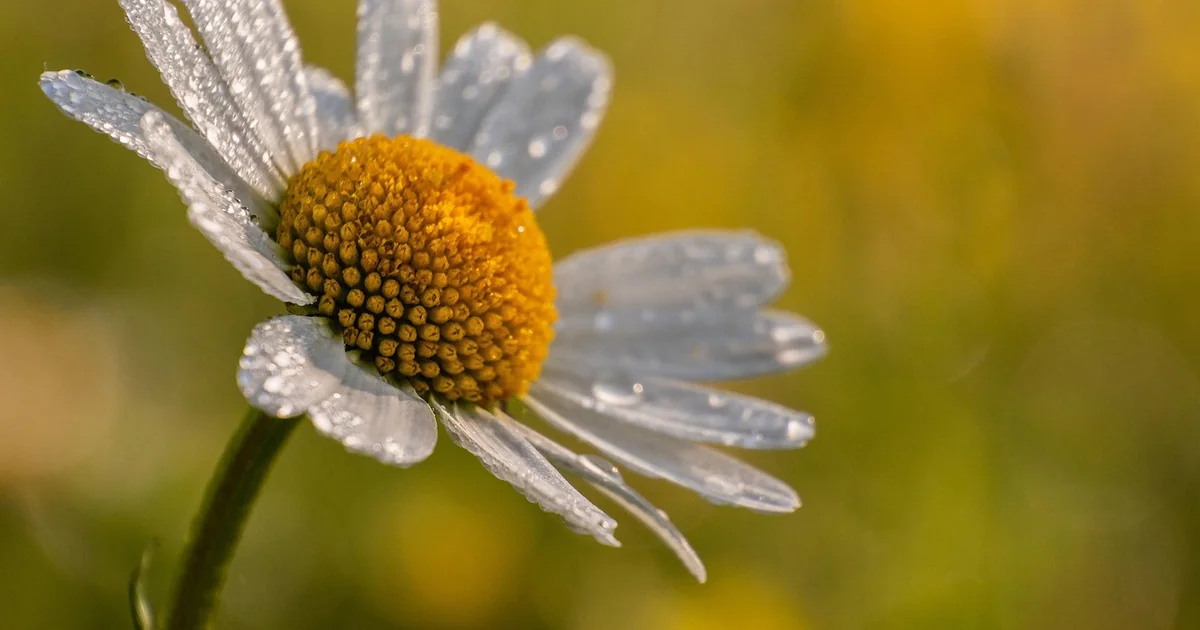
1. Daisies Grow (Almost) Everywhere
Imagine a reader planning a garden and seeking low-maintenance flowers. Daisies fit the bill perfectly. Originating in Europe and temperate regions of Asia, these charming flowers have since blossomed across Australia and North America. In fact, daisy facts reveal that they can be discovered on virtually every continent, with the exception of Antarctica. This widespread presence speaks volumes about their adaptability and hardiness. Whether you envision a vibrant mountain meadow or a sunny, flat field, daisies readily establish themselves. Their ability to thrive in both wet and dry climates, and even in partially shaded areas, makes them an excellent choice for gardeners of all levels. Interestingly, daisies share botanical kinship with sunflowers, often inhabiting similar environments – open, sunny spaces where they can bask in the light. This inherent resilience is a key reason for their global popularity.
2. Their Name Is Meaningful
Consider someone interested in the historical uses of plants and their names. The very name “daisy” carries a delightful story. It originates from the Old English phrase “daes eage,” which literally translates to “day’s eye.” This evocative moniker perfectly captures the flower’s unique behavior. Daisy facts indicate that many varieties of daisies close their petals at night and then eagerly reopen with the first rays of sunlight. This daily ritual makes them among the earliest flowers to greet the new day, a charming characteristic that has resonated through centuries. This simple observation about their daily cycle is the origin of their endearing name, linking the flower to the rising sun and the start of a new day.
3. They’re More Than Just a Pretty Face
Perhaps a person hosting a casual outdoor gathering wants a simple and cheerful floral centerpiece. Daisies offer an accessible and delightful solution. Beyond their aesthetic appeal, daisy facts reveal a surprising versatility. Surprisingly, daisies are edible! While not a staple in most diets, their petals can be a unique and visually appealing garnish for salads or even cakes. They are also a modest source of vitamin C, contributing a touch of freshness to culinary creations. Historically, daisies have been incorporated into traditional medicine, used to slow bleeding, ease indigestion, and even soothe coughs. However, it’s crucial to exercise caution. Not all daisies are suitable for consumption. Individuals with allergies to ragweed or chrysanthemums might experience adverse reactions. It’s also essential to source organically grown daisies and wash them thoroughly before use to avoid any potential pesticide residues. The flower shares a botanical family with artichokes, further adding to its intriguing profile.
4. Bees and Other Pollinators Love Daisies
For someone passionate about supporting pollinators in their garden, understanding daisy facts is key. Bees, in particular, have a strong affinity for daisies, especially Shasta daisies, which are highly prized for their ability to attract pollinators. The flower’s structure is perfectly adapted for this purpose. The flat, open face provides ample landing space for bees, while the central disc is composed of hundreds of tiny florets, each laden with pollen and nectar. This arrangement allows bees to efficiently collect food during a single visit, maximizing their foraging efforts. This symbiotic relationship highlights the ecological importance of daisies and their role in supporting healthy ecosystems. The sheer number of tiny flowers in the center creates a veritable buffet for buzzing pollinators, contributing significantly to biodiversity.
5. Daisies Symbolize Innocence, Purity, Loyalty, Patience, and Simplicity
A bouquet of daisies often conveys a specific message. Daisy facts delve into the rich symbolism associated with these flowers across different cultures. The classic white daisy is widely recognized as a symbol of humility, while the rarer blue Marguerite daisy represents openness and peace. These connotations make daisies a thoughtful gift for various occasions, often conveying sentiments of innocence, purity, loyalty, patience, and simplicity. The flower’s straightforward beauty and unassuming nature contribute to this symbolism. Interestingly, the daisy is also the birth flower for April, adding another layer of cultural significance. When considering adding daisies to your garden, it’s worth noting that most cultivated varieties, including the popular Shasta daisy, are relatively easy to grow and tend. They thrive in full sun with well-drained soil and require minimal care once established – occasional watering and deadheading are usually sufficient to encourage continuous blooming throughout the season. If you’re looking for a cheerful and low-maintenance addition to your landscape, daisies are an excellent choice.
Are daisies invasive?
Most cultivated daisies, such as the Shasta daisy, are generally well-behaved and do not pose a significant invasiveness risk in most garden settings. However, it’s important to be aware of certain varieties, particularly the ox-eye daisy (Leucanthemum vulgare). Daisy facts highlight that the ox-eye daisy can be quite prolific and, in some regions, can become invasive. This means it has a tendency to spread aggressively, often outcompeting native wildflowers and other desirable garden plants. It spreads through both seeds and underground rhizomes, allowing it to quickly establish new colonies. While not always a problem, gardeners in areas where ox-eye daisies have been known to spread should be mindful of its potential to displace other vegetation.
You may also enjoy reading: 7 Ways to Scent Stack Your Garden for All-Day Fragrance.
Are daisies toxic to dogs?
Addressing a common concern, daisy facts indicate that daisies are not generally considered toxic to dogs. However, it is always prudent to discourage your canine companions from consuming large quantities of any plant. While a few petals are unlikely to cause harm, ingesting significant amounts can potentially lead to gastrointestinal distress, such as vomiting or diarrhea. Therefore, it’s wise to supervise dogs in areas where daisies are growing and prevent them from munching on the flowers. The risk is minimal, but prevention is always the best approach when it comes to pet safety. If you suspect your dog has ingested a large amount of daisies and is exhibiting signs of illness, it’s always best to consult with a veterinarian.
Why are daisies often associated with spring and summer?
The strong association of daisies with spring and summer is evident in many cultures and reflects their blooming period. Daisy facts reveal that most cultivated daisy varieties typically flower from early spring through fall, with peak bloom occurring during the warmer months. Their vibrant, cheerful appearance aligns perfectly with the renewal and vibrancy of springtime and the abundance of summer. The sunny yellow centers and crisp white petals evoke feelings of warmth and light, making them a natural fit for these seasons. Their resilience and ability to thrive in various conditions further contribute to their popularity as a spring and summer bloom.
What are the best ways to prevent pests from affecting a daisy garden?
Maintaining a healthy daisy garden involves addressing potential pest issues. Daisy facts suggest that while generally resistant to many common pests, daisies can occasionally be affected by aphids, spider mites, or slugs. To prevent pest problems, ensure good air circulation around your plants by providing adequate spacing. Regularly inspect your daisies for signs of infestation, such as sticky residue or small insects. For mild infestations, a strong spray of water can often dislodge pests. For more persistent problems, consider using insecticidal soap or neem oil, following the product instructions carefully. Additionally, encouraging beneficial insects like ladybugs can help control pest populations naturally. Maintaining healthy soil and providing adequate water also contribute to the overall resilience of your daisies, making them less susceptible to pests.
These resilient flowers are found on every continent except Antarctica. Their adaptability allows them to thrive in both wet and dry climates, whether in sunny or shady areas, and they can grow in mountains or flat fields. This name reflects the flower’s routine of closing its petals at night and reopening with the morning sun, making daisies among the first to greet the new day. Surprisingly, daisies are edible! Consider sprinkling daisy petals on your salad or cake as a unique garnish. They are a good source of vitamin C and share a family with artichokes. The flowers’ flat shape offers ample landing space on the yellow center, where bees can easily gather pollen and nectar. Additionally, the daisy’s center is made up of hundreds of tiny flowers forming an inflorescence, enabling bees to efficiently collect food during one visit. Daisies symbolize innocence, purity, loyalty, patience, and simplicity. A bouquet of daisies can be a perfect gesture for various occasions, depending on the variety. Want daisies in your backyard? Most varieties, like the Shasta daisy, behave well in most climates. However, the ox-eye daisy (Leucanthemum vulgare) can be invasive, often displacing native wildflowers and garden plants. Daisies are not considered toxic to pets, but it’s wise to prevent your dogs from consuming them.