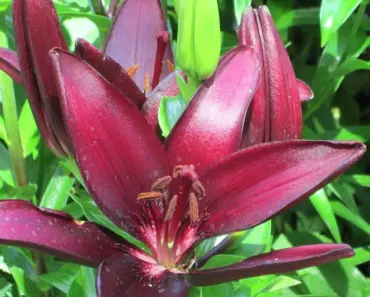
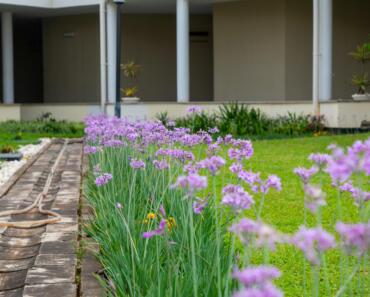
Picture stepping into your garden on a July morning, coffee in hand, only to find your freshly planted blooms reduced to ragged stems. If you live anywhere near a deer trail, you know the heartbreak. But here is where it gets interesting: you can fill every corner of your yard with vivid, long-blooming flowers that deer will walk right past. The strategy is simpler than you might think. By choosing the right deer resistant annuals, you get non-stop color from spring straight through to the first frost, while the local herd quietly moves along to browse somewhere else.
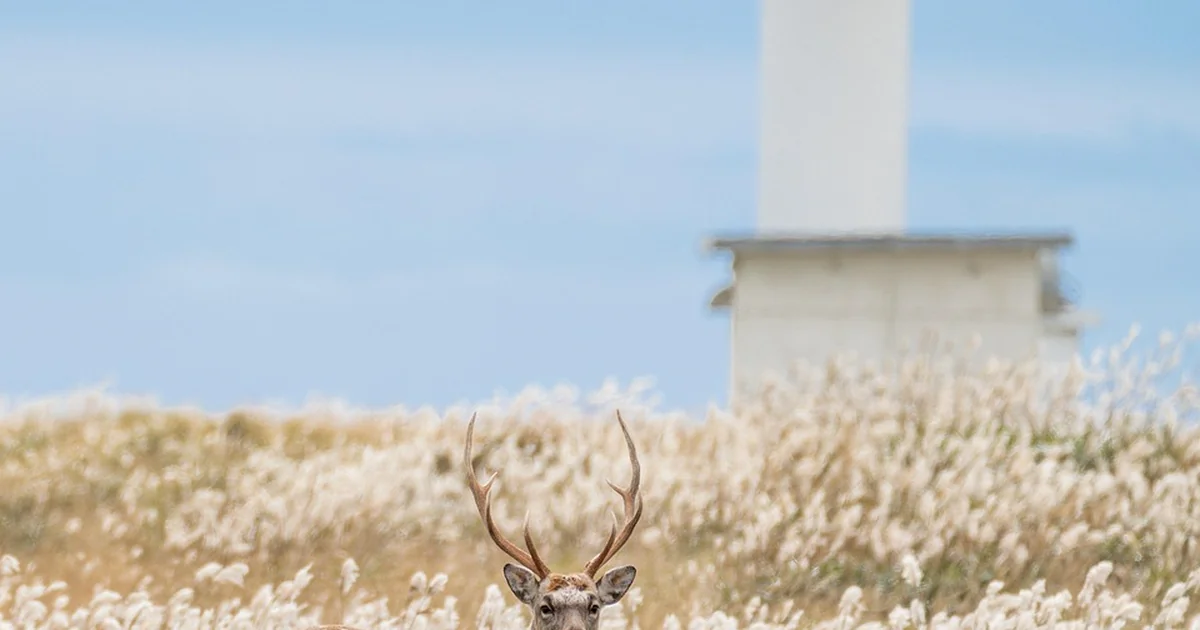
Which annuals are deer-resistant and easy to grow?
Before we walk through specific plants, it helps to understand what puts deer off in the first place. Deer are opportunistic feeders. They sample widely and learn quickly, but they consistently avoid certain textures and chemical signatures. Annuals with hairy or fuzzy leaves, those with strongly aromatic foliage, and plants containing compounds that taste bitter or toxic reliably stay off the menu.
That said, no plant is 100 percent deer-proof. A starving deer in late winter will nibble things it would never touch in June. But during the growing season, when food is plentiful, deer rely on their acute sense of smell and taste to steer clear of plants they find unpleasant. The annuals covered here all share at least one of these deterrent traits. Selecting a mix of them means you can design beds, borders, and containers that hold up beautifully even in areas with heavy browsing pressure.
What makes these particular deer resistant annuals so practical is that they also happen to be genuinely easy to cultivate. They do not demand elaborate soil preparation or constant fussing. Give them reasonable sun, decent drainage, and occasional water, and they will reward you with months of color. In particular, starting with a small collection of proven performers sets you up for a season of gardening with far less frustration.
How do calendula, spider flower, and ageratum compare?
These three annuals could hardly look more different from one another, yet they share a common advantage: deer rarely bother them. Each brings a distinct personality to the garden, and understanding their differences helps you place them exactly where they will shine. Here is a closer look at how calendula, spider flower, and ageratum compare when grown side by side or woven together in a mixed planting.
1. Calendula (Calendula officinalis)
Sometimes called pot marigold, calendula produces cheerful flowers in shades of cream, yellow, and orange. While the blooms are edible and make a colorful addition to summer salads, deer do not share our enthusiasm. They dislike the smell of the foliage, so they rarely bother the plant at all.
Shorter calendula varieties work beautifully along walkways, at the front of a bed, or tucked into a mixed container where their warm tones can soften hard edges. Taller varieties, meanwhile, make attractive cut flowers that hold up well in a vase. Calendula grows happily in full sun to part shade with moist, well-drained soil. Expect plants to reach anywhere from 1 to 3 feet tall and spread 1 to 2 feet wide, depending on the cultivar you choose.
2. Spider Flower (Cleome hassleriana)
Spider flower delivers a tropical punch with large flower clusters in pink, purple, or white that attract lots of pollinators. Deer hate spider flowers, which makes them a smart choice for the back of a sunny bed where their height creates a dramatic backdrop. Flowers continually form at the tops of stems, and old flowers are followed by narrow seed pods that give the plant an interesting spidery look.
Spider flower often re-seeds itself when conditions are favorable, so a single planting can return year after year with almost no effort on your part. Give it full sun to part shade and well-drained soil. Depending on the variety, plants can stretch from 1 to 5 feet tall and spread 1 to 3 feet wide. If you need a statement plant that pollinators adore and deer ignore, this one belongs on your list.
3. Ageratum (Ageratum houstonianum)
The fuzzy blooms of ageratum, sometimes called floss flower, add a soft texture to any planting. These non-stop blooming annuals come in shades of purple, pink, and white, and they work hard from spring until frost. They are easy to grow, but a steady supply of moisture is important. Ageratum will wilt dramatically if allowed to dry out completely.
Compact selections are perfect for edging a border, creating neat, colorful ribbons along pathways. Taller selections make lovely cut flowers that bring that same soft, powder-puff texture indoors. Provide full sun to part shade and evenly moist, well-drained soil. Plants range from just 6 inches to 36 inches tall and spread 6 to 18 inches wide. Calendula, spider flower, and ageratum are all deer-resistant, easy-care annuals that bloom from spring to fall. Calendula offers edible flowers and a disliked scent; spider flower attracts pollinators and self-seeds; ageratum needs steady moisture but adds soft texture.
What about annual salvias and flowering tobacco?
Moving from soft and subtle to bold and structural, annual salvias and flowering tobacco introduce vertical drama and fragrance to the garden. Both are entirely unappealing to deer, though for different reasons. Salvias rely on aromatic foliage, while flowering tobacco carries compounds that deer instinctively avoid. Let us look at each one.
4. Annual Salvias (Salvia coccinea, S. farinacea, S. splendens, S. patens)
Several annual species of salvia come in a range of flower colors, including white, pink, red, purple, and blue, and they all lure pollinators to your garden. The flowers appear all summer long in densely packed upright spikes. When planted in masses or compact drifts, the effect is particularly striking. Hummingbirds and butterflies work the blooms constantly, turning a salvia planting into a living spectacle.
Compact annual salvia selections add a bold splash of color to container gardens, while taller types anchor mixed borders with their strong vertical lines. All salvias prefer full sun and well-drained soil. Depending on the species and cultivar, expect plants to stand 1 to 5 feet tall and spread 1 to 2 feet wide. They are among the most reliable deer resistant annuals for sunny, well-drained locations.
5. Flowering Tobacco (Nicotiana alata)
Flowering tobacco, also called jasmine tobacco, features clusters of fragrant white, pink, red, or purple flowers held on tall upright stems. Its jasmine-like scent is delightful in the evening garden. All parts of flowering tobacco are toxic if eaten by humans or animals. No wonder deer leave it alone.
Avoid planting flowering tobacco near nightshade vegetables like tomatoes and peppers because they are closely related and susceptible to the same viruses. Otherwise, flowering tobacco is undemanding. It grows in part sun to full sun and moist, well-drained soil, reaching 3 to 5 feet tall and 1 to 2 feet wide. Annual salvias come in many colors and lure pollinators; flowering tobacco has fragrant toxic flowers and should be kept away from nightshade vegetables.
How do snapdragons and angelonia perform?
For gardeners who love spires of bloom, snapdragons and angelonia offer two distinct paths. One thrives when temperatures are mild, while the other shrugs off heat and humidity without missing a beat. Together they bookend the growing season with color, and deer show little interest in either.
6. Snapdragon (Antirrhinum majus)
Snapdragons thrive in the cooler weather of spring and fall, producing flowering stems that support small flowers in shades of white, pink, yellow, red, orange, and purple. Each blossom resembles a tiny dragon’s head. These flowers add a colorful vertical accent to a border and are fantastic for cutting.
As temperatures rise in summer, these deer-resistant annuals take a hiatus from blooming, but flowering often picks up again when temperatures cool in the fall. Plant them in full sun to part shade with moist, well-drained soil. Snapdragons range from 12 to 36 inches tall and 6 to 18 inches wide. They are a spring and fall staple for good reason.
7. Angelonia (Angelonia angustifolia)
Angelonia produces small pink, white, or purple flowers from early summer through fall. The flowers are often bi-colored and resemble small snapdragons, though the plant itself is far more heat-tolerant. Where snapdragons fade in July, angelonia keeps right on blooming.
Angelonia thrives with regular moisture but withstands heat and drought once established. It is great for container gardens or as edging for beds, where its upright habit provides structure without demanding much space. Provide full sun and moist, well-drained soil. Plants typically reach 12 to 18 inches tall and wide. Snapdragons thrive in cool weather and add vertical accent; angelonia withstands heat and drought and works well in containers.
What makes globe amaranth special?
On the other hand, if you are looking for a plant that asks almost nothing of you while delivering months of color, globe amaranth deserves your attention. This is a carefree deer-resistant annual that produces rounded flower heads non-stop through summer. The blooms have a papery, almost dried quality even when fresh, which makes them exceptionally long-lasting.
8. Globe Amaranth (Gomphrena globosa)
Globe amaranth attracts butterflies, tolerates drought, and makes colorful additions to borders and container gardens. The flowers are great for cutting fresh and for drying. A handful of globe amaranth stems hung upside down in a warm, airy space will retain their vivid purple, pink, or white color for months. For a bushier habit, pinch back new growth early in the season.
Globe amaranth is exceptionally carefree, attracts butterflies, and its flowers are good for cutting and drying. Plant it in full sun with well-drained soil, and it will bloom steadily from late spring until frost without deadheading or fussing. In regions with hot summers, it positively thrives while other annuals struggle.
You may also enjoy reading: Powell Gardens Lights: Your Guide to the Evergy Festival of Lights 2024.
Which heat-loving deer resistant annuals thrive in sunny borders?
Some of the most resilient annuals for deer-prone gardens are also the most sun-thirsty. These plants positively luxuriate in bright, open conditions, churning out flowers through heat waves that send other ornamentals into a sulk. Their textures and scents make them low-priority for browsing deer, while their vivid colors energize any planting scheme.
9. French Marigold (Tagetes patula)
French marigolds carry a pungent, distinctive scent that many gardeners find pleasant but deer find entirely off-putting. Their compact plants produce a profusion of single or double blooms in shades of yellow, orange, mahogany, and bicolored combinations. Plant them along the edge of a vegetable bed or flower border, and they serve double duty as a colorful deer deterrent and a companion plant that helps suppress certain soil nematodes. Full sun and decent drainage are all they require. Deadheading encourages even more flowers through the season.
10. Lantana (Lantana camara)
Lantana produces clustered flower heads in shifting color combinations—yellow deepening to orange, pink aging to coral, or white transitioning to soft lavender. The leaves have a rough, sandpapery texture and a distinctive scent when brushed, which deer find entirely disagreeable. Lantana thrives in heat and drought, making it a reliable performer in hot, exposed locations where other annuals might bake. In cooler climates it is grown as an annual, though it perennializes where winters stay mild. Butterflies flock to the blooms all summer long.
11. Zinnia (Zinnia elegans)
Zinnias are among the easiest annuals to grow from seed, and their bold, saturated colors span the rainbow except for true blue. While zinnias lack the strong scent or fuzzy texture that typically deters deer, they are seldom browsed in gardens where tastier options exist nearby. Their upright stems and long-lasting blooms make them outstanding cut flowers. Give zinnias full sun, well-drained soil, and reasonable spacing for good air circulation, which helps prevent powdery mildew. They will bloom from early summer until frost without any complicated care routine.
12. Cosmos (Cosmos bipinnatus)
Cosmos sends up airy, fern-like foliage topped with daisy-like flowers in pink, white, deep rose, and occasionally soft yellow. The foliage has a subtle aroma and a delicate texture that deer tend to ignore. Cosmos grows quickly from direct-sown seed, often reaching 3 to 5 feet in a single season. It thrives in lean soil and full sun. In fact, overly rich soil produces more foliage than flowers. The blooms attract bees and butterflies, and the seed heads bring goldfinches later in the season. For a carefree meadow look, cosmos is difficult to beat.
What fragrant and textured deer resistant annuals add depth to plantings?
Color is essential, but texture and fragrance give a garden its soul. Several deer resistant annuals excel at providing silvery foliage, honey-sweet scent, or velvety blooms that invite you to lean in closer. These plants work brilliantly as companions to the bolder flower types, creating contrast that makes every hue stand out more vividly.
13. Dusty Miller (Jacobaea maritima)
Dusty miller is grown primarily for its felted, silvery-white foliage that feels like soft wool to the touch. Deer strongly dislike fuzzy leaves, and dusty miller’s dense coat of fine hairs makes it about as appealing as a mouthful of felt. It serves as an exceptional contrast plant, cooling down hot oranges and reds or providing a luminous backdrop for pastel blooms. Plant it in full sun with well-drained soil. It tolerates drought once established and holds its striking color from spring through frost without fading or needing to be deadheaded.
14. Sweet Alyssum (Lobularia maritima)
Sweet alyssum forms low, spreading mounds smothered in tiny white, pink, or purple flowers that release a honey-like fragrance. The scent alone is often enough to make deer browse elsewhere. This annual is perfect for softening the edges of garden beds, spilling over the sides of containers, or filling gaps between taller plants. It grows quickly from seed or transplants and blooms reliably from spring through fall in full sun to light shade. A light shearing mid-summer refreshes the plant and prompts a new flush of flowers.
15. Heliotrope (Heliotropium arborescens)
Heliotrope produces broad clusters of tiny, intensely fragrant flowers in deep purple or white. Its scent carries notes of vanilla and cherry pie, which humans find enchanting and deer find perplexing enough to avoid. The dark green, somewhat rough-textured leaves add to its unpalatability. Heliotrope grows best in full sun with consistently moist, well-drained soil. In containers, it pairs beautifully with pink or silver companions. Pinch back the growing tips early on to encourage a bushier, more floriferous plant.
Are there compact or trailing deer resistant annuals for edges and containers?
Not every space calls for towering spires or broad drifts. Edges, hanging baskets, and the fronts of borders need plants that stay low, spill gracefully, or weave through their neighbors. These final two deer resistant annuals are perfect for finishing touches, bringing color right down to ground level where it can be appreciated up close.
16. Nasturtium (Tropaeolum majus)
Nasturtium has rounded, lily-pad-like leaves and spurred flowers in vivid shades of orange, red, yellow, and cream. Both the leaves and flowers carry a peppery scent and flavor—pleasant in a salad, but distinctly off-putting to deer. Nasturtiums come in compact bush types for edging and trailing types that cascade from window boxes and hanging baskets. They grow best in full sun with lean, well-drained soil. Rich soil produces abundant leaves at the expense of flowers, so hold back on fertilizer. The edible blooms double as a colorful garnish.
17. Verbena (Verbena x hybrida)
Verbena forms spreading or mounding plants covered in rounded clusters of small, vivid flowers in purple, pink, red, white, and bicolored combinations. The foliage is somewhat rough and carries a mild scent, both of which contribute to its deer resistance. Verbena blooms continuously from spring through fall, especially if given a light trim whenever flowering slows. It works beautifully as a groundcover along the front of a border, spilling from containers, or filling gaps between upright plants. Full sun and well-drained soil are essential for keeping it healthy and productive.
Frequently Asked Questions
Do deer resistant annuals still need protection in winter when food is scarce?
Yes, unfortunately, even the most deer-resistant plants can become targets during late winter when natural food sources run low. Since most annuals complete their lifecycle before winter sets in, this is rarely an issue for the plants themselves. However, if you garden in a mild climate where some of these annuals overwinter, a temporary physical barrier like netting or a light row cover during the leanest weeks can prevent unexpected browsing. The strong scents and textures that deter deer in summer are still present, but extreme hunger can override a deer’s natural selectivity.
Can I mix deer resistant annuals with perennials in the same bed?
Absolutely. In fact, combining deer resistant annuals with equally unpalatable perennials creates a layered, dynamic border that resists browsing at every level. For example, tuck compact ageratum or sweet alyssum at the front, use mid-height salvias and angelonia in the middle, and let spider flower or cosmos rise at the back. Perennials like lavender, Russian sage, and ornamental grasses reinforce the deterrent effect. The key is maintaining variety in texture and scent so that deer encounter nothing appealing as they sample their way through the landscape.
Which of these deer resistant annuals bloom the longest without needing deadheading?
Angelonia, globe amaranth, and lantana are standout choices for continuous bloom with minimal intervention. Angelonia keeps producing flowers from early summer through fall without any deadheading at all. Globe amaranth’s papery blooms hold on the plant for weeks and continue appearing steadily. Lantana flowers in repeated flushes and drops spent blooms cleanly. While plants like calendula and zinnia benefit from regular deadheading to extend their season, these three are excellent options if you prefer a lower-maintenance approach to long-lasting garden color.