Dendrobium orchids are among the most diverse and popular orchids for home growers, but their care can seem tricky without the right guidance. Mastering Dendrobium orchid care starts with understanding that these beautiful plants belong to the Orchidaceae family and require specific light, water, temperature, and humidity conditions to flourish. Getting the basics right is the foundation of successful orchid care tips, and knowing their growth cycle is key to helping your Dendrobium thrive and bloom year after year.
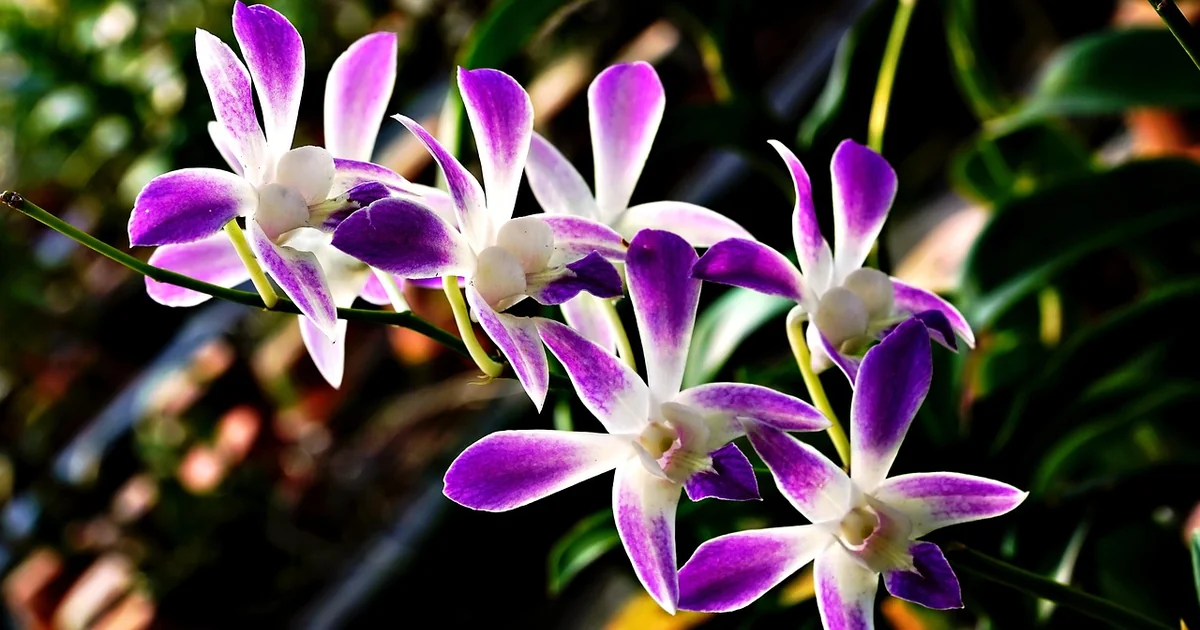
This article covers five essential tips to make growing Dendrobium orchids simple and rewarding. Whether you’re new to these plants or looking to refine your routine, these practical steps will help you provide the welcoming environment your orchid needs.
1. Provide Optimal Light and Temperature Conditions
Getting light and temperature right is the foundation of Dendrobium orchid care. These orchids need bright, indirect light for at least six hours each day to grow and bloom well. A spot near an east- or south-facing window usually provides the right amount of light.
How to Tell if Your Orchid Gets Enough Light
Watch your plant for clues. Healthy leaves are a light green color. If leaves turn dark green, the orchid likely needs more light. If they become yellow or develop brown patches, the light may be too strong. Adjust the position gradually until you see steady growth and healthy foliage.
Adjusting Temperature for Winter Rest
Daytime temperatures between 70°F and 85°F during the growing season support strong development. Many Dendrobium varieties require a winter rest period at about 55°F for several weeks to trigger reblooming. This cooler rest mimics their natural environment and helps the plant produce flower buds. If your home stays warm in winter, consider moving the orchid to a cooler room or a protected outdoor space. Simple attention to these temperature needs makes Dendrobium orchid care more predictable and rewarding.
2. Master Watering and Humidity for Healthy Roots
Watering mistakes are the most common cause of Dendrobium problems, but the right techniques keep roots happy. Overwatering leads to root rot and causes the plant to yellow or wilt, so it is vital to get your orchid watering schedule right. During the growing season, water your Dendrobium when the potting medium feels nearly dry to the touch. In winter, reduce watering significantly, allowing the medium to dry out more between waterings. Always use distilled water for orchids or collected rainwater to prevent mineral buildup from tap water, which can harm sensitive roots.
Humidity is equally important for healthy growth. Dendrobiums prefer humidity between 50% and 70%. If your home is dry, especially in winter, you may notice brown leaf tips on your orchid. Brown leaf tips usually indicate the air is too dry. To increase humidity indoors, place a shallow tray of water with pebbles beneath the pot, or group your orchids together. Avoid misting directly onto leaves, as standing water can encourage rot. By balancing watering and humidity, you make Dendrobium orchid care simpler and more rewarding.
3. Use the Right Potting Mix and Repotting Techniques
A proper pot and potting medium prevent root problems and support growth. For Dendrobium orchid care, choose a small pot so the roots are somewhat cramped. Orchids actually thrive when slightly snug, as this encourages healthy root development and prevents excess moisture from accumulating. When selecting a pot, make sure it has plenty of drainage holes to let water flow through freely.
You will need to repot when roots outgrow the container or when the medium starts breaking down. Over time, bark mixes decompose and hold too much water, which can lead to root rot. The best potting mix for Dendrobium orchids is coarse and well-draining, typically something like a bark blend with perlite or charcoal. This allows air to circulate around the roots while providing enough support for the plant. Signs that repotting is needed include roots spilling over the top or growing through drainage holes, or seeing that the medium has become fine and soil-like. For a simple Dendrobium repotting guide, gently remove the orchid, trim any dead roots, and place it in a fresh pot that is just one size larger. Use a clean tool to avoid introducing disease. Recommended commercial potting mixes are widely available at garden centers; look for products labeled specifically for orchids. Paying attention to orchid pot size and timing will keep your plant healthy and blooming season after season.
4. Fertilize and Prune for Vigorous Growth and Blooms
Regular feeding and strategic pruning keep your Dendrobium orchid healthy and flowering. A simple orchid fertilizer schedule makes a big difference. Feed your plant regularly during the growing season with a balanced orchid fertilizer. This provides essential nutrients for strong canes and abundant blooms. During the rest period, reduce or stop feeding to let the plant rest naturally.
Pruning Dendrobium orchids is straightforward. After flowers fade, cut back the spent flower spike just above a node. Remove any dead or shriveled canes at the base with clean, sharp scissors. This encourages new growth and improves air circulation. For propagation, look for keikis, which are baby plants that form on old canes. Once a keiki has roots a few inches long, you can gently remove it and pot it separately. Another method is Dendrobium division, where you split a large plant into smaller sections, each with healthy roots and canes. Both techniques give you more orchids to enjoy or share with friends.
5. Understand Dendrobium Types and Solve Common Problems
Different Dendrobium orchid types have unique care needs, so knowing which one you have helps you troubleshoot issues like yellow leaves or no blooms. For instance, nobile Dendrobium care involves a distinct winter rest, while phalaenopsis types prefer warmer conditions year-round. Understanding your specific variety makes Dendrobium orchid care much more straightforward. If you notice yellow leaves on orchids, it often signals overwatering or poor drainage. Check that your pot allows airflow and adjust your watering schedule accordingly.
When your orchid is not blooming, the cause is often related to insufficient winter rest or light. Many types require a winter rest period at about 55°F for several weeks to prompt reblooming. Also ensure your plant gets bright, indirect light during the growing season. Common orchid pests and diseases include scale, mealybugs, and spider mites. Inspect leaves and stems regularly, and if you spot pests, treat them with a gentle, soapy solution. By understanding your Dendrobium type and addressing these common problems, you can keep your orchid healthy and encourage beautiful blooms year after year.
Frequently Asked Questions
How can I tell if my dendrobium orchid is getting enough light?
Check the leaf color: a healthy dendrobium orchid has medium green leaves. If the leaves are dark green, the plant likely needs more light. Pale, yellowing, or reddish leaves usually mean too much direct sun. Aim for bright, indirect light, such as near an east-facing window.
Should I water my dendrobium orchid differently in winter than in summer?
Yes, watering needs change with the seasons. During the active growing season in spring and summer, water when the top inch of the potting mix feels dry. In winter, many dendrobium orchids benefit from a rest period, so reduce watering to every two to three weeks, allowing the mix to dry out more between waterings.
Is a winter rest period safe and necessary for my dendrobium orchid?
Yes, a winter rest is safe and often essential for healthy blooming. This period mimics the natural dry season the plant experiences in its native habitat. To provide it, move the orchid to a cooler spot (around 55–65°F at night) and reduce watering significantly for about six to eight weeks. You will see new flower spikes emerge after this rest.