I sat in my car for a full seven minutes before I could open the door. My hands were gripping the steering wheel so tightly my knuckles had turned white. The dental office looked perfectly pleasant from the outside — potted plants, a cheerful sign, sunlight bouncing off the glass. None of that mattered. My brain had already decided this was a threat. I am one of the 73% of adults who experience dental anxiety, and mine is the kind that makes your chest tighten, your palms sweat, and your legs feel like they are filled with wet sand. It is not a simple case of pre-appointment jitters. It is the kind of fear that keeps people away for years. If you recognize yourself in that description, you already know how isolating it feels. You also know that avoiding the dentist only makes things worse. So let me share five practical dental anxiety tips that actually helped me get back into that chair after years of avoidance.
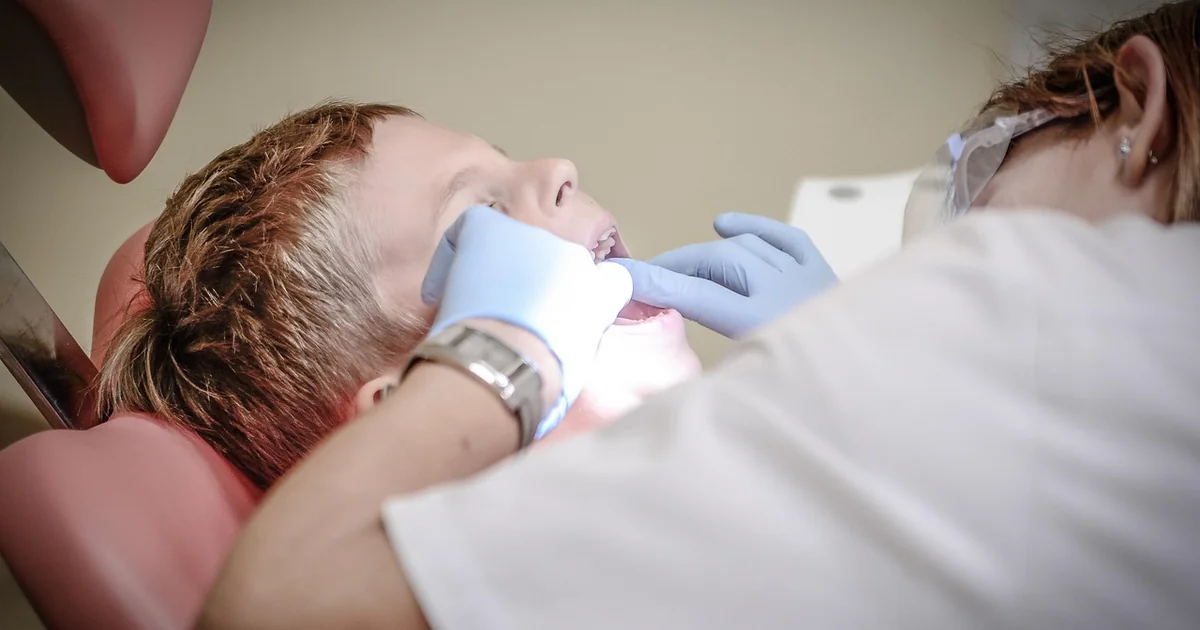
Why Dental Anxiety Deserves More Than a Shrug
Some people genuinely do not understand the intensity of dental fear. They say things like “it is just a cleaning” or “modern dentistry is painless.” Those statements may be true for them, but dental anxiety rarely responds to logic. It lives in the part of your brain that reacts before you can reason. For me, the fear started in childhood. I had several experiences that were not physically agonizing, but they were loaded with judgment and shame. A dentist sighed at my X-rays. A hygienist made a comment about my flossing habits that stung for years. I carried those moments with me into adulthood, and they grew heavier over time.
To make matters worse, genetics played a significant role in my dental health. I did everything right — brushing twice a day, flossing, using mouthwash — and still ended up with problems. That felt deeply unfair. The shame compounded because I assumed people would look at my teeth and think I was negligent. So I avoided the dentist entirely for several years. That is the cycle dental anxiety creates: you feel bad about your teeth, so you avoid the dentist, which makes your teeth worse, which makes you feel even more ashamed. Breaking that cycle requires more than willpower. It requires strategy.
These are the five approaches that made the biggest difference for me. They are not theoretical. I used every single one of them to get through my first appointment back, and they continue to help me maintain regular care. Think of them as a toolkit you can adapt to your own comfort level.
1. Tell the Truth When You Call to Schedule
This was the hardest step, and also the most important one. When I finally called the dental office, I did not pretend everything was fine. I told the scheduler exactly what was happening. I said, “I have severe dental anxiety and I have not been to a dentist in several years. I am terrified.” Saying those words out loud felt humiliating at first. But the scheduler did not judge me. She was patient and empathetic. She asked what she could do to make the experience easier. That single conversation changed everything.
Being honest upfront does a few things. It alerts the entire team that you need extra care. It removes the pressure to act brave. It also gives the office a chance to accommodate you before you even walk through the door. Many dental practices have specific protocols for anxious patients. They cannot use them if they do not know you need them. This is one of the most effective dental anxiety tips because it addresses the root of the problem: the fear of being judged. When you take that secret off the table, the shame loses its power.
2. Request a Consultation Only — No Treatment on Day One
One of the biggest sources of my anxiety was the unknown. I did not know what was wrong with my teeth. I did not know what the dentist would recommend. I did not know if I would be pressured into a procedure I was not ready for. So I asked for an appointment that was strictly a consultation. No cleaning. No drilling. No surprises. Just a conversation and an examination.
The scheduler assured me that coming in for an exam did not mean I would be getting any work done that day. That promise took an enormous amount of pressure off my shoulders. I could walk into the office knowing that nothing invasive would happen. I was simply meeting the dentist, letting her evaluate my situation, and learning about my options. That boundary gave me back a sense of control. If you struggle with dental anxiety, ask for the same arrangement. Most offices are happy to accommodate because they want you to feel safe. A consultation-only visit lets you build trust with the dentist before you commit to any treatment.
3. Explore Nitrous Oxide as a Real Option
I had heard of laughing gas before, but I assumed it was something only used for major procedures or for people with extreme phobias. I was wrong. When I met Dr. Kimberly Olesen, she told me that over half of her patients report some level of dental anxiety. She offered nitrous oxide as a standard option for anyone who wanted it. She explained that it would take about 15 minutes to administer and would take the edge off without knocking me out completely. I was skeptical, but I agreed to try it.
Here is what nobody told me about nitrous oxide: it works quickly, and it does not make you feel high in an uncomfortable way. It simply relaxes you. Your thoughts slow down. Your muscles unclench. The sounds of the office become less jarring. I could still respond to questions and follow instructions. I just did not feel like I was in a state of emergency anymore. Full disclosure: insurance usually does not cover nitrous oxide. Patients typically pay out of pocket. In my case, my insurance covered part of the cost, which was a welcome surprise. But even if I had paid the full amount, I would have considered it money well spent. It made the difference between enduring the appointment and actually being okay during it.
Dr. Olesen mentioned that some patients have transferred to her practice specifically because their previous dentist did not offer nitrous oxide. It is more common in older offices with existing plumbing infrastructure. Newer boutique-style offices may not have the setup for it. If this option matters to you, call ahead and ask. You might be surprised how many practices offer it.
4. Establish a Nonverbal Signal with Your Dentist
Before Dr. Olesen began any work, she looked at me and said, “Give me a thumbs up if you are comfortable. Give me a thumbs down if you need me to stop.” That simple gesture meant more than I can properly express. It told me that she respected my limits. It gave me a way to communicate without having to speak. When you are already anxious, forming sentences can feel impossible. Having a physical signal removes that barrier.
I used that thumbs up several times during the appointment. Each time, she paused, checked in, and waited for my signal before continuing. That feedback loop rebuilt my trust in the dental experience. If you are nervous about an upcoming appointment, ask your dentist if you can use a similar system. A raised hand, a tap on the arm, or a simple word like “pause” can all work. The key is agreeing on it beforehand so you do not have to figure it out in the moment. This is one of those dental anxiety tips that costs nothing and changes everything.
5. Give Yourself Permission to Almost Cancel — Then Go Anyway
The day before my appointment was one of the longest 24 hours of my life. I almost cancelled at least a dozen times. I made up reasons in my head. I convinced myself that my teeth were fine and I was overreacting. I rehearsed the phone call I would make to reschedule. But somewhere in the middle of all that spiraling, I made a deal with myself: I would drive to the office. I would walk inside. If I needed to leave at any point, I could. That permission to leave was the only reason I stayed.
Once I was in the chair, the nitrous oxide helped. The dentist’s calm demeanor helped. The fact that I had already communicated my anxiety helped. But none of that would have mattered if I had not shown up in the first place. So here is my honest advice: let yourself almost cancel. Let yourself complain about it. Let yourself be dramatic about how unfair it is that you have to do this. And then go anyway. The victory is not in feeling brave. The victory is in doing the thing despite feeling terrified. That counts just as much.
What Dental Anxiety Actually Feels Like
If you have never experienced debilitating dental anxiety, it can be hard to understand why someone would avoid a routine cleaning for years. Let me describe it. It feels like your throat is closing. It feels like the room is too small. It feels like every sound is amplified — the scrape of instruments, the hum of the suction, the squeak of the chair. Your heart pounds so hard you can hear it in your ears. Your brain starts generating worst-case scenarios at an alarming rate. What if the pain is unbearable? What if the dentist is rough? What if they judge me? What if I panic and cannot breathe?
You may also enjoy reading: Beat Artist’s Block with 25 Quick Animal Sketches.
These thoughts are not rational, but anxiety does not care about rationality. It is a primal response that treats a dental chair like a threat. Recognizing that this is a physiological reaction, not a character flaw, is an important step. You are not weak for feeling this way. Your nervous system is doing exactly what it evolved to do. The goal is not to eliminate the fear entirely. The goal is to manage it well enough that you can get the care you need.
The Role of Your Dental Team in Managing Anxiety
Dr. Kimberly Olesen told me that over half of her patients report some form of dental anxiety. That statistic changed my perspective. I had assumed I was an outlier, a rare case of extreme fear. But the truth is that dental anxiety is incredibly common. A good dental team knows this. They have seen it before. They have protocols in place to help.
The scheduler who answered my call did not shame me. She did not lecture me about the importance of regular checkups. She simply listened and offered solutions. The dentist did not minimize my fear. She acknowledged it and gave me options. That combination of empathy and practical support is what made the experience tolerable. If you call an office and the person on the other end is dismissive or impatient, consider that a red flag. You deserve a team that takes your anxiety seriously. There are practices out there that specialize in treating fearful patients. It is worth finding one.
Why We Do Not Talk About Dental Anxiety Enough
Dental anxiety exists in a strange cultural space. We make jokes about hating the dentist. We laugh at memes about canceling appointments. But we rarely have honest conversations about how debilitating the fear can be. Part of the reason is shame. Admitting that you are afraid of something as routine as a dental cleaning can feel embarrassing. Another part is the misconception that dental anxiety is a sign of immaturity or weakness. Neither of those things is true.
About 73% of adults experience some level of dental anxiety, according to surveys. That is nearly three out of four people. The number is so high that it should normalize the conversation, not silence it. When I finally started talking openly about my fear, I was shocked by how many friends and family members said, “Me too.” We had all been suffering in silence, assuming we were the only ones. Breaking that silence is one of the most powerful things you can do. It reduces the shame. It opens the door to solutions. And it reminds you that you are not alone.
Frequently Asked Questions About Dental Anxiety
Can dental anxiety be cured completely?
For many people, dental anxiety does not disappear entirely, but it can become manageable. With the right strategies, support from a compassionate dental team, and possibly sedation options, most people can attend appointments without extreme distress. The goal is not a cure. The goal is progress.
Is nitrous oxide safe for everyone?
Nitrous oxide is generally considered safe for most adults and children when administered by a trained professional. However, it may not be suitable for people with certain respiratory conditions, a history of substance use, or specific vitamin deficiencies. Your dentist will review your medical history before offering it. Always disclose your full health background to ensure safety.
What if my insurance does not cover sedation?
Many insurance plans consider nitrous oxide a cosmetic or elective service and do not cover it. Out-of-pocket costs typically range from $50 to $150 per session, depending on your location and the dental practice. Some offices offer payment plans or discounts for upfront payment. It is worth asking about pricing before your appointment so there are no surprises.
How do I find a dentist who understands anxiety?
Look for terms like “sedation dentistry,” “anxiety-free dentistry,” or “gentle dental care” when searching for a provider. Read reviews from other patients who mention fear or anxiety. Call the office and ask directly how they accommodate nervous patients. A good practice will be happy to answer your questions without judgment.
Can I bring someone with me to the appointment?
Most dental offices allow you to bring a support person to the consultation and even into the treatment room, as long as they do not interfere with the procedure. Having a trusted friend or family member in the room can provide comfort and grounding. Call ahead to confirm the policy so you can plan accordingly.
Moving Forward Without the Weight of Fear
My first appointment back was not perfect. I was still nervous. My hands were shaking when I sat down in the chair. But I survived it. More than that, I left feeling lighter than I had in years. The shame I had been carrying started to dissolve. I realized that the dental chair was not a place of judgment. It was a place of help. If you are reading this and you have been avoiding the dentist for months or years, I see you. I know how hard it is to pick up the phone. I know how loud the fear can be. But I also know that you are capable of more than your anxiety tells you. Start small. Use the dental anxiety tips that resonate with you. Find a team that listens. And give yourself credit for every single step you take. You deserve care that does not come with terror attached.