Growing the Perfect Tomato: Splurging on What Matters Most
Growing tomatoes can feel like a daunting task, a constant battle against pests, diseases, and the sheer weight of a heavy, ripening fruit. It’s easy to get swept away by a tidal wave of advice – and a mountain of recommended products – promising bountiful harvests. But the truth is, you don’t need every gadget and gizmo to achieve tomato success. This article cuts through the noise, focusing on the 7 game-changing tomato garden products you should consider splurging on, and the ones where you can confidently save your money. Let’s ditch the unnecessary expenses and focus on what truly makes a difference in your garden.
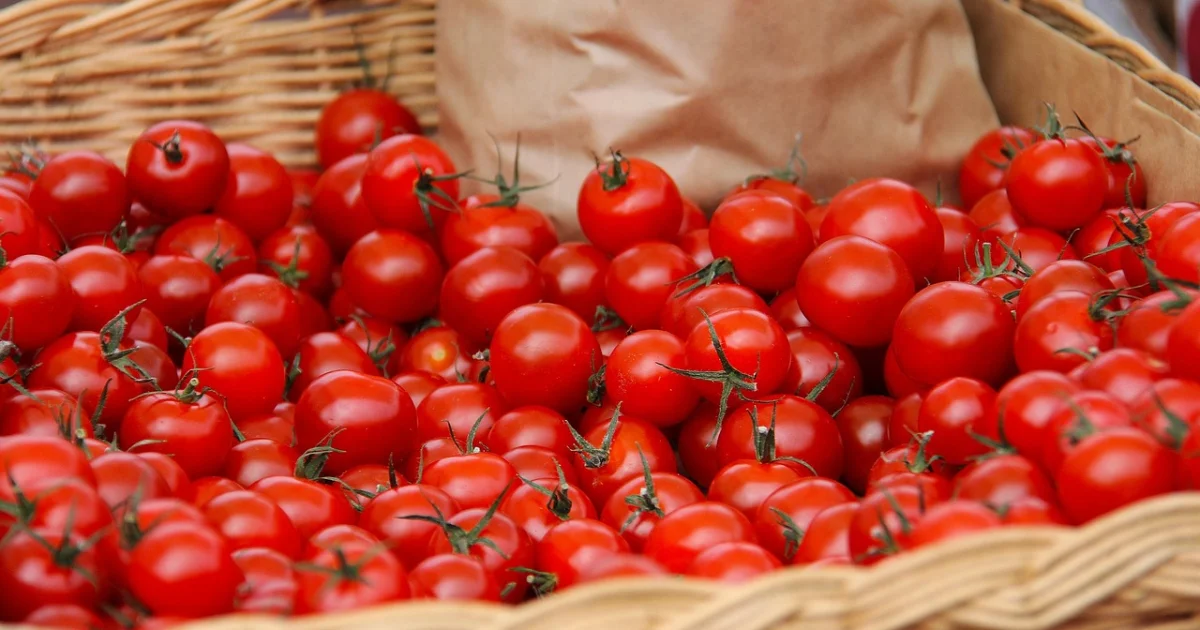
Tomatoes are undeniably popular, representing the most frequently cultivated crop worldwide. Their vibrant flavor and versatility make them a staple in kitchens across the globe. However, maximizing your yield and enjoying truly exceptional tomatoes requires a bit more than just tossing seeds into the ground. Understanding the specific needs of these plants – from nutrient requirements to structural support – is key. And while a lot of information out there suggests you need a complex system to grow amazing tomatoes, the reality is often simpler, and more cost-effective. We’ll explore how to prioritize your spending to ensure the best possible tomato harvest, without breaking the bank.
1. Strong Plants: Seeds or Seedlings – The Foundation of Success
This is possibly the most important investment you’ll make in your tomato garden. No matter how diligently you water, fertilize, and prune, a weak start will significantly hinder your chances of a successful harvest. When selecting your tomato plants, prioritize disease-resistant varieties and healthy seedlings. Seed-starting offers a cost-effective route, but you must be prepared to invest time and effort. Seedlings, particularly from reputable nurseries, provide a head start and reduce the risk of transplant shock. Burpee is a fantastic resource for both high-quality seeds and healthy seedlings. Consider heirloom varieties for unique flavors and colors. The point is, choosing strong plants from the beginning dramatically increases your odds of a plentiful, delicious harvest. A healthy plant is simply more resilient to the challenges of a growing season.
Investing in Quality Seedlings
The difference between a lackluster harvest and a truly impressive one often begins with the quality of your starting material. Look for seedlings with robust stems, deep green leaves, and no signs of disease or pests. Avoid plants that are root-bound (roots tightly circling the pot), as this can stunt their growth. A good nursery will provide clear information about the variety and its characteristics. Don’t hesitate to ask questions – knowledgeable staff can offer valuable advice tailored to your local climate and growing conditions. For example, in areas with shorter growing seasons, selecting early-maturing varieties is crucial. And remember, a single, healthy seedling is worth more than three struggling ones.
The Case for Seeds – A Budget-Friendly Option
While seedlings offer convenience, starting from seed can be significantly cheaper, especially if you’re growing multiple tomato plants. It also allows you to experiment with a wider range of varieties, including those that may not be readily available as seedlings. However, seed starting requires a bit more preparation and attention. You’ll need seed starting trays, a grow light (or a very sunny windowsill), and a suitable seed-starting mix. The initial investment is low, but the time commitment is higher. Consider it an investment in your gardening knowledge and a chance to connect more deeply with the growing process. Using a seed starting tray, like the ones available on Amazon, can really streamline this process and make it much easier.
2. Mortgage Lifter Tomato Plant: Size Matters
When selecting your tomato plants, size matters. The Mortgage Lifter is a particularly popular choice for a reason: it produces incredibly large, juicy tomatoes – some weighing over a pound! While smaller varieties may be more prolific, the sheer size and flavor of a Mortgage Lifter tomato are unmatched. This plant is a standout and worth the extra investment if you’re serious about enjoying exceptional tomatoes. It’s a bit more expensive than other varieties, but the payoff in terms of flavor and visual impact is substantial.
3. Super Sweet 100 Tomato Plant: A Sweet Treat
If you’re looking for a consistently sweet tomato, the Super Sweet 100 is an excellent choice. This variety is known for its exceptionally sweet flavor and its ability to produce 100 tomatoes per plant. It’s a reliable performer and a favorite among home gardeners. The sweetness is due to a unique genetic trait that reduces the production of acidic compounds, resulting in a noticeably sweeter taste. While the price may be slightly higher than some other varieties, the superior flavor is well worth the investment.
4. High-Quality Soil: Beyond the Dirt
Not all soil is created equal, and even good garden soil isn’t necessarily right for the job you have in mind. If you’re growing tomatoes in containers, you need potting soil, which drains better and prevents waterlogging. Container gardening relies on a well-draining mix to provide essential nutrients and support healthy root growth. If you’re growing outdoors, a standard garden soil might suffice, but consider a soil test to assess its nutrient levels and pH. Many soils, especially those in urban areas, can contain lead and other heavy metals, which are detrimental to plant health. A soil test can identify these contaminants and allow you to take corrective action, such as adding amendments to neutralize the soil. This is particularly critical if you are growing vegetables for consumption. Ocean Forest Potting Soil is a great option for container gardening because it’s specifically formulated for vegetables and contains slow-release nutrients.
5. Proper Fertilizer: Feeding the Champions
Tomatoes are heavy feeders, meaning they require a significant amount of nutrients to thrive. Regular fertilization is crucial for maximizing your yield and ensuring the production of flavorful tomatoes. Opt for a vegetable or tomato fertilizer, which is specifically formulated to meet the needs of these plants. Look for a fertilizer with a balanced NPK ratio (nitrogen, phosphorus, potassium) and consider adding micronutrients for optimal plant health. Organic Concentrated Tomato Plant Food and Organic Tomato-Tone Fertilizer are excellent choices for boosting tomato growth. Avoid over-fertilizing, as this can lead to excessive foliage growth at the expense of fruit production. Follow the instructions on the fertilizer label carefully.
You may also enjoy reading: 5 Show-Stopping Summer Bulbs That Can Survive Your Neglect.
6. Sturdy Support Structures: Saving Your Plants from Collapse
As mentioned earlier, I have a long-standing beef with cheap wire tomato cages. Tomatoes spend all summer growing heavier and more unwieldy – you don’t want them collapsing under their own weight at the height of production. A sturdy support structure is essential for preventing collapse and ensuring that your plants can access sunlight. My personal favorite is the modular cage below. It’s sturdy, it’s adjustable, and it collapses down to fit in your shed at the end of the year. Plus it’s cheap! Alternatives include stakes and trellises. Choose a support structure that’s appropriate for the size and growth habit of your tomato plants. Proper support not only protects your plants but also improves air circulation, reducing the risk of disease.
7. Mulch: The Humble Protector
Mulch is often overlooked, but it’s a surprisingly effective tool for tomato gardening. Applying a layer of mulch around your tomato plants helps to retain soil moisture, suppress weeds, and regulate soil temperature. You can use a variety of materials for mulch, including straw, wood chips, shredded leaves, or even compost. A thick layer of mulch (2-4 inches) is ideal. As the mulch decomposes, it adds organic matter to the soil, improving its fertility. Applying mulch helps to keep the soil cool during hot summer days and warm during cool nights, creating a more favorable growing environment for your tomatoes. Lobster & Crab Compost Blend is a fantastic option for mulching, as it provides nutrients to the soil as it breaks down.
Saving Money: What You Can Skip
Now we get into the nice part of the article, where you can breathe a sigh of relief and actually save a little money. While many products promise to enhance your tomato harvest, some are simply unnecessary. Seed starting trays are convenient but not essential. You can start seeds in an egg carton, a bubble wrap snail, or even an ice cream cone! Containers don’t need to be DIY projects – you can buy them pre-made. The key is to prioritize the essentials and avoid spending money on gadgets you don’t really need.
Ultimately, growing delicious tomatoes is about understanding the needs of your plants and providing them with the right conditions. By focusing on quality seeds or seedlings, high-quality soil, proper fertilization, sturdy support, and effective mulch, you can achieve remarkable results without spending a fortune. Remember, the best tomato garden is one that’s both productive and enjoyable – and a little bit strategic about your spending.
While this article focuses on specific products, a successful tomato garden also relies on consistent care, regular watering, and attentive monitoring for pests and diseases. It’s a rewarding endeavor that yields a bounty of fresh, flavorful tomatoes – a true testament to your gardening efforts. Don’t be afraid to experiment and find what works best for you and your local climate. Happy gardening!