As the days lengthen and a gentle warmth permeates the air, the thoughts of many gardeners turn towards the promise of a bountiful harvest. May marks a pivotal moment in the gardening calendar, a time when the soil begins to relinquish its chill and the first opportunities arise to sow those eagerly anticipated warm-season vegetables. While cool-weather crops like lettuce and spinach still hold their sway in some regions, it’s in May that the groundwork is laid for a vibrant summer garden. Understanding when and how to plant certain vegetables can significantly impact your yield and the overall success of your gardening endeavors. This guide explores eight of the best vegetables to plant in May, offering insights into their specific needs and providing actionable advice for a thriving garden.
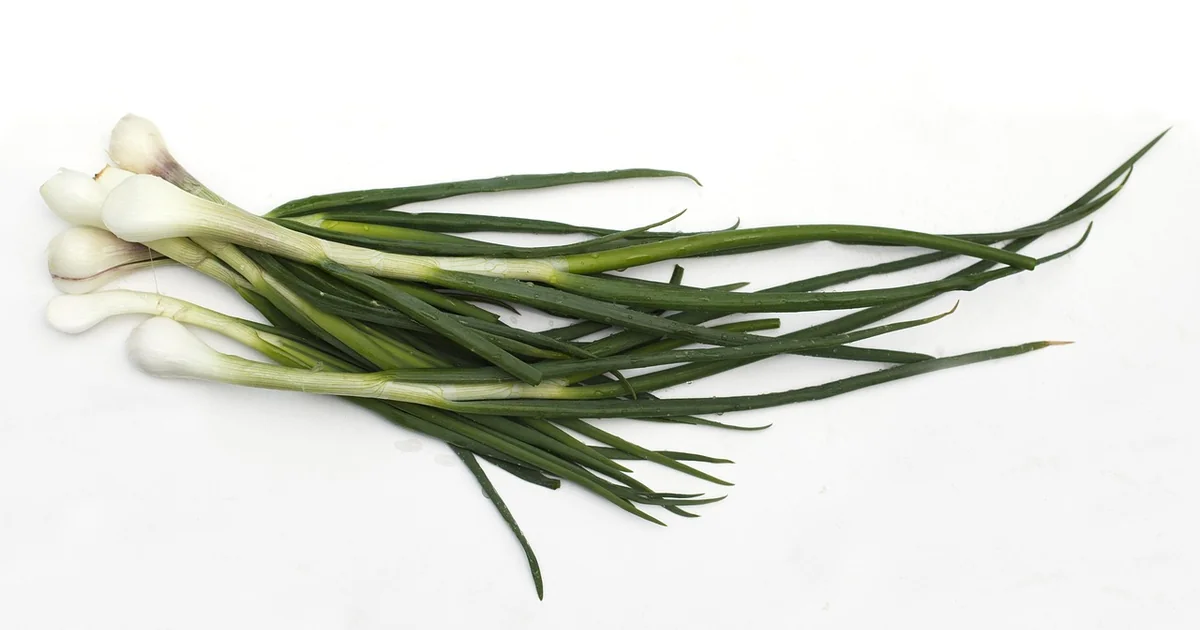
1. Beans
It’s no coincidence that Jack’s fast-growing crop was a beanstalk. If you’re after something that takes off quickly in May, beans are hard to beat. With soil temperatures reliably above 60°F (16°C), most bean varieties germinate rapidly and evenly. Whether you choose bush or pole types, beans are refreshingly low-maintenance and won’t demand constant attention. Jack may have planted pole beans, but I tend to favor bush varieties, which stand neatly on their own without the need for trellising. That said, pole beans will reward you with a longer harvest period – something to consider if space allows. Like most summer crops, beans need full sun, well-drained soil, and consistent moisture. Avoid waterlogged ground, though – beans dislike “wet feet” and can quickly struggle in poorly drained soil. From sowing to harvest typically takes around 45–60 days, depending on the variety and conditions. Pods are ready when they feel firm and snap cleanly from the plant. Pick regularly – every couple of days at peak production – to encourage the plant to keep flowering and producing new pods.
Bean Seed Picks Sweet Yards Organic Bean Seeds Variety Pack Three Color Blend Bean Seeds Kentucky Wonder Pole Bean Seeds
2. Cucumbers
Has your region seen its last spring frost? If so, May is your cue to plant cucumbers. These vigorous climbers thrive in warm soil – ideally above 65°F (18°C) – and a full-sun position. Well-drained soil is essential, and consistent, even watering will prevent bitterness and misshapen fruit. For best results, sow seeds at the base of a vegetable trellis or support. As they germinate and grow, the vines will naturally climb, keeping fruit off the ground, improving air circulation, and reducing the risk of disease. It also makes harvesting far easier – no rummaging through foliage to find hidden fruit. Most cucumber varieties are ready to harvest in about 50–70 days. Pick cucumbers while they’re still young and tender, before seeds fully develop. And, as with beans, frequent harvesting encourages the plant to keep producing rather than slowing down. Cucumber Seed Picks Sow Right Seeds Cucumber Seed Collection Homemade Pickles Cucumber Seeds
3. Carrots
Bugs Bunny may be their most famous fan, but I’m right there with him when it comes to enjoying a crisp, homegrown carrot. Carrots prefer light, sandy soil that allows for easy root development. A soil pH between 6.0 and 6.8 is ideal for optimal growth. While you can technically plant carrots earlier, May is an excellent time to sow, providing the soil has warmed up. Direct sow seeds about ½ inch deep and 1-2 inches apart, thinning to 2-3 inches apart once seedlings emerge. Consistent moisture is crucial for carrot development; aim for about 1 inch of water per week. It’s worth noting that carrots can take a while to germinate, sometimes up to three weeks, so patience is key. The harvest typically begins around 60-80 days after planting, depending on the variety. You’ll know they’re ready when they reach your desired size. Crunchy, bright, and full of flavor, homegrown carrots are noticeably sweeter when grown well. For a continuous supply, sow seeds every few weeks throughout the growing season.
4. Tomatoes
Tomatoes are arguably a gardener’s favorite, and May marks a significant time for planting these warm-weather staples. Tomatoes need at least 6-8 hours of direct sunlight per day to thrive. Choose a spot with well-drained soil and amend it with compost or other organic matter to improve fertility. Starting tomato plants indoors 6-8 weeks before the last expected frost can give them a head start, especially in cooler climates. However, many gardeners in warmer regions opt for direct sowing once the soil has warmed up. Sow seeds about ½ inch deep and 12-18 inches apart. Provide support with stakes, cages, or trellises as the plants grow. Regular watering and feeding with a tomato-specific fertilizer are essential for a bountiful harvest. Tomatoes are a gardener’s favorite, and with proper care, you can enjoy a season of delicious, homegrown tomatoes. They typically take 70-100 days from transplanting to maturity.
5. Peppers
Peppers, like tomatoes, are heat-loving plants that thrive in warm conditions. May is an ideal time to start peppers outdoors in regions with mild climates. Peppers require full sun and well-drained soil. Similar to tomatoes, starting pepper plants indoors 6-8 weeks before the last frost can be beneficial. Transplant seedlings outdoors once the danger of frost has passed and the soil has warmed up. Space plants 18-24 inches apart to allow for good air circulation. Peppers come in a variety of shapes, sizes, and heat levels, offering something for every palate. Consistent watering and regular fertilization will promote healthy growth and abundant pepper production. The harvest time for peppers typically ranges from 60-90 days after planting, depending on the variety.
6. Zucchini
Zucchini is a prolific producer, often yielding more than a family can consume. These vigorous plants thrive in warm soil and full sun. Direct sow seeds about 1 inch deep and 2-3 feet apart. Zucchini plants need plenty of space to spread, so allow for ample room in your garden. Consistent watering is essential, especially during hot weather. Regular harvesting is key to encouraging continued production. Zucchini is best harvested when the fruits are young and tender, typically 8-12 inches long. Be prepared for a generous harvest – one or two plants can easily provide enough zucchini for many meals. Zucchini plants are remarkably efficient at converting sunlight into edible fruit, making them a rewarding addition to any vegetable garden.
7. Summer Squash
Summer squash, including varieties like yellow squash and pattypan squash, shares similar growing requirements to zucchini. They prefer warm soil, full sun, and consistent moisture. Direct sow seeds about ½ inch deep and 2-3 feet apart. Provide adequate space for the plants to spread. Regular watering and fertilization will support healthy growth and abundant fruit production. Harvest summer squash when the fruits are young and tender, typically 6-8 inches long. Like zucchini, summer squash plants are highly productive, offering a continuous supply of delicious vegetables throughout the summer months. The delicate flavor of homegrown summer squash is a welcome addition to summer meals.
You may also enjoy reading: 7 Ways to Water Sod Often for a Strong Start.
8. Corn
While corn might seem like a more challenging crop to start, May is a suitable time to plant in many regions. Corn needs full sun and well-drained soil. Direct sow seeds 1-2 inches deep and 6-12 inches apart, creating rows that are 30-36 inches apart. Corn requires a significant amount of water, especially during tasseling and ear development. Consistent irrigation is essential for a good yield. Protect young corn plants from pests like corn earworms. The harvest time for corn typically ranges from 75-100 days after planting, depending on the variety. You’ll know the corn is ready when the silks turn brown and the kernels are plump and tender. Freshly picked corn on the cob is a quintessential summer treat, and growing your own is a rewarding experience.
Understanding the specific needs of these eight vegetables will set you up for success this May. Remember to consider your local climate and soil conditions when planning your garden. With a little bit of effort and attention, you can enjoy a bountiful harvest of fresh, homegrown vegetables all summer long.
Troubleshooting Common Planting Challenges
While May offers excellent conditions for planting, gardeners often encounter certain challenges. One common issue is inconsistent soil temperature. Even with warming weather, soil can fluctuate, delaying germination or hindering seedling growth. Using a soil thermometer can help you monitor temperatures and determine the optimal time to sow certain seeds. Another challenge is unpredictable weather. Late frosts or sudden heatwaves can impact young plants. Covering plants with frost cloth or providing shade during intense heat can help mitigate these risks. Pests and diseases can also pose a threat. Regularly inspect your plants for signs of infestation or infection and take appropriate action promptly. Companion planting, where certain vegetables are planted together to benefit each other, can also help deter pests and improve overall plant health.
Resources for Further Learning
For more detailed information on planting and growing these vegetables, consult your local agricultural extension office or reputable gardening websites. There are also numerous books and magazines dedicated to gardening that offer valuable insights and practical tips. Don’t hesitate to connect with other gardeners in your community to share experiences and learn from each other. With a little research and planning, you can enjoy a successful and rewarding vegetable garden.
As the days grow longer and the garden awakens, the anticipation of a summer harvest fills the air. Planting these eight vegetables in May is a fantastic way to kickstart your gardening season and enjoy the freshest, most flavorful produce. With careful planning and attentive care, your garden will flourish, providing you with a bounty of delicious vegetables throughout the summer months.