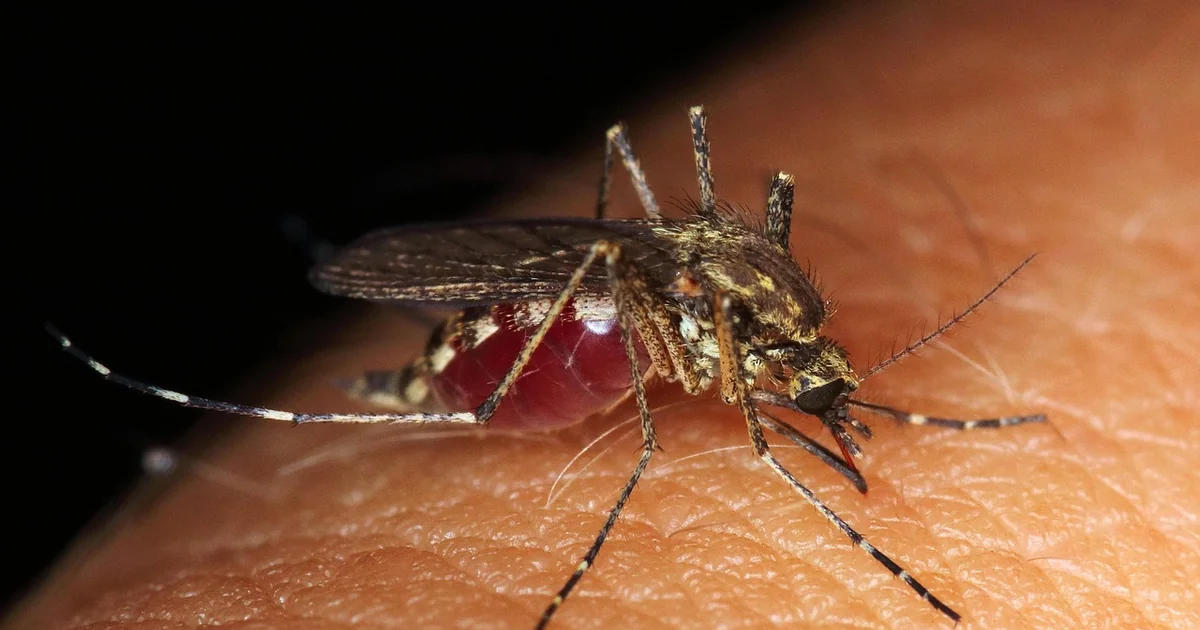
Banish bug bite itch with a simple 4-ingredient all-natural spray. Summer brings longer days, outdoor play, and family fun. It also brings biting bugs that leave behind red, swollen, itchy welts. Store-bought sprays often contain harsh chemicals or just mask the discomfort. A homemade blend of essential oils, aloe vera, and vitamin E can soothe the sting and help the skin heal without any synthetic additives.
What makes this bug bite spray different from store-bought ones?
Most commercial anti-itch sprays rely on ingredients like hydrocortisone, antihistamines, or synthetic fragrances. They can stop the itch temporarily, but they do little to repair the skin or reduce swelling naturally. This DIY spray works differently. It combines four natural ingredients that each play a specific role in calming inflammation, fighting irritation, and supporting the skin’s own repair process.
Aloe vera gel provides a cooling base that sinks into the skin quickly. Vitamin E oil adds moisture and helps regenerate damaged tissue. Lavender and patchouli essential oils bring anti-inflammatory and pain-relieving properties. Together, they do not just mask the itch. They actively work to reduce redness, ease the sting, and speed up healing. The spray is all natural, uses only 4 ingredients, and both soothes and heals the skin, not just masks the itch.
Why are lavender and patchouli the chosen essential oils?
Lavender oil is one of the most versatile and well-studied essential oils for skin care. Its gentle nature makes it suitable for children and sensitive skin types. Research cited by Medical News Today indicates that lavender may improve pain from bites and stings caused by insects such as fire ants and bees. That pain-relieving quality is exactly what makes it so useful for mosquito bites and ant bites alike.
Patchouli oil brings a different set of benefits. Several studies have demonstrated that patchouli oil has an anti-inflammatory effect, which is directly useful for reducing the swelling that accompanies a bite. It also offers antibacterial activity, which helps prevent infection if the bite has been scratched open. Patchouli has anti-inflammatory effects to reduce swelling, and lavender can improve pain from bites and stings.
How do aloe vera and vitamin E contribute to relief?
Aloe vera gel is a staple in natural first-aid kits for good reason. The gel from the aloe vera leaf contains anti-inflammatory compounds that help calm itchiness and reduce redness. When applied to a fresh insect bite, it provides an immediate cooling sensation that distracts the brain from the itch signal. It also creates a thin protective layer over the skin, keeping the area moisturized and preventing further irritation from scratching.

Amazon US Verified
Little Spot of Emotion 8-Book Box Set
Engaging visual books and plushies that help children identify and regulate feelings.
Vitamin E oil is a powerful antioxidant that supports skin repair and regeneration. It is known for its moisturizing properties and its ability to help heal minor wounds and irritations. When you combine aloe vera and vitamin E in a spray, you get a dual-action remedy. Aloe vera calms itchiness and reduces redness with its anti-inflammatory properties, while vitamin E supports skin repair and regeneration.
What safety precautions should you take when using essential oils for bites?
Essential oils are highly concentrated plant extracts. Applying them directly to the skin without dilution can cause irritation, redness, or even a burning sensation. Always mix essential oils with a carrier oil or aloe vera gel before applying them to the bite area. A safe dilution rate is 2 to 3 percent, which means roughly 4 to 6 drops of essential oil per 1 ounce of carrier.
Some essential oils, particularly citrus oils like lemon, lime, and bergamot, can cause photosensitivity. This means the skin becomes more sensitive to sunlight, increasing the risk of sunburn or pigmentation changes. Lavender and patchouli do not have this effect, but it is good practice to apply any essential oil blend to a small patch of skin first and wait 24 hours to check for a reaction. Always dilute essential oils with a carrier oil (2-3% dilution), perform a patch test, and be cautious of photosensitivity with citrus oils.
Can I substitute other oils if I do not have lavender or patchouli?
Yes, you can swap in other essential oils that offer similar benefits. Peppermint oil is an excellent substitute. It contains menthol, which creates a cooling sensation that distracts from the itch and provides immediate comfort. Peppermint oil also has mild anti-inflammatory and antimicrobial properties that help keep the bite clean.
Tea tree oil is another strong alternative. It is widely valued for its antimicrobial properties, which can help prevent infection in a bite that has been scratched open. Tea tree oil also has anti-inflammatory effects that reduce swelling and redness. Both peppermint and tea tree oils are very soothing for insect bite skin irritation. Yes, peppermint oil (cooling sensation) and tea tree oil (antimicrobial properties) are good substitutes.
How to make and use this essential oils bug bites spray
The recipe is simple and takes only a few minutes to prepare. You will need a 1-ounce spray bottle, half an ounce of pure aloe vera gel, 4 drops of vitamin E oil, 4 drops of lavender essential oil, and 4 drops of patchouli essential oil. Remove the top from the spray bottle and fill it halfway with the aloe vera gel. Add the lavender and patchouli oils, then add the vitamin E oil. Fill the rest of the bottle with more aloe vera gel. Screw the top back on and shake the bottle well.
To use the spray, shake it before each application. Spray it directly onto the bite area and gently rub it in with your fingers. You can reapply as often as needed for quick relief. The spray is gentle enough for children, but always supervise young kids when using essential oils. If you experience persistent or severe discomfort, it is advisable to consult with a healthcare professional to determine the cause and appropriate treatment.
You may also enjoy reading: Durable Kitchen Flooring a Designer Says Beats Hardwood.

Amazon US Verified
Montessori Wooden Step Stool & Kitchen Helper
Safe enclosed toddler tower allowing young children to participate at counter height.
The five essential oils that soothe insect bites
While the recipe above focuses on lavender and patchouli, there are five essential oils that stand out as the most effective for insect bite relief. Each one brings a unique benefit to the table.
Lavender oil
Lavender oil is the most widely recommended essential oil for bites and stings. Its pain-relieving properties help reduce the sharp sting of a fresh bite. It also has a calming scent that can help relax a child who is upset by the irritation. Lavender is gentle enough to use on most skin types and blends well with other oils.
Patchouli oil
Patchouli oil is less common in home remedy kits, but it is highly effective for bites. Its anti-inflammatory action reduces the raised, red swelling that forms around a bite. Its antibacterial quality helps keep the area clean, which is important when scratching is hard to resist. Patchouli has a rich, earthy scent that many people find grounding.
Peppermint oil
Peppermint oil provides an immediate cooling sensation that distracts the nerves from sending itch signals to the brain. This makes it ideal for bites that are already driving you crazy with itching. It also has mild antiseptic properties that help prevent infection. Use it in place of lavender or patchouli if you want a more intense cooling effect.
Tea tree oil
Tea tree oil is a powerful antimicrobial agent. It is especially useful for bites that have been scratched open or that look like they might become infected. It also reduces inflammation and helps the skin heal faster. Tea tree oil has a strong medicinal scent, so you may want to blend it with a drop of lavender to soften the aroma.
Roman chamomile oil
Roman chamomile oil is exceptionally gentle and safe for young children. It has anti-inflammatory and calming properties that reduce redness and itching. Its mild floral scent also helps soothe anxiety or fussiness that can come with uncomfortable bites. Roman chamomile can be used alone or blended with lavender for a gentle, effective spray.
Frequently Asked Questions
Can I use these essential oils directly on my skin without a carrier?
No, you should never apply undiluted essential oils directly to the skin. Essential oils are highly concentrated and can cause irritation, redness, or a burning sensation if used neat. Always mix them with a carrier oil like aloe vera gel, coconut oil, or jojoba oil before applying them to a bite. A safe dilution is 2 to 3 drops of essential oil per 1 teaspoon of carrier.
How often can I apply the essential oils bug bites spray?
You can apply the spray as often as you need for relief. Because the ingredients are gentle and diluted, there is no strict limit on frequency. Shake the bottle before each use and spray directly onto the bite. If you are using it on a child, start with one application and wait to see how the skin reacts before reapplying. For persistent or severe bites, consult a healthcare provider.
Is this spray safe to use on toddlers and babies?
Lavender and Roman chamomile are generally considered safe for children over two years old when properly diluted. For babies under two, it is best to consult a pediatrician before using any essential oil blend. Always perform a patch test on a small area of skin before applying the spray to a larger area. Avoid using peppermint oil on very young children, as its strong cooling sensation can be overwhelming.
As an Amazon Associate, azuloz.com earns from qualifying purchases.