Hardwood has held the crown in kitchen design for decades. Its warmth and classic appeal made it the default choice for homeowners who wanted a floor that felt both inviting and upscale. But something is shifting behind those cabinet doors. A new wave of kitchen renovations is quietly moving away from wood planks and toward a material that looks like it belongs in a sun-baked European villa.
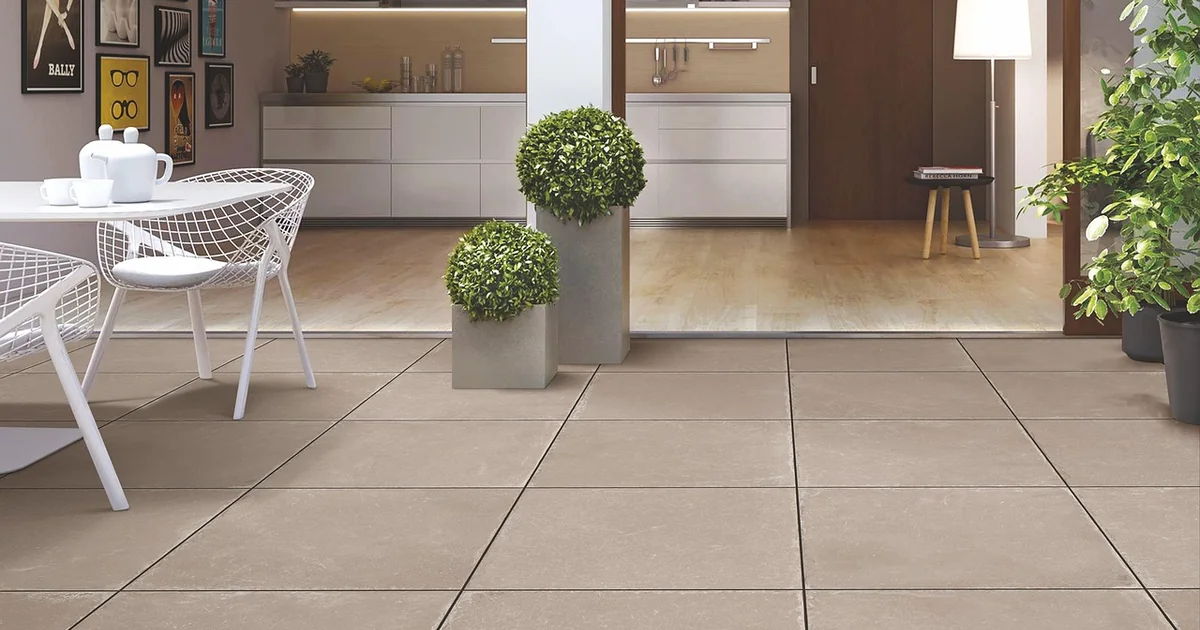
Craig Gritzen, founder and principal designer of Curated Style Collective, has been watching this pivot closely. He sees a pronounced swing away from hardwood and toward a surprising contender: porcelain tile kitchen flooring that mimics the texture and character of natural stone. The reason? In his assessment, it simply handles the mess and motion of a real kitchen far better than wood ever could.
What is the predicted trend for 2026?
The design forecast is remarkably clear. Porcelain tile with a natural stone appearance is predicted to dominate kitchen spaces next year. This is not a minor ripple in the world of home remodeling. It marks a fundamental rethinking of what a kitchen floor should do. Instead of choosing flooring that merely looks beautiful when new, homeowners are now demanding surfaces that continue to look beautiful after a hundred spilled glasses of juice.
The movement toward stone-look porcelain is about more than aesthetics. It signals a desire for permanence and resilience. A floor that does not need to be babied. One that laughs off dropped cast-iron pans and stays steady when a forgotten stockpot boils over. Natural stone-look porcelain tile is predicted to rule kitchens in 2026 precisely because it answers that demand without forcing anyone to abandon the dream of a warm, character-rich home.
Why is hardwood losing its throne?
Hardwood carries a reputation for timelessness that no one wants to dismiss lightly. But kitchens are unforgiving environments. Water splashes from the sink, grease spatters from the stove, and the high-traffic path between refrigerator and island gets pounded countless times a day. Over time, those small assaults add up. Hardwood is prone to scratching and warping in ways that can make a once-lovely floor look tired and neglected.
Amazon US Verified
Finish Jet-Dry Rinse Aid
Accelerates drying and eliminates hard water mineral spots on glassware and cutlery.
The gap between what hardwood promises and what it delivers in a busy kitchen has never been wider. A dropped knife leaves a permanent scar. A slow leak under the dishwasher swells the boards. Even repeated mopping can dull the finish. Because porcelain tile offers better durability against water, scratches, and warping, more homeowners are concluding that the romantic idea of a wood floor isn’t worth the constant vigilance it demands.
What makes natural stone-look porcelain tile feel more durable than hardwood over time?
Durability is not just a checklist of resistance to damage. It’s about how a floor ages. Hardwood can develop a patina, but in a kitchen that patina often reads as neglect rather than character. Porcelain, on the other hand, seems to possess a kind of stoic memory. It doesn’t record every mishap. It simply continues.
Porcelain is more forgiving than hardwood for kitchen spaces. A splash of red wine that sits unnoticed overnight won’t stain it. A heavy pot that slides off the counter won’t dent it. The material’s density makes it nearly impervious to moisture, which is the number one enemy of any kitchen surface. That forgiving nature means the floor stays looking newer, longer, with far fewer regrets.
How does porcelain tile’s maintenance compare with other kitchen flooring options?
Ask any homeowner what they dread most, and cleaning the kitchen floor usually lands in the top three complaints. Hardwood requires specific pH-neutral cleaners and immediate drying. Vinyl can scratch and lose its luster. Natural stone, for all its beauty, often needs sealing and special care. Porcelain tile kitchen flooring changes that equation. A quick sweep and a damp mop with ordinary mild soap are typically all it needs.
Amazon US Verified
Cascade Platinum Plus ActionPacs
Enzyme-activated pods formulated to break down burnt-on food without pre-rinsing.
The grout lines are the only element that asks for a little extra attention. But modern epoxy or urethane grouts resist staining far better than the old cement-based versions. Porcelain tile provides a balance of looks and performance that other materials struggle to match. It gives you the visual drama of a high-end surface without the high-maintenance anxiety. That trade-off is exactly what makes it so appealing for anyone who wants their kitchen to be a place of action, not a museum.
Who benefits most from porcelain flooring?
Picture a household with two young children and a golden retriever who thinks the kitchen is an indoor racetrack. Every mealtime produces a minor explosion of crumbs and splashes. Hardwood under those conditions starts to look weary after just a year or two. Porcelain, however, stays unflustered. Porcelain can withstand water and high traffic better than hardwood, which makes it a lifeline for families.
It is not just kids and pets who benefit. Anyone who cooks frequently, who experiments with sauces and fearless flambé, will appreciate a floor that takes culinary chaos in stride. Families with children or pets and people who cook often benefit most from its durability. The peace of mind that comes from not hovering over every dropped raspberry is genuinely valuable.
What styling tips does the designer give?
One legitimate fear about porcelain tile is that it might look artificial. The shine of a high-gloss finish can betray the attempt to mimic natural materials. Gritzen directly addressed this. He advises choosing tiles that steer clear of the glossy, overly uniform look that feels mass-produced. The most successful installations feel authentic, not like an imitation.
Homeowners should look for tile with warmer tones, matte or honed finishes, and natural variation in pattern. Small irregularities in the tile surface and subtle color shifts from piece to piece help avoid an artificial, repetitive effect. Choose warmer tones, matte finishes, and tiles with natural variation to avoid a fake look. The goal is a floor that could have been lifted from a centuries-old farmhouse, not stamped out yesterday in a factory.
Which kitchen styles pair best with natural stone-look porcelain tile?
This flooring does not demand one rigid aesthetic. It slides easily into several design languages. In a rustic Mediterranean kitchen with open shelving and terracotta accents, it feels like an organic extension of the walls. In a modern farmhouse setting, it grounds the white cabinetry and apron sink with an earthy weight. Even a minimalist space benefits from the way the tile’s surface catches light without reflecting it harshly.
The reason it adapts so well is partly textural. Porcelain adds texture to the design of the room without dominating it. A honed limestone-look tile brings a soft, almost suede-like quality underfoot. A slate-look porcelain introduces a honed, rugged presence. Both create a sense of depth that smooth hardwood planks cannot always achieve, making the kitchen feel more collected than decorated.
You may also enjoy reading: 7 Ways to Repel Mosquitoes & Flies with Sage.
Does porcelain tile work with underfloor heating systems in kitchens?
One hesitation people often voice about tile is that it can feel cold under bare feet in winter. That concern is valid, but it has a straightforward solution. Porcelain tile is an excellent conductor of heat, which makes it one of the best partners for an underfloor heating system. The tile warms evenly and retains that warmth efficiently once the system cycles off.
Installing a radiant heating mat beneath the porcelain tile kitchen flooring adds only a modest amount to the renovation cost. The trade-off is a floor that feels like sun-warmed stone even on a freezing January morning. For anyone who loves the look of tile but dreads the chill, underfloor heating turns a potential drawback into a genuine luxury.
How does the cost of installing porcelain tile compare to hardwood flooring?
The sticker price on materials can be misleading. Basic porcelain tiles can cost less per square foot than many hardwood species, especially when comparing to solid oak or maple. But high-end porcelain with elaborate stone-look detailing can rival the price of premium wood. The real difference usually appears in the labor. Proper tile installation requires a skilled hand to ensure a flat subfloor and even grout lines, which can push the upfront installation cost somewhat above that of hardwood.
However, the long-term math often tilts in favor of porcelain. Hardwood floors in a kitchen may need refinishing every decade or sooner, and damaged planks can be fussy to replace. Porcelain’s resistance to wear means it can go decades with only basic cleaning. That extended lifespan, combined with a near-zero repair budget, frequently makes porcelain tile kitchen flooring the more economical choice over time, not just the more durable one.
Is there an eco-friendly alternative?
For some homeowners, neither hardwood nor porcelain aligns perfectly with a sustainability-first mindset. Wood floors raise concerns about forestry practices, while manufacturing porcelain tiles is energy-intensive. There is, however, a third path that Gritzen himself highlighted. Marmoleum, a linoleum product made from natural materials like linseed oil, wood flour, and jute, has been quietly earning new fans.
Yes, marmoleum is a sustainable option with a retro-modern look and softer feel underfoot. It comes in a wide spectrum of colors that veer far from the neutral stone palette, which opens up a playful, whimsical direction. While it lacks the hyper-durability of porcelain, it resists water and traffic well and carries a smaller environmental footprint. For a kitchen that values eco-credentials over a stone-like appearance, it’s a compelling alternative.
That said, the majority of homeowners currently renovating their kitchens appear to be leaning heavily into the stone-look porcelain trend. The combination of beauty, resilience, and design flexibility has proven difficult to beat.
Frequently Asked Questions
Can I install porcelain tile kitchen flooring over my existing hardwood?
Installing porcelain tile directly over hardwood is not recommended. The wood can expand and contract with humidity changes, which will crack the tile and grout over time. The best approach is to remove the hardwood down to the subfloor, then install a suitable cement backer board or uncoupling membrane before tiling. This ensures a stable, long-lasting installation that won’t fail due to seasonal movement.
Is matte or honed porcelain better than glossy for a kitchen floor?
Matte and honed finishes are far superior to glossy tiles in a kitchen environment. Glossy surfaces become dangerously slippery when wet and show every footprint and smear. A matte or honed finish provides better slip resistance, hides light scuffs and dust, and looks more convincingly like real stone. For the most natural appearance, choose a tile with a softly textured, low-sheen surface.
What if I want the warmth of wood but the durability of porcelain?
Many porcelain manufacturers now produce wood-look tile planks that closely mimic the grain and color of oak, walnut, or maple. These planks give you the visual warmth of hardwood without any of the water or scratch concerns. They can even be laid in classic patterns like herringbone to heighten the wood-like effect. It is a practical compromise that delivers the best of both worlds.
As an Amazon Associate, azuloz.com earns from qualifying purchases.