There is a moment every strawberry grower knows. You watch your plants flower, swell, and turn that perfect shade of red. Then you go out to pick and find half of each berry pecked away. A gardener named clarehooper shared a solution online that turns this problem into a craft project. Her bird proof strawberries diy relies on painted rocks that look exactly like ripe fruit. The idea is simple, cheap, and surprisingly cute. Whether it actually works depends on who you ask.
How does the painted rock decoy work?
The logic behind this hack is straightforward. Birds spot red objects and assume they are food. If you place fake strawberries among your real ones, the birds will peck the decoys first. When they find nothing but hard stone, they lose interest and move on. The trick exploits a bird’s natural foraging instinct and turns it against them.
To create the decoys, you need small rocks, red, green, and white paint. The rocks are painted to look like strawberries. Bright crimson covers the body, green strokes form the leafy calyx at the top, and tiny white or black dots create the seeds. Once dry, these painted stones are placed among strawberry plants as decoys. Birds peck the painted rocks, find them inedible, and are deterred from real strawberries. The whole process takes an afternoon and costs almost nothing if you already have craft paint at home.
Is the painted rock method effective?
The gardener behind the viral post, clarehooper, claims she barely lost any strawberries after using the hack. That sounds promising, but the internet has mixed opinions. On Reddit, folks are split on the effectiveness of the painted rock method. Some anecdotal evidence suggests painted rocks reduce crop damage. One Reddit user reported using plain red paint and not losing any vegetables to birds the next year. That user had struggled with tomato loss the previous season and credited the red rocks for the turnaround.
Still, many commenters remain skeptical. They argue that birds are smarter than we give them credit for and will eventually figure out the trick. Results are mixed. Some say it works well, others say it is temporary, but it is a harmless alternative to nets. For the price of a few rocks and some leftover paint, it is worth a try.
What materials are needed for this bird proof strawberries diy?
You do not need special equipment for this project. The instructions recommend using smooth stones for a realistic look and rough stones for decoys. Smooth pebbles from a driveway, creek, or garden center work best if you want them to mimic actual strawberries. Rough, jagged rocks still serve as decoys but look less convincing from a distance.
Beyond the rocks, gather three paint colors. Bright red is essential for the berry body. Green creates the leafy crown. White or black adds the seed dots. Acrylic craft paint is fine, but outdoor-grade or multi-surface paint holds up better to rain and sun. A small brush set and a cup of water for cleaning round out your supplies. You need small rocks, red, green, and white paint. Smooth stones for realism, rough stones for decoys. The project takes about an hour for ten to fifteen rocks, plus drying time.
Why might some gardeners prefer this over netting?
Bird netting is effective, but it comes with serious drawbacks. Fine mesh can trap birds, snakes, and small mammals. Animals get tangled and die. Gardeners who care about wildlife often look for gentler options. Some people prefer this method over netting because nets can be deadly to birds. A less effective but safer method is preferred by some gardeners who want to share their space with nature rather than exclude it.
Nets also require staking and anchoring. They snag on tools and clothing. They make weeding and harvesting frustrating. Painted rocks bypass all of that. You place them once and forget them. No tangled animals, no plastic waste flapping in the wind, no daily struggle to access your plants. For the compassionate gardener, the trade-off is worth it.
Comparing cost and effort of painted rock decoys vs. traditional bird netting
A roll of bird netting costs roughly ten to twenty dollars at a garden center. You also need stakes or hoops to keep the netting off the plants. Installation takes thirty minutes to an hour and requires careful tension to avoid sagging. Netting lasts one to three seasons before UV damage makes it brittle.
Painted rocks cost nothing if you have stones and paint on hand. If you must buy paint, a small set runs five to eight dollars. The rocks themselves are free from most yards or parks. Assembly takes an hour including drying. The decoys last indefinitely unless you lose them in the soil or grass. Replacement cost is zero. The effort is lower, the cost is lower, and the environmental footprint is smaller. The trade-off is reliability: netting works more consistently, rocks work some of the time.
Amazon US Verified
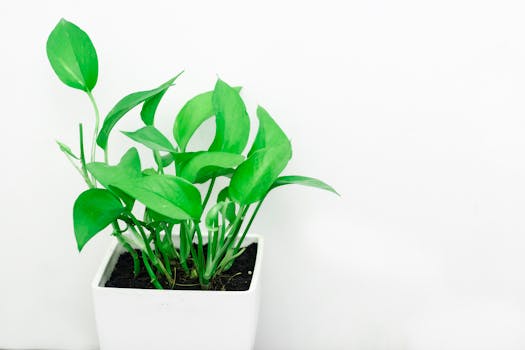
Organic Perlite Horticultural Soil Conditioner
Lightweight volcanic mineral that improves root aeration and prevents compaction.
Why the aesthetic appeal of painted rocks might attract gardeners who dislike netting
Netting is functional but ugly. It creates a gray haze over your garden beds. It catches debris and looks messy within weeks. For gardeners who treat their yard as an extension of their home, netting clashes with the visual harmony they have worked to create.
Painted rocks offer a decorative alternative. Bright red stones nestled among green leaves add a playful pop of color. They look intentional, almost like garden art. Children enjoy making them. Guests ask about them. The aesthetic appeal of painted rocks might attract gardeners who dislike netting but still want some form of protection. The rocks become part of the garden’s personality rather than an eyesore.
Amazon US Verified
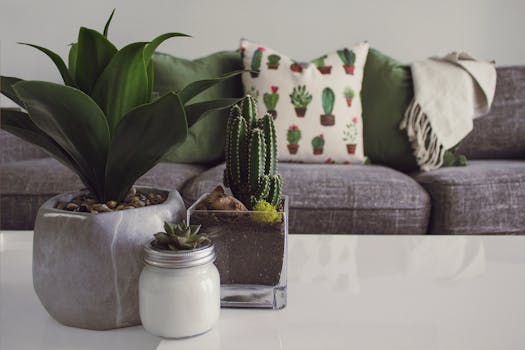
Self-Watering Planters with Drainage Aerators
Elevated reservoir design that prevents soggy roots and ensures steady hydration.
How this trick fits into a broader trend of food-safe, pet-friendly bird deterrents
Gardeners today are moving away from harsh chemicals and lethal traps. The interest in food-safe, pet-friendly deterrents is growing. People want methods that do not poison the soil, harm beneficial insects, or endanger pets and wildlife. The painted rock method fits perfectly into that shift. The article notes it is a fun project even if not fully effective. That honest framing resonates with gardeners who value experimentation over guaranteed results.
You may also enjoy reading: Surprising Home Exterior Value Killers.
Other gentle deterrents include reflective tape, wind chimes, and decoy predators like plastic owls. Some gardeners plant sacrificial crops to distract birds. Others use row covers that let in light and water but block beaks. The common thread is a desire to coexist rather than dominate. Painted rocks are just one more tool in that growing toolkit.
What to consider if birds in your area learn to ignore decoys over time
Birds are adaptable. A flock that encounters fake strawberries and finds them inedible may move on. But if food is scarce or your patch is the only reliable source, they may return and test the rocks again. Others claim the method is a temporary solution because birds eventually figure out the trick. This is the most common criticism of the hack.
If you notice birds pecking your real berries after a few weeks of using decoys, you have options. Move the painted rocks to new positions. Add a few more. Combine them with another gentle method like reflective spinners or a netted frame over just the ripest plants. Rotating your deterrents keeps birds guessing. No single trick works forever, but a layered approach extends your window of protection considerably.
What if birds eventually figure out the painted rocks aren’t real berries?
Some birds catch on after a few days. Others never seem to learn. If your local birds are persistent, refresh the decoys by washing off dirt and reapplying paint. A clean, bright rock looks more convincing than a faded, muddy one. You can also increase the number of decoys so real berries are harder to find among the fakes.
How do I ensure the paint on the rocks is weather-resistant and non-toxic?
Use outdoor acrylic or multi-surface paint labeled non-toxic. Most children’s craft paints are non-toxic and safe for gardens. Seal the painted rocks with a clear, outdoor-safe acrylic sealer to prevent peeling. Avoid spray paints that contain heavy metals or solvents. If you are unsure, look for paints marked ASTM D-4236, which means they have been evaluated for safety.
Why does the decoy method seem to work better for some gardeners than for others?
The local bird population matters. Species like robins and starlings are more persistent and intelligent. House sparrows and finches are easier to fool. Garden layout also plays a role. A small, dense patch with many decoys works better than a sprawling bed with only a few painted stones. Timing matters too: placing rocks before berries ripen gives birds time to learn that the rocks are not food before the real fruit appears.
Frequently Asked Questions
Do painted rocks work for all types of fruit or only strawberries?
The method works best for red fruits like strawberries, tomatoes, and raspberries because birds associate red with ripeness. You could adapt the idea for blueberries by painting rocks blue or for cherries by using dark red stones. The principle remains the same: a convincing decoy that birds peck once and reject. Success depends on how closely the painted rock matches the real fruit in size, shape, and color.
Will rain wash the paint off my decoy rocks?
Standard acrylic craft paint can fade or peel after repeated rain and sun exposure. To extend the life of your decoys, apply a clear outdoor sealer after the paint dries. A matte finish looks more natural than a glossy one. Even without sealing, most painted rocks last at least one growing season. If they fade, simply repaint them. The materials are cheap and the process takes only minutes.
Is this bird proof strawberries diy safe to do with young children?
Yes, this is a safe and engaging project for children over three years old. Use non-toxic, washable craft paint and supervise younger kids to prevent paint ingestion. Children enjoy hunting for smooth stones and painting them to look like fruit. The project teaches patience, observation, and a gentle approach to pest management. Just remind children that the painted rocks are for the garden, not for throwing or eating.
As an Amazon Associate, azuloz.com earns from qualifying purchases.