Your yard should be more than just grass and a fence. It should feel like a retreat, a place where the noise of the day fades into the background. For centuries, Japanese garden designers have known how to create that kind of calm. Their methods rely on restraint, intention, and a deep respect for natural materials. You do not need a massive budget or a degree in landscape architecture to bring that same tranquility home. Small, thoughtful changes can shift the entire energy of your outdoor space. Here are eleven specific ways to do it.
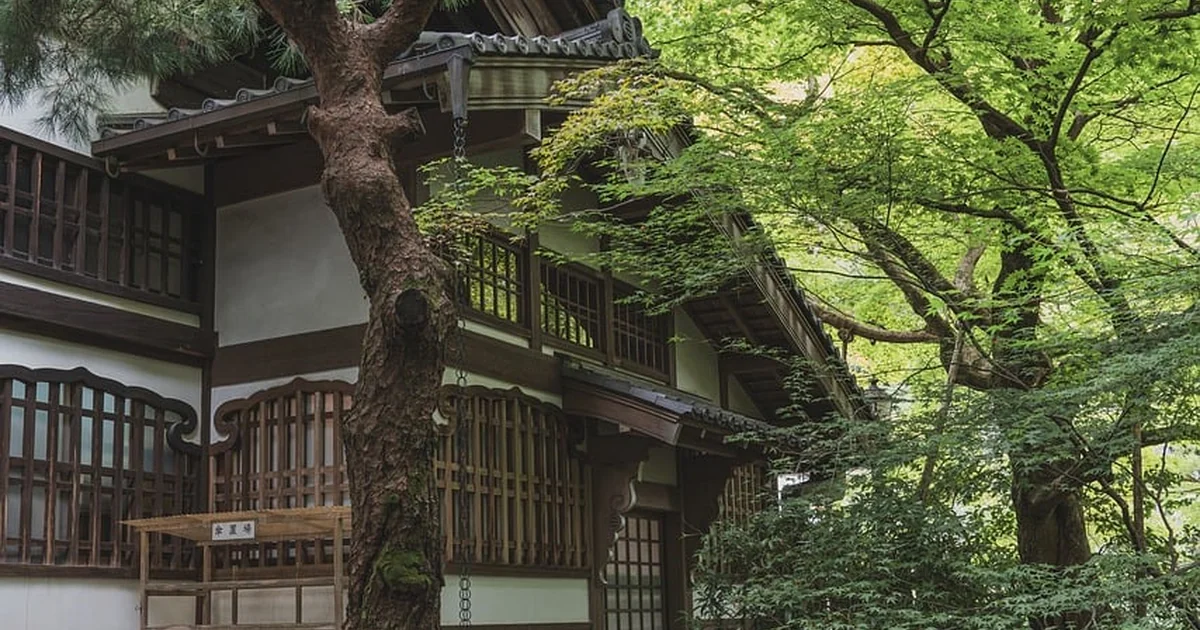
What Is the Core of Zen Garden Aesthetic?
Before you start moving rocks or ordering sand, it helps to understand the philosophy behind the look. The Zen aesthetic is not about filling every empty corner. It is about simplicity, beauty, peace, and oneness with nature. Every element earns its place. Nothing is random.
Japan’s culture has given the world concepts such as wabi-sabi and kintsugi, which have helped many Westerners learn to appreciate the beauty of imperfections. A cracked stone, a weathered piece of wood, an asymmetrical branch — these are not flaws. They are features. A Zen garden invites you to slow down and notice the small details. That shift in attention is where the peace begins.
Zen-inspired garden design ideas are performing a real service for outdoor living areas. They turn a plain yard into a space that feels intentional. The ideas that follow build on this foundation. Each one adds a layer of calm without adding clutter.
How Can Raked Sand Create a Meditative Experience?
Karenagare (Raked Sand)
Raked sand, known as karenagare, is the popular poster child of Zen gardens. Those miniature desktop sand trays that appeared in offices during the 1990s introduced millions of people to the concept. The full-scale version is far more powerful. A broad bed of sand or gravel, raked into precise patterns, becomes a visual anchor for the entire yard.
White sand is traditional, but gravel works well as a low-fuss landscaping material for xeriscaped spaces. It drains quickly, suppresses weeds, and never needs watering. The surface holds the rake marks cleanly, so your patterns stay crisp until the next wind or rain. Start with a rectangular or square area near a seating spot. Keep the edges defined with stone or timber borders.
Wavelike and Geometric Patterns
The act of raking sand is a moving meditation. Your body falls into a rhythm. The rake moves left, then right. Your breath steadies. The pattern grows under your hands. You can create wavelike lines that suggest water flowing across the surface, or you can rake straight, geometric rows that frame a central stone or shrub.
Wavelike patterns work well around large rocks or tree trunks. The curves draw the eye gently around the obstacle. Geometric lines suit open areas where symmetry matters. Try alternating the two styles in different zones of the same garden. The contrast adds visual interest without breaking the minimalist feel.
What Is Kogetsudai?
Building a Moon-Viewing Platform
At Kyoto’s Silver Palace, there is a perfect cone of sand called Kogetsudai, over 6 feet tall, resembling a full moon reflection on still water. Tourists travel from around the world to see it. You can recreate the concept at home on a smaller scale. The effect is striking: a single, precise cone rising from the flat plane of sand or gravel.
Build your own moon-viewing platform using sand, gravel, or tiny pebbles. Start with a base about three feet in diameter. Shape the material into a cone with a gentle slope on all sides. Pack it firmly so the shape holds. Place it where the morning or evening light will cast a long shadow across the raked surface. The contrast between the soft cone and the sharp lines of the rake patterns creates a focal point that draws the eye and calms the mind.
How Can You Incorporate Water Features Without Actual Water?
Dry Waterfall (Karetaki)
A dry waterfall, or karetaki, creates the illusion of a stream of flowing water using stones, gravel, and sand. It is a contradiction in terms, but it works beautifully. If your yard has a gentle slope, you can arrange large flat stones to mimic the plunge of a cascade. Lay smaller pebbles and gravel below them to suggest the splash zone. Sand can flow outward from the base like a slow-moving river.
Even on level ground, you can stack rocks to create contrasting heights. Arrange them so the tallest stone sits at the back, with progressively shorter stones stepping forward. Then rake sand or gravel around and between them in wavy lines that suggest water moving downhill. The eye reads the arrangement as a waterfall, even though not a drop of real water is present.
Are Plants Important in a Zen Garden?
Pruned Trees and Shrubs
A Zen garden is not as reliant on plants as most Western gardens are. But that does not mean the space should be barren. Pruned trees and shrubs make a statement of symmetry and orderliness. A carefully shaped pine or juniper can anchor an entire corner of the yard. The key is restraint. Let each plant breathe. Do not crowd them together.
You do not need bonsai pots to achieve this look. Trees planted directly in the ground can be pruned to emphasize clean lines and open branches. Remove lower limbs to reveal the trunk. Thin the canopy so light filters through. The goal is a shape that looks natural but clearly deliberate. A flowering cherry tree offers a classic choice, with blossoms that mark the changing seasons.
Moss Gardens
Moss is a quiet, forgiving ground cover that thrives in shade and damp soil. It requires no mowing, no fertilizing, and very little weeding once established. A moss patch under a tree or along a stone path softens the hard edges of the garden. It adds a deep, even green that contrasts with the pale tone of raked sand or gravel.
To encourage moss, keep the area moist and free of leaf litter. You can transplant small moss plugs from a nursery or spread a slurry of blended moss and buttermilk over bare soil. Be patient. Moss grows slowly, but the result is a carpet that feels ancient and peaceful.
What Do Zen Bridges Symbolize?
Zen Bridges
A bridge in a Zen garden is never just a way to cross a gap. It symbolizes passages of various types — from inner to outer, man-made to natural, earthly to spiritual, and from temporary to everlasting. Walking over a bridge becomes a small ritual. You leave one state of mind and enter another.
Some Zen bridges are painted red to symbolize sacred transformation. The bright color stands out against the green of plants and the gray of stone. Other bridges are left unfinished, with raw wood that weathers and ages over time. The natural patina that develops is part of the beauty. Choose a style that fits your garden’s mood. A simple wooden arch or a flat slab of stone can serve the same symbolic purpose.
You may also enjoy reading: 5 Tropical Fruit Vegan Ice Cream Recipes.
Adding Living Water with Koi
Koi Pond
Koi fish are captivating and relaxing to watch. Their bright orange, white, and black forms glide through the water with a slow, deliberate grace. Unlike goldfish, koi require a pond with proper depth, filtration, and aeration. The setup demands attention and upkeep. Water testing, seasonal cleaning, and predator protection are all part of the commitment.
But a well-built koi pond becomes the showstopping centerpiece of a Zen garden. The sound of moving water from a small pump or waterfall adds another layer of calm. Start by researching pond construction and the many varieties of koi. Plan for a depth of at least three feet so the fish can survive winter temperatures. Place the pond where you can see it from a seating area or a window. The daily ritual of feeding and watching the fish becomes its own form of meditation.
Lighting the Garden Path
Stone Lanterns
Stone lanterns, known as toro, have been part of Japanese gardens for centuries. They provide soft, warm light that extends the garden’s usable hours into the evening. The traditional forms include the pedestal style with a roof-like cap and the shorter, squat lantern often placed near water. Even unlit, a stone lantern serves as a sculptural element that anchors a corner or marks a turn in a path.
Place a lantern near the entrance to the garden, at the edge of a sand bed, or beside a bench. The light it casts should be gentle, not harsh. Use a low-wattage bulb or a candle if the design allows. The flicker of real flame adds an element of impermanence that fits the Zen philosophy.
Creating Journey with Pathways
Stepping Stone Paths
A stepping stone path forces you to slow down. You cannot walk it at the same pace as a paved sidewalk. Each step requires a small decision about where to place your foot. That deliberate pace shifts your attention to the ground, the texture of the stones, and the space between them.
Use flat, irregular stones set into gravel or moss. Space them at a natural walking distance, roughly one stride apart. Avoid straight lines. A gentle curve or a zigzag pattern makes the journey feel longer and more contemplative. The path should lead somewhere specific — a bench, a lantern, a view of the dry waterfall.
Incorporating Bamboo Elements
Bamboo Fencing and Water Features
Bamboo adds movement, sound, and texture to a Zen garden. A bamboo fence provides privacy without the heaviness of wood or stone. The hollow stalks clatter softly in the wind, creating a natural soundscape. You can use bamboo as a screen to hide a compost bin or a utility area, or you can build a full fence around the garden perimeter.
A bamboo water feature, such as a shishi-odoshi, adds both sound and motion. The design uses a hollow bamboo tube that fills with water, tips, and then clacks against a stone. The rhythmic clack was originally meant to scare away deer, but in a garden it becomes a gentle, repeating note that marks the passage of time. If a full water feature is too complex, a simple bamboo spout over a basin of water achieves a similar effect with less maintenance.
Frequently Asked Questions
How much maintenance does a Zen garden actually require?
The maintenance depends on the elements you choose. Raked sand or gravel needs re-raking after wind or rain, which takes about ten minutes per session. Pruned trees require seasonal trimming. A koi pond demands weekly water testing and filter cleaning. Moss and bamboo need very little attention once established. Start with low-maintenance elements like gravel and moss, then add higher-care features as you settle into the routine.
Can I create a Zen garden in a small backyard or on a patio?
Yes. Zen gardens scale down beautifully. A small corner of a patio can hold a sand bed, a single rock, and a small shrub. A balcony can accommodate a tray-style sand garden with a miniature rake and a few pebbles. The principles of simplicity and intention apply at any size. Focus on one or two elements rather than trying to fit everything into a tight space.
What is the difference between a Zen garden and a Japanese garden?
A Japanese garden is a broad category that includes many styles, such as stroll gardens, tea gardens, and pond gardens. A Zen garden, specifically a karesansui or dry landscape garden, is a subset that uses sand, gravel, and rocks to represent water and islands with minimal plant material. Zen gardens are designed for contemplation rather than walking through. The raked sand and symbolic arrangements are the defining features.
Each of these eleven elements can stand alone or work together. Start with the one that speaks to you most. Rake a patch of sand. Place a single stone lantern. Plant a moss patch under a tree. The peace you are looking for will grow with each small addition.