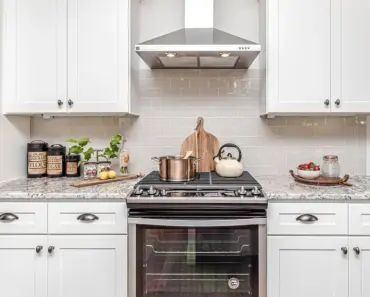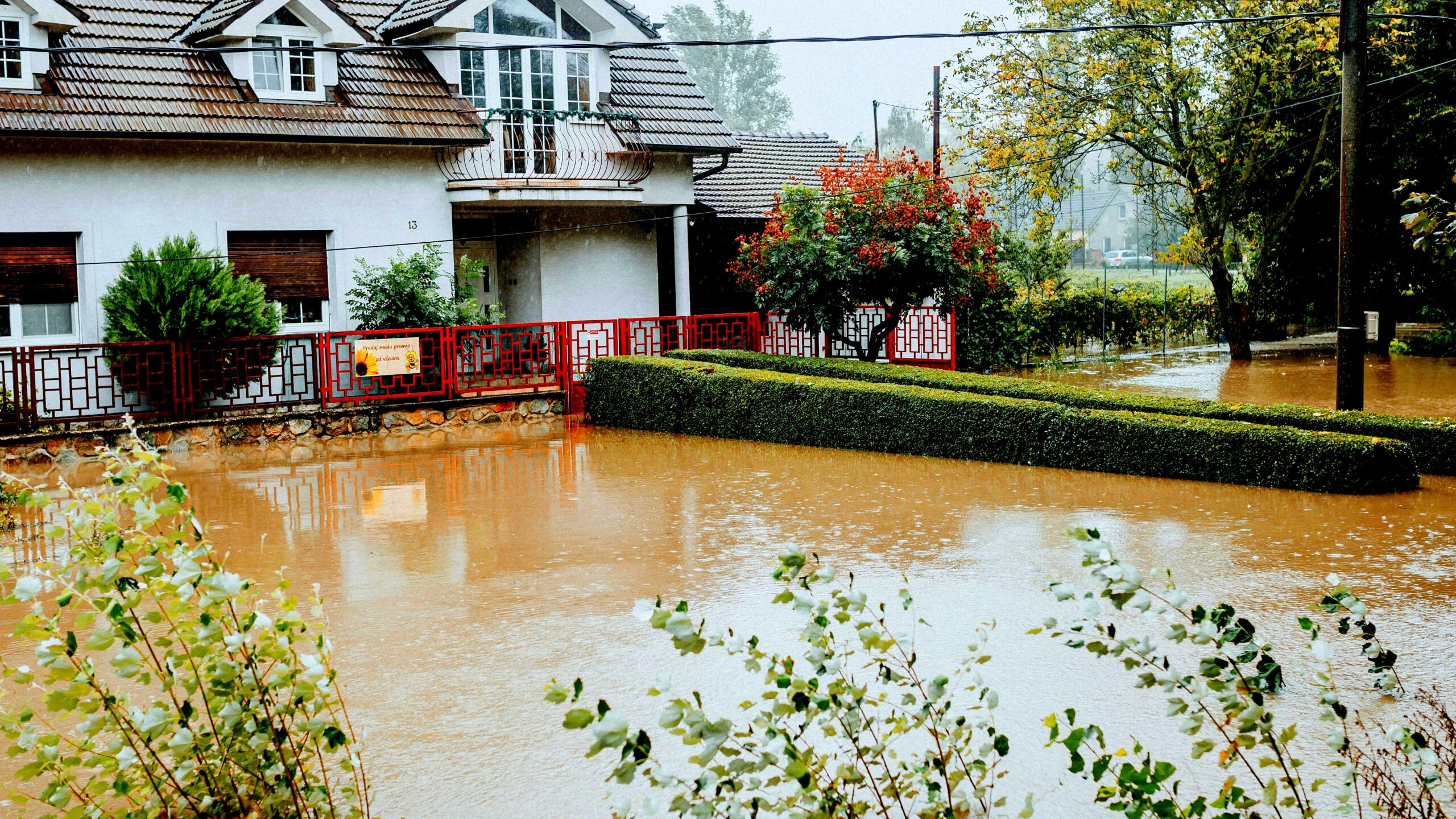
A flooded kitchen can result from faucet gasket wear, dishwasher hose cracks, broken refrigerator water lines, garbage disposal leaks, or frozen pipes. The most common cause is unnoticed appliance leaks, such as from dishwashers, which can warp flooring before detection. A flooded kitchen is a situation where water accumulates on the floor due to leaks from plumbing, appliances, or frozen pipes, causing damage to surfaces and structures.
To effectively manage and prevent this, it’s essential to compare the six primary culprits, which include faucet, dishwasher, refrigerator, garbage disposal, and water cooler leaks, along with frozen pipes. Each source presents unique triggers and prevention strategies, making a systematic comparison a valuable homeowner resource.
Comparison Overview: Six Causes of Kitchen Flooding
To efficiently evaluate your risk, use this quick-reference guide comparing the key attributes of each flood source.
| Cause | Common Location | Detectability | Typical Damage Speed | Primary Prevention |
|---|---|---|---|---|
| Faucet Leaks | Sink area, under counter | High (visible drips) | Slow | Regular inspection of gaskets and sprayer connections |
| Dishwasher Leaks | Under dishwasher, door seal | Low (hidden) | Medium to Slow | Avoid overloading, check door gasket and hoses |
| Refrigerator Water Line Leaks | Behind/under refrigerator | Low to Medium | Fast (if line bursts) | Careful appliance movement, inspect tubing for kinks/cracks |
| Garbage Disposal Leaks | Sink drain connection | Medium | Medium | Secure installation, avoid forcing objects down |
| Water Cooler Leaks | At spout or jug base | Medium | Medium | Regular jug inspection, ensure seals are tight |
| Frozen Pipes | Under sink, exterior walls | Low until burst | Very Fast (when bursting) | Insulate pipes, maintain heat during cold snaps |
This table highlights that some sources, like frozen pipes, can cause rapid damage with little warning. Others, such as dishwasher leaks, operate insidiously over a longer period. Understanding these distinctions helps prioritize checks and maintenance.
Faucet Leaks
Faucet leaks cause flooding through steady drips that worsen over time, often from worn internal components or improper installation. Water damage in kitchens can be caused by sink faucets leaking when gaskets, washers, or O-rings become worn or defective. What begins as a small drip can saturate cabinetry and subflooring, leading to structural damage and mold.
Signs include persistent dripping sounds, water pooling around the faucet base, and dampness under the sink. Tugging at a sink sprayer nozzle during play can loosen connections and cause leaks above or below the counter. To prevent faucet leaks, conduct annual inspections of washers and O-rings, ensure professional installation, and teach household members to use sprayer hoses gently without tugging.
Dishwasher Leaks
Dishwasher leaks are the most common, and often the most damaging, source of kitchen flooding due to their concealed nature. They typically originate from two areas: through the door or from hoses and connections underneath. Dishwashers leaking water through the door can be caused by normal wear, excess soap, overloading, or improper loading, which prevents the door seal from closing properly.
Leaks under the dishwasher may result from cracks in hoses, gasket failure, or loose connections to drainpipes or water source. Early signs include warped floor under a dishwasher, nearby wet spots, or unusual softness along the floor, indicating the dishwasher is leaking. You might also notice mold or a musty odor near the appliance.
To prevent dishwasher leaks, avoid overloading racks, use the recommended amount of detergent, and inspect the door gasket for food debris and cracks. Annually check the supply and drain hoses under the unit for signs of wear, bulging, or brittleness, and consider replacing rubber hoses with braided stainless steel lines.
Refrigerator Water Line Leaks
Refrigerator water line leaks can escalate into a major flood quickly, as a constant supply of pressurized water feeds the leak. Broken refrigerator water lines (copper or plastic) can develop cracks, and gaskets may fail, causing major flooding quickly. The water line is vulnerable to physical damage, especially during routine cleaning or kitchen rearrangements.
Pulling out a refrigerator to clean or pushing it back into place can cause breakage in water tubing. Signs include water pooling under or around the refrigerator, a significant drop in ice production, or water spotting on the floor. A more specific issue involves freezer tubing that might freeze and burst, causing water to accumulate underneath the refrigerator.
To prevent leaks, always inspect the water line for kinks or cracks before moving the fridge, and ensure it has a slight slack to prevent tension. Mats under water and ice dispensers should be removed and dried regularly to prevent moisture retention and floor damage. Consider installing an automatic water shut-off valve on the supply line for added protection.
Garbage Disposal Leaks
Garbage disposal leaks cause flooding from connections that loosen over time or fail under stress. Garbage disposals can leak through connections to the sink, drain, or dishwasher drainpipe. The primary leak points are the mounting assembly that connects the unit to the sink drain, the dishwasher inlet hose, and the discharge pipe to the main drain.
Vibration from regular use can gradually loosen these connections, allowing water to escape during every use cycle. Signs of a leak include water dripping from the underside of the sink cabinet when the disposal is running, a persistent damp smell, or rust forming around the disposal’s lower housing. To prevent garbage disposal leaks, ensure it is properly installed with new plumber’s putty and a tight mounting ring.
Avoid putting hard objects like bones or fruit pits down the disposal, as the resulting jolts can strain connections. Periodically check all connection points for tightness and signs of corrosion.
Water Cooler Leaks
Water cooler leaks, while less common, can quietly soak flooring when the unit’s seals or containers fail. Water cooler leaks can occur when spouts become loose or crack, or from a cracked jug or cracked gasket. Stand-alone water coolers that use jugs are prone to leaks at the point where the jug sits on the cooler, as the gasket that seals this connection can degrade.
The spigot mechanism itself can also wear out from repeated use, leading to a steady drip. Signs include a consistently damp area around the base of the cooler, water dripping from the spigot when not in use, or visible cracks in the water jug. To prevent water cooler leaks, routinely inspect both the jug and the cooler’s seal and gasket for any signs of wear or damage. Ensure the jug is seated properly each time it is changed, and never move a full cooler by dragging it, as this can stress internal tubing.
Frozen Pipes
Frozen pipes present an acute, fast-moving flood risk, typically during cold weather when pipes in uninsulated spaces reach freezing temperatures. As water freezes, it expands, creating immense pressure inside the pipe that can cause a rupture. Often, the pipe will burst not at the ice blockage itself, but at a weakened joint or section downstream from the freeze.
Frozen water in pipes can compromise connections and cause leaks even if pipes do not burst. Signs that pipes are freezing include reduced or no water flow from the kitchen faucet, visible frost on exposed pipes, or strange odors from drains as ice blocks trap sewer gases. Pipes on exterior walls or in unheated cabinets are most vulnerable.
To prevent frozen pipes, insulate all exposed plumbing in crawl spaces, attics, and under sinks. During extreme cold, keep cabinet doors open to allow warm air to circulate around pipes and let a slow trickle of water run from the faucet to keep water moving.
Decision Criteria: How to Identify the Most Likely Cause in Your Kitchen
Identifying the most likely cause of a kitchen flood requires evaluating recent activities, environmental conditions, and the location of water. Start by pinpointing the leak’s origin: water near the sink base often points to faucets, sprayers, or garbage disposals, while water pooling from under an appliance points to the dishwasher or refrigerator. Consider the timing: a sudden flood in the winter strongly suggests frozen pipes, whereas slowly warping laminate near the dishwasher indicates a chronic leak.
Next, assess the age and maintenance history of your fixtures and appliances. Older rubber supply hoses on dishwashers and refrigerators are prime candidates for failure. Also, recall any recent events, such as a kitchen renovation, a moved refrigerator for cleaning, or a child playing with the sink sprayer, which can all trigger leaks. By cross-referencing the leak’s location, your home’s conditions, and recent household activities, you can prioritize your investigation effectively.
Recommendation by Use Case: Which Cause to Check First
Your specific home circumstances dictate which cause to investigate with highest priority. For older homes with original appliances, start with the dishwasher and refrigerator water lines, as their hoses and gaskets are likely degraded. If you have recently completed a kitchen renovation, first inspect all new plumbing connections for faucets and appliances, as installation errors can cause immediate or slow leaks.
During the winter months, especially during a cold snap, frozen pipes are the critical first check, particularly for pipes under sinks on exterior walls. If you are preparing to leave for an extended vacation, it is prudent to shut off the main water supply or at least the supply lines to the dishwasher, refrigerator, and sink to prevent catastrophic flooding from an undiscovered leak. For homes with children, inspect faucet and sink sprayer connections, as playful tugging can loosen them. By tailoring your prevention strategy to your use case, you can focus your efforts where they are most needed.
Conclusion
Preventing a flooded kitchen hinges on understanding and proactively addressing its many potential sources. Regular inspection of appliance hoses, faucet gaskets, and pipe insulation forms the foundation of a sound prevention plan. Recognizing the signs of slow, hidden leaks from dishwashers is as crucial as preparing for sudden bursts from frozen pipes. Consistent, minor maintenance steps taken today can avert the significant disruption and expense of a major kitchen flood tomorrow, preserving your home’s integrity and safety.
FAQ
Q: What is the most common cause of a flooded kitchen?
A: The most common cause is unnoticed appliance leaks, especially from dishwashers. They can drip for weeks under the floor, warping wood and promoting mold before you even see water.
Q: How can I quickly detect a hidden leak in my kitchen?
A: Look for warped flooring, soft spots near appliances, or unexplained musty odors. Check under sinks and behind appliances for moisture, and inspect hoses and connections regularly.
Q: Should I turn off the water supply to my kitchen appliances when I go on vacation?
A: Yes. Turning off the water supply to the dishwasher, refrigerator, and sink can prevent catastrophic flooding from a burst hose or crack while you’re away.