What separates a truly glorious perfume from merely “good” is its ability to transport you – to conjure a vivid memory, a specific emotion, or a complete escape. It’s a fleeting, fragrant journey, and the quest for that perfect, evocative scent is a deeply personal one. It’s a fragrance born from a rich history, a dedication to luxury, and a surprising marriage of seemingly disparate ingredients. But what exactly inspired this captivating scent? And how does it fit into the broader landscape of perfumery? Let’s delve into the aromatic genealogy that shaped this timeless creation, exploring 13 fragrances – both classic and contemporary – that contributed to its distinctive character, and uncovering the artistry behind its success.
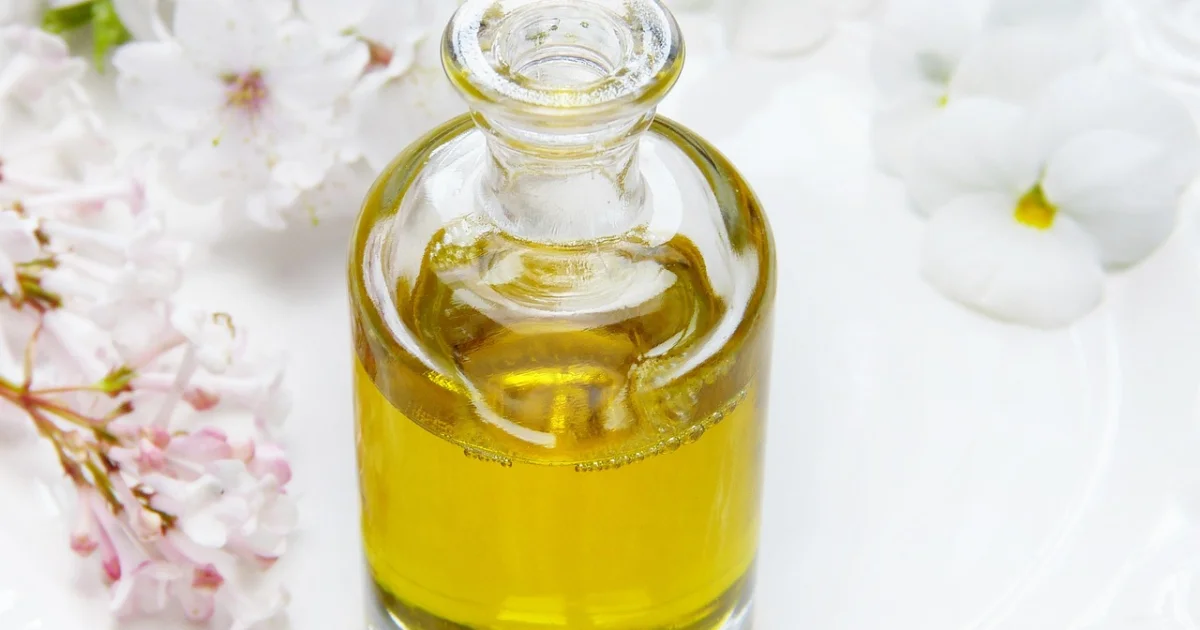
The journey to understanding Eau Parfumée Thé Impérial begins with recognizing its core elements: a bright, invigorating citrus opening, grounded by the sophisticated warmth of musk, and subtly accented by the distinct, grounding notes of Sri Lankan black tea. This isn’t a straightforward citrus fragrance; it’s a carefully constructed composition, a testament to the power of blending seemingly opposing notes. To truly appreciate its inspiration, we need to examine the perfumes that laid the groundwork for its unique DNA. Let’s start with the scents that ignited the initial spark.
1. Guerlain’s Shalimar: The Foundation of Opulence
Guerlain’s Shalimar (1925) is arguably the most significant influence on Eau Parfumée Thé Impérial. This iconic fragrance, created by Jean-Claude Ellena, established a benchmark for luxurious, layered perfumes that seamlessly blend contrasting notes. Just as Bulgari sought to fuse citrus and tea, Shalimar masterfully combined bergamot, vanilla, and opoponax, creating an intoxicating, almost decadent scent. The use of incense – a key component of Shalimar – also subtly informs the depth and complexity of Thé Impérial. The scent’s journey from a simple citrus to a layered, almost smoky complexity is a direct parallel to the evolution of Bulgari’s fragrance. Ellena’s focus on creating a scent that evokes a specific feeling – in this case, a dreamy, exotic escape – foreshadowed Bulgari’s intention with Thé Impérial. The sheer audacity of layering such disparate elements, a technique now commonplace, was pioneered by Shalimar, establishing it as a cornerstone of modern perfumery.
2. Chanel No. 5: The Citrus Classic
Let’s be honest, any discussion about citrus-focused perfumes must acknowledge the monumental impact of Chanel No. 5 (1921). Gabrielle “Coco” Chanel’s revolutionary fragrance, initially designed to smell like nothing, became synonymous with elegance and sophistication. The prominent use of aldehydes – a family of organic compounds that create a sparkling, airy effect – within the citrus notes is a crucial influence on Thé Impérial’s initial burst of freshness. While Bulgari’s fragrance leans heavier on the musk and tea notes, the underlying structure of brightness and vivacity owes a significant debt to Chanel No. 5’s pioneering approach to citrus.
3. Hermès Un Jardin Sur Le Nil: Exploring the Nile’s Essence
Hermès Un Jardin Sur Le Nil (2012), by Jean-Claude Ellena again, is a surprisingly relevant inspiration. This fragrance captures the essence of a garden on the Nile, blending green notes with citrus and a hint of papyrus. The careful layering of aquatic and floral elements, creating a sense of airy freshness, mirrors Bulgari’s intention to evoke the feeling of a sun-drenched Mediterranean landscape. The use of unconventional ingredients – in this case, papyrus – demonstrates a willingness to explore unexpected combinations, a quality that Bulgari’s perfumers clearly embraced when crafting Thé Impérial. The subtle earthiness of the papyrus also foreshadows the grounding effect of the Sri Lankan black tea in the final composition.
4. Dior Miss Dior (2012): A Modern Floral Citrus
The 2012 iteration of Miss Dior, with its prominent citrus notes and delicate floral heart, provides another point of comparison. The fragrance’s bright, youthful energy and its focus on a clean, invigorating opening resonate with Thé Impérial’s initial impression. However, Miss Dior leans more heavily on traditional floral notes, while Thé Impérial maintains a more minimalist approach, allowing the citrus and musk to take center stage. Nevertheless, the fragrance exemplifies the enduring appeal of citrus-forward perfumes and the importance of balancing freshness with a touch of elegance.
5. Jo Malone Lime Basil & Mandarin: A Simplicity of Citrus
Jo Malone’s Lime Basil & Mandarin (2005) is a masterclass in understated elegance. The fragrance’s simple, yet incredibly effective, combination of lime, basil, and mandarin oil showcases the power of carefully selected ingredients. Bulgari’s perfumers likely drew inspiration from this fragrance’s ability to deliver a potent citrus burst with minimal fuss. The fragrance’s focus on natural ingredients and its emphasis on creating a refreshing, uplifting scent aligns perfectly with the brand’s commitment to quality and authenticity.
6. Tom Ford Grey Vetiver: The Musk Connection
While seemingly disparate, Tom Ford Grey Vetiver (2010) offers a crucial connection to Eau Parfumée Thé Impérial’s musk base. This fragrance’s dry, woody vetiver note, combined with a subtle hint of citrus, creates a sophisticated and masculine scent. The depth and longevity of the musk in Grey Vetiver demonstrate the potential of this ingredient to create a grounding, sensual effect, a quality that Bulgari’s perfumers skillfully incorporated into Thé Impérial. The fragrance highlights how musk isn’t just a base note; it’s a defining element, providing warmth and complexity.
7. Byredo Bal d’Afrique: The Exotic Blend
Byredo Bal d’Afrique (2013) provides an example of how to successfully blend exotic ingredients – in this case, Sudanese Black Musk, bergamot, and neroli – to create a captivating scent. The fragrance’s ability to evoke a sense of travel and adventure, combined with its sophisticated blend of notes, influenced Bulgari’s approach to creating a fragrance that transports the wearer to a faraway land. The emphasis on layering contrasting elements – a technique central to Thé Impérial’s success – demonstrates the importance of experimentation and innovation in perfumery.
8. Acqua di Parma Colonia: Italian Citrus Tradition
A cornerstone of Italian perfumery, Acqua di Parma Colonia (1794) represents a long tradition of citrus-focused fragrances. Its bright, refreshing scent, achieved through the careful use of Sicilian lemons and bergamot, established a benchmark for quality and craftsmanship. Bulgari’s homage to Italian heritage, evident in the inclusion of Sri Lankan black tea, aligns with the enduring appeal of Italian citrus perfumes.
You may also enjoy reading: "13 Must-Have Black Capri Pants for a Chic Spring and Summer Wardrobe".
9. Le Labo Santal 33: Earthy Depth
The unique combination of sandalwood, cedarwood, and leather in Le Labo Santal 33 (2012) offers a contrasting element that subtly informs Thé Impérial’s dry-down. The fragrance’s earthy depth and its ability to evoke a sense of rugged masculinity demonstrate the potential of combining seemingly disparate notes to create a complex and intriguing scent. The fragrance’s layered structure, evolving over time, mirrors the gradual transformation of Thé Impérial from a vibrant citrus burst to a warm, musky embrace.
10. Nishane Guilty: The Dark Citrus
Nishane Guilty (2017) stands out for its darker take on citrus – a blend of blackcurrant, pink peppercorn, and sandalwood. This fragrance’s boldness and its willingness to experiment with unexpected combinations influenced Bulgari’s perfumers to push the boundaries of traditional citrus scents. The fragrance’s use of blackcurrant, a fruit often associated with sophistication and elegance, foreshadows the refined character of Thé Impérial.
11. Creed Aventus: The Modern Powerhouse
While undeniably a polarizing fragrance, Creed Aventus (2010) showcases the power of layering smoky and fruity notes. The fragrance’s blend of pineapple, blackcurrant, and birch tar creates a complex and assertive scent that resonates with the modern consumer. Bulgari’s approach to combining citrus and tea, while more subtle, shares a similar ambition – to create a fragrance that is both instantly appealing and surprisingly complex.
12. Serge Lutens Chergui: The Unexpected Warmth
Serge Lutens Chergui (1997) is a particularly intriguing influence. This fragrance, featuring amber, honey, and incense, demonstrates the potential of layering unconventional ingredients to create a surprising and captivating scent. The fragrance’s warmth and its ability to evoke a sense of exotic mystery align with the sophisticated allure of Thé Impérial. The subtle inclusion of honey, a note often associated with luxury and indulgence, foreshadows the fragrance’s opulent character.
13. Atelier Cologne Orange Sanguine: The Radiant Citrus
Atelier Cologne Orange Sanguine (2017) exemplifies the modern trend of “travel-sized” citrus fragrances – highly concentrated and intensely aromatic. The fragrance’s radiant, almost luminous, citrus burst provides a valuable counterpoint to the more grounded character of Thé Impérial. The fragrance’s focus on natural ingredients and its emphasis on creating a bright, uplifting scent reinforces Bulgari’s commitment to quality and authenticity.
Ultimately, Bulgari’s Eau Parfumée Thé Impérial isn’t simply a collection of individual notes; it’s the culmination of a thoughtful and deliberate process – a deliberate exploration of scent history and a willingness to embrace unexpected combinations. By drawing inspiration from a diverse range of fragrances, from the opulent layers of Shalimar to the understated elegance of Lime Basil & Mandarin, Bulgari has created a scent that is both timeless and contemporary, a fragrant journey that captures the essence of the Mediterranean – and, perhaps, a little bit of a luxurious hotel lobby.