Most gardeners focus on what a plant looks like — the color of its petals, the shape of its leaves, the height of its stems. But a garden that only pleases the eye misses half the experience. Fragrance adds an invisible layer of beauty, one that shifts and changes as the day progresses. This approach, sometimes called scentscaping, turns a simple yard into a living perfume that follows your daily rhythm.
Why Fragrance Timing Matters in Your Garden
Every plant operates on its own internal clock. Flowers do not release their scent randomly. They open and emit fragrance at specific hours to attract the pollinators that are active at that time. Morning-blooming plants produce light, citrusy, or sweet terpenes to draw in early bees. Night-blooming flowers save their heavy, musky oils for moths and bats that navigate by moonlight.
This biological timing matters for humans too. If you only sit in your garden after dinner, planting a morning-centric jasmine that fades by noon is a missed opportunity. You want blooms that peak when you are present. Understanding this rhythm lets you place plants where their strongest scent aligns with your favorite moments — coffee on the patio, a lunch break in the sun, or a glass of wine at dusk.
The chemistry of these scents also affects how we feel. Cool morning air holds onto delicate, uplifting molecules that can sharpen focus and boost energy. Afternoon heat draws out the resinous oils of plants like lavender and rosemary, which studies have shown can lower cortisol levels and promote calm. By choosing fragrant plants by time of day, you are essentially curating your own mood enhancers.
Morning Fragrant Plants: Crisp, Dewy, and Energizing
Morning is the time for scents that feel fresh and awakening. The air is still cool, and the sun is gentle. Fragrance molecules in morning blooms tend to be lighter and more volatile. They lift easily on the slightest breeze and do not hang heavy. These are the plants to place near your back door, your breakfast nook window, or a bench where you drink your first cup of tea.
1. Sweet Alyssum (Lobularia maritima)
Sweet alyssum is a low-growing annual that produces tiny clusters of white, pink, or purple flowers. Its scent is honey-like with a hint of fresh hay. What makes it ideal for morning is its habit of releasing fragrance most strongly in the first few hours after sunrise. By afternoon, the scent fades almost entirely.
Plant sweet alyssum along the edge of a path or in a window box near the kitchen door. As you step outside to grab the paper, the fragrance rises to meet you. It is also a favorite of hoverflies and small beneficial insects, so it helps your garden in more ways than one. In USDA zones 7 through 11, it can bloom from spring until the first frost if trimmed back occasionally.
2. Gardenia (Gardenia jasminoides)
Gardenia is famous for its creamy white blossoms and intoxicating scent. But many gardeners do not realize that gardenia releases its strongest fragrance in the early morning hours. The flowers open before dawn, and the scent peaks around sunrise. By late afternoon, the perfume becomes faint.
Place gardenia in a pot near a seating area where you enjoy morning sunlight. It thrives in partial shade and acidic soil. In cooler climates, grow it in a container so you can bring it indoors during winter. The glossy green leaves look beautiful even when the plant is not blooming. Water it consistently — gardenia is sensitive to drought and will drop buds if stressed.
Amazon US Verified
Self-Watering Planters with Drainage Aerators
Elevated reservoir design that prevents soggy roots and ensures steady hydration.
3. Mock Orange (Philadelphus coronarius)
Mock orange is a deciduous shrub that produces masses of white, four-petaled flowers. Its scent is reminiscent of orange blossoms and jasmine, and it is one of the most powerful morning fragrances in the garden. The flowers open at dawn and release their scent in waves as the temperature rises through the morning.
This shrub can grow six to ten feet tall, so it works well as a backdrop or a hedge near a morning seating area. It is hardy in zones 4 through 8 and requires little maintenance beyond occasional pruning after flowering. The scent carries surprisingly far in still air, so you do not need to plant it right under your nose.
Afternoon Fragrant Plants: Warm, Resinous, and Grounding
As the sun climbs higher, the air warms and dries. Light floral notes evaporate quickly. This is the time for plants that release their fragrance in response to heat. These scents tend to be more herbal, woody, or spicy. They have a grounding effect and can help you feel centered during the busiest part of your day.
4. Lavender (Lavandula angustifolia)
Lavender is the classic afternoon scent. Its essential oils are released by heat. On a hot summer afternoon, a lavender hedge can fill an entire yard with its calming aroma. The flowers contain linalool and linalyl acetate, compounds that have been shown in multiple studies to reduce anxiety and improve sleep quality.
Plant lavender in full sun and well-drained soil. It thrives in zones 5 through 9. English lavender is the most fragrant variety for culinary and aromatic use. French lavender has a more camphor-like scent that some people find less pleasant. Trim the plants after flowering to keep them compact and encourage a second bloom.
Lavender is also a magnet for bees and butterflies. Place it near a seating area where you relax after lunch. The scent will build as the afternoon warms, reaching its peak around three or four o’clock. This makes it one of the most reliable fragrant plants by time for afternoon enjoyment.
5. Rosemary (Salvia rosmarinus)
Rosemary is another heat-activated plant. Its piney, resinous scent becomes stronger as the temperature rises. Unlike lavender, which is floral, rosemary offers a more earthy, culinary fragrance. It is excellent for planting near a grill or outdoor kitchen, where you can brush against it while cooking.
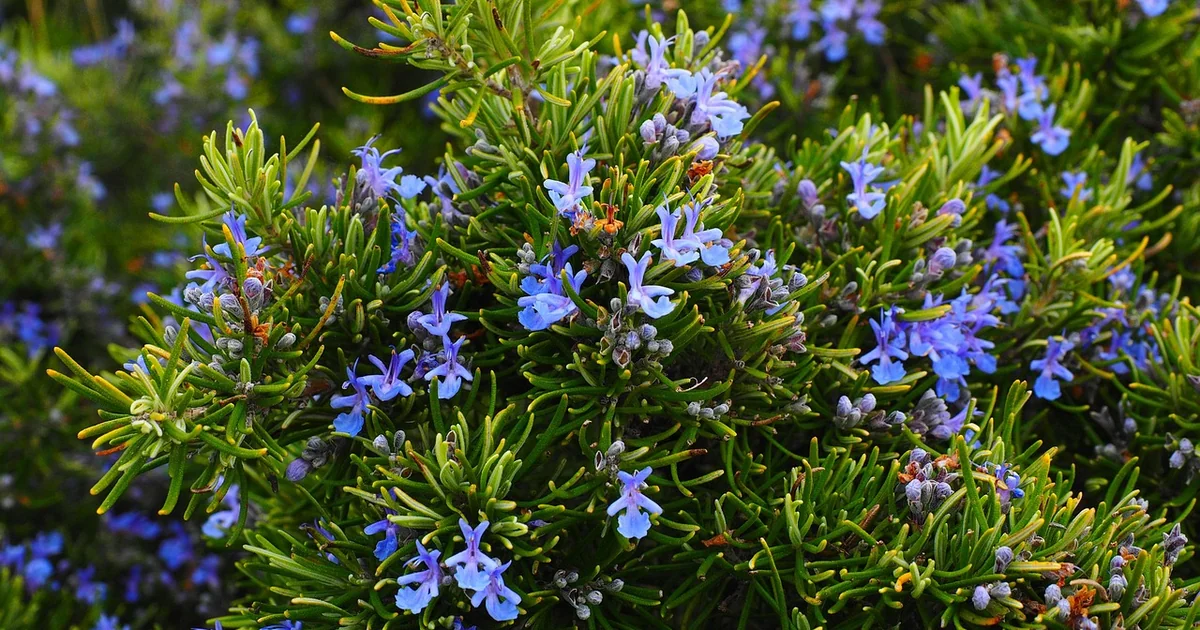
Rosemary is a perennial in zones 7 through 10. In colder climates, grow it in a pot and bring it indoors for winter. The plant produces small blue flowers in late spring and early summer, but the leaves are the source of its fragrance. Crush a few needles between your fingers, and the scent lingers for hours.
The scent of rosemary has been linked to improved memory and concentration. Some studies suggest that simply being in the presence of rosemary can increase alertness. This makes it a good choice for a home office window box or a path you walk on your way to your car.
Evening Fragrant Plants: Heavy, Sweet, and Romantic
As the sun sets and the air cools, a different class of flowers awakens. These are the night-bloomers. They save their fragrance for the evening hours when moths and nocturnal pollinators are active. Their scents are often heavier, sweeter, and more intoxicating than daytime blooms. They are perfect for patios, decks, and garden benches where you unwind after work.
6. Night-Blooming Jasmine (Cestrum nocturnum)
Night-blooming jasmine is not a true jasmine, but its fragrance is legendary. The small, tubular greenish-yellow flowers open at dusk and release a scent so powerful it can be detected from fifty feet away. The fragrance is sweet, heady, and almost tropical. It fills the evening air and creates a sense of calm.
This plant is a fast-growing shrub that can reach ten feet tall in warm climates. It is hardy in zones 8 through 11. In cooler areas, grow it in a large container and move it indoors before frost. Be aware that some people find the scent too strong for small enclosed spaces. Plant it where the breeze can carry the fragrance but not overwhelm a sitting area.
Night-blooming jasmine flowers in cycles throughout the warm months. Each flush of bloom lasts about a week. The scent is strongest on still, humid evenings. If you live in a dry climate, the fragrance may be less intense.
7. Moonflower (Ipomoea alba)
Moonflower is a vine that produces large, white, trumpet-shaped flowers that open at night. The blooms unfurl in the evening and release a sweet, lemony fragrance. Each flower lasts only one night, but the vine produces new buds continuously through the summer.
Moonflower is a relative of morning glory, but it blooms at the opposite end of the day. It grows quickly and can cover a trellis or fence in a single season. Plant it near a patio or deck where you can watch the flowers open as the light fades. The sight of the white blossoms glowing in the twilight, combined with their scent, creates a magical evening atmosphere.
Moonflower is an annual in most climates. It self-seeds readily, so once you plant it, you may find volunteers coming up the following year. It prefers full sun and moderate water. The vines can reach fifteen feet, so give them something sturdy to climb.
How to Arrange Fragrant Plants by Time of Day in Your Garden
Knowing which plants to choose is only half the work. The real art lies in arranging them so their peak times align with your daily routines. Here is a practical approach to designing your scentscape.
Start by mapping your day. Where do you spend the most time outdoors? If you have a morning coffee ritual on the front porch, plant sweet alyssum and gardenia there. If you eat lunch on a back patio, place lavender and rosemary nearby. If you enjoy evenings on a deck, put night-blooming jasmine and moonflower in containers that you can move close to your seating area.
Consider the direction of the wind. Fragrance travels on air currents. If the prevailing wind in your yard comes from the west, place your morning plants on the east side so the breeze carries their scent toward you in the early hours. For evening plants, position them upwind of your patio so the scent drifts toward you as you sit.
You may also enjoy reading: 7 Ways to Refurbish a Dresser & Give It New Life.
Use containers for flexibility. Potted plants can be moved as the seasons change and as your routines shift. A pot of lavender can sit near the grill in summer and be moved to a sunny window in winter. A moonflower in a large container can be wheeled onto the deck for a dinner party and then moved back to the garden the next day.
Layer your plantings. Tall shrubs like mock orange and night-blooming jasmine create a backdrop. Medium-height plants like lavender and rosemary form the middle layer. Low-growing sweet alyssum and ground covers fill the front. This creates a vertical scent experience that changes as you walk through the garden.
Environmental Factors That Affect Fragrance Release
Even the most carefully chosen plants will not perform well if the conditions are wrong. Temperature, humidity, and airflow all play a role in how fragrance behaves.
On cool mornings, scent molecules are less volatile. They stay close to the flower and do not travel far. This is why morning fragrances often feel intimate and subtle. On hot afternoons, heat drives oils out of the plant tissues, creating a stronger but shorter-lived burst of scent. On humid evenings, moisture in the air traps scent molecules, allowing them to linger for hours.
Amazon US Verified
Digital 3-in-1 Soil Moisture & pH Meter
Accurate probe to test deep root zone moisture and prevent accidental overwatering.
Airflow is critical. In still air, fragrance pools in one spot. In a strong breeze, it disperses quickly. The ideal situation is a light, gentle breeze that carries scent across a space without diluting it. Plant your fragrant flowers in spots where the wind is moderated by fences, hedges, or buildings.
Soil quality also matters. Plants that are stressed by poor soil, drought, or nutrient deficiencies produce fewer essential oils. Give your fragrant plants rich, well-draining soil and consistent water. Healthy plants are more fragrant plants.
Common Mistakes When Choosing Fragrant Plants by Time
Many gardeners make the same errors when trying to design a scented garden. Here are the most frequent pitfalls and how to avoid them.
Mistake 1: Planting only one type of fragrant flower. A single plant, no matter how beautiful, can only provide fragrance at one time of day. To enjoy scent from morning to night, you need a mix of morning, afternoon, and evening bloomers. This is the core idea behind choosing fragrant plants by time of day.
Mistake 2: Placing fragrant plants too far from where you sit. Fragrance dissipates quickly over distance. A lavender bush at the far end of the yard might as well not exist if you never walk past it. Place your most fragrant plants within ten feet of your seating areas, pathways, and entryways.
Mistake 3: Ignoring the power of foliage. Not all fragrance comes from flowers. Rosemary, lavender, and many herbs release scent from their leaves when brushed or crushed. Plant these along paths where you will brush against them as you walk. The scent will follow you indoors.
Mistake 4: Overlooking microclimates. Your yard has pockets that are warmer, cooler, windier, or more sheltered than others. A south-facing wall holds heat and can extend the blooming season for afternoon plants. A shaded corner may stay cool enough for morning plants to thrive into midday. Map your microclimates and match plants to them.
Frequently Asked Questions About Fragrant Plants by Time of Day
Can I grow fragrant plants in containers to control their timing?
Yes, containers offer excellent flexibility. You can move pots to follow the sun or to bring fragrance closer to your seating area. Just ensure the container has drainage holes and use high-quality potting soil. Container plants may need more frequent watering than garden plants.
Amazon US Verified
Organic Perlite Horticultural Soil Conditioner
Lightweight volcanic mineral that improves root aeration and prevents compaction.
How do I know what time of day a plant releases its fragrance?
Observation is the best teacher. Spend a few minutes near the plant at different hours. Smell the flowers in the morning, at midday, and in the evening. You can also look up the plant’s pollination strategy — plants pollinated by bees tend to be fragrant in the morning, while moth-pollinated plants are fragrant at night.
Do all fragrant plants need full sun?
No, but most do. Fragrance production requires energy from photosynthesis. Plants in shade often produce fewer essential oils and weaker scents. That said, some plants like gardenia and sweet alyssum tolerate partial shade and still produce good fragrance. Check the specific needs of each plant.
Can I combine morning and evening plants in the same bed?
Absolutely. In fact, this is the goal of scentscaping. Plant morning bloomers on the east side of a bed and evening bloomers on the west side. As the sun moves across the sky, different plants take center stage. This creates a natural progression of fragrance throughout the day.
What is the best way to preserve cut flowers from fragrant plants?
Cut flowers in the early morning when their scent is strongest. Place them immediately in cool water. Change the water daily and trim the stems every two days. Some flowers, like lavender and rosemary, can be dried and used in sachets or potpourri to extend their fragrance indoors.
Creating a Personal Fragrance Schedule
The most rewarding part of scentscaping is tailoring it to your life. You are not designing for a botanical garden or a hotel lobby. You are designing for your own mornings, afternoons, and evenings. Start small. Pick two or three plants that match your daily routines. Plant them where you will encounter them most. See how it changes your experience of your yard.
Over time, you will learn which scents lift your mood and which ones relax you. You will notice how the fragrance shifts with the weather and the seasons. Your garden will become more than a collection of plants. It will become a living calendar of scent, a quiet companion that marks the passage of your days.
By choosing fragrant plants by time of day, you turn a passive space into an active participant in your wellbeing. The morning alyssum greets you with honey. The afternoon lavender wraps you in calm. The evening jasmine whispers goodnight. That is the power of a garden designed for all the senses.
As an Amazon Associate, azuloz.com earns from qualifying purchases.