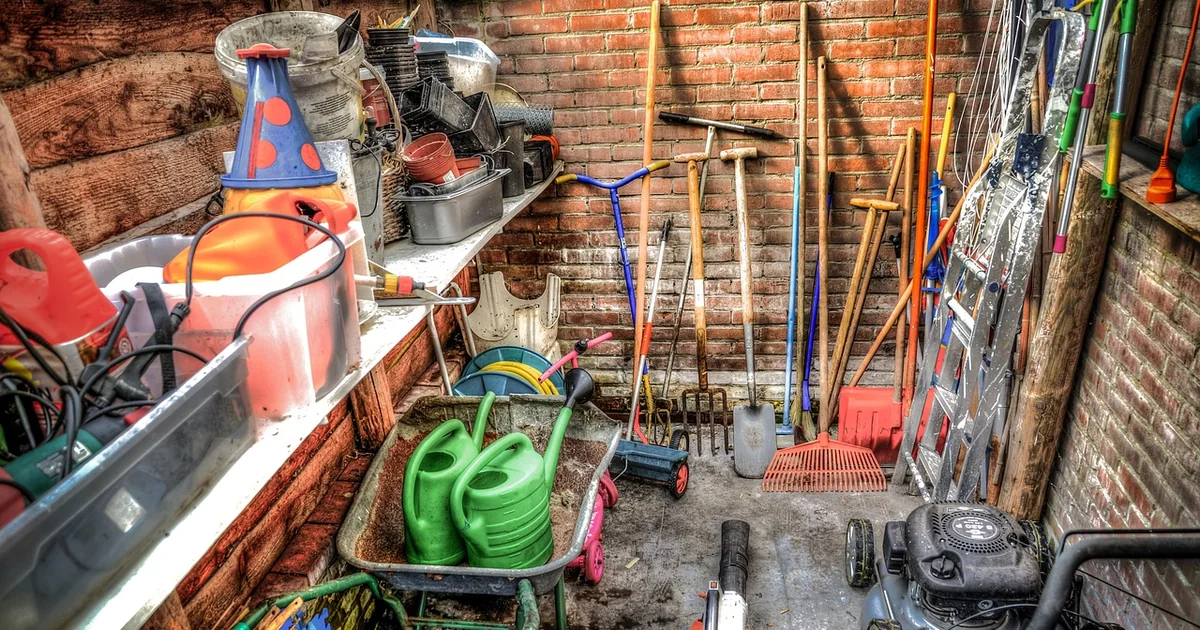
Over half of Americans say their garage is the most cluttered spot in the house, according to a Craftsman survey. But a simple, clever DIY using a thrifted filing cabinet can transform your garden tool storage in under an hour. TikToker @practical_diy repurposed a rusty old filing cabinet by removing both drawers, painting the exterior, attaching cedar strips to one side, and adding small hooks — proving that garage organization doesn’t have to be expensive or complicated.
1. The Filing Cabinet Makeover: A Step-by-Step Guide
A metal filing cabinet from a thrift shop or liquidation store can become a sturdy garden tool organizer in under an hour, excluding paint drying time. Start by removing filing cabinet drawers safely—pull each drawer out fully, then lift the front slightly to disengage the slides. Check whether the cabinet needs to be emptied of any residual drawer slides or hardware; a simple tug usually clears them. Once bare, give the metal frame a light sanding for better adhesion.
For the painting process, use heavy-duty acrylic paint that can withstand fluctuating temperatures in an unheated garage. Turn the painted cabinet so that drawer openings face up—this clever orientation lets you store tool handles inside, keeping long rakes and shovels upright. Next, cut thin cedar strips to cover the long front side and attach them with hot glue or Liquid Nails. Finally, mount a metal hook rack (like the Better Homes & Gardens 18 in. Wall Mounted Metal Hook Rack) with small screws onto the cedar. These DIY project steps take less than an hour of active work, giving you a budget-friendly, vertical solution for your garden tool storage.
2. Safety First: Preventing Tipping and Handling Sharp Edges
Before you start storing tools, ensure your repurposed cabinet is stable and safe, especially on a sloped garage floor. If you are using an old filing cabinet or similar unit, check that all residual drawer slides and sharp hardware have been removed. These leftover pieces can easily catch clothing or skin when you are reaching for your garden tool storage. Use a simple sharp edge protection solution, such as covering exposed metal with duct tape or sanding down rough spots, before loading the cabinet with heavy tools.
Securing the cabinet to the wall is a crucial step for garage safety. An anti-tip device or a simple L-bracket anchored into a stud will prevent the unit from falling forward, especially if it becomes top-heavy with long-handled rakes and shovels. On a sloped garage floor, cabinet stability becomes even more important. You may need to adjust the feet or add a shim to keep the cabinet level and balanced. Always consider weight limits—a lightweight filing cabinet may not be suited for dense, heavy tools like sledgehammers or bags of soil. Distribute weight evenly and place heavier items at the bottom to maintain a safe, sturdy garden tool storage setup.
3. Customize Your Cabinet: Wood Alternatives, Mobility, and Hiding a Trashcan
Cedar isn’t your only option, and with a few additions, your cabinet can become a mobile tool station or even disguise a trashcan. When it comes to wood alternatives, you have plenty of practical choices. Other types of wood, like pine or plywood, can work just as well and often cost less. You might also consider plastic or metal for a more durable, low-maintenance finish that resists moisture. If you want to make your setup more versatile, think about adding mobility. One commenter suggested attaching caster wheels and a handle for easier movement. Simply screw caster wheels for cabinet into the base, and add a sturdy handle to one side. This turns your cabinet into a mobile tool station you can roll around the yard as you work. A simple DIY cost estimate for wheels and a handle is budget-friendly and saves your back.
Amazon US Verified
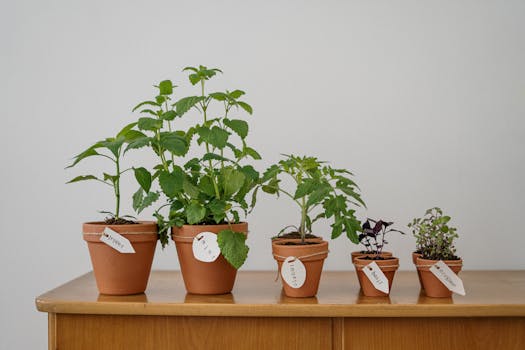
Digital 3-in-1 Soil Moisture & pH Meter
Accurate probe to test deep root zone moisture and prevent accidental overwatering.
Another clever idea is to disguise a small trashcan inside the cabinet. A commenter recommended using the cabinet to hide a trashcan for quick cleanup while gardening. Just place a small bin inside, and you can toss clippings and debris without walking back to the house. This keeps your garden tool storage both tidy and functional. With these customizations, your cabinet becomes a welcoming, hardworking part of your space.
4. Organizing Tools Like a Pro: Long-Handled vs. Hand Tools
Maximize your filing cabinet’s potential by strategically placing long-handled tools inside the drawer openings and hand tools on the hook rails. This approach transforms your garden tool storage by keeping bulky items upright and small tools within easy reach. For long-handled tool storage, slide shovels, rakes, and hoes into the empty drawer cavities so their handles rest on the floor while the heads stay suspended. This shovel rake storage method prevents tangling and makes grabbing a tool simple. For hand tool organization, use the hook rail arrangement to hang pruners, trowels, and cultivators. Hang each tool by its handle or loop, spacing hooks evenly so you can see every option at a glance. The hook rail arrangement works best when you group similar tools together, such as all digging tools on one section and pruning tools on another. Beyond garden implements, this multi-purpose tool cabinet can store workshop items like hammers, screwdrivers, or even children’s outdoor toys. By separating long and short tools, you create a tidy system that saves time and reduces clutter. This practical method ensures every item has a dedicated spot, making your garden tool storage efficient and easy to maintain.
5. Paint Tips, Drying Times, and When to Skip Painting
Not every cabinet needs a coat of paint, but if you choose to paint, knowing the right product and drying time is crucial for a lasting finish. For a metal cabinet in your garden tool storage area, always select a heavy-duty acrylic product that can withstand fluctuating garage temperatures. To achieve an even application, apply thin coats with a high-quality brush or roller, working in one direction to avoid streaks. Allow each coat to dry fully before adding the next. Speeding up drying time is simple: ensure the garage is well-ventilated and maintain a moderate temperature. If it is cool or humid, consider using a fan or a small space heater to circulate warm, dry air. Remember, rushing the process can lead to drips or a tacky finish, so patience pays off.
That said, it is perfectly okay to skip painting the cabinet altogether. If the existing finish is still functional and not rusted, a thorough cleaning and a quick wipe-down with a degreaser may be all you need. A no-paint option saves time and keeps your workspace chemical-free, which is especially handy for garden tool storage. Plus, while you are tidying up, consider getting rid of old paint cans and leftover wood scraps cluttering your garage. Clearing out these items not only makes the space look neater but also frees up room for what matters—your tools. Whether you paint or not, a clean, organized cabinet supports efficient garden tool storage and a more welcoming garage.
Frequently Asked Questions
How do I remove the drawers from a metal filing cabinet to modify it for garden tool storage?
Most metal filing cabinets have a simple release mechanism. Look for a small lever or tab at the back or bottom of each drawer track; pressing or lifting this allows the drawer to slide out completely. Once removed, you can clean, paint, or rearrange the interior for your tools. Always keep the release parts in a safe place for easy reassembly.
Can I use a different type of wood instead of cedar strips for the dividers?
Yes, you can use other woods like pine, fir, or even plywood strips. Cedar is popular because it naturally repels moisture and pests, but any sturdy, untreated wood works well if you seal it properly. For a budget-friendly option, repurpose scrap wood from old projects. Just ensure the strips are cut to fit snugly so your garden tool storage stays organized.
Do I need to attach the filing cabinet to the wall for safety?
If the filing cabinet is tall and you have young children or pets, it is wise to secure it to the wall. A simple L-bracket anchored into a stud prevents tipping, especially when the drawers are loaded with heavy tools. For low, short cabinets on a level floor, wall attachment is usually optional. Safety is always worth the few minutes of extra effort.
As an Amazon Associate, azuloz.com earns from qualifying purchases.