Unlocking the Secrets to Massive Potato Harvests: Your Complete Guide
Potatoes – those humble tubers – are a cornerstone of countless meals and a surprisingly rewarding crop to grow at home. Beyond the simple joy of digging up a basketful of freshly harvested spuds, there’s a genuine sense of accomplishment in nurturing these plants from seed to substantial yield. Many gardeners assume growing potatoes is straightforward, but achieving truly massive harvests requires understanding and meeting their specific needs. This guide will delve into the seven essential steps to maximizing your potato production, transforming your backyard into a thriving source of delicious, homegrown goodness. We’ll cover everything from soil preparation to post-harvest care, providing you with the knowledge to grow huge harvests of tasty taters! Let’s dig in.
With 5,000 different cultivars of potato plants to choose from in an array of colors, sizes, and tastes, there’s a potato variety perfectly suited for every gardener’s palate and growing conditions. Learning how to grow potatoes isn’t hard, in fact, it is a fun activity for gardeners of all ages to try. But in order to get a big harvest of these delicious root vegetables, you have to provide potatoes with the specific care needs they require. Luckily, that’s easy to do. If you’re interested in planting potatoes in your vegetable garden, many of plant experts has you covered. Just follow the care guidelines below to grow huge harvest of tasty taters!
Step 1: Selecting the Right Seed Potatoes – Foundation for Success
The journey to a massive potato harvest begins with selecting the right seed potatoes. These aren’t your grocery store potatoes; they’re specifically grown for planting and contain multiple “eyes” – the little buds from which new sprouts will emerge. Choosing the right variety is key. For truly massive yields, consider varieties known for their size and prolific tuber production, such as Russet Burbank, Yukon Gold, or Red Pontiac. However, ‘massive’ isn’t just about size; it’s also about disease resistance and suitability for your local climate. Smaller, early-maturing varieties might be better suited for cooler regions. Don’t just grab the first potatoes you see – spend a little time researching which cultivars thrive in your area and align with your desired potato type (fluffy, waxy, or starchy).
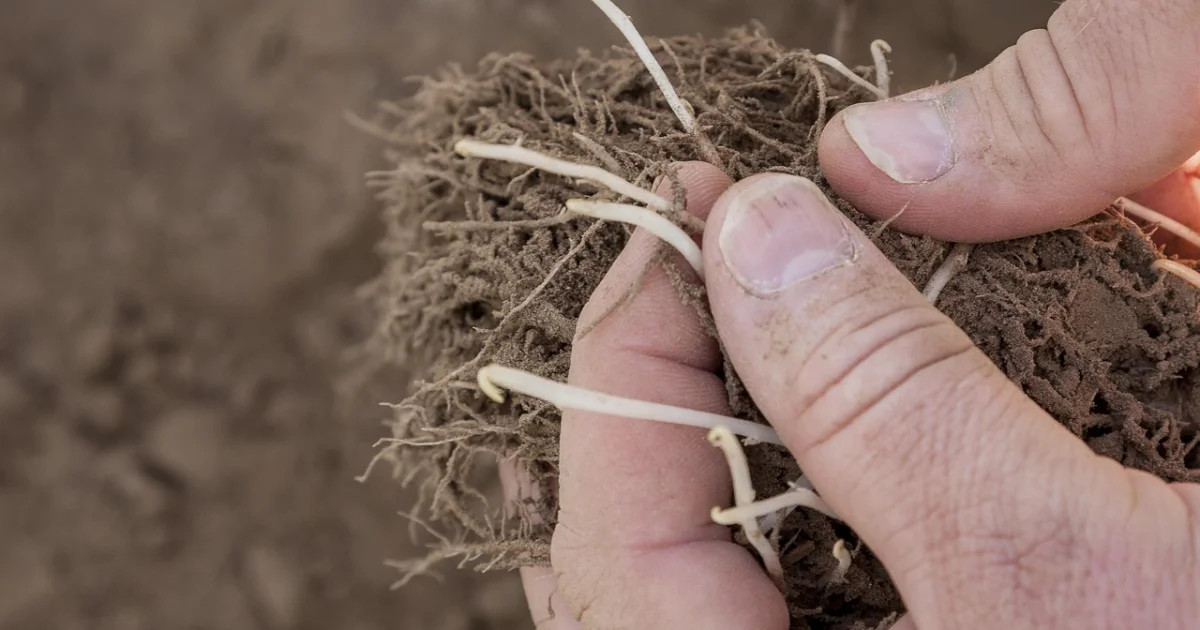
Before planting, it’s crucial to “chit” your seed potatoes. This simply means placing them in a cool, dark, and humid location (around 45-50°F or 7-10°C) for 2-4 weeks. This encourages the buds to sprout, significantly improving your chances of a strong, healthy start. You can place them in a tray of damp sand or in a paper bag with a few holes punched in it for ventilation. Look for small, white shoots to emerge – this indicates successful chitting. Ignoring this step can result in weak, spindly plants that struggle to produce abundant tubers.
Step 2: Preparing the Perfect Soil – A Potato’s Happy Place
Potatoes are remarkably particular about their growing environment, and soil preparation is paramount. They thrive in well-drained, sandy soil – anything too heavy or clay-like will impede tuber development and lead to rot. Sandy soil allows for proper aeration and drainage, preventing the tubers from sitting in waterlogged conditions. If your soil is heavy clay, amending it with plenty of organic matter, such as compost or aged manure, is essential. Adding a generous amount of coarse sand can also improve drainage.
Beyond drainage, potatoes require a slightly acidic soil pH of 6-6.5. This acidity helps prevent potato scab, a fungal disease that can damage the tubers. A soil test can accurately determine your soil’s pH, allowing you to make targeted amendments. Remember, a healthy soil base is the foundation for a massive potato harvest; neglecting this step will inevitably limit your yields. Consider building raised beds for improved drainage and easier soil management, especially if you have consistently poor soil conditions.
Step 3: Strategic Planting – Spacing and Depth for Maximum Growth
Proper planting technique is vital for optimal potato growth. When planting, dig trenches approximately 12 inches (30 cm) deep and 30-36 inches (76-91 cm) apart. The spacing depends on the variety and your desired harvest density. Smaller fingerling potatoes can be planted closer together, around 8 inches (20 cm) apart, while larger varieties require more space.
Cut the seed potatoes into pieces, ensuring each piece has at least 1-2 “eyes.” Plant the pieces with the eyes facing upwards. Space the pieces 10-12 inches (25-30 cm) apart within the trench, and bury them 4 inches (10 cm) deep. This spacing allows for proper tuber development and minimizes competition for nutrients. After planting, gently firm the soil over the trench to eliminate air pockets and ensure good contact between the soil and the seed potatoes. Creating a ridge of soil above the planted pieces – known as “hilling” – is a crucial step we’ll delve into later.
Step 4: The Art of Hilling – Encouraging Robust Tuber Production
Hilling is arguably the most important technique for maximizing potato yields. As the potato plants grow, they’ll develop plenty of leafy foliage. Hilling involves drawing soil from between the rows and piling it around the base of the plants, covering approximately 2/3 of the stems. This does several things: it encourages the growth of additional “daughter” tubers along the buried stems, it shades the soil, suppressing weed growth, and it provides support for the plants.
Repeat this process every 4-6 weeks, as the plants continue to grow. Be careful not to bury the foliage, as this can lead to rot. Proper hilling significantly increases the number of potatoes you harvest, transforming a modest yield into a truly substantial one. Think of it like giving your potatoes a hidden buffet of nutrients and space to expand!
Step 5: Watering Wisely – Maintaining Consistent Moisture
Potatoes require consistent moisture throughout the growing season, but overwatering can be just as detrimental as underwatering. Aim for approximately 1 inch (2.5 cm) of water per week, adjusting based on rainfall and weather conditions. Mulching around the plants with straw, wood chips, or shredded leaves helps retain moisture in the soil, reducing the need for frequent watering.
You may also enjoy reading: 7 Simple Sustainable Swaps for a Greener Home and Closet.
Monitor the soil moisture regularly – stick your finger a few inches into the soil to assess its dampness. If the soil feels dry to the touch, it’s time to water. During periods of drought, more frequent watering may be necessary. Proper watering promotes strong tuber development and prevents the potatoes from becoming shriveled or stunted. A consistent moisture level is the key to a bountiful harvest.
Step 6: Sunlight and Temperature – Creating the Ideal Growing Environment
Potatoes are sun-loving plants that thrive in full sun, requiring at least 6-8 hours of direct sunlight per day. However, in hotter climates, providing some afternoon shade can prevent leaf scald – a condition that causes brown spots on the leaves. Ideal temperatures for potato growth range from 65-80°F (18-27°C) during the day and 55-65°F (13-18°C) at night. Cooler temperatures are actually beneficial, promoting tuber development.
If you live in a region with hot summers, consider planting potatoes in a location that receives some afternoon shade or using shade cloth to protect the plants. Maintaining a consistent temperature range is crucial for achieving a large and healthy potato harvest. Monitoring the weather forecast and adjusting your gardening practices accordingly can make a significant difference.
Step 7: Pest and Disease Management – Protecting Your Investment
While potatoes are relatively resilient, they can be susceptible to certain pests and diseases. Common potato pests include potato beetles, flea beetles, and aphids. Regularly inspect your plants for signs of infestation and take action promptly. Organic pest control methods, such as handpicking pests or using insecticidal soap, are often effective.
Potato blight, a fungal disease, can decimate a potato crop if left unchecked. Preventing blight involves ensuring good air circulation around the plants, avoiding overhead watering, and using disease-resistant varieties. Copper-based fungicides can be used as a preventative measure or to treat existing infections. Maintaining a healthy garden environment and monitoring for signs of disease are essential for protecting your potato harvest.
Growing massive potatoes is achievable with the right knowledge and dedication. By following these seven essential steps, you can transform your garden into a potato paradise, yielding a truly impressive harvest of these versatile and delicious root vegetables. Happy gardening!
(Image credit: SbytovaMN / Getty Images)