Why Spirea Deserves a Spot in Your Garden
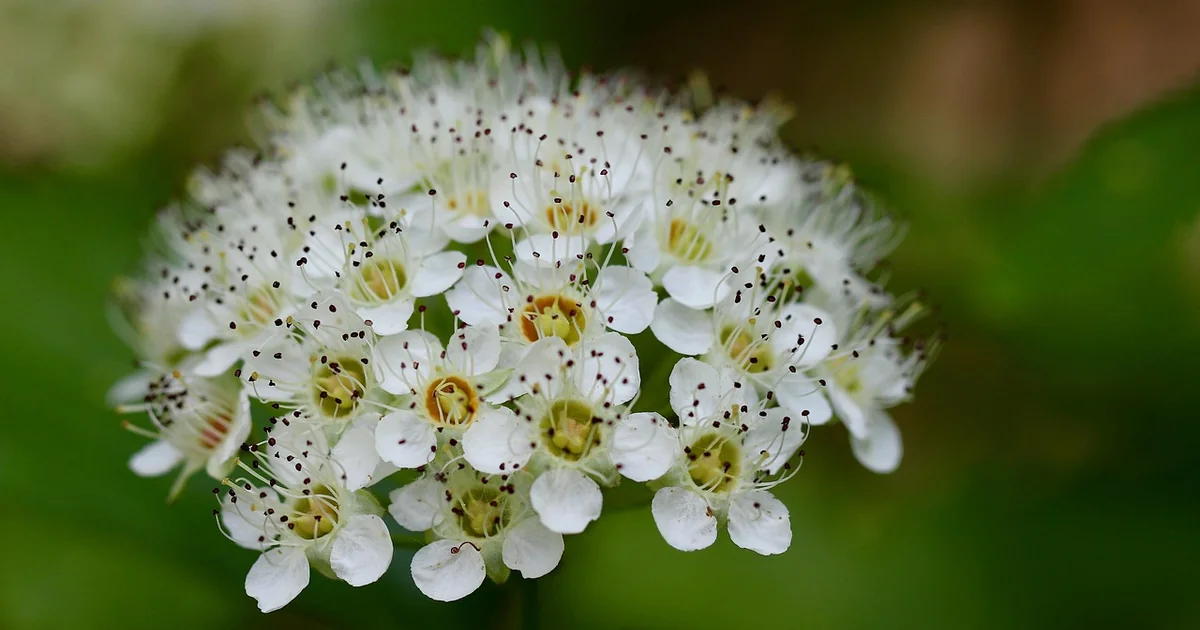
Walk through any well-tended neighborhood in late spring, and you will likely spot a spirea shrub bursting with clusters of pink or white blooms. These hardy plants have earned a loyal following among homeowners and landscapers alike, and for good reason. Spirea thrives across a wide range of climates, from the chilly winters of zone 4 to the warm stretches of zone 9 and beyond. With heights ranging from 2 to 6 feet and spreads up to 10 feet, these shrubs fit into almost any landscape plan. Yet many gardeners still make basic mistakes when they try to grow spirea shrubs for the first time. They plant in the wrong spot, water too often, or skip the pruning that keeps the center from turning hollow. This guide walks you through five essential steps that will set your spirea up for long-term success.
Step 1: Select the Perfect Planting Location
The single most important decision you will make for your spirea is where to put it in the ground. Get this right, and the rest of the care routine becomes noticeably easier. Get it wrong, and you will battle weak growth and sparse blooms for years.
Sunlight Requirements
Spirea demands full sun to produce its best display of flowers. Aim for a spot that receives at least six hours of direct sunlight each day. Less light than this will still allow the shrub to survive, but the flowering will be noticeably reduced. In partial shade, the branches tend to stretch out and become leggy, which ruins the naturally rounded shape that modern spirea varieties are known for. If you have a south-facing or west-facing area that stays bright through the afternoon, that is your best bet.
Soil Preferences
Well-drained soil is non-negotiable. Spirea does not tolerate waterlogged roots. Standing water around the base for more than a day or two can lead to root rot and eventual plant decline. The good news is that spirea is remarkably adaptable when it comes to soil type. Sandy soils, clay-based soils, and loamy mixes all work as long as drainage is adequate. Soil pH is not a major concern either. These shrubs grow fine in acidic, neutral, and mildly alkaline conditions. If your yard has heavy clay that holds water, consider building a slight mound or raised bed to improve drainage before you plant.
Spacing Considerations
Spacing depends entirely on how you intend to use the shrub. For a dense hedge that provides privacy or defines a garden boundary, plant spirea about 2 to 3 feet apart. This close spacing encourages the shrubs to grow together into a continuous wall of foliage and flowers. For individual specimen plants that you want to showcase on their own, space them 5 to 15 feet apart depending on the mature width of the specific variety you chose. Always check the tag on your plant for the expected spread. Crowding leads to poor air circulation, which invites fungal diseases like powdery mildew.
Step 2: Plant at the Right Time and in the Right Way
Timing matters more than most home gardeners realize. Planting at the wrong season puts unnecessary stress on the shrub and slows down establishment. Fall is the ideal window for planting spirea in most regions. The soil is still warm from summer, which encourages root growth, while the cooler air temperatures reduce water loss from the leaves. This combination gives the roots a head start before winter dormancy sets in. Spring planting works too, especially in colder zones where the ground freezes early, but you will need to water more diligently through the first summer.
Digging the Hole
Dig a hole that is as deep as the root ball and twice as wide. This extra width gives the roots loose, aerated soil to spread into. If you dig a hole that is too narrow, the roots will circle around themselves and never establish properly. Remove the shrub from its nursery container and gently loosen the outer roots with your fingers. If the roots are tightly packed, make a few vertical cuts along the sides of the root ball with a clean knife. This encourages them to grow outward rather than continuing to circle.
Backfilling and Mulching
Place the shrub in the center of the hole so that the top of the root ball sits level with the surrounding soil. Backfill with the same soil you removed. Do not amend the backfill with compost or potting mix. Research has shown that roots often refuse to leave the comfort of amended soil and end up circling inside the planting hole. Water thoroughly after backfilling to settle the soil around the roots. Then apply a 2- to 3-inch layer of organic mulch, such as shredded bark or wood chips, around the base. Keep the mulch a few inches away from the main stems to prevent rot.
Step 3: Water Deeply and Infrequently
Watering mistakes account for a large percentage of spirea failures in home landscapes. The most common error is shallow, frequent watering that wets only the top inch of soil. This encourages roots to stay near the surface, where they dry out quickly during hot weather. Spirea performs best when you water deeply and less often. A deep soaking that penetrates 6 to 8 inches into the soil encourages roots to grow downward, where they find more consistent moisture.
Establishment Period
During the first growing season after planting, water your spirea once or twice per week if rainfall is scarce. Check the soil moisture by sticking your finger 2 inches into the ground near the base. If it feels dry at that depth, it is time to water. After the first year, spirea becomes surprisingly drought-tolerant. You can reduce watering to once every 10 to 14 days during dry spells. In regions with regular rainfall, you may not need to water established shrubs at all.
Signs of Overwatering
Yellowing leaves, wilting despite wet soil, and a general lack of vigor are all signs that you may be overwatering. Spirea prefers moist soil but not soggy conditions. If your soil drains slowly, cut back on watering frequency and consider moving the plant to a better-drained location in the fall.
Step 4: Prune Strategically for Shape and Blooms
Pruning is the step that many homeowners skip, and it shows. Unpruned spirea develops a hollow center within a few years. The outer branches become dense and woody, while the interior fills with dead twigs and sparse foliage. Proper pruning prevents this and keeps the shrub looking full and vibrant.
When to Prune
The timing of pruning depends on the flowering habit of your specific spirea variety. Spring-blooming types, such as Spiraea prunifolia and Spiraea thunbergii, produce flowers on old wood from the previous season. Prune these right after they finish flowering in late spring. Summer-blooming types, such as Spiraea japonica and its many cultivars, bloom on new wood produced in the current season. Prune these in late winter or early spring before new growth begins. If you are unsure which type you have, wait until after the first bloom and prune immediately. That approach works for both groups.
How to Prune
For modern spirea varieties that form neat, rounded mounds, you can cut the entire plant back to about 6 to 10 inches above the ground every year. This technique, sometimes called rejuvenation pruning, stimulates vigorous new growth and prevents the center from becoming hollow. It also produces a fuller shrub with more flowers. For older, overgrown spirea that has not been pruned in years, remove about one-third of the oldest stems at ground level each season for three consecutive years. This gradual approach avoids shocking the plant.
After the first flush of flowers fades, trim the flowering tips back to the first or second set of leaves. This deadheading can encourage a second, smaller bloom later in the summer on some varieties. It also keeps the shrub looking tidy rather than ragged.
Step 5: Fertilize, Mulch, and Monitor for Problems
The final step ties together the ongoing care that keeps spirea performing at its best. A small amount of effort at the right times pays off in dense foliage and abundant flowers.
You may also enjoy reading: 13 Best Night Lights: Tested & Reviewed.
Fertilizer Strategy
Apply a controlled-release fertilizer formulated for trees and shrubs once in early spring, just as new growth begins to emerge. Follow the dosage instructions on the product label carefully. More fertilizer is not better. Over-fertilizing, especially with nitrogen-heavy products, produces excessive leafy growth at the expense of flowers. A single spring application is usually sufficient for the entire growing season. If your soil is very poor, a second light application in early summer may help, but most spirea does not need it.
Mulch Maintenance
Refresh the mulch layer once per year in spring. A 2- to 3-inch layer suppresses weeds, moderates soil temperature, and retains moisture. As the mulch breaks down over time, it adds organic matter to the soil. Keep the mulch pulled back from the stems to prevent moisture buildup against the bark, which can lead to rot or pest issues.
Pests and Diseases to Watch For
Spirea is generally pest-resistant, but a few problems can arise. Aphids sometimes cluster on new growth and flower buds. A strong blast of water from the garden hose dislodges most of them. If the infestation persists, insecticidal soap applied according to the label instructions handles the problem without harming beneficial insects. Leaf spot and powdery mildew are the most common fungal diseases. Both are usually cosmetic and do not threaten the plant’s life. Good air circulation from proper spacing and pruning reduces the likelihood of infection. In humid climates, avoid overhead watering late in the day, as wet leaves overnight promote fungal growth.
Invasive Potential
Before you buy a spirea, check with your local agricultural extension office or conservation department. Some spirea species, particularly Spiraea japonica, are listed on the Invasive Plant Atlas for parts of the United States. In certain regions, they escape cultivation and crowd out native plants. Your local authorities can tell you whether spirea is considered invasive in your area and recommend alternative species if needed.
Frequently Asked Questions About Growing Spirea
When is the best time to plant spirea?
Fall is the ideal planting season for spirea in most climates. The warm soil encourages root growth while the cool air reduces stress on the leaves. Spring is the second-best option, especially in colder zones where the ground freezes early.
How much sun does spirea need to flower well?
Spirea needs at least six hours of direct sunlight each day for the best flowering. Less light reduces bloom quantity and can make the shrub grow in a loose, leggy shape.
How often should I water newly planted spirea?
Water newly planted spirea once or twice per week during dry weather for the first growing season. After the shrub is established, usually after one year, it becomes quite drought-tolerant and needs water only during extended dry periods.
Do I need to prune spirea every year?
Yes, annual pruning keeps spirea looking full and prevents the center from becoming hollow. For modern mound-forming varieties, cutting the whole plant back to 6 to 10 inches in late winter or right after flowering produces the best results.
Is spirea invasive?
Some spirea species, especially Spiraea japonica, are considered invasive in certain parts of the United States. Check with your local agricultural extension office before planting to see if spirea is restricted or discouraged in your area.
Spirea rewards gardeners who take the time to follow these five steps. Choose a sunny spot with good drainage, plant in fall, water deeply but infrequently, prune annually, and feed lightly in spring. That simple routine will produce a shrub that fills your landscape with color year after year, with very little fuss along the way.