Step 1: Understand What Heavenly Bamboo Really Is
Before you dig a single hole, it pays to know exactly what you are bringing into your yard. Heavenly bamboo, or Nandina domestica, belongs to the barberry family, not the grass family like true bamboo. The name comes from its upright, bamboo-like stems and compound leaves that create a similar visual texture. But the similarities end there.
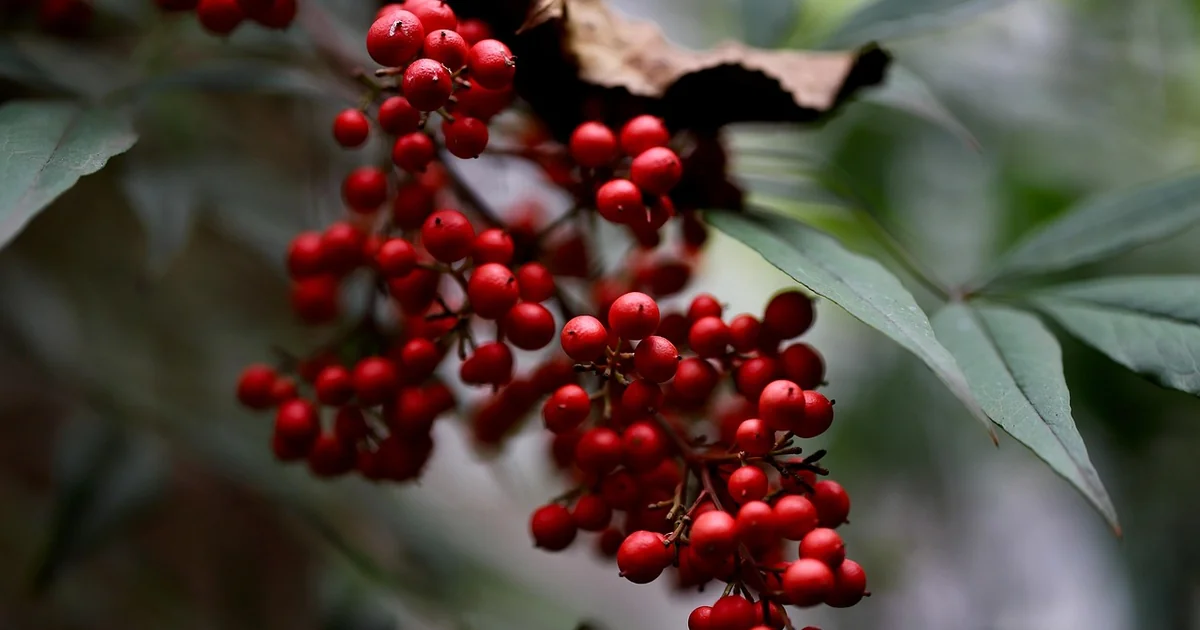
The foliage alone puts on a year-round performance. New leaves unfurl in shades of reddish pink. As they age, they soften into a bluish-green tone. Then autumn arrives, and the leaves shift into deep burgundy, purple, and even orange. Some selections produce small white flower spikes in late spring, followed by clusters of bright red berries that linger through the coldest months. These berries are visually striking, but they come with a serious warning: they are toxic to humans, cats, dogs, and birds. The ASPCA includes Nandina domestica on its list of toxic plants, and the berries contain cyanogenic glycosides, which can cause respiratory failure if consumed in large quantities. A 2010 study published in the Journal of Veterinary Diagnostic Investigation confirmed that cedar waxwings died after ingesting nandina berries, highlighting a real risk to local bird populations.
On top of the toxicity concern, heavenly bamboo is listed as an invasive species in several southeastern states, including Georgia, Tennessee, and Florida. Birds eat the berries and spread the seeds through their droppings, allowing the shrub to colonize forests and natural areas. Its shade tolerance means it can thrive under a dense tree canopy, outcompeting native understory plants. And once the roots are established, removing the plant becomes a genuine challenge. Any fragment of root left behind can regenerate into a full shrub. Understanding these realities is the foundation of responsible growing heavenly bamboo. It is not a plant you can set and forget.
Step 2: Choose a Non-Invasive, Berryless Variety
The single most important decision you can make is which variety to plant. Standard Nandina domestica produces abundant berries, which birds spread widely. But breeders have developed selections that produce few or no berries at all, dramatically reducing the risk of unwanted spread.
Compact, berryless cultivars such as ‘Firepower’, ‘Gulf Stream’, ‘Harbour Dwarf’, and ‘Obsessed’ offer all the ornamental value without the ecological downside. ‘Firepower’, for instance, grows to about 2 feet tall and wide, features dense foliage that turns vivid red in winter, and rarely produces fruit. ‘Gulf Stream’ reaches around 3 feet tall with a compact, mounding habit and excellent fall color. ‘Harbour Dwarf’ stays low, often under 2 feet, and works well as a ground cover. ‘Obsessed’ is a newer series that offers vibrant color and a tidy shape with minimal berry production.
When shopping for plants, read the nursery label carefully. Many retailers still sell the straight species, which is the most problematic. If you already have standard heavenly bamboo in your landscape and want to prevent spread, remove the flower clusters as soon as they appear in spring. This simple practice prevents berries from forming and stops birds from distributing the seeds. For new plantings, choosing a sterile or nearly sterile cultivar is the responsible path forward.
Step 3: Select the Right Location and Prepare the Soil
Heavenly bamboo is forgiving when it comes to light, but it performs best in full sun to partial shade. In full sun, the foliage develops its richest autumn and winter colors. In shadier spots, the plant still grows but the leaves stay greener, and the fall display is less dramatic. If you want those deep burgundy and purple tones, aim for at least six hours of direct sunlight each day.
Soil quality matters more than you might expect. The ideal pH range for growing heavenly bamboo falls between 3.7 and 6.4, which means it prefers acidic to slightly acidic conditions. The soil should be rich in organic matter, moist but well-draining. Heavy clay that holds water around the roots can lead to root rot. Sandy soil that drains too quickly may require more frequent watering. Before planting, work a 2- to 3-inch layer of compost or aged pine bark into the top 12 inches of soil. This improves drainage in heavy soils and boosts moisture retention in sandy ones.
Space is another consideration. Mature heights range from 2 to 8 feet, depending on the cultivar, and widths span 2 to 5 feet. Compact varieties can be planted 2 to 3 feet apart for a hedge or mass planting. Taller types need 4 to 5 feet of space. Give each plant enough room so air can circulate freely around the foliage. Good airflow reduces the risk of fungal diseases, especially in humid climates.
Avoid planting near natural areas, wooded borders, or waterways where seeds could easily spread. Even with berryless varieties, it is wise to keep heavenly bamboo contained within cultivated garden beds where you can monitor its growth.
Step 4: Plant at the Correct Depth and Time
Spring and fall are the best seasons to plant heavenly bamboo. Both offer moderate temperatures that help the roots establish before summer heat or winter cold arrives. If you plant in fall, do so at least six weeks before the first expected frost. This gives the root system enough time to settle in.
Dig a hole that is twice as wide as the root ball and exactly as deep. The top of the root ball should sit flush with the surrounding soil. If you plant too deep, the crown may rot. If you plant too shallow, the roots may dry out. Place the shrub in the hole and gently spread the roots outward. Backfill with the original soil — no amendments needed in the hole itself, as this can discourage roots from spreading into the surrounding ground. Tamp the soil down lightly to remove air pockets, then water thoroughly.
Water deeply immediately after planting. For the first growing season, keep the soil consistently moist but not waterlogged. A deep watering once a week is usually sufficient, but adjust based on rainfall and temperature. A 2- to 3-inch layer of organic mulch, such as shredded bark or pine straw, applied around the base of the plant helps retain soil moisture, regulate soil temperature, and suppress weeds. Keep the mulch a few inches away from the stem to prevent rot.
Step 5: Water, Mulch, and Feed for Long-Term Health
Once established, heavenly bamboo is remarkably drought tolerant. In fact, it is one of the tougher evergreen shrubs you can grow. But that toughness takes about a year to develop. During the first 12 months, consistent watering is non-negotiable. After that, the plant can handle dry spells of two to three weeks without issue. In prolonged drought, especially in the hottest part of summer, an occasional deep watering keeps the foliage looking fresh.
Fertilize twice during the growing season for best results. Apply a balanced, slow-release shrub fertilizer in early spring as new growth begins. A second application in early to midsummer supports continued development. Use a product with an N-P-K ratio such as 10-10-10 or 14-14-14, and follow the label rates based on the size of your plant. Overfertilizing leads to weak, leggy growth that flops over and requires more pruning. Less is more with this shrub.
Mulch is your ally year-round. In addition to moisture retention, a thick mulch layer suppresses competing weeds and gradually breaks down to add organic matter to the soil. Replenish the mulch layer once or twice a year, ideally in spring and again in late fall. Just keep the mulch away from the base of the stems to avoid creating a moist environment that invites rot or pests.
Step 6: Prune Strategically and Control Suckers
Pruning heavenly bamboo is not complicated, but it does require consistency. The plant spreads through underground rhizomes, which send up new shoots, or suckers, several feet away from the original plant. If left unchecked, a single shrub can turn into a dense thicket within two or three growing seasons.
In early spring, before new growth emerges, inspect the base of the plant and remove any suckers that have popped up beyond the intended footprint. Pull them up by hand if the soil is loose, or use a sharp spade to sever the connecting rhizome. This simple task, done annually, is the most effective way to prevent unwanted spread.
You may also enjoy reading: 7 Best Rain Gauges Our Editors Love.
For the main plant, pruning serves two purposes: shaping and rejuvenation. To maintain a tidy shape, trim back any wayward or leggy stems in late winter or early spring. Cut individual canes at different heights to preserve a natural, multi-stemmed look. Avoid shearing the plant into a ball or box shape, as this ruins its graceful, upright habit.
Every two or three years, remove about one-third of the oldest, thickest canes all the way to the ground. This rejuvenation pruning stimulates fresh growth from the base, keeps the plant full and vigorous, and prevents it from becoming woody and bare at the bottom. If you are growing a standard variety that produces berries, also remove spent flower clusters after blooming to prevent fruit formation. This step alone significantly reduces seed dispersal by birds.
One caution: wear gloves when pruning. Some people develop skin irritation from handling nandina stems and leaves. It is not a severe reaction, but it is uncomfortable enough to warrant protection.
Step 7: Monitor for Invasiveness and Enjoy Responsibly
The final step is ongoing vigilance. Even if you chose a berryless cultivar, occasional berries may still appear. Birds are efficient seed dispersers, and seedlings may emerge in your garden or nearby areas. Walk the perimeter of your property once a month during the growing season and pull out any volunteer nandina seedlings you spot. Removing them when they are small is far easier than digging out a mature shrub with a sprawling root system.
If you live in or near a region where heavenly bamboo is classified as invasive, consider container growing as an alternative. Many compact varieties, such as ‘Firepower’ and ‘Obsessed’, thrive in pots. Growing in containers eliminates the risk of rhizome spread and makes it easy to move the plant to a better location if needed. Use a pot that is at least 12 to 14 inches in diameter with drainage holes. Fill it with a well-draining potting mix formulated for acid-loving plants. Repot every two to three years to refresh the soil and give the roots room to grow. Container-grown plants need more frequent watering, especially in summer, and benefit from a light application of slow-release fertilizer each spring.
Winter protection is rarely needed in zones 6 through 9, where heavenly bamboo is hardy. It can survive temperatures as low as 10 degrees Fahrenheit. If a hard freeze damages the foliage or kills the top growth, do not panic. The roots are tough, and the plant will regrow from the base in spring. Simply cut the dead canes to the ground after the last frost, and fresh shoots will emerge within weeks.
Despite the challenges, heavenly bamboo offers something few shrubs can match: vivid, changing color across every season, minimal maintenance demands, and resistance to deer and drought. With thoughtful variety selection, careful planting, and regular monitoring, it is possible to enjoy this striking shrub without contributing to its spread in the wild. The key is treating it as a cultivated garden plant that needs your oversight, not as a free-range ornamental that can take care of itself.
Frequently Asked Questions About Growing Heavenly Bamboo
Is heavenly bamboo actually bamboo?
No. Despite the name and the visual resemblance, heavenly bamboo belongs to the barberry family, Berberidaceae. True bamboo is a type of grass in the Poaceae family. The common name comes from the upright, cane-like stems and finely divided leaves that look similar to bamboo foliage.
Are heavenly bamboo berries dangerous to pets?
Yes. The berries contain cyanogenic glycosides, which can be toxic to dogs, cats, and birds. Ingesting a large number of berries can cause vomiting, respiratory distress, and in severe cases, coma or death. Keep pets away from the berries, and consider planting a berryless cultivar to eliminate the risk entirely.
How fast does heavenly bamboo grow?
Under ideal conditions, heavenly bamboo grows at a moderate pace, adding 12 to 24 inches per year. Compact varieties stay smaller, while standard types can reach full height within three to five years. Growth rate slows in poor soil, deep shade, or drought conditions.
Can heavenly bamboo grow in full shade?
It tolerates partial shade, but full shade significantly reduces fall color and berry production. The foliage stays greener, and the plant may become leggy and sparse. For the best visual display, plant in full sun to partial shade with at least four to six hours of direct sunlight daily.
What is the best way to stop heavenly bamboo from spreading?
Plant a berryless cultivar such as ‘Firepower’, ‘Gulf Stream’, or ‘Harbour Dwarf’. If you already have a standard variety, remove the flower clusters immediately after they fade to prevent berry formation. Pull up any seedlings you find, and cut or pull suckers that emerge beyond the planting area. Growing in containers is the most reliable method of containment.