Why Yew? The Undisputed Champion of Tough Shrubs
Imagine a plant that thrives on neglect. It stands up to freezing winters, scorching summers, and hungry deer that munch on everything else in sight. The yew bush (Taxus) is that botanical warrior. It has been a staple of formal gardens and wild landscapes for centuries. Yet, many homeowners struggle with it. They plant it in soggy soil or prune it at the wrong time. The result is a sparse, yellowing shrub that never reaches its potential. Unlocking the secrets to growing yew shrub successfully comes down to seven specific, actionable steps. Ignore these, and you will fight an uphill battle. Master them, and you will have a hedge or topiary that lasts for generations.
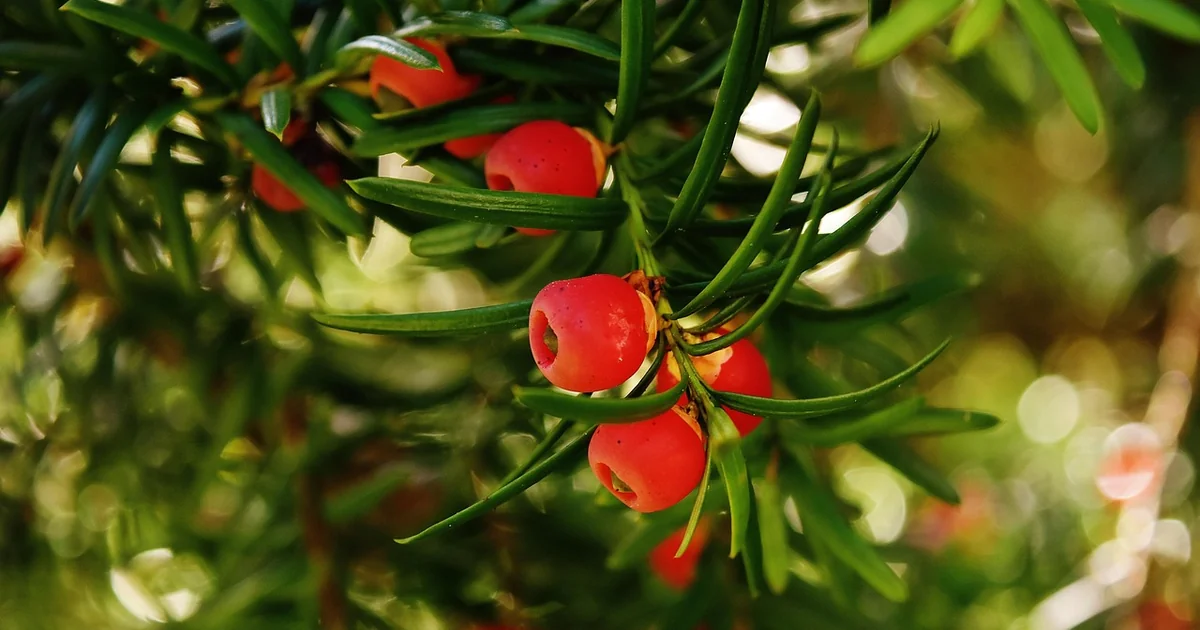
Secret #1: Choose the Right Genetic Foundation
Not all yews are created equal. The first secret to success happens before you even put a shovel in the ground. Most modern yews are not pure species. They are hybrids, carefully bred to combine the best traits of their parents.
The Power of Hybridization
Early yew species like Taxus baccata (English yew) and Taxus cuspidata (Japanese yew) each had specific weaknesses. English yews struggled in harsh winters. Japanese yews were sometimes too loose in shape. Breeders solved this by crossing them. The result is the Taxus x media group. These hybrids offer the cold hardiness of the Japanese species with the dense, formal habit of the English yew. When you buy a modern cultivar, you are getting a plant designed to perform. This genetic flexibility is a huge advantage for growing yew shrub in diverse climates.
Navigating Over 400 Cultivars
With more than 400 registered cultivars, choice can be overwhelming. Do not just grab the first green shrub you see. Look for specific names. ‘Densiformis’ is a classic for low, wide hedges. ‘Hicksii’ is perfect for tall, narrow privacy screens. ‘Repandens’ is a groundcover that stays under 3 feet tall. Matching the cultivar to your space prevents constant, stressful pruning later. A yew that naturally fits its spot needs far less work.
Secret #2: Master the Planting Window and Depth
Timing is everything in gardening. Yews are forgiving, but planting them during a heatwave or a freeze is a recipe for transplant shock. The second secret is about giving the roots the best possible start.
Spring and Fall Windows
Plant yew shrubs in spring after the last frost has passed. This gives the roots the entire growing season to establish before winter. Early fall is the second-best window. The soil is still warm, encouraging root growth, while the cool air reduces stress on the leaves. Avoid planting in the heat of summer or when the ground is frozen solid.

Amazon US Verified
Self-Watering Planters with Drainage Aerators
Elevated reservoir design that prevents soggy roots and ensures steady hydration.
The 6-Inch Deeper Rule
Dig a hole that is at least 6 inches deeper than the nursery container and twice as wide. This seems excessive, but it is critical. Yew roots are shallow and fibrous. They spread horizontally, not deep. Wide, loose soil allows them to explore and anchor quickly. Do not plant the shrub deeper than it was in the pot. Burying the stem invites fungal diseases. The top of the root ball should be level with the surrounding soil.
Secret #3: Perfect the Soil pH and Drainage
This is the section most likely to save your yew from an early death. The number one killer of yews is not a pest or a disease. It is wet feet. Yews have fine, delicate roots that suffocate in soggy soil.
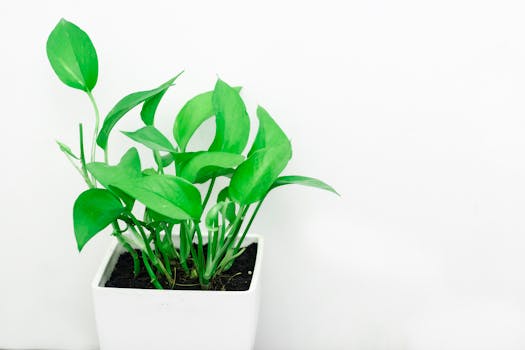
Amazon US Verified
Organic Perlite Horticultural Soil Conditioner
Lightweight volcanic mineral that improves root aeration and prevents compaction.
The pH Sweet Spot (5.5 to 7.5)
Yews are not overly fussy about pH, but they have a preferred range. A pH between 5.5 and 7.5 allows them to absorb nutrients efficiently. A simple home test kit can tell you if your soil is too acidic or too alkaline. If the pH is off, the yew will struggle to take up iron and nitrogen, leading to yellowing leaves. Amend alkaline soil with sulfur or peat moss. Amend acidic soil with lime. Do this several months before planting if possible.
Avoiding the Root Rot Trap
Standing water is lethal. If your yard has heavy clay soil, you must amend it. Mix in coarse sand, leaf mold, or compost to improve drainage. If you have a low spot where water collects, plant your yew on a slight mound. Signs of root rot include yellowing inner needles and premature needle drop. If you see this, stop watering immediately and let the soil dry out. The secret to growing yew shrub in heavy soil is to prioritize drainage above all else.
Secret #4: Strategize Sunlight Exposure
Yews are famous for tolerating shade, but they have preferences that affect their shape. The fourth secret is about using light to control the plant’s density.
Full Sun for Maximum Density
If you want the tightest, most compact branching, plant your yew in full sun. Six or more hours of direct sunlight produces a dense wall of green. This is ideal for formal hedges where you want no gaps. The branches fill in completely, creating a solid barrier.
Part Shade for Gold Varieties and Winter Protection
Gold-leafed cultivars like ‘Aurea’ benefit from part shade. Direct afternoon sun can scorch their delicate yellow foliage. Part shade (4 to 6 hours of morning sun) protects them from winter burn, a condition where cold winds and bright sun dry out the leaves. In deep shade, yews survive but become loose and open. They require heavier pruning to look tidy. The more shade, the more work you will have.
Secret #5: Practice Watering Discipline
Watering is where most gardeners make their biggest mistake. They treat the yew like a thirsty hydrangea. This is wrong. Yews are drought-tolerant once established. They prefer a drink-and-dry cycle.
The “Dry Out” Rule
For the first year after planting, water your yew deeply once a week. This encourages the roots to grow deep into the soil. After that, step back. Let the top 2 inches of soil dry out completely before watering again. Stick your finger in the soil. If it feels moist, leave the hose alone. Overwatering leads to yellow needles and root rot.
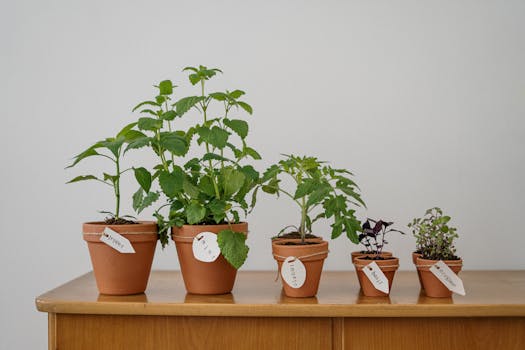
Amazon US Verified
Digital 3-in-1 Soil Moisture & pH Meter
Accurate probe to test deep root zone moisture and prevent accidental overwatering.
Drought Tolerance Timeline
After one or two years in the ground, yews are remarkably resilient. They can handle brief periods of drought with no issue. This makes them perfect for low-maintenance landscapes. During extreme, prolonged drought, you may notice the leaves drooping slightly. A deep soak will revive them within 24 hours. But for normal summer dry spells, your yew will be perfectly fine.
You may also enjoy reading: Coffee Grounds: Do They Really Repel Mosquitoes? 5 Truths.
Secret #6: Prune with Purpose and Precision
Yews are one of the few conifers that can sprout new growth from old wood. This makes them incredibly forgiving for pruning. But there is a right way and a wrong way to do it.
Early Spring is Non-Negotiable
The best time to prune is early spring, just before the new growth begins. This is when the plant is full of energy. Make your cuts, and the plant will push out dense, bushy new growth to fill in the gaps. If you prune in late summer or fall, the new growth may not harden off before winter, leading to frost damage.
Shearing vs. Thinning
For formal hedges, shearing is fine. Just make sure the base of the hedge is wider than the top. This allows sunlight to reach the lower branches, preventing bare bottoms. For natural-looking shrubs, use thinning cuts. Remove entire branches back to the main stem. This opens up the interior to light and air, keeping the plant healthy. Remember: more shade means more pruning. If your yew is in a dim spot, plan on a heavier annual prune to keep it compact.
Secret #7: Manage Toxicity and Pests Safely
The final secret is about safety and defense. Yews are tough, but they have two specific challenges every gardener must know about. One involves your family and pets. The other involves tiny insects.
Understanding Yew Toxicity
Almost every part of the yew plant is toxic. This includes the bark, leaves, and seeds. The compound responsible is called taxine. It affects the heart. The only exception is the fleshy red aril (the berry). It is sweet and harmless, but the hard seed inside is deadly. If you have curious children or pets that chew on plants, be very careful. Plant yews away from play areas and high-traffic zones. The dried clippings are just as toxic as fresh ones. Always clean up pruning debris immediately.
Spotting and Treating Pests
Yews are rarely bothered by serious pests, but two can be a nuisance: mealybugs and spider mites. Mealybugs look like white, fuzzy cotton on the stems. Spider mites cause fine webbing and a stippled, bronze look on the needles. The solution is simple. An application of insecticidal soap sprayed directly on the pests will kill them. For spider mites, a strong blast of water from the hose can knock them off. Healthy, well-watered yews rarely have pest problems. Stress from drought or poor soil attracts bugs.
Frequently Asked Questions About Growing Yew Shrubs
How fast does a yew bush grow?
Yews are slow to moderate growers. Most cultivars put on about 6 to 12 inches of new growth per year. This slow growth is actually a benefit. It means less frequent pruning compared to fast-growing shrubs like privet or arborvitae. If you need a quick privacy screen, look for the ‘Hicksii’ cultivar, which grows faster and taller.
Can yew shrubs grow in full shade?
Yes, yews can survive in full shade, but they will not look their best. In deep shade, the branches become long and leggy. The foliage thins out, and the plant looks loose. You can mitigate this with regular pruning, but a yew in full sun will always be denser and healthier. For deep shade, consider using ‘Repandens’ as a groundcover, as it is one of the most shade-tolerant cultivars.
Is the yew bush safe for pets?
No. Yews are highly toxic to dogs, cats, and horses. The entire plant contains taxine alkaloids, which can cause sudden cardiac death in animals. The dried leaves from pruning are also dangerous. If you have pets that like to chew on plants, it is best to avoid yews or fence them off. Contact a veterinarian immediately if you suspect your pet has eaten any part of a yew.
Why are the needles on my yew turning yellow?
Yellowing needles are usually a sign of stress. The most common cause is overwatering or poor drainage, leading to root rot. Check the soil. If it is soggy, stop watering and let it dry out. Another cause is winter burn, which happens when cold winds dry out the leaves. This usually appears in late winter or early spring. The yellow needles will drop, but new growth should replace them if the roots are healthy.
How close to a house can I plant a yew bush?
This depends on the cultivar. For smaller varieties like ‘Densiformis’, a distance of 3 to 4 feet from the foundation is safe. For larger cultivars like ‘Hicksii’ or ‘Brownii’, allow at least 4 to 5 feet. This space provides good air circulation, prevents moisture buildup against the siding, and gives the shrub room to reach its natural width without constant, stressful pruning.
As an Amazon Associate, azuloz.com earns from qualifying purchases.