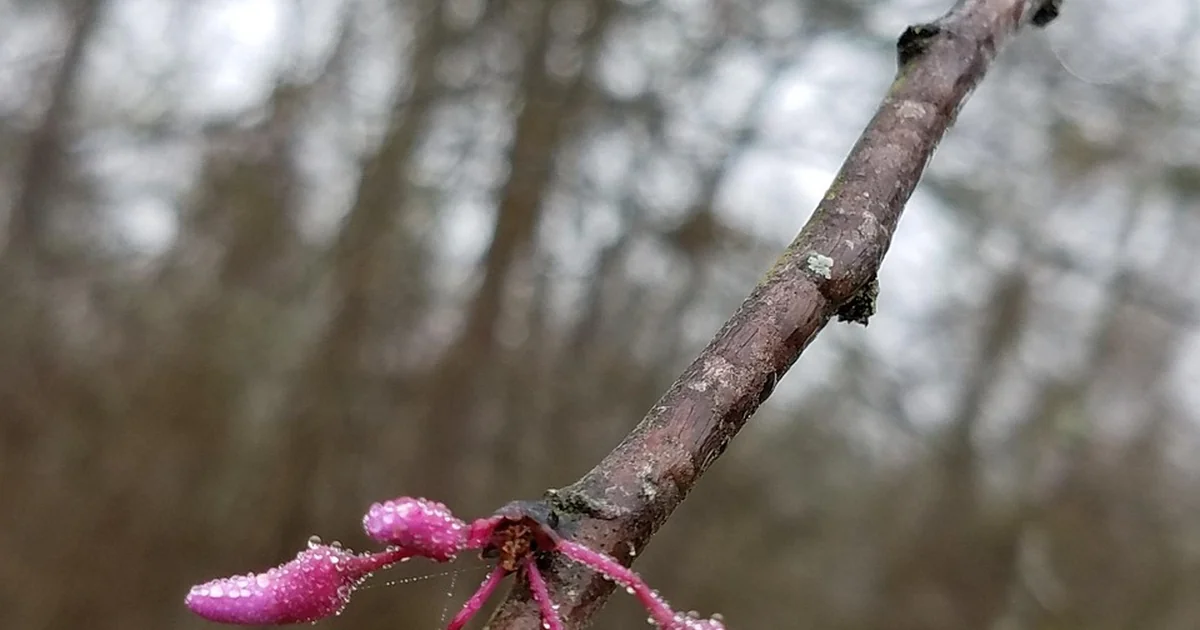
As winter loosens its grip, few sights rival the sudden burst of lavender-pink blossoms that appear on bare branches in early spring. That is the redbud tree, the official state tree of Oklahoma, announcing warmer days ahead. For homeowners and gardeners, growing redbud trees offers a relatively low-effort way to add dramatic seasonal color and year-round structure to a landscape. But even a hardy tree benefits from a thoughtful start. Here are five essential tips to help you plant and nurture a healthy redbud that will bloom reliably for decades.
1. Choose the Right Spot for Sunlight and Drainage
Redbud trees thrive when they receive at least six hours of direct sunlight each day. Morning sun is especially beneficial because it dries dew from the leaves, reducing the risk of fungal infections. In hotter climates, a location that gets bright morning light but partial afternoon shade works best. That shade prevents leaf scorch during the hottest part of the day.
Soil quality matters just as much. Redbuds prefer loamy, well-draining soil with a pH between 6.5 and 8.0. They do not tolerate wet feet. If your yard has heavy clay that holds water, consider planting on a slight mound or amending the soil with organic matter to improve drainage. Standing water around the roots invites root rot and diseases like verticillium wilt.
Amazon US Verified
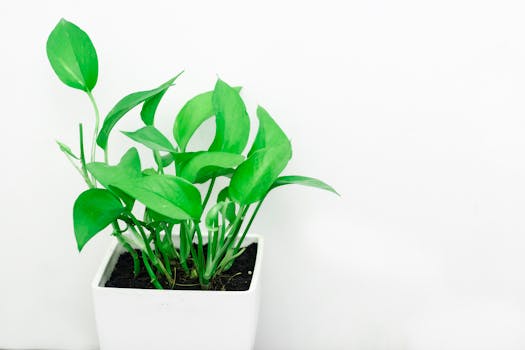
Organic Perlite Horticultural Soil Conditioner
Lightweight volcanic mineral that improves root aeration and prevents compaction.
Space the tree at least 12 feet from any structure and 6 to 8 feet from walkways or driveways. This gives the canopy room to spread and prevents future conflicts with foundations. Because redbuds typically grow no taller than 30 feet, they fit well in small properties where larger shade trees would overwhelm the space.
What Happens if You Ignore Drainage?
Planting a redbud in a low, soggy area is one of the most common mistakes. Within the first year, leaves may yellow and drop prematurely. By the second season, you might notice branch dieback. The tree rarely recovers once root rot sets in. Always test drainage by digging a hole, filling it with water, and checking if it drains within 24 hours. If water remains, choose a different site or build a raised bed.
Amazon US Verified
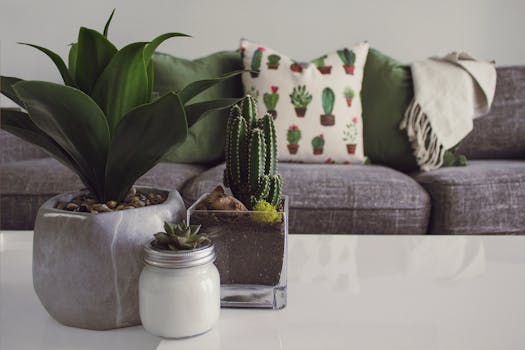
Self-Watering Planters with Drainage Aerators
Elevated reservoir design that prevents soggy roots and ensures steady hydration.
2. Plant at the Correct Depth and Time
Timing depends on the type of redbud you buy. Bare-root trees should go into the ground in early spring, after the last frost date in your area. Container-grown saplings offer more flexibility: you can plant them in spring or fall, as long as the ground is workable and not frozen.
Dig a hole twice as wide as the root ball but no deeper than the root ball itself. The root crown — where the trunk meets the roots — must sit slightly above the surrounding soil line. Burying the crown is a frequent error that leads to rot and poor growth. After placing the tree in the hole, backfill halfway with native soil, water generously to settle the soil, then finish filling. Apply 3 to 4 inches of organic mulch around the base, keeping it a few inches away from the trunk to prevent bark rot.
Watering Schedule for the First Year
During the first growing season, redbuds need consistent moisture. Provide 1 to 2 gallons of water weekly, adjusting for rainfall. In hot, dry spells, increase frequency to twice a week. Deep watering encourages roots to grow downward, making the tree more drought-tolerant later. After the first year, water only when the top few inches of soil feel dry. Overwatering mature trees is rarely needed unless you experience an extended drought.
Amazon US Verified
Digital 3-in-1 Soil Moisture & pH Meter
Accurate probe to test deep root zone moisture and prevent accidental overwatering.
3. Mulch and Manage Moisture Carefully
Mulch is a redbud’s best friend, but only when applied correctly. A 3- to 4-inch layer of shredded bark or wood chips conserves soil moisture, keeps roots cool, and suppresses weeds. However, piling mulch against the trunk creates a damp environment that invites canker diseases and insect borers. Always leave a 2- to 3-inch bare ring around the trunk.
Redbuds are susceptible to fungal cankers, which appear as sunken, discolored areas on branches or the trunk. These infections often take hold when the tree is stressed by drought or poor drainage. Keeping the tree well-watered but not saturated, and pruning out any infected limbs promptly, reduces the risk. If you see branch dieback with no obvious cause, inspect the bark for cankers. Cut at least 6 inches below the affected area and sterilize your pruning tools between cuts.
Why Humidity and Temperature Matter
Redbud trees perform best when temperatures stay between 65°F and 80°F during the growing season, with relative humidity around 50 to 70 percent. In regions with hot, dry summers, afternoon shade becomes critical. In humid areas, ensure good air circulation by spacing trees at least 12 feet apart. Crowded plantings trap moisture on leaves, raising the odds of leaf spot and powdery mildew.
You may also enjoy reading: 7 Ways to Propagate Rosemary in Soil or Water.
4. Prune Lightly but Strategically
Redbuds require minimal pruning, but a little attention in the first few years sets the tree up for a strong structure. Focus on removing dead, damaged, or crossing branches in late winter while the tree is still dormant. This is also the time to shape the canopy if you prefer a single leader or a multi-trunk form. Redbuds naturally develop multiple trunks; if you want a single trunk, select the strongest central stem and prune away competing ones early.
After the tree matures, limit pruning to the removal of broken branches and any growth that rubs against the trunk. Heavy pruning reduces flowering for the next season because redbuds bloom on old wood. If you must remove a large limb, do it right after flowering ends so the tree has the rest of the growing season to heal.
Dealing with Seedlings and Seedpods
Redbuds produce large numbers of seedpods that persist into winter, adding visual interest. However, those seeds can sprout all over your garden. The seedlings are easy to pull when small, but if you let them grow, they can become a nuisance. If you prefer a tidy garden, remove the pods before they drop, or simply pull seedlings as they appear. Many gardeners enjoy the natural look of volunteer redbuds and transplant them to other parts of the yard.
5. Select a Variety Suited to Your Climate
Not all redbuds are the same. The eastern redbud (Cercis canadensis) is native to eastern North America and thrives in Zones 4 through 8. Western redbud (Cercis occidentalis) handles drier conditions and is better suited to Zones 6 through 9. Chinese redbud (Cercis chinensis) offers a more compact form, ideal for small gardens. The Oklahoma redbud (Cercis reniformis) is a heat-tolerant selection popular in the southern Plains.
Before you buy, check your hardiness zone and match it to the tree’s requirements. A tree that is marginally hardy in your zone may survive but will struggle with winter dieback and reduced flowering. Similarly, a variety that needs cooler summers will suffer in a hot, humid climate. Local nurseries usually stock cultivars proven to perform in your area, so ask for recommendations.
What About Extreme Weather?
Nearly all redbuds will perish if exposed to extreme conditions beyond their tolerance. A late spring frost can kill flower buds, but the tree usually recovers and blooms the following year. If you live in a zone at the edge of a variety’s range, provide winter protection by mulching heavily around the root zone and wrapping the trunk with tree wrap if temperatures drop below -20°F. In hot climates, ensure the tree gets afternoon shade and consistent water during heat waves.
When you choose the right variety and give it proper sun, soil, and spacing, growing redbud trees becomes a straightforward, rewarding experience. The spring flowers, heart-shaped leaves that shift from red to green to gold, and persistent winter seedpods create a multi-season show that enhances any landscape. With just a bit of planning, your redbud will become a cherished part of your garden for years to come.
As an Amazon Associate, azuloz.com earns from qualifying purchases.