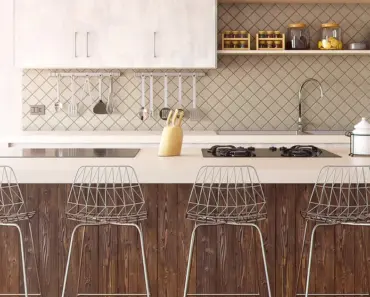
After over 35 years of decorating rooms and homes, from cramped college dorms to grand Designer Showhouses, I’ve learned that it’s far more than just knowing how to arrange furniture or choose a color scheme. It’s about creating a space that genuinely reflects you, a sanctuary that nurtures your soul and supports your daily life. This isn’t about following fleeting trends or mimicking someone else’s style; it’s about cultivating a feeling, a sense of belonging. My mother, an avid decorator herself, instilled in me a love for transforming spaces, and her words – “Your home should make you feel good and help you live better” – have been a constant compass throughout my career. Let’s delve into the wisdom I’ve gathered, the lessons learned, and the core principles that underpin truly successful and fulfilling home decorating.
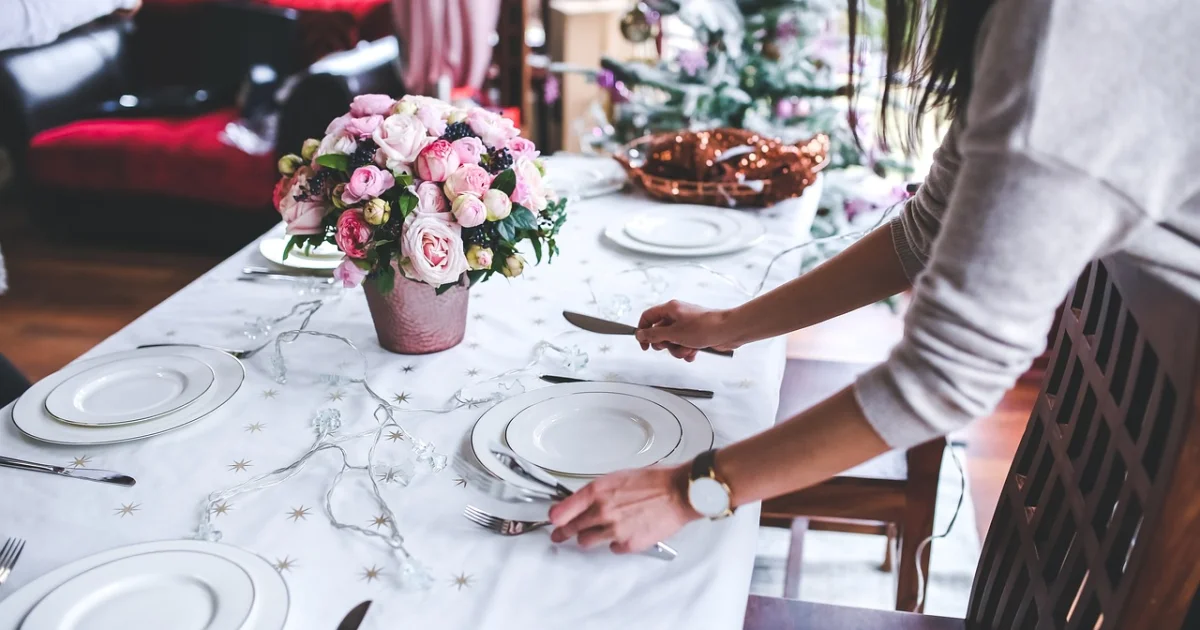
1. Stay True to What You Like
This is, without a doubt, the most crucial piece of advice I can offer. Decorating is intensely personal. It’s a reflection of your personality, your passions, and your memories. It’s easy to get caught up in what you think you should like – what’s currently trending, what’s considered “stylish” by magazines, or what’s deemed “expensive” by experts. But those external influences can quickly lead to a feeling of disconnect and a home that feels… borrowed. When I was starting out, I found myself trying to replicate the look of rooms I’d seen in magazines, meticulously copying every detail. It was exhausting and, frankly, unsatisfying. It wasn’t my space. I realized that I needed to prioritize my own aesthetic, my own comfort, and my own joy. Reading about the designers style and their thoughts and ideas behind it can open your eyes and in turn change the way you do things…. for the better. Don’t be afraid to incorporate items that others might find quirky, unusual, or even a little bit “off.” A vintage teacup collection, a hand-knitted blanket, a piece of art you stumbled upon – these are the things that add character and soul to a space. Display it with confidence. It is “your” house after all. Remember, the goal isn’t to create a showroom; it’s to create a home.
2. Don’t Rush It – Embrace the Slow Decorator’s Pace
The urge to transform a room overnight is incredibly strong, especially after seeing a stunning makeover on television or in a magazine. However, rushing the process almost always leads to regret. Decorating is a marathon, not a sprint. It’s a journey of discovery, a process of refinement. When I was decorating my first house, I threw every last dollar at it, buying everything at once and rearranging the furniture every other day until I was exhausted and overwhelmed. I ended up with a chaotic, disjointed space that felt neither comfortable nor inviting. As the saying goes… the apple doesn’t fall far from the tree. I learned that patience is a virtue, especially when it comes to decorating. Give yourself time to truly consider your needs, your style, and your budget. Research different options, experiment with different layouts, and don’t be afraid to make mistakes. It’s perfectly acceptable to start with a few key pieces and build from there. Let your decorating evolve organically, responding to your changing tastes and lifestyle.
3. Edit, Edit, Edit – Less Truly Is More
This is a principle I’ve repeatedly encountered throughout my career, both in my own homes and in the homes of clients. It’s astonishing how quickly a space can feel cluttered and overwhelming, even if it’s filled with beautiful, high-quality items. The key is to be ruthless. Cleaning out items you don’t love will allow you to focus on items that do – and displaying them with pride and purpose. It’s not about getting rid of everything; it’s about curating a collection of pieces that you genuinely cherish and that contribute to the overall harmony of the space. I often advise clients to start by removing 20% of their belongings and see how the room feels. You’d be amazed at the difference it makes. Consider the “one in, one out” rule – for every new item you bring into your home, get rid of something else. This simple practice will prevent your space from becoming overwhelmed and ensure that it always feels fresh and inviting. Think about the flow of the room and ensure that there is enough negative space to allow the eye to rest. A room that is too crowded will feel stressful – and you may not even realize it until you spend time in it.
4. Understand the Elements of Design
While personal taste is paramount, a foundational understanding of the elements of design – line, shape, color, texture, space, and proportion – can dramatically elevate your decorating efforts. These aren’t rigid rules, but rather guidelines that can help you create a balanced and visually appealing space. For example, understanding the psychology of color can help you choose hues that evoke the desired mood and atmosphere. Warm colors, like reds and oranges, can create a sense of energy and excitement, while cool colors, like blues and greens, can promote relaxation and tranquility. Texture can add depth and interest to a room, while proportion ensures that furniture and accessories are appropriately sized for the space. When you’re decorating, pay attention to how these elements work together to create a cohesive and harmonious look. Don’t be afraid to experiment with different combinations, but always strive for balance and visual appeal. The basic elements of design are what will make whatever you have in your home look better – line, symmetry, proportion, use of color, etc.
5. Layer Textures and Patterns
A room that’s entirely covered in a single texture or pattern can feel monotonous and uninspired. Layering different textures and patterns adds visual interest and depth, creating a more dynamic and engaging space. For example, you could combine a plush velvet sofa with a chunky knit throw, a linen rug with a patterned jute rug, and a collection of ceramic vases with varying textures. When layering patterns, it’s important to consider the scale and color of each element. Smaller patterns should generally be used in conjunction with larger patterns, and complementary colors can create a more harmonious look. Don’t be afraid to mix and match different styles and textures – that’s what gives a room personality and character. Don’t be afraid to add unexpected elements – like a vintage map or a piece of driftwood – to create a truly unique and layered space.
6. Don’t Be a Slave to Trends – Invest in Timeless Pieces
Trends come and go, and following them blindly can lead to a home that feels dated and out of style. While it’s fine to incorporate a few trendy pieces to keep your decor current, it’s crucial to invest in timeless pieces that will stand the test of time. These are items that you’ll love and appreciate for years to come, regardless of what’s currently fashionable. Quality materials, classic designs, and neutral colors are all hallmarks of timeless pieces. Instead of buying a trendy accent chair that will be replaced in a few years, invest in a well-made sofa that you can live with for decades. Trends are a marketers dream – to get people to buy and provide FOMO – the fear of missing out. Add it in small ways to stay current, but.
You may also enjoy reading: 12 Stylish Ways To Decorate With Baskets That Don't Involve Storage.
7. Consider the Flow and Functionality
A beautiful room is useless if it’s not functional or if it doesn’t flow well. Before you start decorating, take a step back and consider how you’ll actually use the space. How will you move through the room? What activities will you be doing there? Are there any potential bottlenecks or obstacles? When It Comes To Decorating… Ensure that furniture is arranged in a way that allows for easy movement and that doesn’t block doorways or pathways. Consider the lighting – both natural and artificial – and make sure it’s adequate for the intended use of the room. Don’t overcrowd the space with furniture or accessories, and leave plenty of room for people to gather and interact. A well-designed room should be both beautiful and functional, creating a space that’s a joy to be in.
8. Incorporate Natural Elements
Bringing the outdoors in can instantly elevate the look and feel of any room. Natural elements like plants, wood, stone, and water add warmth, texture, and a sense of tranquility. Plants not only improve air quality but also add a touch of life and vibrancy to a space. Incorporate natural light whenever possible – open windows, use sheer curtains, and position furniture to maximize sunlight. Wood furniture and accents add warmth and character, while stone and tile bring a sense of grounding and sophistication. If you don’t have access to natural light or outdoor spaces, consider incorporating elements that evoke nature, such as botanical prints, seashell collections, or driftwood sculptures. These subtle touches can create a connection to the natural world and enhance the overall atmosphere of your home.
9. Don’t Be Afraid to Mix Old and New
Creating a layered and interesting look often involves combining vintage and contemporary pieces. Don’t be afraid to mix antique furniture with modern accessories, or to pair a classic rug with a contemporary sofa. The key is to create a cohesive look that feels both timeless and current. When mixing old and new, consider the scale, color, and texture of each element. A bold, colorful piece of modern art can add a pop of excitement to a room filled with antique furniture, while a delicate vintage mirror can complement a sleek, minimalist sofa. Don’t be afraid to experiment and find what works best for your personal style. A little bit of history adds character to your home and a connection to the past.
10. Trust Your Instincts and Create a Space You Love
Ultimately, the best decorating advice is to trust your instincts and create a space that truly reflects who you are and what you love. Don’t be swayed by trends, opinions, or expectations. Your home should be a sanctuary, a place where you feel comfortable, inspired, and happy. When It Comes To Decorating… It’s your home, so make it your own. Experiment with different styles, colors, and textures until you find what resonates with you. Don’t be afraid to break the rules and create a space that’s uniquely you. Your home should make you feel good and help you live better.