The Unexpected Bond Between Tiny Birds and Garden Flowers
Picture a tiny hummingbird hovering near your window, its wings a blur as it dips its long beak into a trumpet-shaped flower. If you have petunias in your garden, chances are you have witnessed this delightful scene. These popular annuals are known for drawing in these energetic birds, but what exactly makes petunias so appealing? The connection goes deeper than simple beauty.
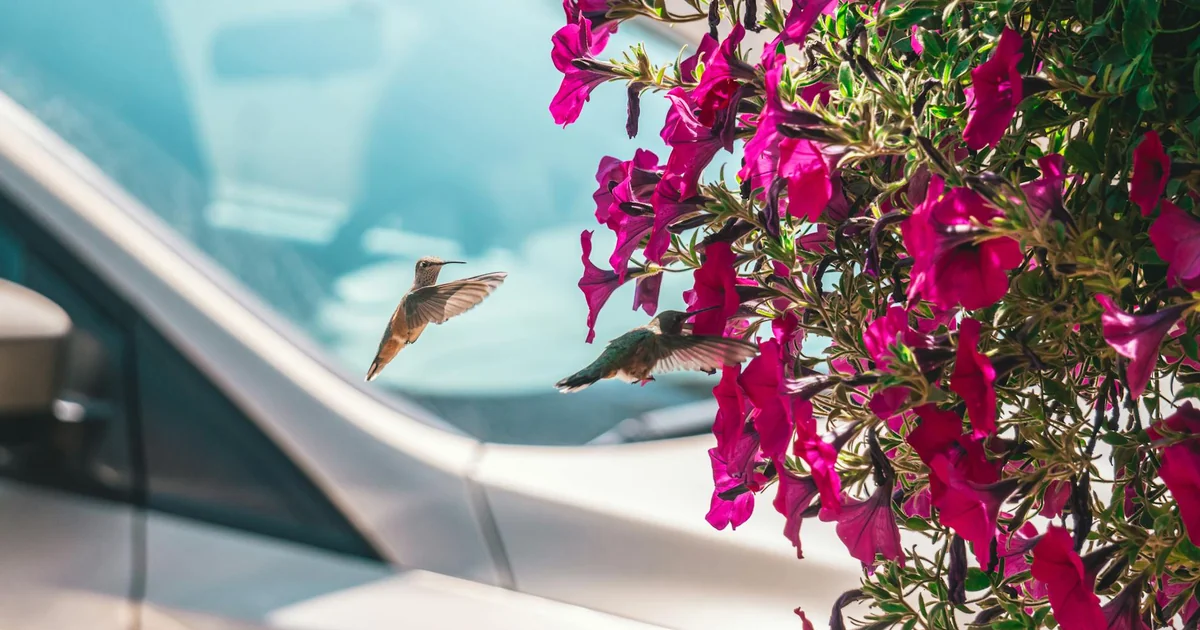
Hummingbirds burn energy at an astonishing rate. A single bird can visit over a thousand flowers in one day. They need reliable, nectar-rich food sources from early spring through late fall. Petunias, with their bright colors and long bloom periods, fit this need remarkably well. But not all petunias are equal in the eyes of a hummingbird. The variety you choose, the color you pick, and how you care for them all matter. Let us explore the five main reasons these birds are drawn to petunias and how you can make your garden their favorite destination.
The Science Behind the Attraction: Why Hummingbirds Like Petunias
Hummingbirds rely heavily on visual cues to find food. Their eyes are adapted to see colors in the red and orange spectrum more vividly than humans can. This is no accident. Flowers that evolved alongside hummingbirds often display these warm hues. Petunias, especially modern hybrids, come in an array of shades that trigger a feeding response in these birds. When you plant red, pink, or orange petunias, you are essentially hanging a bright sign that says “nectar here.”
Beyond color, the shape of the flower matters. Hummingbirds have long, slender bills and even longer tongues. They prefer flowers with tubular or trumpet-shaped corollas that allow them to reach the nectar at the base. Petunias naturally grow in this form. The petals fuse together to create a deep funnel, which is perfectly sized for a hummingbird’s feeding apparatus. This structural match is one of the primary reasons hummingbirds like petunias so consistently.
Another factor is bloom duration. Petunias flower continuously from spring until the first frost, provided they receive proper care. This long window of availability makes them a dependable food source. Hummingbirds learn to remember locations where food is reliable. A garden with abundant, long-blooming petunias will see repeat visitors year after year. The birds develop a mental map of productive feeding spots, and your petunias become a landmark on that map.
5 Reasons Hummingbirds Like Petunias
Let us break down the specific qualities that make petunias so attractive to hummingbirds. Each reason builds on the others, creating a cumulative effect that keeps these birds coming back.
Reason 1: Vivid Colors That Signal a Food Source
Hummingbirds see color differently than humans. Their retinas contain a higher proportion of cone cells sensitive to long wavelengths. This means red, orange, and pink appear exceptionally bright to them. Petunias are available in a stunning range of these colors. Varieties like ‘Bingo Red’ and ‘African Sunset’ produce blooms that practically glow in the eyes of a hummingbird. Studies on hummingbird feeding behavior show that they preferentially visit red and orange flowers over other colors when given a choice. This is not a learned preference; it is hardwired into their brains. Red signals a high-calorie reward. By planting red or pink petunias, you tap directly into this instinct.
Interestingly, hummingbirds will also visit blue and purple petunias, but not as frequently. If your goal is maximum hummingbird traffic, stick with warm tones. A single cluster of bright red petunias can attract a bird from over a hundred yards away. The color acts like a beacon in the landscape. For gardeners with limited space, this is excellent news. You do not need a massive garden to get attention. A few pots of vividly colored petunias on a balcony or patio can be enough to draw hummingbirds in.
Reason 2: Tubular Blooms Built for Long Beaks
The shape of a petunia flower is no coincidence. Its trumpet-like form evolved to accommodate specific pollinators. While bees and butterflies can also access petunia nectar, the flower is especially well-suited to hummingbirds. A hummingbird’s bill ranges from about 15 to 25 millimeters in length, depending on the species. The tubular corolla of a petunia is typically 20 to 30 millimeters deep. This means the bird can insert its bill fully into the flower and reach the nectar with its tongue, which can extend even further.
This efficient fit reduces the energy the bird spends on feeding. Less time probing means more flowers visited per minute. For a creature that consumes up to half its body weight in nectar daily, efficiency is survival. When you choose petunias with elongated, wide-mouthed trumpets, you make feeding easier for the birds. Varieties with double or ruffled petals can sometimes be harder for hummingbirds to access, so stick with single-flowered types for best results. The simpler the bloom, the easier the meal.
Reason 3: Extended Blooming Seasons Provide Reliable Fuel
Petunias are among the longest-blooming annuals available. With proper care, they begin flowering in late spring and continue until the first hard frost. This span of four to six months covers the entire active season for hummingbirds in most regions. Early in spring, migrating hummingbirds arrive exhausted and hungry. They need immediate food sources to replenish their energy reserves. Petunias that bloom early, such as ‘Bingo Red’, can provide that critical first meal. Late in the fall, as other flowers fade, petunias still produce blooms, offering a last chance to fuel up before migration.
This consistency is a major reason hummingbirds like petunias and return to them repeatedly. A bird that finds a reliable food source will visit it multiple times per day. Over a season, that adds up to hundreds of visits. If you deadhead spent flowers regularly, your petunias will produce even more blooms, extending the food supply further. The payoff is a garden that stays active with hummingbird activity from May through October.
Reason 4: Abundant Flower Production Creates a Buffet
Petunias are prolific bloomers. A single healthy plant can produce dozens of flowers over its lifetime. When planted in groups, they create a dense cluster of feeding opportunities. Hummingbirds prefer to feed in locations where they can move quickly from one flower to the next without flying long distances. A patch of petunias offers exactly that. The birds can hover, sip, and move to the next bloom in seconds. This high density of flowers reduces the energy cost of foraging.
For gardeners, this means planting petunias in masses rather than scattering them individually. A grouping of at least five to seven plants in one area will attract more hummingbirds than the same number spread across the yard. The visual impact of a large color block also draws the birds’ attention from farther away. When you combine abundant blooms with bright colors, you create an irresistible feeding station. Hummingbirds will patrol this area regularly, defending it from other birds if necessary.
Reason 5: Adaptable Growth Habits Suit Any Garden Layout
Petunias are remarkably versatile. They grow well in garden beds, borders, hanging baskets, window boxes, and containers. This adaptability means you can place them exactly where hummingbirds can see them. A hanging basket of trailing petunias outside a kitchen window offers a front-row seat to hummingbird activity. A row of upright petunias along a fence line creates a feeding corridor. Because petunias thrive in full sun and tolerate a range of soil conditions, they fit into almost any garden design.
This flexibility is a practical reason why hummingbirds like petunias in home gardens. The birds do not care whether the flowers are in the ground or in a pot. They care about nectar availability and safety from predators. Petunias in containers can be moved to optimize sun exposure and bloom production. You can also place them near windows or seating areas where you can enjoy watching the birds. This human-bird connection is one of the great joys of gardening with petunias. The plants do the work of attracting the birds, and you get to enjoy the show.
Top Petunia Varieties That Deliver for Hummingbirds
Not all petunias are created equal when it comes to attracting hummingbirds. Some varieties have been bred specifically for traits that appeal to these birds. Here are five excellent choices, each with unique strengths.
Petunia ‘African Sunset’
This award-winning variety produces striking orange blooms from spring through early fall. It grows to about 12 inches tall and spreads nicely, making it ideal for both beds and containers. The orange color is especially attractive to hummingbirds, as it falls directly in their preferred visual spectrum. ‘African Sunset’ is also known for its heat tolerance, meaning it keeps blooming even during the hottest summer weeks. For gardeners in warmer climates, this variety is a reliable performer that will keep hummingbirds visiting all season long.
Petunia ‘Bingo Red’
What sets ‘Bingo Red’ apart is its early bloom time. It flowers sooner than many other petunia varieties, providing an early-season nectar source for migrating hummingbirds. The bright red blooms are a classic hummingbird magnet. The plants are compact and upright, reaching about 10 to 12 inches in height, which makes them suitable for small spaces and container gardens. If you want to be the first garden on your block to attract hummingbirds in spring, ‘Bingo Red’ is an excellent choice.
Petunia ‘Easy Wave Pink Passion’
This variety offers a spreading growth habit, reaching about 12 inches tall and spreading up to 30 inches wide. The pink blooms are abundant and eye-catching. ‘Easy Wave Pink Passion’ is low-maintenance and performs well in hanging baskets or as a ground cover. Its trailing habit means the flowers hang down, making them visible to hummingbirds approaching from below. This variety is a strong choice for gardeners who want to cover a lot of visual area with minimal effort.
Petunia ‘Littletunia Red Fire’
As the name suggests, this is a compact variety, growing to about 14 inches tall. But do not let the small size fool you. ‘Littletunia Red Fire’ produces an abundance of bright red flowers that stand out vividly against its dark green foliage. The compact habit makes it perfect for small gardens, window boxes, or the front edge of a border. Hummingbirds will find these blooms easily thanks to the intense red color. This variety is also known for good branching, which means more flowers per plant.
Petunia ‘Success Pink Vein’
This variety features showy pink blooms with delicate veining that adds visual interest. It grows to about 12 inches tall and is known for being one of the lowest-maintenance petunias available. ‘Success Pink Vein’ is highly disease-resistant and requires less deadheading than many other varieties. For gardeners who want to attract hummingbirds without spending hours on upkeep, this is a solid choice. The pink color is reliably attractive to hummingbirds, and the plant’s vigor ensures a long bloom period.
You may also enjoy reading: Tips to Make Compost Tea Like a Pro.
Growing Tips for a Hummingbird-Friendly Petunia Garden
Planting petunias is only half the battle. To maximize their appeal to hummingbirds, you need to care for them properly. Here are actionable steps to keep your petunias productive and attractive all season.
Choose the Right Location
Petunias need full sun to produce the most blooms. Aim for at least six hours of direct sunlight per day. In shadier spots, petunias will grow leggy and produce fewer flowers, which means less nectar for hummingbirds. If you are planting in containers, you can move them to follow the sun. This flexibility is a major advantage for small-space gardeners.
Soil and Watering
Petunias prefer well-drained soil. Heavy clay soils that hold water can lead to root rot and poor flowering. If your garden soil is heavy, consider planting petunias in raised beds or containers with a quality potting mix. Water petunias when the top inch of soil feels dry. For plants in the ground, this usually means watering once or twice a week. For containers, daily watering may be necessary during hot weather. The goal is consistent moisture without waterlogging.
Deadheading and Pruning
Removing spent flowers encourages petunias to produce more blooms. This is called deadheading. It signals the plant to keep flowering rather than setting seed. For small plantings, you can pinch off individual faded flowers. For larger areas, shearing the plants back by about one-third in midsummer can rejuvenate them and trigger a new flush of blooms. This midsummer trim also prevents legginess and keeps the plants compact and attractive.
Avoid Pesticides
This cannot be overstated. Pesticides, including insecticides and even some fungicides, can harm hummingbirds directly or reduce their food supply by killing insects they eat. Hummingbirds consume small insects and spiders for protein, especially during breeding season. If you spray your petunias with chemicals, you risk poisoning the very birds you are trying to attract. Instead, use organic pest control methods like neem oil or insecticidal soap, and apply them only when absolutely necessary. Better yet, encourage natural predators like ladybugs and lacewings to keep pest populations in check.
Fertilize for Continuous Blooms
Petunias are heavy feeders. They need regular fertilization to sustain their long bloom period. Use a balanced, water-soluble fertilizer every two to three weeks during the growing season. Look for a formula with a ratio like 10-10-10 or 20-20-20. Avoid high-nitrogen fertilizers, which encourage leaf growth at the expense of flowers. More flowers mean more nectar, which means happier hummingbirds.
Pairing Petunias with Other Nectar-Rich Plants
While hummingbirds like petunias, these flowers alone may not provide enough nectar to sustain them exclusively. Cultivated petunias have been bred primarily for appearance, not nectar production. Their nectar volume is often lower than that of native wildflowers. To create a truly hummingbird-friendly garden, mix petunias with other nectar-rich plants that bloom at different times and offer complementary resources.
Good companions include bee balm, salvia, trumpet vine, columbine, and fuchsia. These plants also produce tubular flowers in colors that hummingbirds prefer. By combining petunias with these species, you create a diverse feeding station that offers nectar from early spring through late fall. This diversity also supports other pollinators like bees and butterflies, enriching your garden’s ecosystem. A mix of annuals and perennials ensures that even if one plant has an off year, others will fill the gap.
Frequently Asked Questions About Hummingbirds and Petunias
What color petunia do hummingbirds prefer?
Hummingbirds show a strong preference for red, pink, and orange petunias. These colors trigger an instinctive feeding response. However, they will also visit blue and purple petunias, especially if warmer colors are not available. For maximum attraction, plant a mix of red and pink varieties.
How many petunia plants do I need to attract hummingbirds to my yard?
A cluster of at least five to seven petunia plants in one area is enough to catch a hummingbird’s attention. Larger groupings are even more effective. The key is density and color impact. A single pot of petunias may attract occasional visitors, but a mass planting will encourage regular, repeat visits.
Should I plant petunias in full sun or partial shade for best blooms?
Full sun is ideal. Petunias need at least six hours of direct sunlight per day to produce the maximum number of blooms. In partial shade, they will grow but flower less, reducing their appeal to hummingbirds. If your garden has limited sun, choose a spot that receives morning sun, which is cooler and less stressful for the plants.
What other flowers should I mix with petunias to keep hummingbirds coming back?
Combine petunias with other nectar-rich, tubular flowers like salvia, bee balm, fuchsia, and trumpet vine. These plants offer complementary bloom times and higher nectar volumes. A diverse garden provides a continuous food supply, which encourages hummingbirds to establish a regular feeding route through your yard.
Do hummingbirds prefer petunias over other flowers?
Hummingbirds do not necessarily prefer petunias over all other flowers, but they will visit them readily if the color and shape are right. Native plants often produce more nectar than cultivated petunias. However, petunias bloom longer than many native species, making them a reliable supplementary food source. The best approach is to use petunias as part of a diverse planting strategy.
Understanding why hummingbirds like petunias allows you to design a garden that truly supports these remarkable birds. From the vivid colors that catch their attention to the tubular blooms that fit their bills perfectly, petunias offer a combination of traits that hummingbirds find hard to resist. By choosing the right varieties, planting in groups, and providing proper care, you can turn your garden into a hummingbird haven. The result is a living, moving display of nature’s beauty right outside your door.