Summer covers have a unique power in fashion publishing. They signal a shift in mood, a collective exhale after spring’s transitional haze. Vogue Spain’s May 2026 issue attempts to capture that feeling with a sun-drenched portrait of Danish model Ida Heiner. The image, shot on the rugged coastline of the Costa Brava, leans into golden light, tousled hair, and a simple crop top. But for every viewer who calls it beautiful, another sees a missed opportunity. The debate around this cover reveals much about what readers expect from a leading fashion magazine today.
A Sun-Drenched Shoot on the Costa Brava
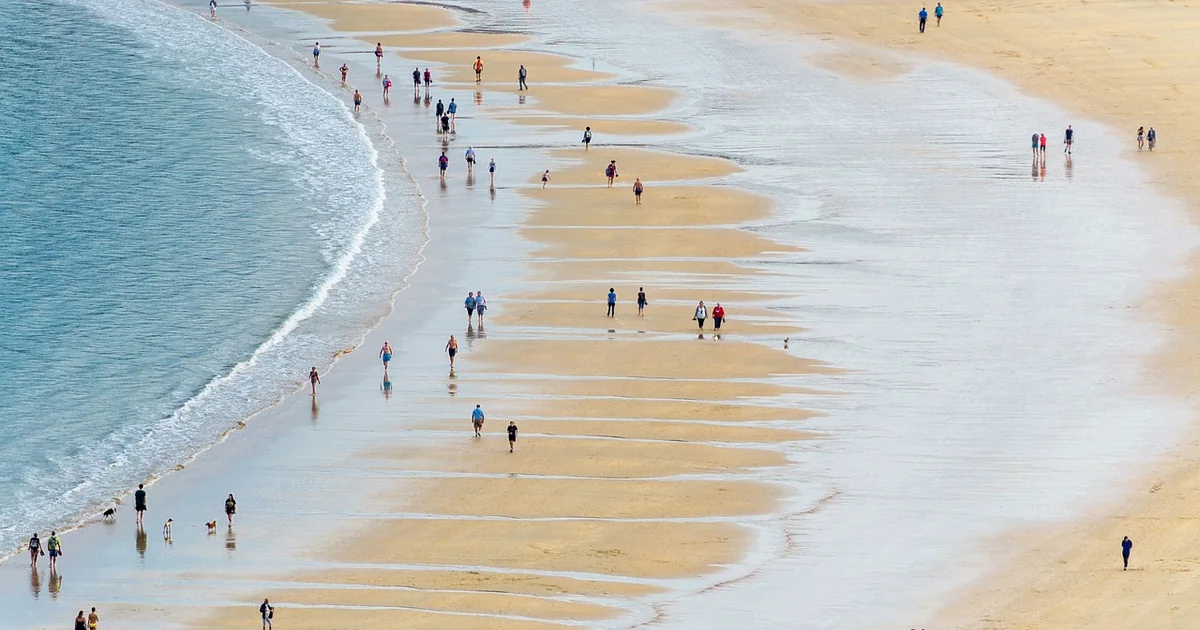
The location alone sets a particular tone. The Costa Brava stretches along the northeastern coast of Spain, known for its rocky coves, pine forests, and crystalline waters. It is a region that has long attracted artists and travelers seeking Mediterranean light. For the May cover, the creative team chose this backdrop to evoke the essence of summer.
Photographer Daniel Jackson captured Ida Heiner in natural daylight, with the sun warming her features and the sea likely visible in the distance. Stylist Tabitha Simmons dressed her in an Emporio Armani crop top, a piece that is both minimal and sculptural. The result is an image that feels candid rather than staged, as if the model paused for a moment during a holiday afternoon.
The pale yellow masthead and text complement the warm color palette. This small typographic choice reinforces the seasonal theme. Many fashion insiders praised this consistency between the image and the magazine’s branding. Others, however, questioned the heavy yellow color grading, arguing it flattened the model’s natural complexion.
Mixed Reactions: Why Magazine Covers Divide Audiences
Every major cover release triggers a spectrum of opinions. The response to Ida Heiner’s Vogue Spain cover is no exception. Longtime readers of the publication have noted that the magazine’s output has become inconsistent in recent years. Some months deliver striking, memorable images. Others feel safe or derivative. This cover sits somewhere in the middle for many.
One camp praises the nostalgic feel. They compare the lighting and styling to classic Vogue Paris editorials from the early 2000s. The voluminous hair, the natural makeup, the relaxed pose — all of these elements recall a time when covers prioritized atmosphere over product placement. For these fans, this cover is a welcome return to form.
Another group finds the execution bland. They argue that the photograph resembles a Zara catalogue or an ELLE advertorial rather than a Vogue cover. The cropping, in particular, has drawn criticism. Some feel the image could have been zoomed out to include more background, giving the viewer a stronger sense of place. A tighter crop, they say, reduces the image to a standard beauty shot.
What Makes a Cover Feel Like Vogue versus a Catalogue?
The debate about this cover raises a larger question: what distinguishes a high-fashion magazine cover from commercial retail photography? The answer is not purely visual. It involves context, prestige, and a certain editorial alchemy.
Vogue covers, at their best, convey a point of view. They are not simply pretty pictures. They communicate a mood, a cultural reference, or a fashion statement that feels deliberate. A catalogue image, by contrast, exists to sell a specific product. The model is a mannequin; the styling is direct; the lighting is even and uncomplicated.
On the surface, Ida Heiner’s cover shows a single garment — a crop top. But the setting, the model’s expression, and the golden hour light all contribute to a narrative about summer escape. The fact that the garment is Emporio Armani, a luxury house, adds weight. Yet for some viewers, the execution lacks the tension or sophistication expected from Vogue. The difference may come down to personal taste, but it also reflects the magazine’s current editorial identity under Inés Lorenzo, who became head of editorial content in 2021.
Ida Heiner’s Rapid Ascent in High Fashion
Ida Heiner first appeared on the fashion scene in 2020 as a Louis Vuitton exclusive. That means Nicolas Ghesquière personally selected her to walk his runway before any other designer could book her. It is a rare honor that signals immediate potential. Since then, she has worked with major houses and appeared in editorial spreads around the world.
Her Danish origin adds an interesting layer. Spanish Vogue has historically featured a mix of Spanish and international talent on its covers. Recent months have included Spanish stars like Úrsula Corberó and Aitana alongside American and British names. Choosing a Danish model for a Spanish summer issue reinforces the magazine’s global reach while also introducing readers to a newer face.
Heiner’s look is often described as classic yet fresh. She has fair features, expressive eyes, and a versatility that allows her to embody different characters. On this cover, she appears relaxed and unguarded, which suits the summer theme. The yellow light warms her complexion, and her hair is styled in loose waves that catch the breeze. It is an image that prioritizes ease over perfection.
The Role of Location in Editorial Storytelling
The Costa Brava is not just a pretty backdrop. It carries cultural and historical associations that enrich the editorial. The region is part of Catalonia, an area with a distinct identity within Spain. It was a favorite destination of artists like Salvador Dalí, who lived in nearby Cadaqués. The rugged landscape has appeared in countless films and photographs, often symbolizing a wild, romantic coast.
You may also enjoy reading: Fashion PIM Software: A Step-by-Step Guide to Centralize and Automate Catalogs.
By shooting here, Vogue Spain aligns itself with a tradition of Mediterranean escapism. This is not a generic beach shoot. It is a deliberate choice to evoke a specific geography. The golden light, the rocky shoreline, the sense of open space — these elements create a fantasy that many readers find irresistible, especially as summer approaches.
However, a location is only as effective as its use in the final image. Some critics of the cover argue that the background is too blurred or cropped tight, minimizing the impact of the setting. A wider shot could have allowed the Costa Brava to breathe, making the travel fantasy more immersive. This is a trade-off that photographers and editors face constantly: focus on the model or tell a story of place.
Vogue Spain Under Inés Lorenzo: A New Direction?
Inés Lorenzo took the helm of editorial content at Vogue Spain in 2021. Since then, the magazine has experimented with different visual styles and talent rosters. Some covers have been praised for their boldness, while others have been labeled as safe. This inconsistency may be a natural part of finding a new identity, or it may reflect the challenges of balancing tradition with innovation.
The May 2026 cover fits within Lorenzo’s broader strategy of alternating major celebrities with rising models. It also continues the magazine’s habit of shooting on location within Spain. Previous covers have featured urban settings in Madrid and Barcelona, as well as natural landscapes like the Balearic Islands. The choice of the Costa Brava for this shoot feels intentional and coherent with that pattern.
Still, the mixed reception suggests that Vogue Spain has not yet fully locked in a visual identity that pleases both long-time subscribers and new readers. The challenge is to create covers that feel both fresh and unmistakably Vogue — a balance that few magazines achieve every month.
Summer Fashion Editorials: Trends and Expectations
May covers across the globe typically introduce the season’s key themes. For 2026, early signals point toward a return to natural textures, sunlit palettes, and effortless silhouettes. Ida Heiner’s cover embodies many of these trends. The crop top is a staple of summer dressing, and the simple styling allows the light and landscape to take center stage.
Editors often face a tension between showcasing new season fashion and creating a mood that resonates emotionally. A cover that shows a full look in a studio may be product-focused. A cover that captures a model in a landscape, with minimal clothing, leans toward fantasy. The Ida Heiner cover leans heavily into fantasy. That works for some readers, but others want to see more fashion information — a clearer view of the clothes, the accessories, the trends.
In the age of social media, magazine covers also function as shareable content. A striking image can generate buzz and attract attention beyond the subscriber base. The divisive reaction to this cover may actually work in its favor, as debate drives engagement. Every person who complains about the yellow grading or the tight crop is still talking about the image, keeping it in the cultural conversation.
The Enduring Appeal of the Summer Cover
Despite the varied opinions, one thing is clear: summer covers matter. They signal a shift in tone, a moment of optimism, a permission to relax. For Vogue Spain, the May 2026 issue with Ida Heiner is a bid to capture that feeling. Whether it succeeds depends on the viewer’s personal taste. But the cover has already accomplished one thing — it has sparked discussion about what a fashion magazine should look like, both in summer and throughout the year.