Summer heat can silently damage your indoor plants, even when they sit safely inside your home. The truth is that summer is not easy for either people or their houseplants. Rising temperatures, intense sunlight, dry indoor air, and inconsistent watering routines all put stress on your green companions. The good news is that with a few intentional adjustments to your indoor plant summer care routine, you can help them thrive through even the hottest months.
7 Easy Tips for Indoor Plant Summer Care
Tip 1: Shield Your Plants from Harsh Afternoon Sunlight
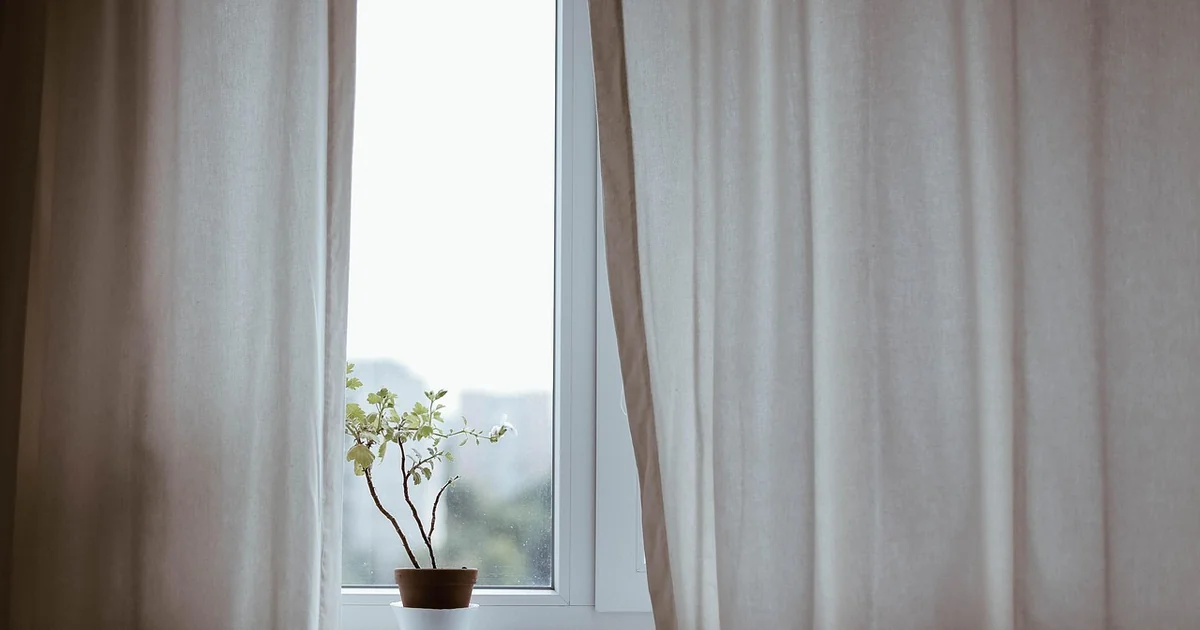
The summer sun delivers intense, direct rays that can overwhelm plants accustomed to gentler indoor light. Windows that face west or south often blast indoor plants with several hours of unrelenting brightness, which causes leaves to scorch, fade, or curl at the edges. The first step in solid indoor plant summer care is recognizing that bright sunlight is not always better sunlight. Move your pots a few feet away from the window or hang sheer curtains to filter the intensity. Your plants will still receive plenty of brightness, but without the burn. Bright indirect light works well for the vast majority of common houseplants.
Tip 2: Master the Art of Summer Watering
Warm weather tricks many plant owners into watering more often. The impulse makes perfect sense. Hotter air dries the soil faster, so reaching for the watering can feels logical. Yet overwatering is one of the most common summer mistakes. Drowning the roots is just as dangerous as leaving them dry. The safest approach is to stop following a fixed calendar and instead check the actual moisture level of the soil before you water. Poke your finger about an inch into the potting mix. If it still feels damp, wait another day. Checking soil moisture before watering prevents root rot and keeps your plants stable through the season. This simple habit is a cornerstone of smart indoor plant summer care.
Amazon US Verified
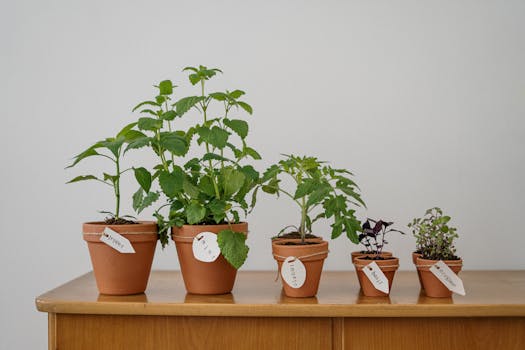
Digital 3-in-1 Soil Moisture & pH Meter
Accurate probe to test deep root zone moisture and prevent accidental overwatering.
Tip 3: Boost Humidity Around Your Plants
Air conditioning and ceiling fans make summer bearable for humans, but they dry out the indoor air significantly. Many houseplants, especially tropical varieties like ferns and calatheas, originate in humid environments where moisture hangs in the air. When the air in your home becomes too dry, leaf tips turn brown and growth slows down noticeably. You do not need to buy a humidifier to fix this. Group several plants close together so they create a shared microclimate. Place their pots on trays filled with pebbles and a shallow layer of water. As the water evaporates, it raises the humidity right around the leaves. Misting the foliage occasionally also helps, particularly during heat waves when the air feels especially parched.
Tip 4: Keep Those Leaves Sparkling Clean
Indoor plants collect dust just like your furniture does, but there is no breeze inside to blow those particles away. Over time, that thin layer of dust blocks sunlight from reaching the leaf surface, which reduces the plant’s ability to photosynthesize and produce energy. Clean leaves mean better growth, improved air circulation around the plant, and a clearer view for spotting early signs of pests or disease. Take a soft, damp cloth and gently wipe each leaf every two to three weeks during summer. The difference in appearance is immediate, and the long-term benefits to the plant’s health are significant. Your greenery will look greener and breathe easier with this simple routine.
Tip 5: Stay Vigilant Against Summer Pests
Warm temperatures create ideal conditions for houseplant pests to multiply fast. Spider mites, aphids, mealybugs, and whiteflies all thrive during summer and can quickly turn a healthy plant into a stressed one. These tiny invaders sap energy from the leaves and stems, causing yellowing, wilting, and sticky residue. The key is regular inspection. Look underneath the leaves, along the stems, and near the soil surface where pests like to hide. Catching them early makes all the difference. A quick wipe with soapy water or a diluted neem oil solution usually eliminates the problem before it spreads. Waiting until you see visible damage makes the battle much harder.
Tip 6: Be Smart About Fertilizing
Summer is a period of active growth for many indoor plants, so reaching for fertilizer feels logical and helpful. But applying extra nutrients during extreme heat can actually stress the roots and cause nutrient burn. The leaves may turn yellow at the edges or look scorched even though you watered properly. The safer approach is to follow a standard feeding schedule and never exceed the recommended dose written on the package. If a heat wave settles in, skip the fertilizer entirely and let the plant focus on surviving rather than pushing new growth. A steady, moderate approach to feeding supports long-term health far better than an overly generous hand.
You may also enjoy reading: Queen Camilla’s Private Heatwave-Ready Pool.
Tip 7: Circulate the Air in Your Home
Stale, stagnant air encourages fungal problems and makes it harder for plants to transpire normally. During summer, indoor environments can become stuffy and heavy, especially in rooms without cross-ventilation. Open your windows during the coolest part of the day, typically early morning or late evening, to let fresh air move through the space. A small fan set on low speed also helps, as long as it is not blowing directly onto the plants. Constant direct airflow can dry out the leaves too fast and cause the soil to lose moisture unevenly. Gentle air movement that mimics a natural breeze creates the kind of environment where indoor plants flourish.
Frequently Asked Questions
How do I know if my indoor plant needs to be repotted during summer?
Summer is an excellent time to repot because roots grow actively during warm months. Look for roots poking out of the drainage holes or circling the top of the soil surface. If water runs straight through the pot without soaking in, the soil has likely broken down and needs replacing. Choose a container that is one to two sizes larger than the current one and use fresh, well-drained potting mix. Light-colored pots help keep the root zone cooler than dark ones, which is a simple way to protect the plant from overheating.
Amazon US Verified
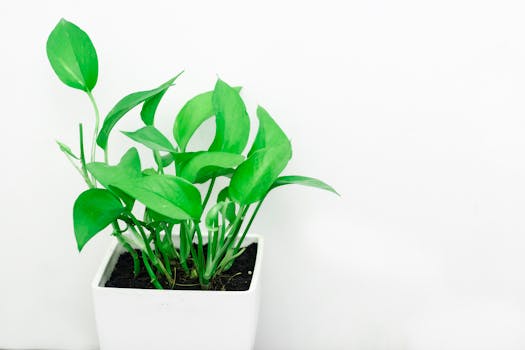
Organic Perlite Horticultural Soil Conditioner
Lightweight volcanic mineral that improves root aeration and prevents compaction.
What should I do if my plant already shows signs of sunburn?
Move the affected plant away from the window immediately. Trim off the most damaged leaves because they will not recover, and the plant can redirect energy toward healthier growth. Sheer curtains offer a practical fix: they reduce light intensity while still letting in plenty of brightness for photosynthesis. Keep an eye on the new leaves that emerge. They should come in undamaged once the plant adjusts to its new position with filtered light.
Is it safe to leave a fan running near my indoor plants all day?
A fan running on low speed in the same room is generally fine, but do not point it directly at the plants. Constant direct airflow can dry out the leaves too quickly and cause the soil to lose moisture unevenly from one side of the pot to the other. Instead, aim the fan so it circulates air around the room without blasting any single plant. Opening windows during cooler hours for natural ventilation is gentler and just as effective at keeping the air fresh.
Amazon US Verified
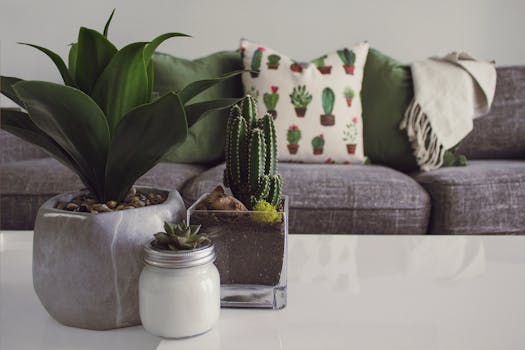
Self-Watering Planters with Drainage Aerators
Elevated reservoir design that prevents soggy roots and ensures steady hydration.
Even with the best intentions, it is easy to overlook the subtle signs that summer is taking a toll on your indoor plants. Yellow leaves, brown spots, and drooping stems are early warnings that something needs to change. By staying attentive to light levels, watering habits, humidity, cleanliness, pests, fertilizing, and airflow, you can catch problems before they escalate. Your plants will reward you with steady growth and vibrant foliage all season long.
As an Amazon Associate, azuloz.com earns from qualifying purchases.