There is a fine line between a charmingly naturalistic English garden and an overgrown mess. Getting that coveted cottage look means balancing orderly structure with wild, self-seeding plants. It is a push-pull that gardeners have been perfecting for centuries, and it is more popular than ever as homeowners seek sustainable, lower-maintenance alternatives to rigidly manicured yards. The United Kingdom’s National Trust describes this style as a “structured informality,” a phrase that captures the careful dance between control and chaos. If you want to bring this look home, you need more than a handful of pretty flowers. You need a plan.
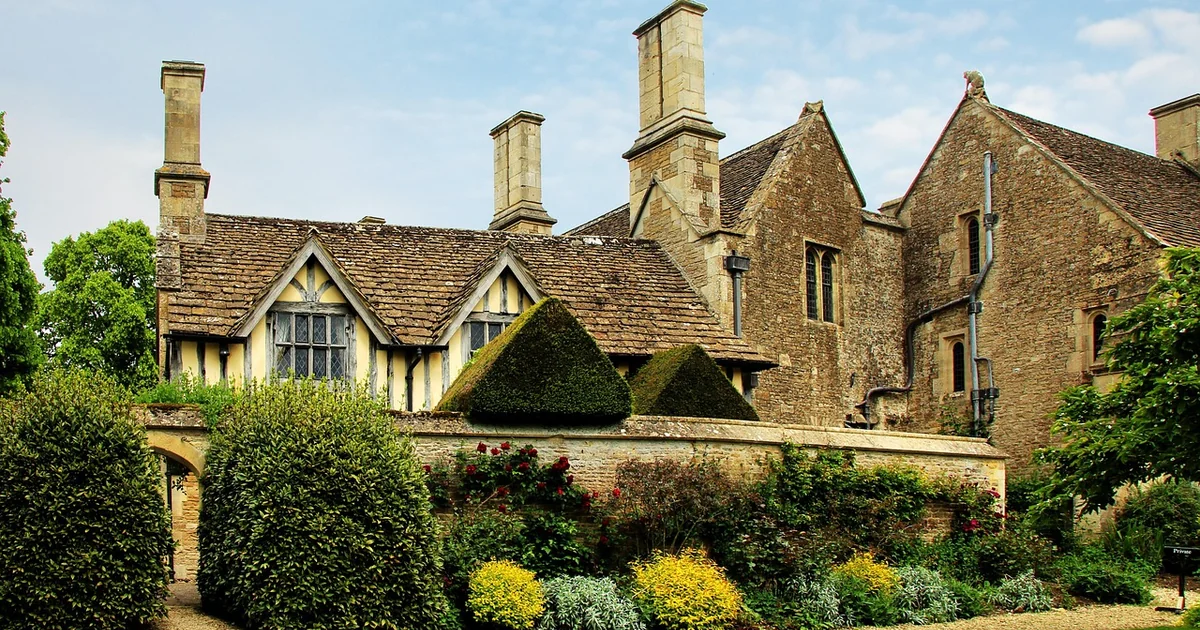
Below are seven english garden design ideas that will help you create a cottage-style landscape full of charm, color, and year-round interest. These tips come from expert insights and time-tested techniques used at historic gardens like Gravetye Manor in the Sussex countryside.
Choose a Color Scheme That Mimics Nature
How do you choose colors for a mixed border without making it look chaotic? The secret is to stop thinking like a painter and start thinking like a naturalist. Nature puts plants together in combinations that human designers can only dream of replicating. You can be quite free with color theory, but you still need a guiding framework.
Tom Coward, head gardener at Gravetye Manor, advises focusing on how colors go together and how they contrast. Pick a combination and then choose plants that fall within that scheme. At Gravetye, Coward pairs blue and orange flowers because they sit opposite each other on the color wheel. He then throws in pink flowers for what he calls “a bit of a clash.” It is slightly controversial, he admits, but it creates visual excitement.
The real challenge is keeping everything cohesive. Coward has used triadic schemes of orange, purple, and green, as well as analogous schemes of yellow, orange, and pink. The trick is that the overall background color of green ties everything together. No matter how bold your choices, the foliage acts as a neutral canvas that unifies the entire border.
Use Leaf Texture to Create Movement
What role does leaf texture play in creating a sense of movement? Most gardeners focus on flower color, but texture is actually more important for visual punch. A border full of similar leaf shapes looks flat, even if the blooms are spectacular. Texture brings a dynamic quality that makes the garden feel alive.
Coward explains that texture in a plant is determined by its leaf size. Plants with large leaves, such as lamb’s ear, lady’s mantle, or heuchera, add coarse texture. Plants with wispy, ferny, or narrow leaves, like daylilies, yarrow, and ornamental grasses, add fine texture. Medium-sized leaves from irises, euphorbia, and azaleas fill the middle ground.
Amazon US Verified
Self-Watering Planters with Drainage Aerators
Elevated reservoir design that prevents soggy roots and ensures steady hydration.
Mixing these leaf textures gives your border more visual punch. A good mix of textures will make your garden look good whether it is blooming or not. Here is where it gets interesting: Coward suggests taking a photo of your border in black and white to see the leaf textures better. If you do not see enough variation in that black-and-white image, mix in some plants with different leaf sizes. Do not be afraid to move plants around each season to tweak your design.
Let Plants Self-Seed for a Naturalistic Look
How can you get a self-sustaining, wild look in a formal garden? One of the easiest ways is to include plants that drop seeds and come back on their own. This technique creates a naturalistic element that feels effortless, even though it requires a bit of initial planning.
Think of annuals and perennials like zinnias, calendula, cosmos, coneflower, columbine, poppies, lupine, or asters. These plants are generous with their seeds. Once established, they will pop up in unexpected places, adding irregularity and charm to your borders. Coward says you can get a self-sustaining population of plants that brings a naturalistic element to a formal planting. That wild aspect is very beautiful and quite important because it brings irregularity to the garden. It also means a little less work for you when the flowers plant themselves.
Anchor the Border with Shrubs and Trees
Why are shrubs and trees essential to a mixed border’s structure? Without woody material, a garden is just a collection of flowers that peaks for a few weeks and then disappears. Shrubs, trees, and large clumps of ornamental grasses serve as anchor plants that give structure all through the year.
Coward calls these plants anchor plants, and he uses azaleas, roses, and heathers at Gravetye Manor. He says woody material is so important because it gives you structure. Without shrubs, you do not have a garden. These anchor plants provide a backdrop for the changing seasons. When spring bulbs fade and summer perennials have not yet peaked, the shrubs hold the space. They give your eye something to rest on and prevent the border from looking empty.
Fill Gaps with Tender Perennials in Late Spring
What is the trick to keeping a mixed border full of flowers all season? Even the best-planned borders have gaps. Spring blooms fade, and some perennials take time to fill out. The solution is to use tender perennials that you set out in late spring.
You may also enjoy reading: Red Fruit Soup: 5 Chilled Recipes.
At Gravetye, Coward and his staff set out cannas and salvias in late spring to fill in gaps in mixed borders. These plants are grown to full size in pots before being placed into the garden. They add a lush, tropical feel and provide instant color at a time when the border might otherwise look sparse. This technique works well for cottage gardens because it allows you to adjust the composition each year based on what needs filling.
Incorporate Ornamental Grasses for Fine Texture
Ornamental grasses are not just for modern landscapes. They play a vital role in English cottage gardens by adding fine texture and movement. Their narrow leaves and wispy seed heads contrast beautifully with broad-leafed perennials and shrubs.
Grasses like feather reed grass, blue fescue, and fountain grass sway in the breeze, bringing a sense of life to the border. They also provide winter interest when many other plants have died back. Coward groups ornamental grasses with his anchor plants, treating them as structural elements rather than afterthoughts. Their fine texture balances the coarse texture of plants like lady’s mantle and heuchera, creating the visual rhythm that makes a mixed border feel cohesive.
Create a Wildflower Meadow Edge
To put it simply, the cottage garden look is about softening boundaries. One way to achieve this is by letting the border blur into a wildflower meadow or a patch of native grasses. This transition from cultivated to wild is a hallmark of English garden style.
Even a small strip of meadow along the edge of a lawn or driveway can make a difference. Choose native wildflowers that thrive in your region and mix them with ornamental grasses. The meadow will attract pollinators, reduce the need for mowing, and create a seamless flow between your garden and the surrounding landscape. This approach aligns with the sustainable ethos that has driven the resurgence of english garden design ideas in recent years.
Frequently Asked Questions
What is the difference between an English garden and a cottage garden?
An English garden is a broad category that includes formal, informal, and naturalistic styles. A cottage garden is a specific subtype that emphasizes dense planting, self-seeding annuals, and a relaxed, romantic feel. English gardens often incorporate structured elements like hedges and topiary, while cottage gardens lean heavily toward flowering perennials and edibles.
How much maintenance does an English cottage garden require?
Less than a traditional manicured garden, but more than a completely wild yard. The self-seeding plants reduce the need for annual replanting, and the mixed borders require less frequent deadheading than formal rose gardens. However, you will still need to divide perennials, prune shrubs, and manage weeds. Expect to spend a few hours each week during the growing season.
Can I create an English garden in a small urban yard?
Absolutely. The principles of mixed borders, color schemes, and texture work in any space, from a tiny patio to a sprawling estate. Use containers to grow anchor plants like dwarf shrubs and ornamental grasses. Self-seeding annuals like calendula and cosmos thrive in pots and window boxes. The key is to layer plants of different heights and leaf textures, even in a small footprint.
These seven english garden design ideas give you a practical roadmap to creating a cottage-style landscape that feels both intentional and wild. Start with a color scheme, layer in texture, and let some plants do the work for you. With a little patience and a willingness to experiment, you can cultivate a garden that looks like it has been there for a hundred years.
As an Amazon Associate, azuloz.com earns from qualifying purchases.