You may think you already know the ladybug, with its bright red shell and charming spots. But the true hero of your garden starts life looking like a tiny, spiky dragon. Ladybug larvae are among the most powerful beneficial insects for natural garden pest control. These young predators voraciously feed on common pests such as aphids, offering effective biological pest control without any chemicals. Unlike the beetle you welcome onto your plants, the larva undergoes a complete metamorphosis through the ladybug life cycle: moving from egg to larva, then pupa, and finally into the adult ladybug. This practical guide will help you spot these larvae, understand their soil-friendly benefits, and attract more of them to your welcoming garden.
What Do Ladybug Larvae Look Like? Identification Tips
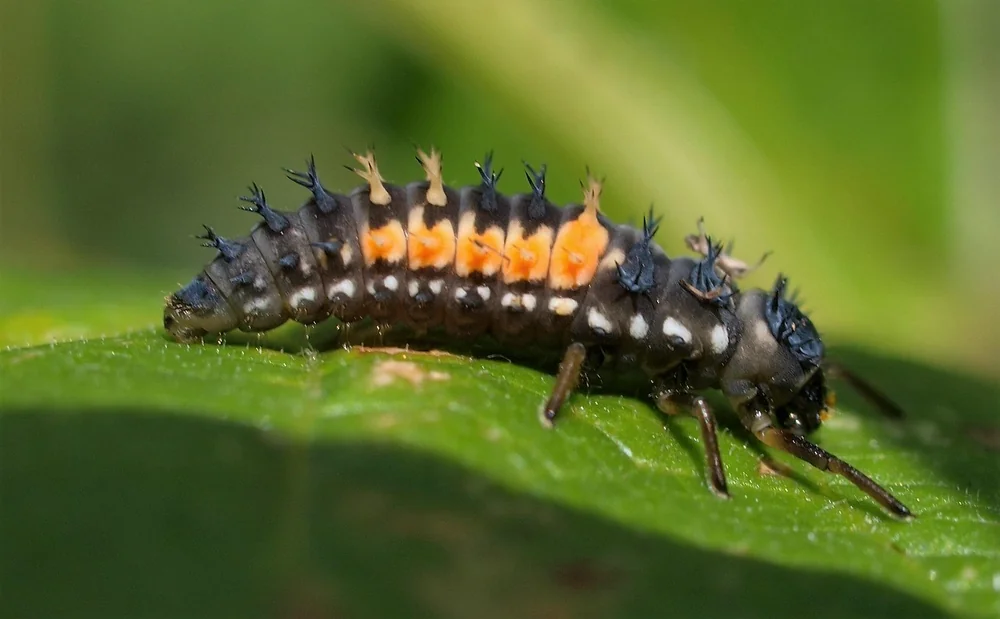
Spotting a ladybug larva in your garden can be tricky at first. They look like tiny alligators, not the red beetles you expect. Their dark, spiky bodies stretch out as they crawl, making them easy to mistake for something harmful. Understanding their true appearance will help you welcome these beneficial creatures rather than shooing them away.
Key Physical Features
Ladybug larvae have a striking look once you know what to search for. Their bodies are elongated and segmented, with a dark gray or black coloring accented by small orange or yellow markings. Tiny spines run along their backs, adding to that alligator-like appearance. They move briskly across leaves and soil as they hunt for aphids and other soft-bodied pests.
Size changes as the larva grows through its stages, but it remains small enough to blend in with garden debris. Remember that ladybug larvae are harmless to humans. They do not bite, sting, or carry any threat to you or your children. If you see a strange black spiky insect crawling on a plant stem, it is likely a friend, not a foe.
Common Look-Alikes to Avoid
Not every dark, elongated insect in your garden is a ladybug larva. Some garden pest larvae share a similar shape and color, which can cause confusion. Learning a few simple differences makes ladybug larva identification much easier.
- Ladybug larva: Distinct orange or yellow spots on a dark body, with obvious spines and a flattened appearance. Moves quickly and often hunts in open areas on leaves.
- Harmful beetle larva: Usually more uniform in color, without bright markings. Can appear fatter or more worm-like, and may curl into a C-shape when disturbed.
- Caterpillars: Softer bodies with visible legs along the entire length, while ladybug larvae have legs concentrated near the front. Caterpillars often travel in slower, looping motions.
Paying attention to body shape, color patterns, and movement will help you tell beneficial from harmful larvae at a glance. Once you recognize the alligator-like insect for what it truly is, you will feel confident letting it roam freely in your garden beds.
How Ladybug Larvae Benefit Garden Soil and Plants
These larvae are not just harmless—they actively improve your garden’s health by controlling pest populations. As efficient feeders, they play a vital role in the garden ecosystem. By keeping destructive insects in check, they help your plants stay strong and your soil remain balanced. The work these small creatures do has a ripple effect that supports the entire garden.
Feeding Habits and Prey
Ladybug larvae are impressive aphid predators. A single larva can eat about 400 aphids in three weeks before it pupates. That is significant pest reduction from one small insect. If aphids are not available, these adaptable larvae will turn to other garden pests such as soft scale, whitefly pupa, thrips, and spider mites. This flexibility makes them a valuable partner in natural pest control. You can rely on them to handle a range of common problems without any effort on your part.
Impact on Plant Health
When pest populations stay low, your plants face less damage. Healthier plants develop stronger root systems, which directly benefits soil health. Less pest pressure also means you can reduce or avoid chemical treatments, allowing your garden ecosystem to function more naturally. By welcoming ladybug larvae into your beds, you create a low-maintenance, self-regulating environment where both plants and soil thrive together.
The Complete Life Cycle of a Ladybug: From Egg to Adult
Understanding the ladybug’s metamorphosis helps you know when and where to find larvae in your garden. Ladybugs go through complete metamorphosis with four stages: eggs, larvae, pupae, and adults. Recognizing each phase makes it easier to welcome these helpful insects throughout the season. For the sevenspotted lady beetle, development from eggs to adults takes about six weeks, giving you a clear window to spot them in action.
Egg Stage
Every ladybug begins as a tiny egg. The ladybug lays five to 30 eggs under a leaf, often in a tight cluster. This careful placement keeps them hidden from predators. Interestingly, some of these eggs are infertile and serve as food for hatchlings once they emerge. The infertile eggs provide an immediate protein boost, helping the first larvae survive. You might notice these small, yellow-orange clusters on the undersides of leaves near aphid colonies—the perfect nursery for hungry newborns.
Larval Stage and Molting
After two to 10 days, the larvae hatch and begin feeding immediately. They focus on soft-bodied plant pests like aphids, mites, and scale insects. During this hungry stage, they grow quickly and molt four times. Each molting sheds their old skin, allowing them to increase in size. This is the stage when ladybug development is most visible—look for small, alligator-like creatures crawling over your plants. They are ravenous eaters, so spotting them is a good sign that your garden is getting natural pest control.
Pupal Stage
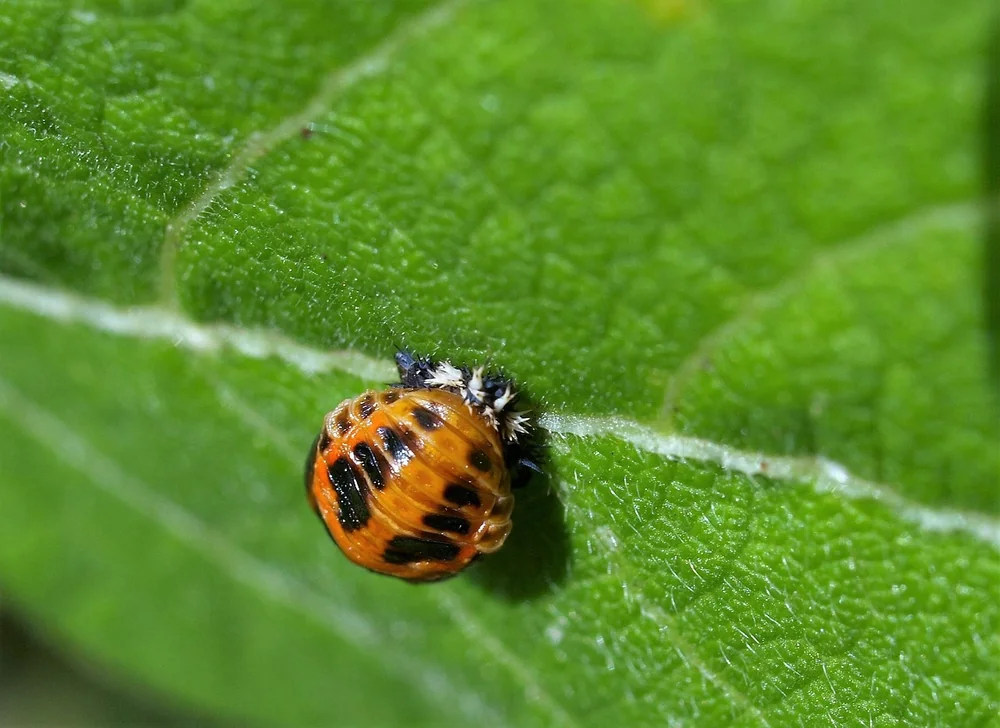
Once the larvae finish feeding and reach their final size, they attach themselves to a leaf or stem and enter the pupa stage. This quiet period spans seven to 15 days, during which the ladybug stays still on a leaf. Inside the pupal casing, the insect undergoes a dramatic transformation. You may see a small, stationary, dark shape clinging to a leaf—do not mistake it for a dead bug. It is simply resting and rebuilding into its adult form.
Adult Emergence
When the pupa stage ends, a new adult ladybug emerges. At first, its outer shell, or cuticle, is soft and pale yellow. Over several hours, the cuticle hardens and turns vibrant red, developing the familiar spotted pattern. The ladybug then flies off to feed and reproduce. Recognizing this full life cycle helps you appreciate the hard work happening right in your garden beds, from tiny eggs to helpful adults.
How to Attract or Purchase Ladybug Larvae for Your Garden
Want to boost your garden’s natural defenses? Here’s how to get ladybug larvae working for you. Whether you prefer to invite them in naturally or bring them in directly, there are simple ways to make these helpful insects part of your garden’s ecosystem.

Creating a Ladybug-Friendly Habitat
The most low-maintenance approach is to make your garden an inviting place for ladybugs to settle and lay eggs. Adult ladybugs need food and shelter before they will choose your garden as a home for their young. Plant a mix of pollen and nectar-rich flowers to attract them. Flat-topped blossoms like dill, fennel, and cilantro are practical choices, as are daisy-like flowers and yarrow. These provide the nectar that adult ladybugs feed on while they patrol for pests.
Once adult ladybugs feel at home, they will lay their eggs on leaves where aphids or other soft-bodied pests are present. This ensures that when the larvae hatch, their food source is right there. By creating this welcoming habitat, you encourage a natural cycle that supports ongoing garden pest management without needing to buy anything.
Where to Buy Larvae
If your garden needs a quicker boost, you can purchase ladybug larvae from reputable suppliers. Buying them as larvae rather than adults is a budget-friendly and effective strategy. Larvae are already in their active feeding stage and will immediately begin consuming pests in your garden. When you buy ladybug larvae, look for suppliers that specialize in beneficial insect release. They should provide clear instructions for release and care. Keep in mind that larvae need a ready food source, so only release them in areas where you have confirmed pest activity. This targeted approach gives you the best return on your effort and supports long-term garden health.
Geographic Range and Common Species of Beneficial Ladybug Larvae
Not all ladybugs are the same—some species are more effective in certain regions. Understanding the geographic range and common types of ladybug larvae can help you choose the best natural helpers for your garden. While all ladybugs are predators, different species have adapted to thrive in specific climates and environments.

Common Species Overview
Two of the most widespread and beneficial ladybug species are the Asian lady beetle and the sevenspotted lady beetle. The Asian lady beetle is typically larger in size and tends to congregate in clusters, making it easy to spot during both its larval and adult stages. This species is highly adaptable and can be found across many parts of North America, Europe, and Asia.
The sevenspotted lady beetle is another common and valuable species, especially in North America and Europe. For the sevenspotted lady beetle, development from eggs to adults takes about six weeks. This relatively quick life cycle means that their larvae are actively feeding on aphids and other soft-bodied pests throughout the growing season, providing consistent pest control in your garden.
Regional Considerations
When selecting ladybug species for your garden, consider your local environment. Native ladybugs are often better suited to your region’s specific pests and weather patterns than introduced species. For example, the sevenspotted lady beetle thrives in temperate climates, while Asian lady beetles are more tolerant of varied conditions.
If you live in an area where Asian lady beetles are common, you may notice their larvae clustering together in large groups. This behavior is normal and actually beneficial, as it allows them to tackle heavy pest infestations more effectively. On the other hand, if you want to support local biodiversity, look for native ladybug species that are naturally found in your region. Many garden centers and online suppliers offer larvae of specific species suited to your geographic area.
By choosing the right ladybug species for your location, you can ensure that their larvae will thrive and provide the best possible pest control for your garden. A simple way to start is to observe which adult ladybugs are already visiting your yard—their larvae will be equally effective.
Potential Negative Impacts of Ladybug Larvae on Garden Ecosystems
While mostly beneficial, ladybug larvae can have some downsides in certain garden settings. It is helpful to know about these so you can maintain a healthy ecosystem balance and make informed choices about the native vs non-native species in your yard.
Competition with Native Species
One concern involves the spread of invasive species, particularly the Asian lady beetle. These beetles are typically larger in size and tend to congregate in clusters, unlike many of the smaller, solitary native ladybugs. When Asian lady beetles move into an area, their larvae often outcompete native ladybug larvae for food, such as aphids. This can disrupt garden biodiversity, reducing the number of helpful local species over time. If you notice many large, clustered adult beetles in your garden, their ladybug larvae may be non-native. You can still appreciate their pest control, but it is wise to keep an eye on the overall population to ensure native species have room to thrive.
Minor Nuisances
Another potential drawback is that ladybug larvae may bite if handled, though a ladybug bite is not harmful. The larvae are harmless to humans—they cannot sting and do not carry diseases—but their pinch can be startling, especially for children. If you or your kids are handling plants where larvae are active, simply wear gardening gloves or gently brush them off instead of picking them up. This minor nuisance is a small trade-off for their voracious appetite for pests, but it is worth knowing so you can keep your garden experience pleasant.
In rare cases, if Asian lady beetle larvae are very numerous indoors, they can become a temporary annoyance. Keeping window screens and door sweeps in good repair helps prevent them from entering your home. Especially when outdoor populations are high, maintaining a balance between welcoming beneficial insects and protecting your indoor space is key.
Frequently Asked Questions
What do ladybug larvae look like exactly, and how can I identify them in my garden?
Ladybug larvae look nothing like the adult beetles you might expect. They are elongated, soft-bodied insects, often dark gray or black with bright orange or yellow spots or bands. To identify them, look for small, alligator-like creatures with six legs crawling on leaves where aphids are present—they are voracious predators, not pests.
Are ladybug larvae harmful to humans or pets?
No, ladybug larvae are completely harmless to humans and pets. They do not bite, sting, or carry diseases, making them a safe and family-friendly addition to any garden. Their only mission is to hunt and eat soft-bodied pests like aphids, so you can let them work without worry.
Do ladybug larvae eat anything besides aphids?
Yes, while aphids are their favorite food, ladybug larvae also consume other soft-bodied garden pests. This includes scale insects, mealybugs, spider mites, and small caterpillars, making them valuable allies for natural pest control. By attracting ladybug larvae, you get a low-maintenance, budget-friendly solution for a healthier garden soil and plants.