Manzanita shrubs carry a persistent reputation for being difficult to grow, but the real reason most attempts fail is surprisingly simple: gardeners try too hard. Too much summer water, too much soil improvement, too much attention. If you want to successfully plant manzanita in your landscape, the trick is learning to care for it by doing very little. Once you understand what this native Californian shrub truly needs, you will find it one of the most resilient and rewarding plants for dry climates.
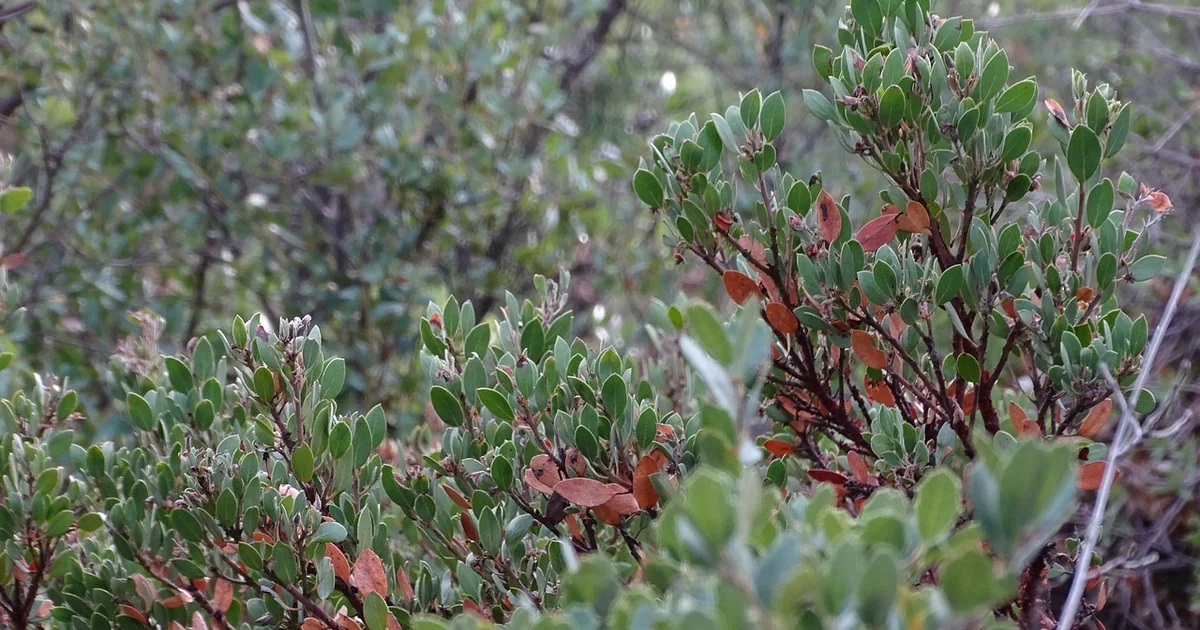
Tip 1: Choose a Location with Excellent Drainage and Full Sun
Before you dig a single hole, finding the right spot is the most critical step. Manzanitas are native to the rocky slopes of California, the North Coast Range, and the Sierra Nevada. They evolved in soils that drain rapidly after winter rains and then bake dry in summer. Recreate those conditions in your yard, and your manzanita will thrive.
Why Drainage Matters More Than Anything Else
Manzanitas cannot tolerate soggy soil or standing water. Their roots are adapted to porous, rocky ground that never stays wet. If you plant a manzanita in a low area where water pools after a storm, or next to a lawn that gets frequent irrigation, the roots will suffocate and fungal rot will set in.
In moister climates—such as the Pacific Northwest—planting on a berm or mounded hill is essential. A raised bed of native soil that sits 12 to 18 inches above the surrounding grade allows excess water to run off quickly. Even in drier regions, avoid placing manzanita near thirsty perennials or automatic sprinkler systems that run in summer.
Sunlight Needs
Full sun is ideal for most manzanita species. In inland locations with intense afternoon heat, a bit of light shade during the hottest part of the day can prevent leaf scorch. Aim for a spot that receives at least six to eight hours of direct sun. Good air circulation also helps keep foliage dry and reduces disease risk.
Soil Preparation
Do not amend the soil at planting time. Manzanitas thrive in poor, infertile ground. Adding compost, peat moss, or fertilizer can actually harm them by retaining too much moisture or encouraging lush growth that attracts pests. The ideal pH range is acidic to neutral, roughly 4.0 to 7.0, but they tolerate a range as long as drainage is exceptional.
Tip 2: Plant at the Right Time and in the Right Way
Timing matters as much as technique. Most manzanitas should be planted in late fall or early winter, just before the cool, wet season begins. This gives the roots several months to establish in cool soil before summer heat arrives.
The Proper Hole
Dig a hole twice the width of the root ball but no deeper than the container. The top of the root ball should sit even with or slightly above the surrounding soil. Backfill with the same native soil you removed—no amendments. Water thoroughly immediately after planting to settle the soil and eliminate air pockets.
Spacing
Space multiple manzanita shrubs 5 to 15 feet apart, depending on the mature size of the variety. A low-growing groundcover like Arctostaphylos uva-ursi can be planted closer, while tree forms such as Arctostaphylos manzanita need more room. Check the tag on your specific cultivar and give it space to spread.
Handling the Root Ball
Manzanita roots are sensitive. They do not like being disturbed. If the root ball is root-bound, gently loosen the outer roots with your fingers. But avoid cutting or tearing them. A slow, careful planting reduces transplant shock.
Tip 3: Water Sparingly — Especially After the First Year
This is where most gardeners go wrong. Manzanitas need very little water once established. In fact, watering in summer is the single fastest way to kill one.
First-Year Watering
During the first growing season, water deeply when the top few inches of soil feel dry. This might mean once every two to four weeks, depending on your climate and soil type. Soak the root zone slowly to encourage deep root growth. Never water on a fixed schedule; always check the soil moisture first.
No Summer Water After Establishment
After the first year, manzanitas need no supplemental summer water beyond natural rainfall. They are adapted to California’s dry summers and will go dormant if necessary. If you apply summer water, especially during hot weather, you create conditions for fungal pathogens such as Phytophthora root rot, which can kill the plant quickly.
Signs of Overwatering
Yellowing leaves, drooping branches, or blackened stems often indicate too much moisture. If you see these symptoms, stop watering immediately and improve drainage if possible. It may already be too late, but many plants recover if caught early.
Tip 4: Never Fertilize — Manzanita Thrives on Neglect
Manzanitas have evolved to survive in nutrient-poor soils. They form symbiotic relationships with mycorrhizal fungi that help them extract minerals from rock and gravel. Adding fertilizer disrupts this partnership and can burn the delicate roots.
The Danger of Nitrogen
High-nitrogen fertilizers encourage soft, rapid growth that is more susceptible to pests and diseases. Even compost or manure can cause problems because they release nutrients slowly but still alter the soil chemistry. The best approach is to do nothing. If your manzanita looks pale or stunted, the issue is almost always drainage or sunlight, not a lack of food.
You may also enjoy reading: 5 Signs It’s the Right Time to Plant Sunflowers.
Avoid Nutrient Leaching from Neighbors
Be mindful of what grows nearby. If you water and fertilize a lawn adjacent to your manzanita, nutrients can leach into the manzanita’s root zone. That unintended feeding can harm it. Keep a buffer of at least 3 to 5 feet between manzanita and regularly fertilized plants.
Tip 5: Prune Only When Necessary, and Do It Right
Many manzanita varieties require no pruning at all. Their natural forms are attractive, with smooth red bark, twisting branches, and clusters of urn-shaped flowers. But sometimes pruning is beneficial for shaping, removing dead wood, or improving air circulation.
When to Prune
The best time to prune manzanita is in late spring after flowering. Avoid heavy pruning in fall or winter, as that can remove next season’s flower buds. Also avoid pruning during hot, dry weather because open wounds can desiccate.
How Much to Cut
Remove no more than one-third of the plant’s total growth in a single season. Focus on cutting out dead, diseased, or crossing branches. Make cuts just above a leaf node or branch junction at a 45-degree angle. Use clean, sharp pruning shears to minimize damage.
Let It Be Natural
Manzanitas are not hedge plants. Do not shear them into formal shapes. Their beauty lies in their wild, sculptural forms—twisted bark, peeling outer layers revealing shiny mahogany beneath. A light hand with the pruners preserves that character.
Frequently Asked Questions About Growing Manzanita
Can I grow manzanita in a humid climate?
Manzanitas struggle in areas with high humidity because persistent moisture on the leaves and roots encourages fungal diseases. If you live in the Southeast or coastal Pacific Northwest, choose a well-drained, raised planting site and avoid overhead watering. Even then, survival is not guaranteed. Mediterranean climates are ideal.
How long does it take for a manzanita to reach full size?
Growth rate varies widely by species. Low-growing groundcovers may spread several feet in two to three years. Upright shrubs and trees can take 10 to 15 years to reach their mature height of 8 to 20 feet. Factors like sun, soil, and water availability influence speed.
Are manzanita roots invasive?
No. Manzanita roots are fibrous and relatively shallow, spreading about as wide as the canopy. They do not damage foundations, sidewalks, or underground pipes. This makes them suitable for planting near structures, provided drainage is good.
What animals and insects are attracted to manzanita?
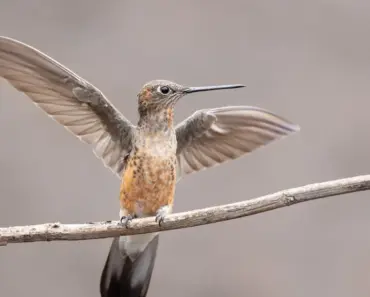
Manzanita is a magnet for pollinators. Hummingbirds visit the pink or white urn-shaped flowers in winter and early spring. Bees and butterflies also feed on the nectar. Later, the small reddish berries attract birds, including quail, thrushes, and finches. The dense foliage provides shelter for small mammals.
Can manzanita be grown in containers?
It is possible but challenging. Manzanitas have deep taproots and dislike confined root zones. If you try a container, use a very large pot (at least 18 to 24 inches wide) with drainage holes and gritty, fast-draining soil. Water extremely sparingly. Expect a shorter lifespan than in-ground plants.
Manzanitas are not for every garden, but where they fit, they deliver year-round interest with minimal demands. Their twisted red bark, delicate flowers, and drought tolerance make them a standout in xeriscape designs and native plant landscapes. The secret is simple: give them the right place, then step back. Let nature do the rest. That is the only way to truly grow them well.