5 Low-Maintenance Lawn Tips for Healthier Grass With Less Work
A low maintenance lawn does not come from neglect. It comes from building healthier grass and soil so the yard needs less watering, fertilizer, weed control, and repair. Sustainable landscape designer Edwina von Gal, founder of the nonprofit Perfect Earth Project, advocates a nature-based approach built around taller grass, fewer chemical inputs, recycled clippings, deeper roots, and greater plant diversity. :contentReference[oaicite:0]{index=0}
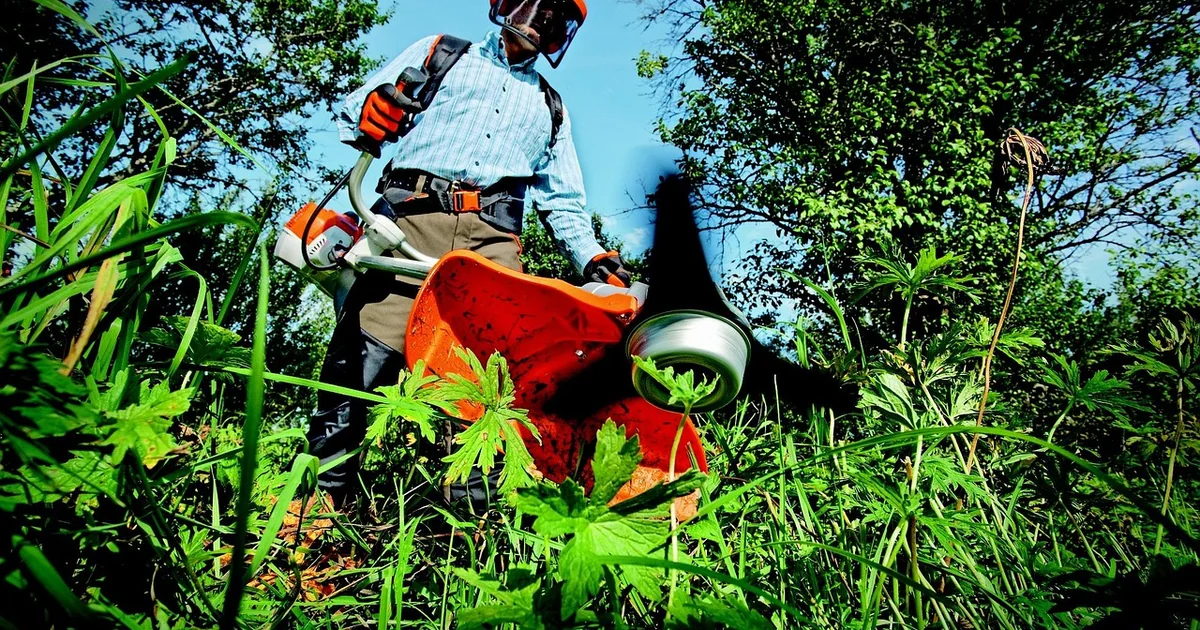
The principles are simple, but some details need to be adapted to your grass species, soil, rainfall, and climate. Here are five practical ways to spend less time managing your lawn while making it more resilient.
1. Mow Higher Instead of Cutting the Lawn Short
One of the easiest ways to reduce lawn maintenance is to stop mowing grass extremely short. Von Gal recommends keeping many lawns around 3.5 to 4 inches tall. Longer grass blades shade the soil, helping reduce moisture loss and making it harder for some weed seedlings to establish. They also support stronger root growth. :contentReference[oaicite:1]{index=1}
The exact height should still match the grass you grow. The U.S. Environmental Protection Agency recommends using the tallest suitable height within the recommended range for your turfgrass species; its general guidance notes that mowing heights between about 2 and 4 inches work for many lawns. :contentReference[oaicite:2]{index=2}
Another useful rule is to avoid removing more than roughly one-third of the grass blade in a single mowing. If you return from vacation to an overgrown lawn, gradually reduce the height over two or more mowings rather than cutting it dramatically in one pass. :contentReference[oaicite:3]{index=3}
Keep the mower blade sharp
A sharp mower blade makes a cleaner cut, while a dull blade tears the leaf tips. Regularly inspect and sharpen or replace blades when necessary, especially during periods of frequent mowing. There is no need to follow an arbitrary weekly sharpening schedule; how often a blade needs attention depends on mowing hours, lawn size, soil conditions, and whether it strikes sticks, stones, or other debris. EPA lawn-care guidance likewise recommends mowing with sharp blades. :contentReference[oaicite:4]{index=4}
Low-maintenance payoff: Taller, properly cut grass can shade the soil, support deeper roots, conserve moisture, and make the lawn more competitive with weeds.
2. Water Deeply, but Only When the Lawn Actually Needs It
Constant light watering can encourage roots to remain close to the soil surface. A better strategy for an established lawn is generally to water deeply enough to wet the root zone and then wait before watering again. Perfect Earth Project guidance emphasizes deep, less frequent irrigation rather than automatically running sprinklers every day. :contentReference[oaicite:5]{index=5}
Amazon US Verified
Digital 3-in-1 Soil Moisture & pH Meter
Accurate probe to test deep root zone moisture and prevent accidental overwatering.
Von Gal has suggested watering no more than about twice a week as a useful upper limit in many situations, but that should not be treated as a universal schedule. Soil type, rainfall, temperature, grass species, season, local watering restrictions, and whether the lawn is newly established can all change how much irrigation is appropriate. :contentReference[oaicite:6]{index=6}
Instead of watering according to the calendar, check the lawn first. If rain has already supplied enough moisture, skip irrigation. EPA guidance notes that longer grass and deeper roots can improve drought resistance and reduce unnecessary water use. :contentReference[oaicite:7]{index=7}
Measure what your sprinkler actually delivers
If you use overhead sprinklers, place several straight-sided containers around the irrigation zone and compare how much water collects. This can reveal dry spots, overspray, and uneven sprinkler coverage. It is more useful than assuming that running a sprinkler for a certain number of minutes delivers the same amount everywhere.
Watering early in the morning is usually preferable because temperatures are cooler and evaporation is lower than during the heat of the day.
Low-maintenance payoff: Watering according to actual need encourages a more resilient root system and avoids wasting time and water on an already-moist lawn.
3. Leave Grass Clippings and Reduce Unnecessary Fertilizer
Bagging every grass clipping creates an extra chore while removing nutrients that could be returned to the lawn. Von Gal recommends mulch mowing so finely chopped clippings fall between the grass blades and decompose in place. Perfect Earth Project describes those clippings as free food for the lawn. :contentReference[oaicite:8]{index=8}
EPA guidance supports the same practice. Leaving short grass clippings in place returns nutrients to the soil and can reduce the amount of fertilizer a lawn requires. :contentReference[oaicite:9]{index=9}
If you do not own a dedicated mulching mower, you can often still grasscycle successfully. Mow frequently enough that the clippings are short and disperse easily. When clippings form thick piles because the grass was excessively tall or wet, spread them out, compost the excess, or collect only the heavy clumps rather than automatically bagging the entire lawn.
Do not assume every lawn needs routine fertilizer
Skipping automatic fertilizer applications can save both money and work. Fertilizer should be used because the lawn actually needs nutrients, not simply because a seasonal lawn-care calendar says it is time.
This is also an environmental issue. Excess nutrients can leave landscapes through runoff and enter nearby waterways, so EPA recommends applying fertilizer only when necessary and at appropriate rates. :contentReference[oaicite:10]{index=10}
If your grass remains thin or discolored despite appropriate mowing and watering, consider a soil test before adding products. Local cooperative extension services can provide recommendations that account for regional soils and grass species.
Low-maintenance payoff: Leaving clippings eliminates a disposal chore, recycles nutrients, and may reduce how much purchased fertilizer the lawn needs.
4. Accept Clover, Violets, and Other Useful Lawn Plants
A lawn does not need to consist of a single grass species to look attractive. Maintaining a perfectly uniform turf monoculture often requires substantially more intervention than allowing a controlled mixture of compatible low-growing plants.
Von Gal encourages homeowners to become more comfortable with plants such as clover and violets instead of automatically treating every non-grass plant as a weed. Clover is particularly useful because legumes can form relationships with nitrogen-fixing bacteria, while flowering plants can provide food for pollinators. :contentReference[oaicite:11]{index=11}
The right volunteers vary by region, however. A plant that is beneficial in one location can be inappropriate or invasive somewhere else. Before intentionally encouraging an unfamiliar species, check guidance from a local extension service or native-plant organization.
A more diverse lawn can still look intentional
You do not have to turn the entire yard into a meadow. Keep the areas used for walking, play, entertaining, or pets as functional lawn while allowing compatible flowering plants to coexist within the turf. You can also replace unused lawn edges with native groundcovers, shrubs, or planting beds.
Perfect Earth Project goes further by encouraging homeowners to reconsider how much lawn they truly use. Reducing unnecessary turf can eliminate mowing, irrigation, and fertilizer requirements altogether in those areas. :contentReference[oaicite:12]{index=12}
You may also enjoy reading: 7 Fragrant Houseplants to Freshen Your Home Year-Round.
Overseed thin areas instead of fighting every weed
A dense lawn leaves less open soil for unwanted plants to establish. Overseeding at the appropriate time for your grass type can therefore be more productive than repeatedly treating isolated weeds. Perfect Earth Project notes that fall is a good overseeding period for many cool-season lawns, although timing differs considerably for warm-season grasses. :contentReference[oaicite:13]{index=13}
Amazon US Verified
Self-Watering Planters with Drainage Aerators
Elevated reservoir design that prevents soggy roots and ensures steady hydration.
Low-maintenance payoff: A slightly more diverse lawn can require fewer herbicide treatments while providing additional ecological value and keeping bare areas covered.
5. Aerate Compacted Soil When There Is a Reason to Do It
Aeration can be valuable, but it should not become another unnecessary annual chore. Its main purpose is to relieve soil compaction so air and water can move more effectively through the root zone.
Amazon US Verified
Organic Perlite Horticultural Soil Conditioner
Lightweight volcanic mineral that improves root aeration and prevents compaction.
Compaction is most likely where lawns experience repeated foot traffic, vehicle traffic, play, or activity on heavy soil. Warning signs can include persistent puddling, thin grass in heavily used areas, and soil that is difficult to penetrate even when reasonably moist.
Perfect Earth Project recommends aeration for compacted lawns and notes that a broad fork can be practical for smaller areas, while mechanical equipment makes sense on larger properties. :contentReference[oaicite:14]{index=14}
Core aeration is usually the most useful approach
For heavily compacted turf, a core aerator removes small plugs of soil and leaves temporary openings in the surface. The plugs can normally remain on the lawn and break down naturally.
If you plan to overseed, aeration can also create better seed-to-soil contact. Timing matters, though. Aerate when the grass is actively growing and able to recover rather than during severe heat, drought, or dormancy.
Low-maintenance payoff: Aerating only when compaction is actually present helps improve the root environment without adding another unnecessary routine task.
A Simple Low-Maintenance Lawn Routine
If conventional lawn care feels like an endless sequence of mowing, watering, feeding, spraying, and repairing, simplify the system before adding more products.
- Mow at an appropriate taller height for your grass species.
- Remove no more than about one-third of the grass blade at a time.
- Keep mower blades sharp for cleaner cuts.
- Leave short clippings in place instead of routinely bagging them.
- Water according to soil moisture and weather, not simply a timer.
- Reduce routine fertilizer and pesticide use and address specific problems only when necessary.
- Allow compatible lawn flowers where they make sense.
- Overseed thin turf at the appropriate season for your grass.
- Aerate compacted areas rather than aerating automatically every year.
- Replace unused lawn with regionally appropriate plants when practical.
Frequently Asked Questions About Low-Maintenance Lawns
Can I leave grass clippings if I do not have a mulching mower?
Usually, yes. As long as the clippings are short and spread evenly, they can decompose on the lawn. If mowing produces large wet clumps, redistribute or compost the excess. Grasscycling is recommended by the EPA as a way to return nutrients to the soil rather than sending clippings away as waste. :contentReference[oaicite:15]{index=15}
Will leaving grass clippings create thatch?
Normal short mowing clippings generally decompose quickly and are not considered the primary cause of problematic thatch. Problems are more likely when the layer of partially decomposed stems, roots, and other resistant plant material accumulates faster than it breaks down. Avoid leaving thick mats of excessively long or wet clippings on the surface.
How can I tell whether my lawn needs aeration?
Look for evidence of compaction rather than aerating simply because it is on a lawn-care checklist. Persistent thin turf in heavily traveled areas, poor infiltration, puddling, and very hard soil are useful clues. Lawns on heavily compacted or clay-rich soils are more likely to benefit than loose, well-drained lawns with little traffic.
How often should a low-maintenance lawn be watered?
There is no single schedule that works everywhere. Established grass may need little supplemental irrigation during rainy periods and considerably more during prolonged heat or drought. Grass species, soil, climate, season, shade, and local water restrictions all matter. The goal is to encourage deeper roots while avoiding both chronic overwatering and severe drought stress. EPA WaterSense specifically recommends adjusting irrigation according to landscape needs rather than treating frequent watering as automatic. :contentReference[oaicite:16]{index=16}
Does a low-maintenance lawn mean never using fertilizer?
Not necessarily. Von Gal’s approach aims to minimize or eliminate routine synthetic inputs by improving soil health, retaining clippings, and welcoming plants such as clover. But individual lawns differ. If a soil test or local turf specialist identifies a genuine nutrient deficiency, an appropriate amendment may be useful. The low-maintenance principle is to apply only what the lawn needs rather than treating fertilizer as a mandatory seasonal step.
What is the best mowing height for low-maintenance grass?
Von Gal commonly recommends approximately 3.5 to 4 inches for the lawns she discusses, while EPA guidance emphasizes staying toward the upper end of the recommended mowing range for the particular turfgrass being grown. Some warm-season grasses are naturally maintained shorter, so identifying your grass type is important before changing mower height. :contentReference[oaicite:17]{index=17}
The Easiest Lawn Is One That Works With Its Conditions
Creating a low maintenance lawn is less about finding a miracle product and more about removing unnecessary work. Mow high enough for healthy growth, return clippings to the soil, irrigate only when needed, tolerate useful diversity, and correct compaction when it actually occurs.
Those changes align closely with Perfect Earth Project’s broader philosophy of nature-based, toxic-free land care and with current EPA recommendations on mowing height, grasscycling, efficient irrigation, and responsible fertilizer use. :contentReference[oaicite:18]{index=18}
The result may not resemble an intensely manicured golf course, but that is precisely the point: a resilient lawn should be able to stay functional and attractive without demanding constant chemical treatments and hours of maintenance every weekend.
As an Amazon Associate, azuloz.com earns from qualifying purchases.