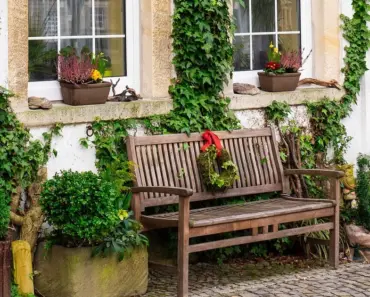
Imagine walking into your backyard after a long, demanding week at work. Instead of seeing a chaotic jungle of weeds, wilted stems, and dying leaves, you are greeted by a symphony of color, textures, and life. You see vibrant blooms, swaying grasses, and a sense of structured beauty that feels intentional and lush. This is the dream for many homeowners, yet the reality often involves spending every precious weekend on your hands and knees, pruning, weeding, and battling pests. The frustration of a high-maintenance garden can quickly turn a relaxing hobby into a relentless chore.
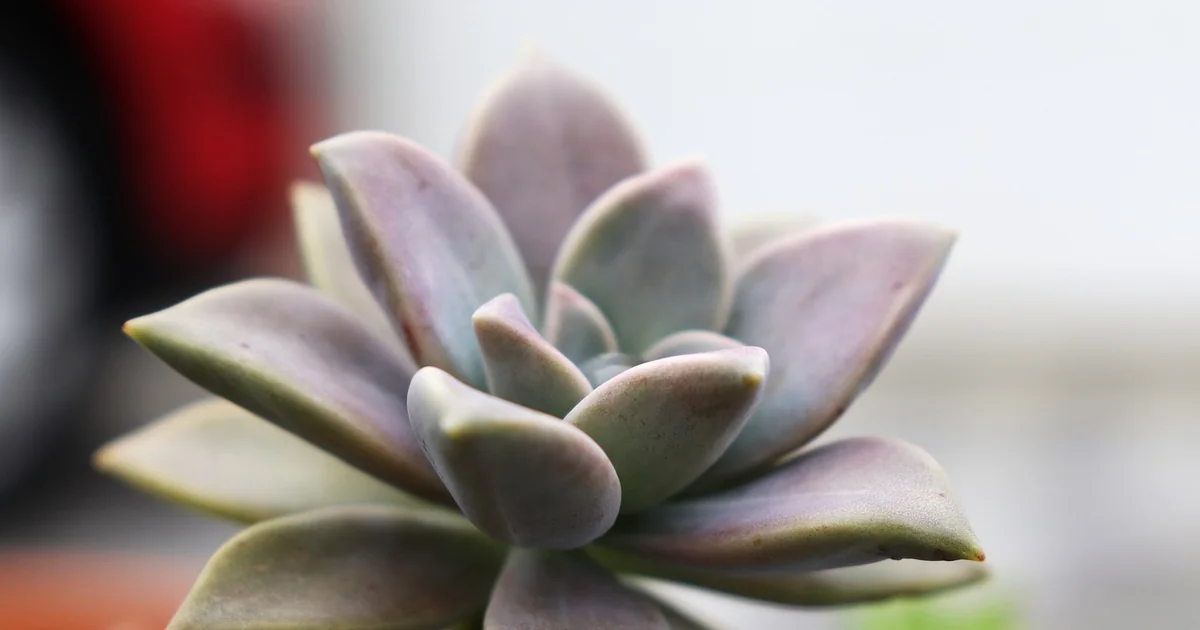
The secret to a lush garden isn’t more work; it’s smarter plant selection. You do not have to choose between a stunning landscape and a free schedule. By focusing on low maintenance plants, you can build a garden that works for you, rather than one that you work for. These resilient varieties are designed to thrive with minimal intervention, allowing you to spend your time enjoying the view rather than managing the mess. Whether you are a beginner feeling intimidated by complex care guides or a busy professional with limited time, selecting the right species is the foundation of a stress-free outdoor space.
9 Beautiful Plants That Give the Most Reward for Less Effort
To help you transition from a high-stress gardener to a relaxed observer, I have selected nine specific plants that offer incredible visual impact with remarkably little upkeep. These selections cover a range of textures, colors, and heights, ensuring you can create a layered, professional-looking garden with minimal sweat equity.
1. Iceberg Floribunda Rose
If you think roses are high-maintenance, this one will change your mind. Most people associate roses with delicate petals that drop at the slightest breeze and a constant battle against black spot and mildew. However, the Iceberg Floribunda Rose is a notable exception to this rule. It is celebrated in the horticultural world for its exceptional disease resistance and its ability to produce clusters of crisp, white flowers almost continuously from late spring through the arrival of autumn.
The beauty of this variety lies in its “set it and forget it” nature. While traditional roses might require intensive deadheading (the process of removing faded blooms to encourage new growth), the Iceberg rose is quite forgiving. It produces such a high volume of flowers that the individual faded blooms are often lost in the sea of new white clusters. Once you have planted it in a sunny spot with well-draining soil, it will establish a sturdy presence in your garden that requires very little from you other than an occasional seasonal prune.
2. Green Spice Coral Bells
Not every part of a beautiful garden needs to be a flower. In fact, some of the most successful low maintenance plants are those grown primarily for their foliage. Green Spice Coral Bells (Heuchera) is a perfect example of a plant that provides year-round interest through its leaves rather than just a fleeting seasonal bloom. This variety is particularly prized for its silver-green foliage accented by striking burgundy veining, creating a sophisticated color palette that works in almost any garden design.
One of the standout features of Green Spice is its versatility in lighting. While many flowering perennials demand full sun to thrive, Coral Bells excel in shady spots. This makes them an ideal solution for those “difficult” corners of the garden where nothing seems to grow. They are compact, mound-forming plants that add texture and color to the ground layer, helping to suppress weeds and create a lush, carpet-like effect. They require very little feeding and are remarkably resilient once their root systems are established.
3. Millenium Allium
If you want to add a sense of architectural drama to your garden without the drama of difficult care, Millenium Allium is a stellar choice. As spring transitions into summer, these plants produce striking, globe-shaped purple flowers that sit atop sturdy stems. They look almost sculptural, providing a clean, modern aesthetic that contrasts beautifully with softer, more flowing plants. They are also a massive hit with pollinators, acting as a magnet for bees and butterflies.
Unlike some bulb varieties that can be finicky about soil depth or moisture, Millenium Allium is incredibly easy to manage. It is a clump-forming perennial that naturalizes easily, meaning it will spread slowly and reliably to fill in gaps over time. This “self-filling” quality is a huge advantage for those who want a full-looking garden without having to constantly purchase and plant new specimens. Once the purple globes fade, the foliage remains tidy, requiring nothing more than a quick trim at the end of the growing season.
4. Summer Snowflake Viburnum
For those looking to add height and structure to their landscape, a shrub is often a necessity. However, many shrubs require constant pruning to maintain their shape or frequent fertilizing to produce flowers. The Summer Snowflake Viburnum breaks this mold by offering elegant, layered branches and waves of delicate white flowers with very little input. It provides a sense of permanence and “bones” to a garden, helping to define different areas of your outdoor space.
This shrub is a powerhouse of ecological value. Beyond its visual appeal, it serves as a vital resource for local wildlife. The flowers provide nectar for insects, and the berries that follow offer a food source for birds. This creates a living, breathing ecosystem in your backyard that feels much more significant than a simple collection of potted plants. Once it has reached its desired size, the Summer Snowflake is a dependable, sturdy companion that adds seasonal interest through its flowers, foliage, and fruit.
5. Fire Dragon Maiden Grass
Ornamental grasses are perhaps the ultimate tool for the busy gardener. They provide movement, texture, and a sense of softness that can break up the rigidity of hardscapes like fences or stone walls. Fire Dragon Maiden Grass is a standout in this category, offering feathery plumes and a graceful, upright habit that catches the light beautifully. It adds a dynamic element to the garden, swaying gently in the breeze and creating a soothing visual effect.
The maintenance required for this grass is almost non-existent. While some grasses require complex pruning schedules, the Fire Dragon Maiden Grass only needs a single, simple cutback once a year. In late winter or early spring, before new growth begins, you can simply trim the old foliage down to the ground. This one-time annual task ensures the plant stays healthy and makes room for fresh, vibrant growth. It is an effortless way to add height and a sense of “wild” elegance to your landscape.
6. Sarah Bernhardt Peony
There is a reason why peonies have been a garden staple for generations. They possess a romantic, old-world charm that is difficult to replicate. The Sarah Bernhardt Peony, in particular, is famous for its massive, fragrant pink blooms that look almost too perfect to be real. For many gardeners, the sheer scale and beauty of a peony bloom make it worth every bit of the initial planting effort.
The “secret” to the peony’s low-maintenance reputation is its incredible longevity. While many perennials may only last a few seasons before looking ragged or dying off, a well-placed peony can thrive in the same spot for decades. Once the plant is established and its root system is deep, it becomes incredibly self-sufficient. It doesn’t require frequent dividing or heavy fertilizing. As long as it has the right amount of sun and well-drained soil, it will return every spring with reliable, breathtaking displays, becoming a cornerstone of your garden’s history.
7. Magnus Purple Coneflower
If you are looking to create a garden that feels natural and integrated with the surrounding environment, look no further than the Magnus Purple Coneflower. As a prairie native, this plant is biologically programmed to thrive in many temperate climates without much help. Its daisy-like petals and prominent central cones provide a striking visual that lasts for months, stretching from midsummer well into the autumn.
One of the most rewarding aspects of the Purple Coneflower is how it supports the local ecosystem. It is a powerhouse for pollinators, but its benefits don’t end when the flowers fade. The dried seed heads that remain through the winter are a crucial food source for songbirds. By leaving these heads intact, you are providing a natural bird feeder in your own backyard. This “low-effort” approach—simply leaving the plant alone—actually provides more value to the local wildlife than intensive gardening would.
8. Butterfly Weed
If you want bold color with almost zero upkeep, Butterfly Weed is hard to beat. This tough, perennial plant is a specialist in attracting pollinators, particularly Monarch butterflies, which rely on it as a host plant. Its vibrant orange clusters of flowers provide a pop of intense color that can brighten even the most muted garden corners. It is the kind of plant that demands attention visually while demanding almost nothing physically.
You may also enjoy reading: 3 DIY Weed Killers I Tried That Actually Work.
Butterfly Weed is built for resilience. It is highly drought-tolerant and actually prefers soil that isn’t overly rich, which is a reversal of what many gardeners are taught. This makes it perfect for areas where the soil might be sandy or poor in organic matter. It thrives on a bit of neglect, making it an ideal choice for those who want a high-impact, pollinator-friendly garden without the need for constant watering or soil amendments. It is a plant that truly rewards the “hands-off” approach.
9. Neptune Catmint
For a garden that feels soft, abundant, and slightly ethereal, Neptune Catmint is a standout. This plant produces clouds of blue-purple flowers that can last for several months, providing a cooling visual effect in the heat of summer. It has a mounding habit that makes it excellent for filling gaps in borders or spilling over the edges of stone pathways, creating a sense of movement and softness.
What makes Neptune Catmint particularly clever is its ability to be “recycled” mid-season. If you find that the flowers are starting to look a bit tired in mid-summer, you can simply shear the plant back by about half. This light pruning often triggers a second flush of growth and a new round of blooms, effectively doubling your flowering season with just a few minutes of work. It is a highly efficient plant that offers a high return on investment for very little time spent.
Strategies for Long-Term Success
Selecting the right plants is the most important step, but how you implement them determines whether they remain low-maintenance or become a burden. To ensure your garden stays easy to manage, consider these three practical strategies.
The Power of Mulching
If there is one single task that will save you hours of weeding and watering, it is mulching. Applying a thick layer of organic mulch—such as shredded bark, compost, or leaf mold—around your plants serves several critical functions. First, it acts as a physical barrier that prevents weed seeds from reaching the soil and germinating. Second, it helps retain moisture in the ground, significantly reducing the frequency with which you need to water. Finally, as the mulch breaks down over time, it slowly adds nutrients back into the soil, feeding your plants naturally.
To do this correctly, apply a layer about two to three inches deep around your plants, but be careful not to pile it directly against the stems or trunks of your shrubs and perennials. Piling mulch too high can cause rot or encourage pests. Think of it as a blanket that protects the soil, rather than a mound that smothers the plant.
Grouping Plants by Need
A common mistake is to scatter different plants randomly throughout the garden. This often leads to “conflicting needs”—for example, planting a water-loving fern right next to a drought-tolerant lavender. To avoid this, practice a technique called “hydrozoning.” This involves grouping plants with similar water and light requirements together in specific zones.
By creating a “dry zone” for your Butterfly Weed and Coneflowers, and a “moist/shade zone” for your Coral Bells, you can tailor your irrigation to specific areas. You won’t end up overwatering your drought-tolerant plants just to keep your shade plants happy. This organization makes your maintenance much more efficient and ensures every plant is in its “happy place,” which naturally reduces the likelihood of disease and death.
Embracing the Natural Cycle
Finally, the most important mindset shift for a low-maintenance gardener is learning to embrace the natural cycles of the seasons. In a high-maintenance garden, every dead leaf or spent flower is seen as a failure that must be immediately corrected. In a low-maintenance garden, you allow the plants to follow their natural rhythm. A bit of browning in the late autumn or the presence of seed heads in the winter isn’t a mess; it is part of the garden’s life cycle and provides essential habitat for wildlife.
By relaxing your standards of “perfection,” you allow your garden to become a more authentic, resilient, and peaceful space. A beautiful garden doesn’t have to be manicured to the point of sterility. Often, the most rewarding gardens are those that feel established, slightly wild, and deeply connected to the natural world. When you work with nature rather than against it, the garden begins to take care of itself.
Building a garden that provides maximum beauty with minimum effort is entirely achievable through thoughtful planning and the right plant choices. By selecting these nine hardworking varieties, you can transform your outdoor space into a sanctuary that offers joy and color without demanding your constant attention.