Beyond the Stereotypes: Uncovering Unexpected Layers in Mormon Beliefs and Practices
We often form opinions about groups we know little about, relying on secondhand accounts and popular media portrayals. The Church of Jesus Christ of Latter-day Saints, more commonly known as the Mormon Church, is no exception. Yet, beneath the surface of familiar narratives lies a complex history and a deeply ingrained set of beliefs and practices that, frankly, often surprise those who haven’t taken the time to truly understand them. This article isn’t about judgment; it’s about shedding preconceived notions and exploring the fascinating realities of Mormonism, examining the roots of their faith, the centrality of family, and the remarkable ways they’ve built communities and preserved their heritage. Let’s delve deeper into the unexpected facets of this unique religious movement, focusing on Mormon beliefs and practices.
The Unexpected Roots: A History Far More Complex Than Commonly Told
The narrative of Mormonism frequently begins with Joseph Smith and the First Vision. While this foundational story is undeniably central, it’s crucial to acknowledge that the early history of the Church is riddled with controversy and shifting accounts. Many historians now suggest that Smith’s initial revelations were heavily influenced by the religious revivalism prevalent in upstate New York in the early 19th century, specifically the teachings of Alexander Campbell and Barton Stone. These movements, emphasizing direct revelation and a restoration of biblical Christianity, provided a fertile intellectual ground for Smith’s burgeoning beliefs. Furthermore, the early Mormon movement wasn’t simply founded by Smith – it was a collective effort, a community of believers who embraced his teachings and helped shape the Church’s early direction. The initial “Book of Mormon” translation, for example, wasn’t a solitary act; it involved a group of scribes who assisted Smith in producing the text, a fact often overlooked. The discrepancies in historical accounts – particularly concerning the events surrounding Smith’s death – continue to fuel debate and demonstrate that the “official” narrative is not the only version of events. For a journalist researching a feature story, this layered history presents a significant challenge – demanding rigorous verification and a commitment to presenting multiple perspectives.
The Sacred Circle: Family as the Cornerstone of Mormon Doctrine
Perhaps the most consistently emphasized aspect of Mormon belief is the unparalleled importance placed on family. It’s far more than a sentimental notion; it’s a core doctrine interwoven with their theology. The concept of eternal families – families bound together for eternity – is central to their understanding of salvation. This belief stems from a unique interpretation of scripture, particularly the writings of Plato and the concept of “degrees of glory.” Mormonism posits that families can be sealed together in temples, creating a permanent bond that transcends mortality. This has resulted in unique practices, such as the sealing of adopted children, fostering a remarkably open approach to family building. Consider, for instance, a student facing a debate about religious freedom and its impact on society. The Mormon emphasis on family, particularly the sealing doctrine, has been challenged as discriminatory, raising complex questions about reproductive rights and the definition of family. The Church actively defends its practices, arguing they align with their religious beliefs and contribute to a stronger, more enduring society. The idea of “families like unto the Lord” – a concept central to Mormon theology – emphasizes a striving for moral perfection within the family unit, a constant aspiration for improvement.
Beyond Sunday Service: A Deep Dive into Community Involvement
The Mormon Church is renowned for its extensive community involvement, often referred to as “service.” However, the scope and intensity of this engagement are often underestimated. It’s not merely charitable giving; it’s a deeply ingrained cultural value. Members are encouraged to volunteer extensively in their local communities, often dedicating a significant portion of their time to humanitarian efforts. This commitment extends globally, with the Church operating a vast network of humanitarian aid organizations that provide disaster relief, educational support, and healthcare in over 190 countries. The Church’s global footprint is truly remarkable; in 2023, they provided over $913 million in humanitarian aid. This isn’t just about donating money; it’s about hands-on participation – building homes, providing clean water, teaching literacy, and offering medical assistance. For someone curious about different religions and cultures, this level of community engagement provides a compelling contrast to many other religious traditions. The emphasis on service is not just a religious obligation; it’s viewed as a way to demonstrate faith and contribute to the betterment of society. The process of identifying and responding to global needs is incredibly structured, with local leaders playing a crucial role in coordinating efforts.
Genealogy and the Quest for Ancestry: A Unique Theological Pursuit
Mormons have a profound and persistent interest in genealogy – tracing their family history back to their earliest ancestors. This isn’t simply a hobby; it’s a deeply religious practice with significant theological implications. The belief in eternal families directly fuels this desire to connect with and know one’s lineage. The Church provides extensive resources and tools to assist members in their genealogical research, including FamilySearch, a free online database containing billions of records. The Church actively promotes genealogical research, recognizing that knowing one’s ancestry provides a deeper understanding of God’s plan and strengthens family connections. The meticulous documentation of family history is considered a sacred act, a way to honor ancestors and prepare for eternal life. The sheer scale of this genealogical undertaking – encompassing billions of individuals across numerous cultures and time periods – presents a logistical challenge of immense proportions. The use of specialized software and techniques, combined with the dedication of countless volunteers, has made this ambitious project a remarkable success. The Church’s investment in genealogical resources reflects its belief that family history is integral to their faith and a vital connection to the past.
You may also enjoy reading: Rihanna's Motherhood Moment: 5 Times She Stole the Cover Alongside Her Mini-Me.
The Temple Experience: A Sacred and Private Ritual
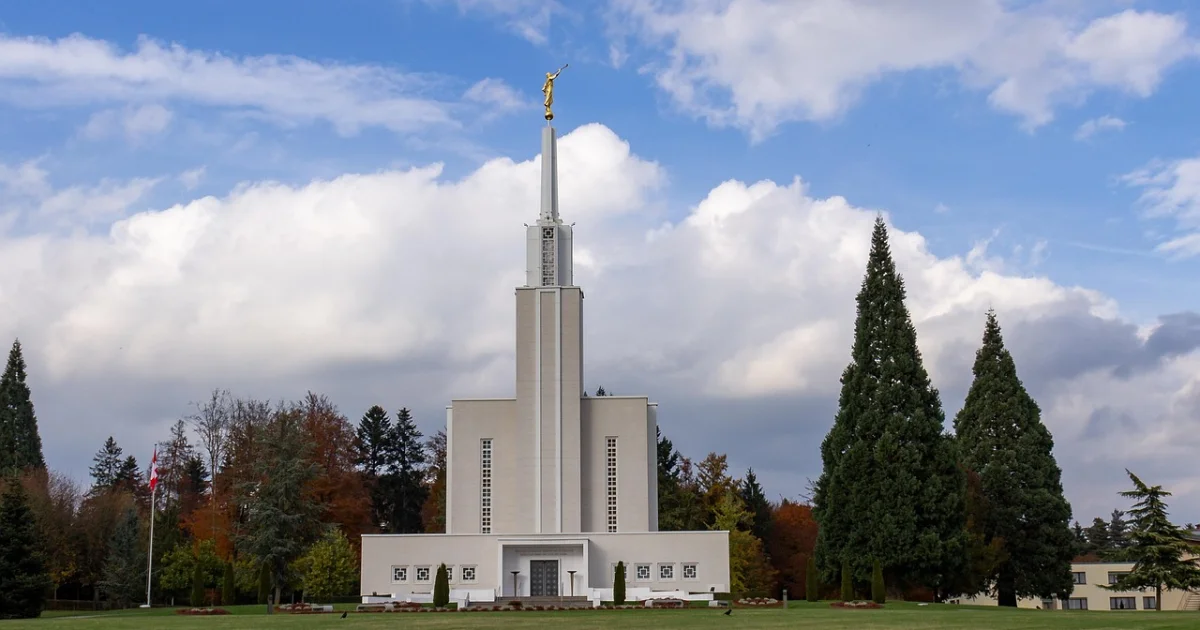
The Mormon temple is arguably the most distinctive and enigmatic aspect of their religious practice. Temples are not used for worship services but rather for sacred ordinances, including eternal marriage (sealing), baptism for the dead, and other rituals believed to be essential for salvation. Access to temples is restricted to adult members who have met specific requirements, including living a morally upright life and demonstrating faith. The ceremonies within the temple are shrouded in secrecy, with only limited information disclosed to the public. The symbolism within the temple – the architecture, the furnishings, the rituals – is deeply rooted in scripture and represents a connection to ancient covenants. The temple experience is considered a profoundly transformative event, a moment of spiritual renewal and a preparation for eternity. The emphasis on privacy within the temple reflects the sensitive and sacred nature of the ordinances performed there. It’s a place of personal revelation and spiritual growth, a space where members can strengthen their faith and connect with their ancestors. The intricate symbolism of the temple, combined with the exclusivity of access, contributes to its mystique and reinforces its importance within Mormon belief and practice.
Navigating the External View: Common Misconceptions and the Mormon Response
Despite the Church’s efforts to share its beliefs and practices, Mormonism continues to be subject to misunderstanding and misinformation. Common misconceptions include the belief that Mormons worship a different God, that polygamy was ever officially practiced, or that the Church is inherently secretive and controlling. The Church actively addresses these misconceptions through its website, public statements, and community outreach programs. They emphasize that they share the same God as other Christians and that while past challenges have occurred, the Church has undergone significant reforms and is committed to transparency and accountability. It’s important to recognize that the Church’s image is often shaped by external narratives and media portrayals, which may not accurately reflect the experiences of its members. Engaging with Mormonism requires a willingness to move beyond stereotypes and seek a deeper understanding of their beliefs and practices. The Church’s response to criticism is often characterized by a focus on education and outreach, aiming to correct misunderstandings and foster greater understanding.
Looking Ahead: The Future of Mormonism and its Place in a Changing World
The Church of Jesus Christ of Latter-day Saints continues to evolve and adapt to the challenges of the 21st century. While maintaining its core beliefs and values, the Church is grappling with issues such as social justice, diversity, and technological change. The Church is increasingly engaging with diverse communities and promoting humanitarian efforts on a global scale. It’s also embracing technology to enhance communication and provide access to resources. The future of Mormonism will likely be shaped by its ability to navigate these challenges while remaining true to its founding principles. The Church’s commitment to family, service, and faith provides a foundation for continued growth and influence. As a religious movement rooted in a unique history and a distinctive set of beliefs, Mormonism offers a fascinating case study in religious adaptation and enduring faith. The ongoing evolution of their practices and beliefs will undoubtedly continue to shape their identity and their role in the world.