The decision to welcome a new baby comes with a flood of joy, anticipation, and, often, unsolicited advice. After my first child was born, our hospital room felt like a revolving door of excited relatives. I loved them, but I was exhausted. When my second daughter arrived, my husband and I made a different choice. We decided to enforce a strict policy of no visitors after baby came home. This wasn’t about being rude. It was about survival, bonding, and sanity. Looking back, that quiet, protected bubble was the greatest gift we could have given our new family. Here are the seven powerful reasons why we said no, and why you might consider doing the same.

Why We Chose a Visitor-Free Postpartum Period
The days following childbirth are a blur of hormones, healing, and learning to care for a tiny human. It is a vulnerable time. For us, choosing no visitors after baby was an act of self-preservation. It allowed us to focus entirely on each other without the pressure of performing host or managing expectations. This decision, while difficult to explain to eager grandparents, paid off in ways we never expected.
1. Uninterrupted Family Bonding Time
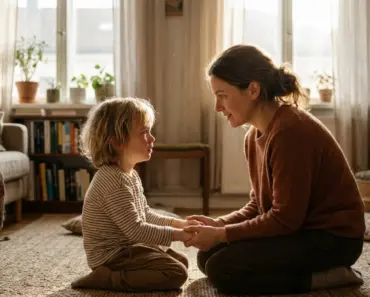
When we brought our newborn home, she already knew the sound of my voice and the rhythm of my heartbeat. We wanted to reinforce that connection without the distraction of new faces and scents. By saying no visitors after baby, we gave our daughter a slow, gentle introduction to her world. She learned to recognize her father’s footsteps and her older sister’s singing long before she met anyone else. This quiet period allowed her to understand exactly who her primary caregivers were. There is a unique magic in watching a newborn turn their head toward your voice, finding comfort in your presence alone. That bond is precious and fragile. Protecting it for those first few weeks felt like laying the strongest possible foundation for her entire life.
2. A Calmer, Less Overstimulated Newborn
Newborns are not designed for parties. Their nervous systems are incredibly immature. Every new sight, sound, and smell can be overwhelming. Heather Wallace, a postpartum doula and certified pediatric sleep consultant, explains that being passed around can disrupt a baby’s sleep and lead to overstimulation. An overtired baby is a screaming baby. When we had no visitors, our baby slept peacefully. She cried only when she was hungry or needed a diaper change. She was calm. I attribute this serenity directly to our choice of no visitors after baby. We did not wake her up to show her off. We let her sleep. This respect for her tiny nervous system made our days infinitely more peaceful.
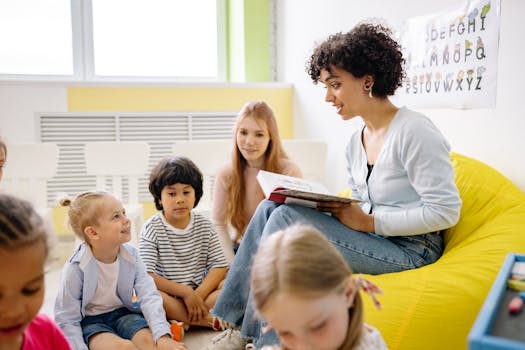
Amazon US Verified
Little Spot of Emotion 8-Book Box Set
Engaging visual books and plushies that help children identify and regulate feelings.
3. Prioritizing Maternal Physical and Mental Healing
The postpartum body goes through a monumental physical recovery. I was completely unprepared for the bleeding, the soreness, and the sheer fatigue after my first child. Even with helpful relatives around, I felt the pressure to be a good host. I would tidy up, make small talk, and push through my own discomfort. The second time, with no visitors after baby, I could finally rest. I slept when the baby slept. I stayed in my pajamas all day. I focused on hydration and nutrition without interruption. Leah Rockwell, a licensed professional counselor specializing in maternal mental health, notes that this period is hugely fatiguing. Allowing for maximum rest can help offset potential postpartum mental health issues. A well-rested mother is a healthier mother, period. That rest was only possible because we closed our doors.
4. Reduced Exposure to Germs and Illness
My second baby was born in the middle of winter. Cold and flu season was in full swing. A newborn’s immune system is not fully developed. A simple cold can be dangerous for a baby under two months old. We decided it was safer to keep the germs out of our house altogether. This was one of the most practical and compelling reasons for our no visitors after baby rule. We did not have to worry about a well-meaning relative who had a slight sniffle. We did not have to sanitize surfaces after every visit. We created a clean, quiet environment where our baby could thrive without unnecessary exposure to pathogens. This peace of mind was invaluable.
5. Preserving the Sibling Bond
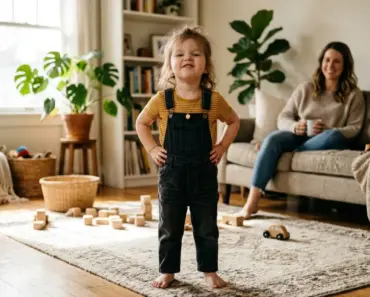
Our older daughter was just two years old when her sister was born. She needed time to adjust to the new family dynamic. When the house was full of visitors, she often felt overlooked. People would rush past her to see the baby. By enforcing no visitors after baby, we gave our eldest the space she needed to bond with her new sibling without competition. She spent hours sitting next to the baby, singing lullabies, and learning to gently pat her back. She even learned to help with diaper changes. This uninterrupted time created a beautiful, deep connection between them. There is nothing sweeter than the bond between older siblings and a new baby. That bond was nurtured in the quiet of our home, away from the crowd.
6. Freedom from the Pressure to Perform
Having visitors often comes with an unspoken checklist. The house must be clean. The mother must look presentable. The baby must be awake and happy. This pressure is immense and completely unnecessary. With no visitors after baby, we were free to be a mess. The dishes piled up. We ate takeout. I wore the same sweatpants for three days. We did not have to entertain anyone. We did not have to make conversation while I was struggling to breastfeed. This freedom allowed us to focus on the raw, beautiful, and difficult reality of new parenthood. It removed a layer of stress that we simply did not have the energy for. We could cry, laugh, and stumble through those early days without an audience.
7. Easier Establishment of Feeding and Sleep Routines
Breastfeeding, whether it comes naturally or requires effort, is a learning process for both mother and baby. It requires time, patience, and privacy. When you are trying to get a baby to latch properly, the last thing you need is an audience. Similarly, newborns need to learn their day from their night. They need consistent, quiet sleep environments. Visitors can disrupt these delicate routines. A well-meaning guest might want to hold the baby during a nap time, leading to an overtired infant who then refuses to eat. By choosing no visitors after baby, we gave ourselves the space to learn our baby’s cues. We could feed on demand without interruption. We could let her sleep when she needed to. This consistency made those early weeks far more manageable and set the stage for healthier sleep patterns down the line.
How to Set Boundaries with Loved Ones
Turning down visitors is not easy. People you love will be excited. They will want to share in your joy. Here is how we handled the conversations.
You may also enjoy reading: 11 Essentials for a Memorable Baby Shower.
We started by telling our closest family members early. We explained our reasoning gently. We said, “We are so excited for you to meet the baby. For the first few weeks, we need to focus on healing and bonding as a family of four. We will let you know when we are ready for visits.” This set clear expectations. We did not apologize for our decision. We framed it as a medical and emotional necessity, which it was. We also offered alternatives. We sent photos and videos. We scheduled video calls. We made sure they felt included, even from a distance. When the time came for the first visit, we set a time limit. We asked guests to wash their hands immediately. We did not feel guilty for protecting our space.
Frequently Asked Questions
How long should you wait before having visitors after a baby?
There is no single right answer. Many experts suggest waiting at least two to three weeks for close family and longer for extended friends. The key is to wait until you feel physically and emotionally ready. Listen to your body and your baby’s cues.
Is it rude to say no visitors after baby is born?
It can feel rude, but it is not. You are not being mean. You are protecting your health and your baby’s health. Most reasonable people will understand. A simple, honest explanation usually works. Your well-being comes before anyone’s feelings.
What if family members get upset about the no visitors rule?
Their feelings are valid, but they are not your responsibility. You can acknowledge their disappointment without changing your boundary. Say something like, “I know you are excited. We are too. We need this time, and we appreciate your patience.” Hold your ground. They will get over it.
How do you handle visitors who just show up unannounced?
This is a tough situation. If someone shows up, you do not have to let them in. You can speak through the door or a window. Say, “We are not accepting visitors right now. We will call you when we are ready.” You can also put a sign on your door. This is your home. You set the rules.
What are the benefits of a “babymoon” period with no visitors?
A babymoon allows for deep family bonding, reduced stress, better physical recovery for the mother, and a calmer environment for the newborn. It helps establish feeding and sleep routines without interruption. It is a gift of time and peace that you will never regret.
Choosing no visitors after baby was one of the best decisions we ever made. It gave us space to heal, bond, and learn. It protected our baby’s fragile nervous system and our own mental health. It was not about excluding people. It was about prioritizing what mattered most. Those quiet, messy, beautiful early days are a memory I will treasure forever.
As an Amazon Associate, azuloz.com earns from qualifying purchases.