Sure, you can pick up a pumpkin at the store next fall. But there’s a lot more satisfaction in raising your own. Choosing a variety to grow is half the fun. Plus, pumpkins are simple to sprout, so they’re a beginner-friendly plant to start from seeds. Here’s what you need to know about when and how to plant pumpkin seeds for your very own successful and productive patch.
How to Start Seeds Indoors
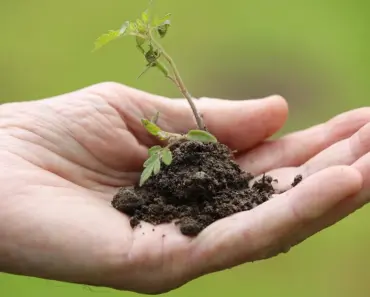
Pumpkins take a significant amount of time to mature, typically 90 to 125 days, so it may pay to start seeds indoors, particularly in regions with shorter summers. This allows you to get a head start and enjoy a more extended growing season. Sow seeds in containers filled with peat pots or peat pellets three to four weeks before your region’s last frost date. Peat pots and peat pellets are generally preferred because they can be planted directly into the ground without disturbing the delicate roots. Sow three to four seeds per pot, then thin to the two sturdiest seedlings once they have developed one to two sets of true leaves.
Before transplanting these young plants outdoors, it’s essential to gradually acclimate them to the outdoor conditions. This process, known as hardening off, involves placing the seedlings in a brightly lit area protected from direct sunlight and wind for a few days. This helps them adjust to the increased light intensity and temperature fluctuations.
How to Start Pumpkin Seeds Outdoors
The ideal time to plant pumpkin seeds outdoors is in late spring when the soil temperature has consistently reached 60°F (15.5°C) and the danger of frost has completely passed. To prepare the planting area, create small mounds of soil, about 1 inch high. Sow two to three seeds about 1 inch deep in each mound. Once the seedlings have developed their second set of true leaves, it’s crucial to thin them out. Select the strongest and most vigorous growers, leaving two plants per mound for vining pumpkins and a single plant per mound for miniature and bush-type varieties. To avoid disturbing the roots of the remaining plants, carefully snip off the competing seedlings rather than pulling them out of the ground.
Ideal Growing Conditions
Pumpkins thrive in sunny locations that receive at least six to eight hours of direct sunlight per day. They require well-drained soil with a neutral pH, ideally between 6.0 and 7.0. Avoid low-lying areas where excess moisture tends to accumulate, as this can lead to root rot. Pumpkins have high nutrient requirements and benefit from soil rich in organic matter. For best results, amend the soil with plenty of compost or well-rotted manure. Dig a 1 x 1-foot hole and fill it with 6-inch-high of well-rotted manure or compost, then cover it with a 6-inch-high mound of excavated soil that has been amended with compost. This layered approach ensures excellent drainage and provides a nutrient-rich base for sowing multiple seeds.
How to Space Plants
Proper spacing is vital for healthy pumpkin growth, ensuring adequate air circulation and preventing disease. Consult the seed packet label for specific recommendations, as spacing requirements vary depending on the pumpkin variety. Generally, bush-type pumpkins require 2-3 feet between plants in rows 5-6 feet apart. Semi-vine types need 2-4 feet between plants in rows 6-8 feet apart, while vining types need 4-5 feet between plants in rows 8-10 feet apart. If you’re only growing a few pumpkin plants, you can let them trail at the base of raised beds or upright-growing plants, as long as they won’t compete for resources. To help track watering needs as the vines grow, mark the base of each pumpkin plant with a stake.
How to Care for Pumpkin Seedlings
Once your pumpkin seedlings have emerged, consistent care is essential for healthy development. Regular watering is crucial, especially during dry spells. Aim to keep the soil consistently moist but not waterlogged. Mulching around the plants with a 6-inch layer of organic mulch, such as straw or wood chips, helps conserve soil moisture and suppress weed growth. Protect tender seedlings from nighttime temperatures that dip below 40°F (4.4°C) by using a cloche or a plastic jug with the bottom removed. Ensure the cloche or jug is vented during the day to prevent overheating.
Planting Pumpkins in Pots
For those with limited space, growing pumpkins in pots is a viable option. Choose a compact, 1-2 pound variety such as ‘Baby Bear’, ‘Baby Boo’, ‘Jill-Be-Little’, ‘Munchkin’, or ‘Pipsqueak’. Select a large pot, at least 15 inches in diameter or larger, filled with a rich potting mix amended with compost. Plant one pumpkin seedling per pot, allowing the vines to spread down the sides and grow along the ground. A self-watering pot and a soil mix containing a slow-release fertilizer can reduce the frequency of watering and feeding, making container gardening more manageable.
Frequently Asked Questions
Should I Soak My Seeds First?
Soaking pumpkin seeds before planting is generally not necessary, but it can be beneficial for some gardeners. Soaking for 2-4 hours in lukewarm water can soften the seed coat and potentially speed up germination. However, avoid soaking for longer than 12 hours, as this can lead to rot.
How Do I Know if My Soil Has the Right Nutrients for Pumpkins?
While a soil test provides the most accurate assessment, you can often gauge nutrient levels by observing the health of your plants. Pumpkins are heavy feeders, so look for signs of nutrient deficiencies, such as yellowing leaves or stunted growth. A soil rich in organic matter and compost will typically provide the necessary nutrients. If your soil is lacking, amend it with compost or a balanced fertilizer specifically formulated for vegetables.
Why Is It Important to Thin Out the Seedlings?
Thinning out seedlings is a crucial step in ensuring the healthy growth of your pumpkin plants. When you sow multiple seeds in a pot or mound, competition for resources such as sunlight, water, and nutrients can be intense. Thinning allows the strongest seedlings to thrive without being overshadowed or starved by weaker ones. This results in healthier, more productive plants.
Once your pumpkins have begun to develop, a little extra attention can make a big difference. Regularly check the plants for pests and diseases, and address any issues promptly. Consistent watering, proper fertilization, and adequate space will pave the way for a rewarding harvest of homegrown pumpkins.
1. Choose the Right Variety
The first step in growing pumpkins is selecting a variety that suits your needs and space. Consider the size of your garden and the intended use of the pumpkins. For smaller gardens, bush varieties are ideal, as they don’t spread as widely as vining types. If you’re looking for pumpkins for carving, choose a large variety like ‘Howden’ or ‘Atlantic Giant’. For decorative purposes, miniature varieties like ‘Baby Boo’ or ‘Munchkin’ are charming. These characteristics influence how far apart you’ll need to plant them.
2. Prepare the Soil
Pumpkins thrive in well-drained, fertile soil with a pH between 6.0 and 7.0. Before planting, amend the soil with plenty of organic matter, such as compost or well-rotted manure. This will improve drainage, aeration, and nutrient content. Loosen the soil to a depth of at least 12 inches to allow for good root growth. A soil test can help you determine if your soil is lacking any essential nutrients.
3. Start Seeds Indoors (in Cooler Climates)
In regions with shorter growing seasons, starting pumpkin seeds indoors 3-4 weeks before the last frost is beneficial. Use peat pots or seed starting trays filled with a seed starting mix. Sow 2-3 seeds per pot, about 1 inch deep. Keep the soil consistently moist and warm (around 70-75°F or 21-24°C). Once the seedlings have developed a few true leaves, transplant them outdoors after the danger of frost has passed.
4. Direct Sowing Outdoors
In warmer climates, you can sow pumpkin seeds directly into the garden after the soil temperature has reached at least 60°F (15.5°C). Create hills or mounds of soil and plant 2-3 seeds per hill, about 1 inch deep. Space hills 2-3 feet apart for bush varieties and 4-5 feet apart for vining varieties. Thin the seedlings to the strongest one or two plants per hill once they have developed their first true leaves.
5. Provide Adequate Sunlight
Pumpkins need at least 6-8 hours of direct sunlight per day to grow properly. Choose a location in your garden that receives plenty of sunlight. Avoid planting pumpkins in shady areas or where other plants will cast a shadow. Proper sunlight is essential for photosynthesis and healthy pumpkin development. Without enough sun, your plants may be weak and produce fewer fruits.
6. Water Regularly and Deeply
Pumpkins are heavy feeders and require consistent moisture, especially during dry periods. Water deeply and regularly, aiming to keep the soil consistently moist but not waterlogged. Water at the base of the plants to avoid wetting the foliage, which can increase the risk of fungal diseases. A soaker hose or drip irrigation system is an excellent way to provide consistent moisture.
7. Fertilize Appropriately
Pumpkins are heavy feeders and benefit from regular fertilization. Apply a balanced fertilizer (e.g., 10-10-10) at planting time and again when the plants begin to vine. Alternatively, use a fertilizer specifically formulated for vegetables. Avoid over-fertilizing, as this can lead to excessive foliage growth at the expense of fruit production. Organic options like compost tea or fish emulsion are also excellent choices.
13 Fragrances That Inspired Pumpkins
While pumpkins are often associated with earthy, spice-laden aromas, the world of fragrance extends far beyond the traditional. Surprisingly, many popular perfumes and colognes have drawn inspiration from the warm, inviting essence of pumpkins. This connection might seem unconventional, but it highlights the versatility of fragrance and the creative ways perfumers interpret natural elements. Here are 13 fragrances that have, in some way, been inspired by the spirit and scent profiles associated with pumpkins.
1. Jo Malone – Pumpkin & Spice
This fragrance is perhaps the most direct and widely recognized pumpkin-inspired scent. Jo Malone’s Pumpkin & Spice captures the cozy, autumnal aroma with notes of pumpkin, cinnamon, clove, and nutmeg. It evokes the feeling of a warm spice latte on a crisp fall day. While discontinued, it remains a benchmark for pumpkin-themed fragrances.
2. Byredo – Bibliotheque
Although not overtly pumpkin-scented, Byredo’s Bibliotheque is often associated with the warm, comforting aroma of old books and a hint of pumpkin spice. The fragrance features notes of vanilla, sandalwood, and blackcurrant, creating a cozy and inviting atmosphere that resonates with the feelings of autumn and home.
3. Maison Margiela – Autumn Vibes
Maison Margiela’s Autumn Vibes is a beautiful interpretation of the fall season, drawing on the essence of pumpkin, apple, and warm spices. It captures the feeling of a walk through an orchard on a cool autumn afternoon, with a blend of sweet and spicy notes that are both comforting and intriguing.
4. Tory Burch – Pumpkin Spice
Tory Burch’s Pumpkin Spice fragrance is a playful and sweet interpretation of the classic fall scent. It features notes of pumpkin, apple, cinnamon, and vanilla, creating a warm and inviting aroma that is perfect for the season. It’s a lighter, more gourmand take on the pumpkin spice theme.
5. Yves Saint Laurent – Black Opium Eau de Parfum
While not directly pumpkin-scented, Black Opium’s creamy vanilla notes and hints of coffee create a warm, inviting aroma that complements the cozy feeling of autumn. The sweetness and warmth resonate with the comforting qualities often associated with pumpkin spice blends.
6. Marc Jacobs – Daisy Eau So Fresh
This fragrance might seem an unlikely choice, but Daisy Eau So Fresh’s light and airy blend of pear, strawberry, and jasmine evokes the crispness of autumn air and the vibrant colors of fall foliage. The subtle sweetness and floral notes pair well with the earthy tones of pumpkin.
You may also enjoy reading: 7 Common Perennials You Should Plant in May for Summer Blooms.
7. Clinique – Happy Pumpkin
Clinique’s Happy Pumpkin is a classic autumnal fragrance that combines the sweet scent of pumpkin with warm spices like cinnamon and clove. It’s a comforting and nostalgic scent that instantly evokes the feeling of fall holidays and cozy gatherings.
8. Chanel – Coco Mademoiselle
Although primarily a citrus-floral, Coco Mademoiselle’s warm amber base notes create a sense of richness and depth that aligns with the comforting qualities of pumpkin spice. The blend of orange, jasmine, and rose provides a bright and inviting contrast to the warm spices.
9. Lancôme – La Vie Est Belle
This popular fragrance’s sweet and gourmand notes of iris, orange blossom, and vanilla offer a warm and inviting aroma that complements the cozy feelings associated with pumpkin. The sweetness and depth create a comforting and sophisticated scent profile.
10. Estée Lauder – Pleasures
While primarily a floral fragrance, Pleasures’ blend of delicate white flowers and green notes evokes the fresh, crisp air of autumn. The subtle sweetness of the floral bouquet aligns with the comforting sweetness of pumpkin spice blends.
11. Dior – J’adore
J’adore’s opulent blend of ylang-ylang, jasmine, and rose offers a rich and luxurious aroma that complements the warmth of pumpkin spice. The floral notes create a sophisticated and elegant scent that is perfect for autumn evenings.
12. Ermenegildo Zegna – Essenza Uomo
This fragrance’s blend of aromatic herbs, spices, and woods evokes the earthy and comforting aromas of autumn. The warm spice notes, particularly cardamom and ginger, complement the earthy tones of pumpkin.
13. Tom Ford – Tobacco Vanille
Tom Ford’s Tobacco Vanille is a warm and gourmand fragrance that features notes of tobacco, vanilla, and spices. The rich, sweet aroma evokes the comforting feeling of a warm pumpkin pie on a chilly autumn evening. While not explicitly pumpkin-scented, the overall warmth and sweetness align with the essence of the fall harvest.
How to Plant Pumpkin Seeds: A Comprehensive Guide
Whether you’re a seasoned gardener or a beginner, growing pumpkins from seed can be a rewarding experience. Here’s a comprehensive guide covering everything you need to know to successfully plant pumpkin seeds and enjoy a bountiful harvest.
Choosing Your Pumpkin Variety
The first step is selecting a pumpkin variety that suits your space and purpose. Consider the size of your garden and the intended use of the pumpkins. Bush varieties are ideal for smaller gardens, while vining varieties require more space. For carving, choose a large variety like ‘Howden’ or ‘Atlantic Giant’. Miniature varieties, such as ‘Baby Boo’ or ‘Munchkin’, are perfect for containers.
When to Plant Pumpkin Seeds
Pumpkins are warm-season crops that require a long growing season – typically 90 to 125 days. The best time to plant pumpkin seeds is after the last frost, when the soil temperature has consistently reached 60°F (15.5°C). In cooler climates, start seeds indoors 3-4 weeks before the last frost. In warmer climates, you can direct sow seeds directly into the garden.
Preparing the Soil
Pumpkins thrive in well-drained, fertile soil with a pH between 6.0 and 7.0. Amend the soil with plenty of organic matter, such as compost or well-rotted manure, to improve drainage, aeration, and nutrient content. Loosen the soil to a depth of at least 12 inches to allow for good root growth. A soil test can help you determine if your soil is lacking any essential nutrients.
Planting Seeds: Indoors
Fill seed starting trays or peat pots with a seed starting mix. Sow 2-3 seeds per pot, about 1 inch deep. Water gently and keep the soil consistently moist. Cover the trays with a humidity dome or plastic wrap to retain moisture. Place the trays in a warm location, ideally around 70-75°F (21-24°C). Once the seedlings have developed a few true leaves, transplant them into individual pots or directly into the garden.
Planting Seeds: Outdoors
Create hills or mounds of soil, about 12 inches high and 1-2 feet in diameter. Sow 2-3 seeds per hill, about 1 inch deep. Space hills 2-3 feet apart for bush varieties and 4-5 feet apart for vining varieties. Water gently and keep the soil consistently moist. Thin the seedlings to the strongest one or two plants per hill once they have developed their first true leaves.
Watering and Fertilizing
Pumpkins require consistent watering, especially during dry periods. Water deeply and regularly, aiming to keep the soil consistently moist but not waterlogged. Fertilize the plants every 2-3 weeks with a balanced fertilizer, following the instructions on the package. Avoid over-fertilizing, as this can lead to excessive foliage growth at the expense of fruit production.
Supporting Vining Varieties
Vining pumpkin varieties can spread quite a bit, so providing support is essential. Use stakes, cages, or trellises to keep the vines off the ground and allow for good air circulation. This can help prevent diseases and improve fruit quality.
Pest and Disease Control
Pumpkins are susceptible to various pests and diseases, including squash bugs, vine borers, and powdery mildew. Inspect your plants regularly for signs of infestation or disease. Use organic pest control methods, such as insecticidal soap or neem oil, to control pests. Improve air circulation and avoid overhead watering to prevent fungal diseases.
Harvesting Pumpkins
Pumpkins are ready to harvest when the skin is hard and the stem is dry and brown. Use a sharp knife to cut the pumpkin from the vine, leaving a few inches of stem attached. Store harvested pumpkins in a cool, dry place for several weeks.