You step into your garden, eager to snip a few fresh basil leaves for tonight’s pasta. But instead of lush green foliage, you find a tall stalk topped with tiny white flowers. Your heart sinks. Those leaves look smaller, tougher, and when you taste one, there’s a distinct bitterness. This scenario plays out in countless herb gardens every summer. The culprit is simple: the plant has started flowering. Learning how to prevent basil flowering is the single most important skill for any basil grower who wants a steady supply of sweet, tender leaves. Once you understand the plant’s energy budget, keeping it in leaf-production mode becomes a straightforward, rewarding habit.
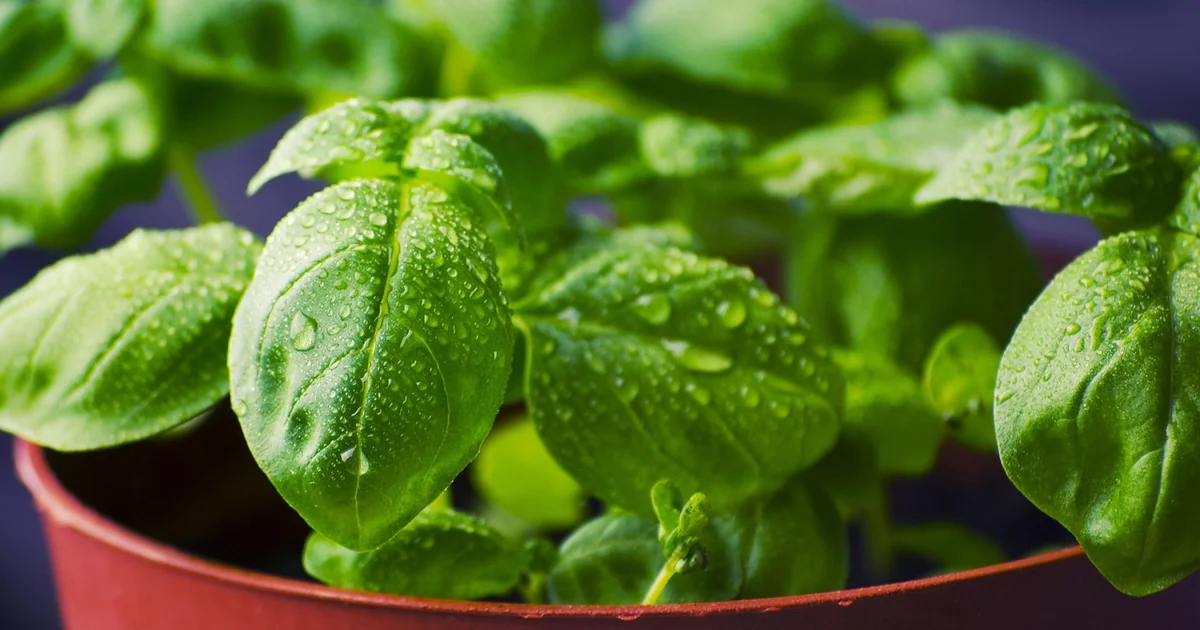
5 Reasons to Prevent Basil Flowering
Basil is an annual herb with one biological goal: to produce seeds and complete its life cycle. Flowering is the first step toward that goal. When you allow it to bloom, the plant redirects its resources away from leaf growth. Here are five compelling reasons to stop those flowers before they form.
1. Flowering Makes Leaves Bitter and Tough
The most immediate consequence of basil flowering is a dramatic change in flavor and texture. As the plant shifts energy toward reproduction, the essential oils that give basil its sweet, peppery taste begin to degrade. The leaves become fibrous and develop a harsh, almost metallic bitterness. This happens because the plant produces more of certain compounds like eugenol (which has a clove-like bitterness) and less of the sweet linalool. A single flower spike left unchecked can ruin the flavor of an entire plant within a week. For anyone growing basil specifically for culinary use, this defeats the entire purpose of the herb garden. Prevent basil flowering if you want leaves that taste fresh and bright in your pesto, salads, and sauces.
2. Leaf Production Slows or Stops Entirely
Basil plants have a finite amount of energy. When they enter the flowering stage, they redirect that energy from vegetative growth (producing leaves and stems) to reproductive growth (producing flowers and seeds). Master gardener Adam Weiss explains that if left to bloom, the plant will slow or stop leaf production altogether. The existing leaves may even begin to yellow and drop off as the plant prioritizes seed development. In practical terms, this means your harvest window shrinks dramatically. Instead of picking basil for months, you get only a few weeks before the plant becomes unproductive. Regular pinching forces the plant to stay in vegetative mode, extending your harvest season by weeks or even months.
3. It Prevents Bushier, More Productive Growth
When you pinch off flower buds, you also remove the top growing tip of the stem. This triggers a natural response called apical dominance release. The plant responds by sending out two new shoots from the leaf nodes just below the cut. This branching creates a bushier, fuller plant with many more leaves than a single tall stem would produce. Certified garden coach Sara Rubens notes that regularly harvesting basil and removing the top few sets of leaves promotes branching, leading to a more productive plant. A well-pruned basil plant can yield two to three times more leaves than one allowed to flower freely. The more you harvest, the more the plant gives back.
4. Flowering Attracts Pests and Disease
While basil flowers can attract beneficial pollinators like bees, they also draw unwanted visitors. Flowering plants produce nectar and pollen that attract aphids, spider mites, and thrips. These pests can quickly infest the flowers and then move to the leaves, weakening the plant. Additionally, flowers create dense clusters where moisture can get trapped, increasing the risk of fungal diseases like botrytis (gray mold) and powdery mildew. By keeping your basil in a vegetative state, you maintain better airflow around the leaves and reduce the hiding spots for pests. This is especially important in humid climates or for container gardens where air circulation is limited.
5. You Lose Control Over Harvest Timing
Once basil flowers, the clock starts ticking. The plant will begin to set seed, and within a few weeks, it will start to decline. If you want to make large batches of pesto, freeze leaves, or dry basil for winter use, you need a sustained supply. Flowering interrupts that supply. By preventing blooms, you decide when and how much to harvest. You can take only what you need and let the plant keep producing. This flexibility is invaluable for home cooks who rely on fresh herbs throughout the growing season. Prevent basil flowering and you become the master of your harvest schedule, not the plant’s biology.
What to Do If Your Basil Has Already Flowered
Don’t panic if you spot flowers on your basil. The plant is not ruined beyond saving, but you need to act quickly. First, pinch off all flower buds and any open flowers. Cut the stem back to just above a pair of healthy leaves. If the plant has multiple flower stalks, remove them all. The leaves that have already developed may still taste slightly bitter, but the new growth that follows will be much better. You can also choose to let a few flowers remain on one plant if you have multiple basil plants. These flowers will attract bees and other pollinators to your garden, benefiting your tomatoes, peppers, and squash. Additionally, you can harvest the flowers to make basil-infused oils, vinegars, or even use them as a garnish with a milder flavor. Just be aware that the plant’s overall leaf production will suffer if you leave too many flowers.
Additional Basil Care Tips for Maximum Leaf Yield
Preventing flowering is just one part of successful basil cultivation. Here are four more practices that will keep your plants healthy and productive.
Transplant at the Right Time
Basil is extremely sensitive to cold. Wait until nighttime temperatures consistently stay above 50°F (10°C) before moving seedlings outdoors. Ideally, transplant when daytime temperatures reach 70°F (21°C). Space plants 8 to 10 inches apart to allow good airflow. Crowded basil plants compete for light and nutrients, which can stress them and trigger early flowering.
Use Nitrogen-Based Fertilizer
Nitrogen promotes leafy growth. Apply a balanced, nitrogen-rich fertilizer every two to three weeks during the growing season. Look for a formulation like 10-10-10 or one specifically designed for leafy greens. Avoid high-phosphorus fertilizers, which can encourage flowering. Always water the soil before fertilizing to prevent root burn.
Grow Companion Plants
Basil thrives alongside tomatoes, asparagus, peppers, and chamomile. These companions can deter pests and improve flavor. For example, tomatoes and basil share similar growing conditions and are said to enhance each other’s taste. Planting basil near your vegetable garden also attracts pollinators when you do allow a few flowers to bloom.
You may also enjoy reading: Your Guide to Parkway Gardens: Assisted Living & Memory Care in IL.
Create a Regular Pruning Cadence
Set a schedule for checking your basil. Every three to four days, inspect the top of each stem for tiny flower buds. They look like small clusters of green bumps at the very tip. Pinch them off as soon as you see them, even if the plant is small. Regular harvesting of leaves for cooking also serves as pruning. The more you cut, the more the plant branches. Aim to remove the top two to four sets of leaves every week or two. This keeps the plant compact and continuously producing new growth.
Frequently Asked Questions About Basil Flowering
How often should I check my basil plant for flower buds to prevent flowering?
Check every three to four days during the active growing season. Basil can go from bud to open flower in less than a week, especially in hot weather. A quick visual scan of the top growth points is all it takes. If you see any bumps or clusters at the tip, pinch them off immediately.
What if I accidentally let the flowers bloom for a few days — are the leaves already ruined?
Not entirely. Leaves that have already matured may have lost some sweetness and gained bitterness, but they are still edible. Remove the flowers and any flower buds, then taste a leaf. If it’s too bitter for fresh use, consider cooking it in sauces or soups where the bitterness will mellow. New leaves that grow after removing the flowers will be much better.
Can I eat the basil flowers or use them for something besides leaving them on the plant?
Yes, basil flowers are edible and have a milder, slightly floral version of the basil flavor. You can sprinkle them over salads, use them as a garnish, or infuse them into oils and vinegars. To make a quick basil flower vinegar, simply steep a handful of fresh flowers in white wine vinegar for a week, then strain. The vinegar takes on a delicate basil note without the bitterness of the leaves.
Does pinching off flowers hurt the plant or stress it too much if done repeatedly?
No, pinching is actually beneficial. Basil responds well to pruning. Each time you remove the top growth, the plant sends out two new shoots from the nodes below. This creates a denser, more resilient plant. Repeated pinching does not stress the plant as long as you leave enough leaves for photosynthesis. Never remove more than one-third of the plant at once.
Can I still harvest basil after it has flowered if I cut the plant back hard?
Yes, you can rejuvenate a flowering basil plant by cutting it back severely. Trim the entire plant down to about 4 to 6 inches tall, leaving a few sets of lower leaves. Water it well and apply a nitrogen fertilizer. Within two to three weeks, new shoots will emerge from the base, and you will have a fresh crop of tender leaves. This technique works best if you catch the plant early in the flowering stage.
Keeping your basil from flowering is not a chore — it is the key to a bountiful, flavorful harvest. By understanding the plant’s natural cycle and taking a few minutes each week to pinch off buds, you transform a short-lived herb into a prolific producer. Your pesto, caprese salads, and Thai curries will thank you.