Waking up to the rapid-fire hammering of a woodpecker against your home is a sound no homeowner wants to hear. Beyond the noise lies the potential for costly structural damage to your siding, eaves, and gutters. The good news is that you can take action to prevent woodpecker damage using humane and effective techniques that respect these protected birds.
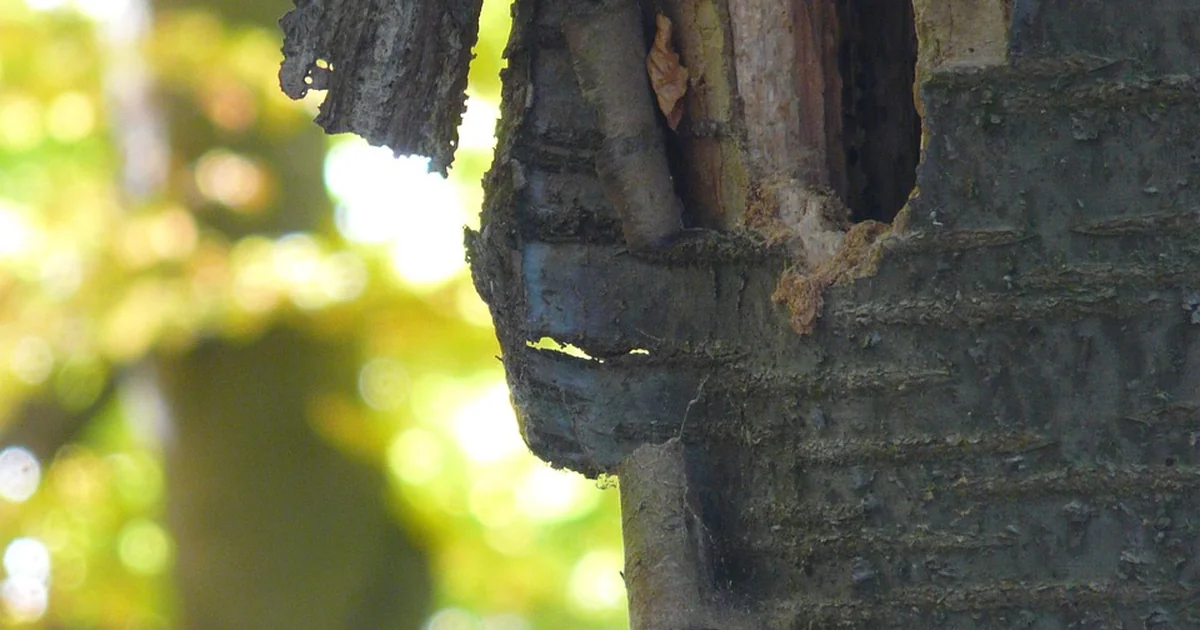
Why Woodpeckers Target Your Home
Understanding the motivation behind the pecking is the first step toward a solution. Woodpeckers drill into wood for three primary reasons: foraging for insects, excavating nesting cavities, and drumming to communicate. The resonant sound of your wooden siding or aluminum gutter mimics the hollow tree trunks they naturally prefer for territorial displays. A single male woodpecker can deliver over 8,000 pecks in a single day during peak mating season. That level of impact can quickly compromise painted surfaces and create entry points for moisture and pests.

Amazon US Verified
Hang-O-Matic All-in-One Picture Hanging Tool
Tape measure, sliding level, and markers in one tool for flawless gallery walls.
Most woodpecker activity occurs between March and June. During these months, they are highly focused on attracting mates and establishing territory. Your home becomes an unintended target simply because it offers the perfect acoustic properties for their drumming. Recognizing this seasonal pattern allows you to implement deterrents proactively before the damage begins.
7 Humane Ways to Prevent Woodpecker Damage
All woodpeckers are protected under the North American Migratory Bird Act. It is illegal to intentionally harm, trap, or kill them without a federal permit. However, you are fully within your rights to use non-lethal deterrent methods. The following seven strategies are designed to discourage these persistent birds while keeping them safe.
1. Deploy Reflective and Shiny Deterrents
Woodpeckers are cautious creatures. Unexpected flashes of light signal potential danger and trigger their survival instincts. You can exploit this by hanging reflective materials near the affected areas. Aluminum foil strips, old CDs, and reflective mylar bird scare tape all work well. These materials catch the sunlight and create shifting patterns of glare that disorient the bird.
The key to success with this method is movement. Attach the reflective items so they spin or sway freely in the breeze. Birds see ultraviolet light differently than humans do. The intense, shifting wavelengths produced by holographic tape are particularly unsettling to them. Place these deterrents directly over pecked holes or along the roofline where drumming occurs. Reapply them after heavy rain or wind to maintain their effectiveness.
2. Install a Motion-Activated Sprinkler
A sudden, unexpected spray of water is one of the most powerful tools in your arsenal. Woodpeckers dislike surprises, and a motion-activated sprinkler delivers a harmless but startling burst whenever the bird approaches. This creates a negative association with your home. The bird learns that landing on the east gable results in an unpleasant soaking.
Connect the sprinkler to a standard garden hose and position it to cover the damaged area. These devices are designed to detect movement within a specific range. Leave the sprinkler in place for at least a week after the bird stops visiting to reinforce the lesson. This method works particularly well for persistent birds that have ignored other deterrents. It requires no effort on your part once it is set up.
3. Leverage Sound and Movement Decoys
Woodpeckers have natural predators, including hawks and falcons. You can mimic this threat by introducing sound and movement into the environment. Hang a realistic hawk silhouette cut from stiff cardboard or wood near the affected area. Add a recording of a hawk call or simply bang pots and pans together when you hear the bird drumming. Loud, abrupt noises signal immediate danger.
Motion is critical here. Woodpeckers quickly become accustomed to stationary objects. Research into avian behavior shows that birds habituate to static threats in as little as three to seven days. This is why a plastic owl sitting on your roof is rarely effective unless you move it to a new position every single day. Wind-driven spinners, windsocks, and helium balloons create constant unpredictable movement that keeps the bird alert and uncomfortable.
4. Seal Existing Holes and Address Pest Infestations
Small, tidy rows of holes in your siding usually indicate that a woodpecker is foraging for insects. Carpenter bees, ants, and beetle larvae are highly attractive food sources. If you scare the bird away without removing the food source, another woodpecker will likely take its place. You must solve the underlying pest problem to achieve long-term relief.
Fill existing holes with exterior-grade putty or wood filler after confirming no birds are trapped inside. Never seal a cavity during nesting season unless you are certain it is empty. Trapping a mother and her chicks is inhumane and illegal. If you suspect a significant insect infestation, call a licensed exterminator. Removing the buffet of insects eliminates the primary reason for the woodpecker’s visit.
5. Erect Physical Barriers with Bird Netting
For persistent woodpeckers targeting specific areas like eaves or corners, physical exclusion is the most reliable solution. Install high-quality bird netting from the roofline. Allow the netting to drape at least three inches away from the siding. This creates a springy barrier that prevents the bird from landing and gaining the leverage needed to peck.
Secure the sides and bottom of the netting to prevent birds from becoming entangled underneath. Use PVC pipe or wooden dowels to push the netting outward if needed. Measure the affected area carefully and add extra material to allow for the required standoff distance. Netting may not be the most visually appealing option, but it is highly effective and completely humane. It simply denies the bird access to the surface it wants to target.
6. Provide an Alternative Nesting Site
If a woodpecker is excavating a large, deep hole under your eaves, it is likely building a nest. Cavity nesters like the Northern Flicker or Pileated Woodpecker seek out sheltered hollows for raising their young. Your home’s eaves mimic the natural cavities they would find in a dead tree. Offering a better option can redirect their efforts.
Purchase a woodpecker-specific nest box or build one using plans available online. Place the box on a nearby tree or a sturdy pole at least ten feet off the ground. A nest box for a Northern Flicker should have a floor space of roughly seven by seven inches and an entrance hole about two and a half inches in diameter. Birds will naturally prefer a ready-made cavity over the hard work of chiseling one into your siding. This solution satisfies their nesting drive without compromising your home.
You may also enjoy reading: 5 Ways to Make Your Own Room Diffuser.
7. Offer a Dedicated Food Source
Woodpeckers are drawn to high-energy foods like suet, peanuts, and black oil sunflower seeds. By placing a dedicated feeder far from your house, you can redirect their foraging behavior. If they know a reliable meal is waiting in the backyard, they have less incentive to drill into your cedar siding searching for insects.
Use a cage-style suet feeder or a tube feeder with tail props. Tail props allow larger woodpeckers, such as the Pileated, to brace themselves while feeding. Position the feeder at least fifteen to twenty feet from your home. Keep it stocked consistently, especially during the spring months when natural food sources are scarce. This strategy works best when combined with other deterrents. It gives the bird a positive reason to stay away from your house.
Long-Term Strategies for a Woodpecker-Proof Home
Beyond immediate deterrents, you can make your home less attractive to woodpeckers in the long run. Consider your exterior finish. Woodpeckers are far less attracted to smooth, light-colored painted surfaces compared to rough, dark-stained wood. Paint helps seal the small cracks and crevices where insects hide. A light blue or gray paint is less noticeable against the sky and foliage, making your wall a less obvious drumming surface.

Amazon US Verified
Peel and Stick Textured Linen Wallpaper
Removable neutral wall covering providing architectural warmth and tactile depth.
If you have a dead tree or stump on your property that does not pose a safety hazard, leave it standing. Wildlife conservationists call this a snag. Snags naturally attract insects and provide ideal foraging and nesting sites for woodpeckers. By leaving a snag in a far corner of your yard, you draw the birds away from your home and support the local ecosystem. This simple act of coexistence can prevent years of structural damage.
Frequently Asked Questions About Woodpecker Prevention
Is it legal to scare away a woodpecker?
Yes, it is perfectly legal to use non-lethal deterrents to scare woodpeckers away from your property. However, it is illegal to intentionally harm, trap, or kill them without a federal permit. All woodpeckers are protected under the North American Migratory Bird Act. Focus on harassment techniques like noise, water spray, and reflective materials.
What time of year are woodpeckers most destructive?
Woodpeckers are most active and destructive between March and June. This is their breeding and territorial season. Male woodpeckers drum loudly to attract mates and establish boundaries. The damage tends to decrease significantly after the nesting season ends in late summer.
Will a fake owl keep woodpeckers away?
A fake owl is rarely effective on its own. Woodpeckers are intelligent and quickly realize that a stationary plastic owl poses no real threat. They typically habituate to static decoys within three to seven days. If you use a fake owl, you must move it to a new location every day and pair it with sound effects to maintain the illusion of a real predator.
How do I fix holes woodpeckers have already made?
Start by confirming that the cavity is empty and no birds are trapped inside. Fill small holes with exterior-grade putty or wood filler. For larger holes, you may need to patch the area with a piece of wood or metal mesh before applying filler. Sand the surface smooth and repaint it to match your siding. Addressing any underlying insect infestation is crucial to prevent the damage from recurring.
What attracts woodpeckers to my house in the first place?
Three main factors attract woodpeckers to homes. First, the presence of insects like carpenter bees, ants, or beetle larvae provides a food source. Second, the resonant acoustic properties of your siding or gutters make them ideal for territorial drumming. Third, the sheltered eaves offer a perfect location for excavating a nesting cavity.
Protecting your home from woodpeckers does not require harsh chemicals or harmful traps. With a little patience and the right combination of deterrents, you can coexist peacefully with these fascinating birds. Act quickly at the first sign of drumming, remain consistent with your chosen methods, and your home will remain safe and sound for years to come.
As an Amazon Associate, azuloz.com earns from qualifying purchases.