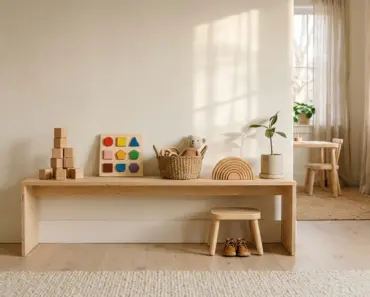
Transitioning your toddler from a crib to a real bed is a milestone that often feels both exciting and slightly daunting. It’s a shift that marks a significant leap in their independence and development, but it’s also a process that can be met with resistance, tears, and a whole lot of negotiation. Let’s be honest, the image of a tiny human scaling the walls of a crib is a pretty common one! But it’s not always about when you transition; it’s about recognizing when your little one is genuinely ready. This guide is designed to help you navigate this significant change with confidence and grace, offering practical insights and strategies to ensure a smoother, less stressful experience for both of you. We’ll delve into the key indicators of readiness, explore different bed options, and provide actionable tips to minimize bedtime battles and maximize peaceful sleep for everyone involved. This isn’t just about swapping out a piece of furniture; it’s about fostering a sense of autonomy and security in your child’s sleep environment. Pin, save, or share the image below if you find it helpful!
Amazon US Verified
Montessori Wooden Step Stool & Kitchen Helper
Safe enclosed toddler tower allowing young children to participate at counter height.

1. The Climbing Out of the Crib Signal: A Clear Indicator of Readiness
Let’s address the elephant in the room – the climbing. Most parents dread the moment their toddler starts systematically dismantling their crib, determined to escape its confines. While it’s undeniably frustrating, it’s often a remarkably clear sign that your child is developmentally ready for a bed. The average toddler transition period falls between 18 months and 3 years old, although every child is unique. My own experiences with two sons demonstrated this perfectly. My first son, at approximately 20 months, was a dedicated crib climber. He’d simply push up on his arms, wiggle, and emerge from the crib like a little explorer discovering a new territory. It wasn’t a gradual process; it was a determined, deliberate act of rebellion against the constraints of the crib. Conversely, my second son remained a contented crib sleeper until closer to 2.5 years. He was perfectly happy within the secure, familiar space. The key takeaway here isn’t to prevent climbing – though safety rails are a good precaution – but to recognize it as a signal that your child is seeking more independence and actively testing boundaries. This proactive movement is a vital step in their development, signaling a growing desire for self-directed movement and exploration. Research shows that toddlers between 18 and 24 months are particularly prone to this stage of development, as they’re actively mastering their motor skills and asserting their growing sense of self. The physical strength required to push off the mattress and roll over is a significant factor; many toddlers simply develop the necessary muscle power during this timeframe.
2. Increased Interest in Your Bed: A Desire for Connection and Comfort
Beyond the physical act of climbing, a noticeable increase in interest in your bed is a powerful indicator of readiness. Toddlers are incredibly attuned to their parents’ routines and behaviors. If your little one starts repeatedly asking to sleep in your bed, climbing into it when you’re settling down, or simply mimicking your bedtime rituals, it’s a sign they’re craving that same feeling of closeness and security. This desire for connection is a natural part of their development as they seek to establish a secure attachment with their primary caregiver. It’s more than just wanting to be near you; it’s a fundamental need for comfort and reassurance. I remember my oldest constantly wanting to snuggle up with me at bedtime. He’d pull the covers up to our bed and try to climb in, even when he was perfectly capable of sleeping in his own space. Initially, I resisted, wanting to maintain the boundaries of our separate sleep spaces. However, I realized that this wasn’t about wanting to disrupt my sleep; it was about his need for connection. To address this, we started incorporating more cuddles and quiet time into our bedtime routine, creating a more relaxed and comforting atmosphere. Studies in child development have shown a strong correlation between secure attachment and better sleep outcomes. When a toddler feels safe and loved, they’re less likely to experience separation anxiety and sleep disturbances. This increased interest in your bed isn’t a reflection of disobedience; it’s a reflection of their deep need for your presence and affection.
3. Frustration with the Limited Space of the Crib: A Desire for Full Stretch
As toddlers grow, their bodies become increasingly aware of their limitations. A standard crib, while initially perfectly adequate, can quickly become cramped as a child’s limbs extend. They may start to feel restricted, unable to stretch out fully or comfortably. This feeling of confinement can lead to frustration and restlessness, ultimately disrupting their ability to fall asleep. My third son began exhibiting this frustration around 27 months. He’d arch his back, squirm, and repeatedly try to push himself out of the crib, clearly indicating he needed more space. It wasn’t about wanting to escape; it was about a genuine physical need for room to move. The length of a standard crib is often insufficient for a toddler who is rapidly growing, and this can contribute to nighttime restlessness. Measuring your child’s length – from the top of their head to the soles of their feet while they’re lying down – can give you a better sense of whether they’re comfortably accommodated in their crib. A good rule of thumb is that they should be able to stretch out their arms and legs without feeling cramped. Ignoring this signal can lead to a cycle of frustration and sleep disruption, making the transition to a bed all the more challenging.
4. Demonstrating Independence in Other Areas: A Readiness for Self-Direction
The transition to a bed isn’t solely about physical readiness; it’s also about emotional and cognitive development. If your toddler is demonstrating increasing independence in other areas of their life – such as dressing themselves, feeding themselves, or choosing their own toys – it suggests they’re ready to take on more responsibility for their own sleep. This desire for self-direction is a crucial component of the transition process. They’re starting to understand that they have agency and control over their actions, and they’re eager to apply this newfound independence to their bedtime routine. For example, if your child is happily putting on their pajamas themselves, selecting their favorite blanket, and independently crawling into bed, it’s a strong indication they’re ready for the next step. This increased level of self-sufficiency allows them to feel more in control of their sleep environment, reducing anxiety and promoting a sense of security. It’s important to support this development by allowing them to make choices and take ownership of their bedtime routine, while still maintaining clear boundaries and expectations.
You may also enjoy reading: Why I Pack 3 Essential Sunscreens for Every Weekend Trip.
5. A Floor Bed: An Excellent Option for Promoting Independence and Safety
When considering the transition, the choice of bed itself plays a significant role. A floor bed, where the mattress rests directly on the floor, offers a unique set of advantages. It provides unparalleled access for your toddler, allowing them to get in and out of bed independently, fostering a sense of autonomy and ownership. This is a major step for many toddlers, giving them a feeling of control over their sleep environment. My youngest son absolutely thrived on a floor bed. He loved being able to get up and come back down whenever he wanted, and it significantly reduced his nighttime restlessness. Furthermore, a floor bed inherently offers a higher level of safety, as it eliminates the risk of falling out of bed. Toddler beds, which are essentially miniature versions of regular beds with guard rails, offer a similar level of safety but can sometimes feel more enclosed and restrict movement. Ultimately, the best bed for your child depends on their personality and your comfort level. However, the floor bed provides a wonderful opportunity to promote independence while ensuring their safety.
Making the Transition Smoothly: Practical Tips and Strategies
Successfully navigating the transition to a bed requires a thoughtful and patient approach. Here are some practical tips to help you minimize resistance and maximize success:
- Establish a Consistent Bedtime Routine: A predictable routine signals to your child that it’s time to wind down and prepare for sleep. This could include a bath, reading a story, singing a lullaby, and a few minutes of quiet time.
- Create a Calming Sleep Environment: Darkness, quiet, and a comfortable temperature can significantly improve sleep quality. Consider using blackout curtains, a white noise machine, and a soft blanket.
- Introduce the New Bed Gradually: Don’t suddenly swap out the crib for a bed. Start by letting your child spend time in the new bed during the day, gradually increasing the amount of time they spend there.
- Use Positive Reinforcement: Praise your child for positive behaviors, such as staying in the bed or following the bedtime routine. Avoid punishment or scolding for accidents.
- Be Patient and Understanding: Transitions take time. There will be setbacks and challenges along the way. Remain patient, understanding, and supportive.
- Utilize a Visual Timer: For some toddlers, a visual timer can help them understand how much time is left before it’s time to get out of bed.
- A Toddler Alarm Clock: As I mentioned before, a color-changing alarm clock can be a game-changer. It provides a visual cue to help your child understand when it’s time to stay in bed.
Conclusion: Celebrating the Milestone and Embracing the New Chapter
Transitioning your toddler to a bed is a significant milestone – a testament to their growth and development. It’s a process that requires patience, understanding, and a willingness to adapt your approach as needed. By recognizing the signs of readiness, choosing the right bed, and implementing consistent routines, you can create a smoother, less stressful experience for both you and your little one. Remember, this is not just about swapping out a piece of furniture; it’s about fostering a sense of independence and security in your child’s sleep environment. Celebrate this milestone, embrace the new chapter, and enjoy the peaceful nights ahead!

Amazon US Verified
Daily Visual Routine Chart for Toddlers
Interactive morning/bedtime chore chart that empowers independence and calm transitions.
As an Amazon Associate, azuloz.com earns from qualifying purchases.