You can love someone completely and still have no idea what ring they would want to wear every day. Maybe they save pictures of slim gold bands but work with their hands. Maybe they adore emerald green, yet you worry about choosing a stone that needs extra care. The best custom engagement ring starts with those real details: the person’s taste, daily routine, and comfort, followed by a design that makes sense for your budget.
Custom does not have to mean a complicated, expensive commission. It might mean choosing a center stone for an existing setting, changing the height of a ring, or designing an original piece together. Use the ideas below to find a direction, then bring a jeweler a short list of what matters most.
Start With the Person Who Will Wear It
Before looking at stones, notice what your partner already reaches for. Do they wear yellow or white metals? Are their favorite pieces simple, colorful, vintage, or sculptural? A ring can carry a meaningful reference without looking like a literal symbol of your relationship. An inside engraving or hidden gem often feels more personal than a large decorative motif.
Think about their hands during an ordinary Tuesday. Someone who puts on gloves for work, lifts weights, or frequently reaches into pockets may appreciate a lower setting with fewer exposed edges. Someone who enjoys changing jewelry might prefer a design that works with several wedding bands. If the proposal is a surprise and you cannot confirm the details, consider proposing with a temporary ring and designing the final piece together. Their everyday comfort is a better surprise than a secret design they feel obliged to keep.
Four Decisions That Shape a Custom Engagement Ring
1. Choose a Stone for Beauty and Wear
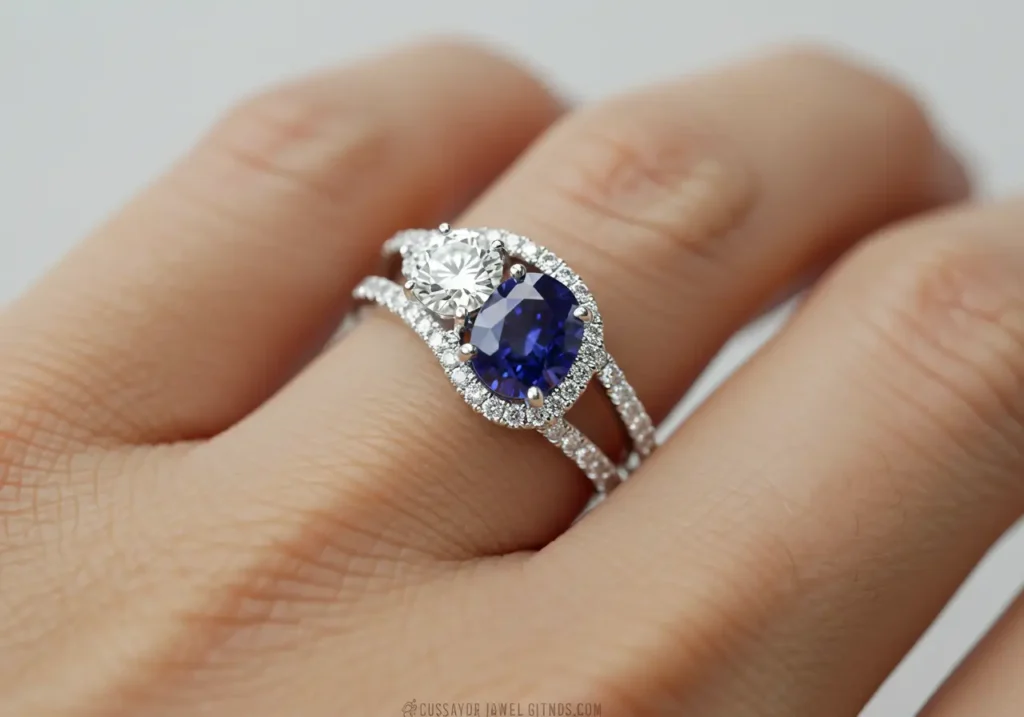
A diamond is one option, not a requirement. Natural and laboratory-grown diamonds have essentially the same physical and optical properties, while moissanite is a different gem with its own appearance. Sapphire brings color and, at 9 on the Mohs hardness scale, is well suited to rings worn regularly. An emerald can be wonderful too, but its inclusions and common treatments call for a more protective design and gentler cleaning.
GIA explains why hardness alone does not measure durability: resistance to scratches, resistance to breaking, and stability under heat or chemicals are separate considerations. Ask the jeweler about the specific stone’s treatments, any visible inclusions, and what those mean for wear and care. A birthstone can be a hidden accent even when it is too delicate for the center of an everyday ring.
2. Pick a Metal With Maintenance in Mind
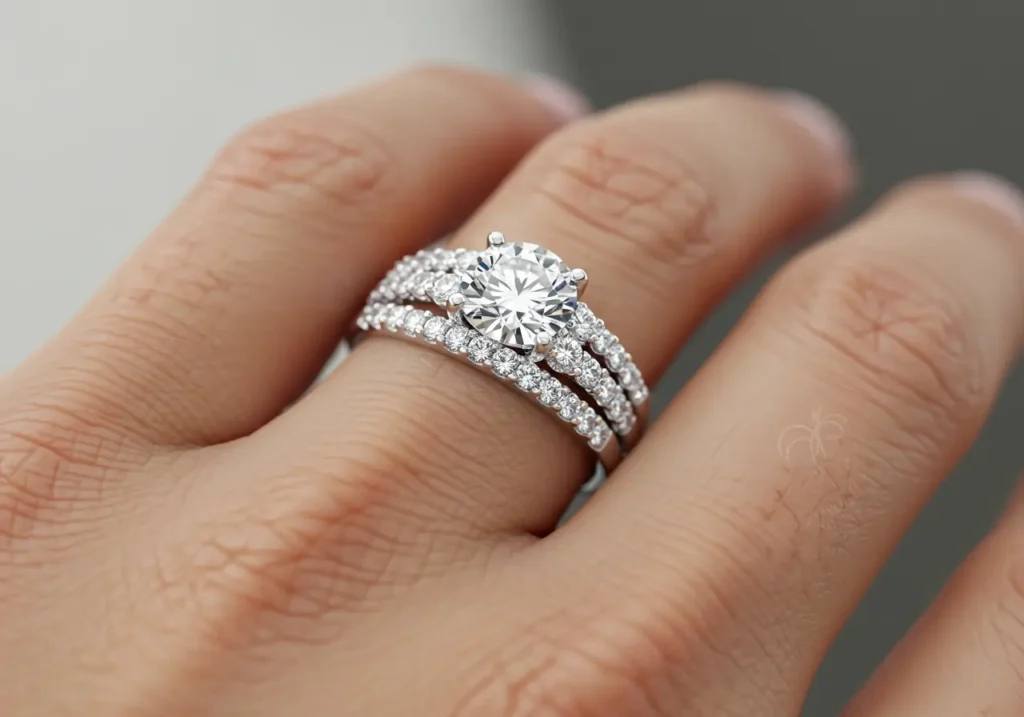
Yellow and rose gold add warmth; white gold and platinum offer cooler tones. Fourteen karat gold contains a higher share of strengthening alloy than 18 karat gold, though actual wear depends on the alloy and the design. White gold is often rhodium plated for a bright white finish and may need refreshing as the surface wears. Platinum develops scratches and a soft patina too, so no fine metal remains permanently pristine.
Ask about the exact alloy if the wearer has a metal sensitivity. A jeweler can also explain how your metal choice affects the price, future sizing, and the appearance of a matching wedding band. Compare the finished rings in person if possible; a tiny online swatch rarely shows how a metal looks against someone’s skin.
3. Decide How the Stone Should Sit
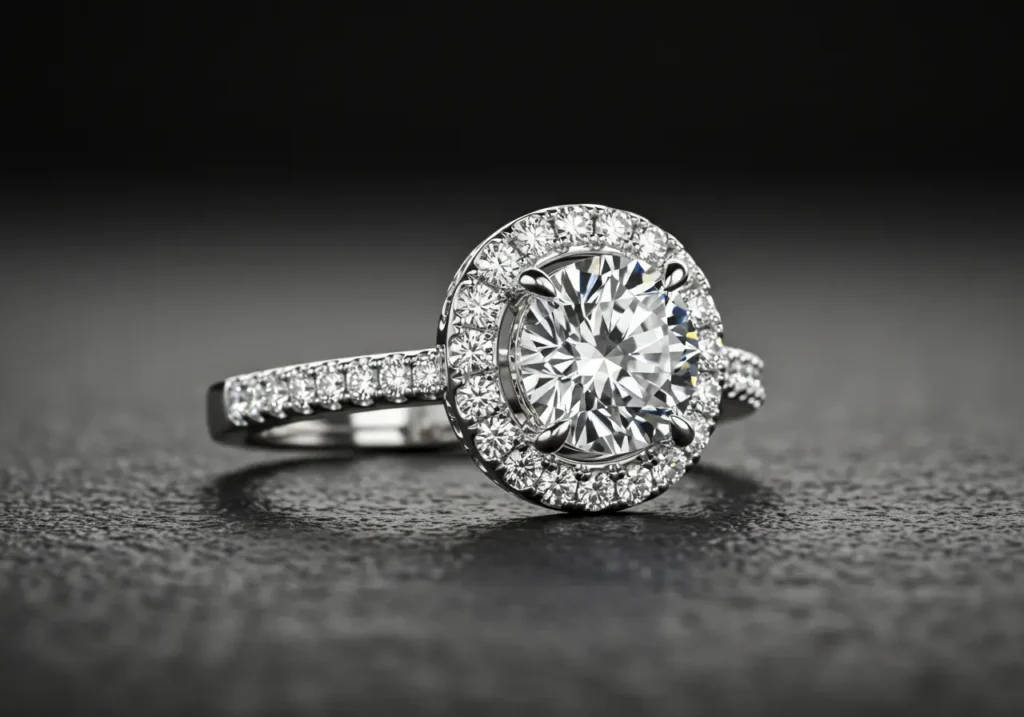
Prongs expose more of a stone’s outline but need checking if they catch on clothing. A full bezel wraps metal around the stone’s edge, which can help protect vulnerable corners and make the surface feel smoother. A halo places smaller stones around the center; pavé sets small stones along the band. Those details can be beautiful, but they add individual settings that may need future service.
Ask for side-view drawings as well as a top view. A tall ring may look dramatic in a rendering but snag in daily wear. Check whether a straight wedding band will sit flush beside it, whether a curved band would be needed, and whether the design can be resized later. GIA’s guide to ring settings is useful when comparing these practical trade-offs.
4. Add a Personal Detail That Will Still Feel Like Them
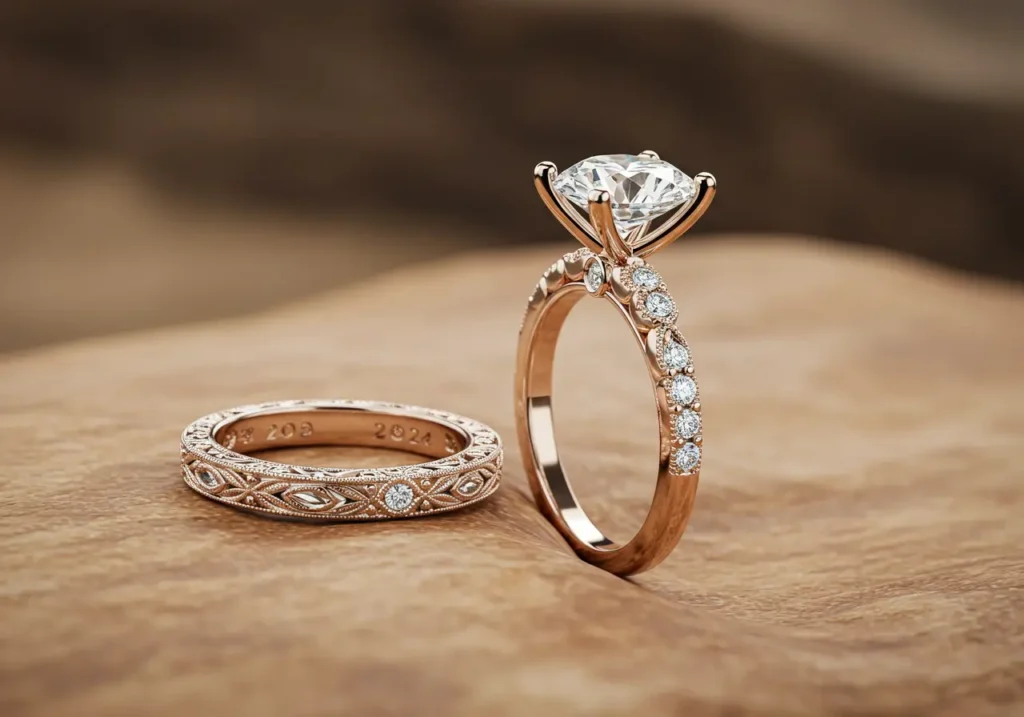
An engraved date, initials, a short phrase, or a tiny hidden stone can make the ring yours without competing with its overall shape. If you want a botanical texture or an architectural detail, show the jeweler a reference and ask how it will look at actual ring size. A design that looks crisp on a screen may be too fine to read once it is cast and polished.
Leave room for future resizing when choosing engraving or stones around the band. Before approving a message, confirm the exact spelling and punctuation in writing. Small details carry the most meaning when they are intentional and comfortable to live with.
20 Custom Engagement Ring Ideas to Bring to Your Jeweler
These ideas are starting points, not fixed recipes. Any silhouette can change with a different stone size, band width, setting height, or metal. Save the ones that resemble your partner’s existing style, then discuss how to make them practical for their day-to-day life.
1. A Solitaire With a Hidden Halo
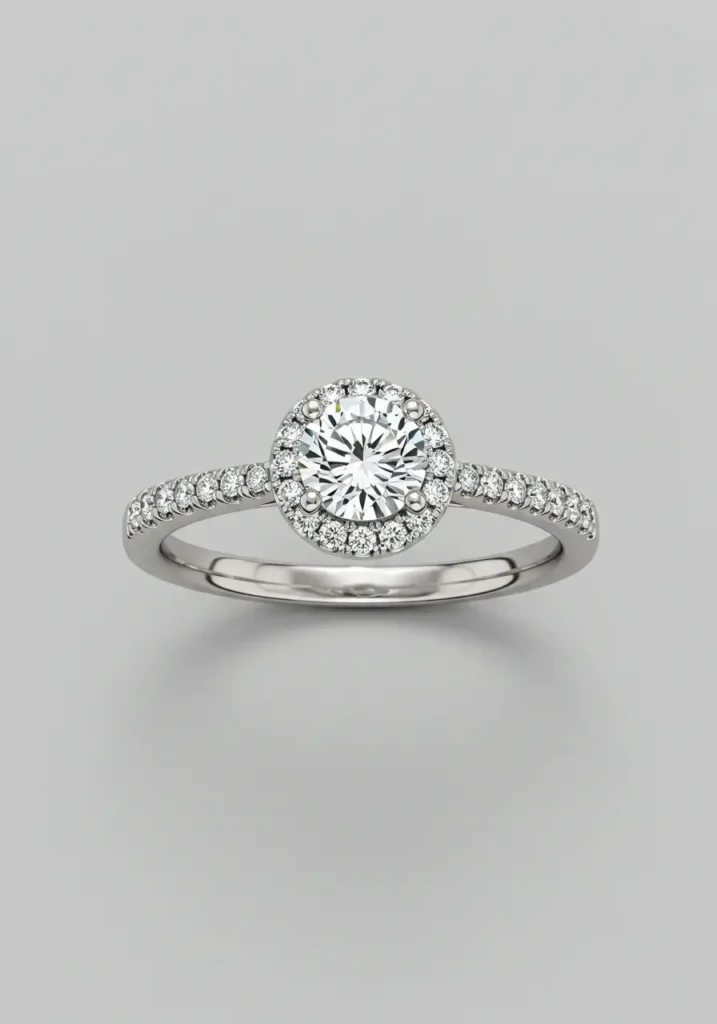
From above, this looks like a classic single-stone ring. From the side, a small circle of accent stones appears beneath the center. It suits someone who likes a simple first impression with a private surprise. Ask whether the halo will rub against the wedding band and whether its little stones will be accessible for cleaning and repair.
2. An Asymmetrical Three-Stone Ring
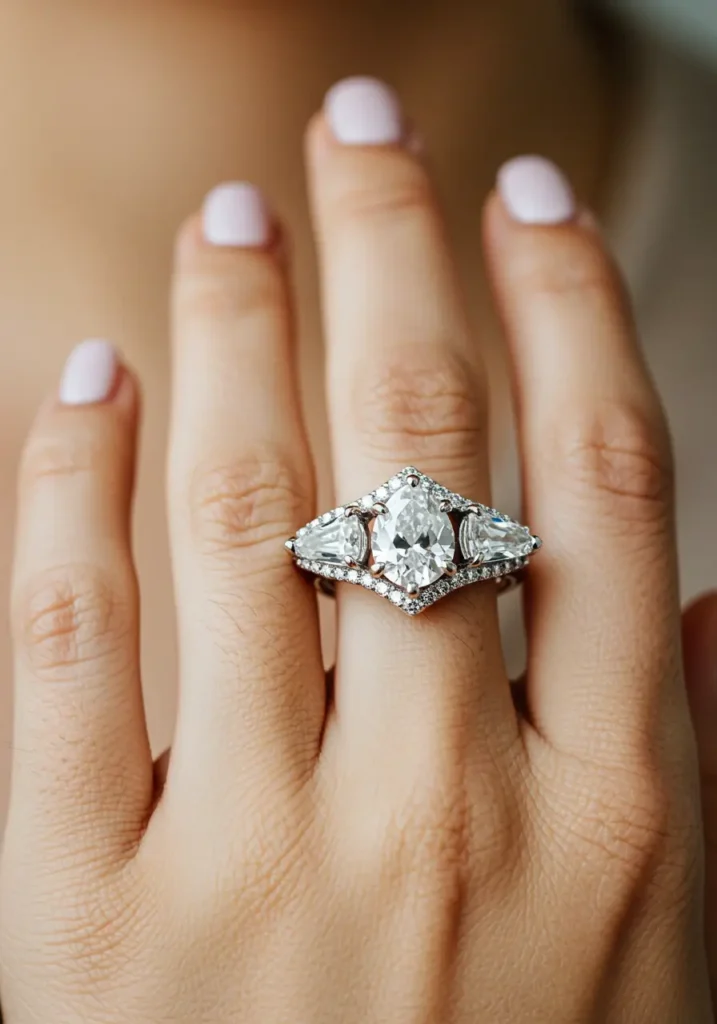
Mixing a round, pear, and step-cut stone can create an arrangement that feels collected rather than matched. Keep the metal consistent to give the different shapes a shared visual language. Look closely at how the side stones meet the center and whether their edges protrude into neighboring fingers; balance matters more than perfect symmetry here.
3. Vintage-Style Filigree and Milgrain
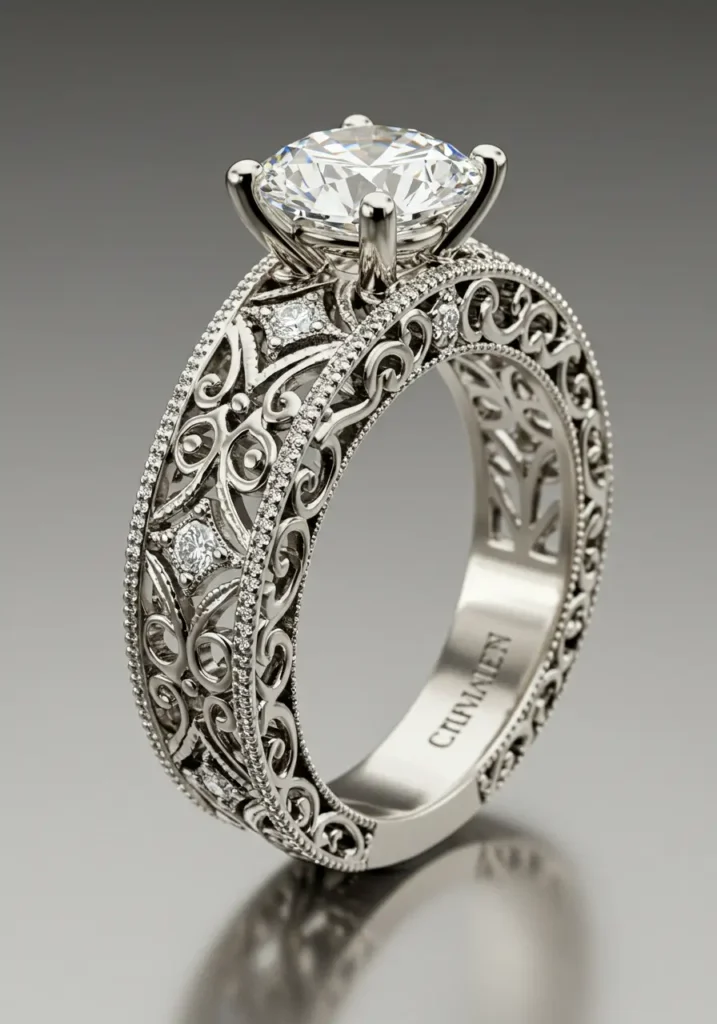
Filigree uses delicate open metalwork, while milgrain adds tiny beaded edges. Together they can give a new ring the detail of an heirloom. Decide which areas should be ornate and which should stay smooth against the hand. Fine details and open spaces can collect residue, so ask the jeweler what future cleaning and repair would involve.
4. A Bezel-Set Pear With a Sparkling Band
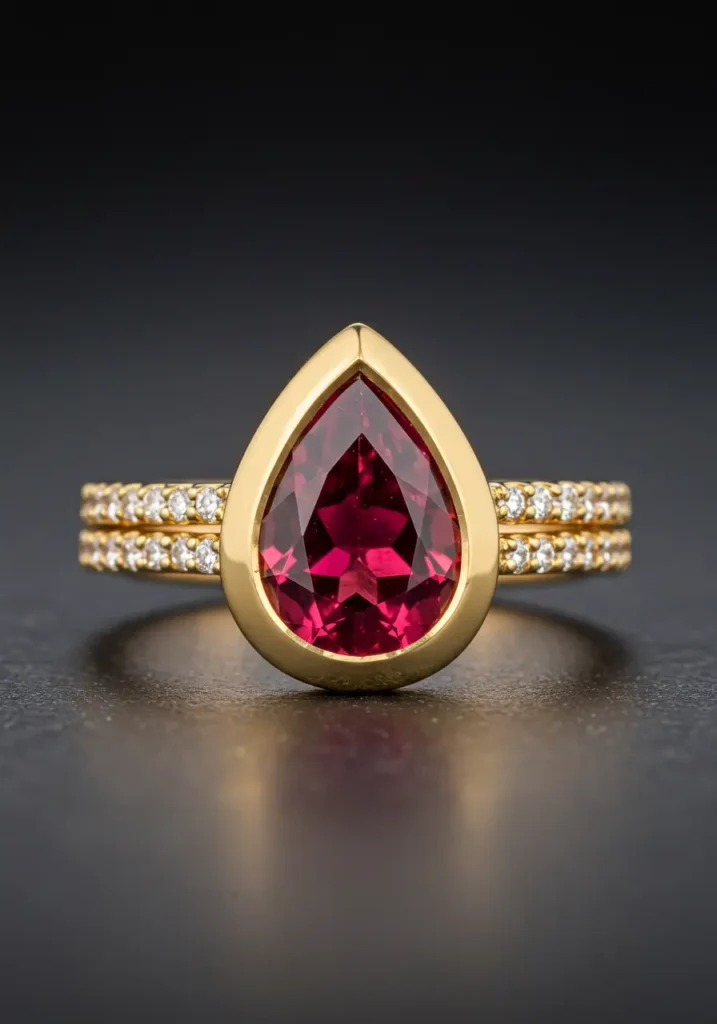
A pear-shaped stone feels soft and directional; a full bezel outlines its shape and covers the pointed tip. Pavé stones along the band add contrast. If durability is your first concern, try a plain band version too. The center can still feel special, with fewer small stones to check or replace over time.
5. An Art Deco-Inspired Geometric Ring
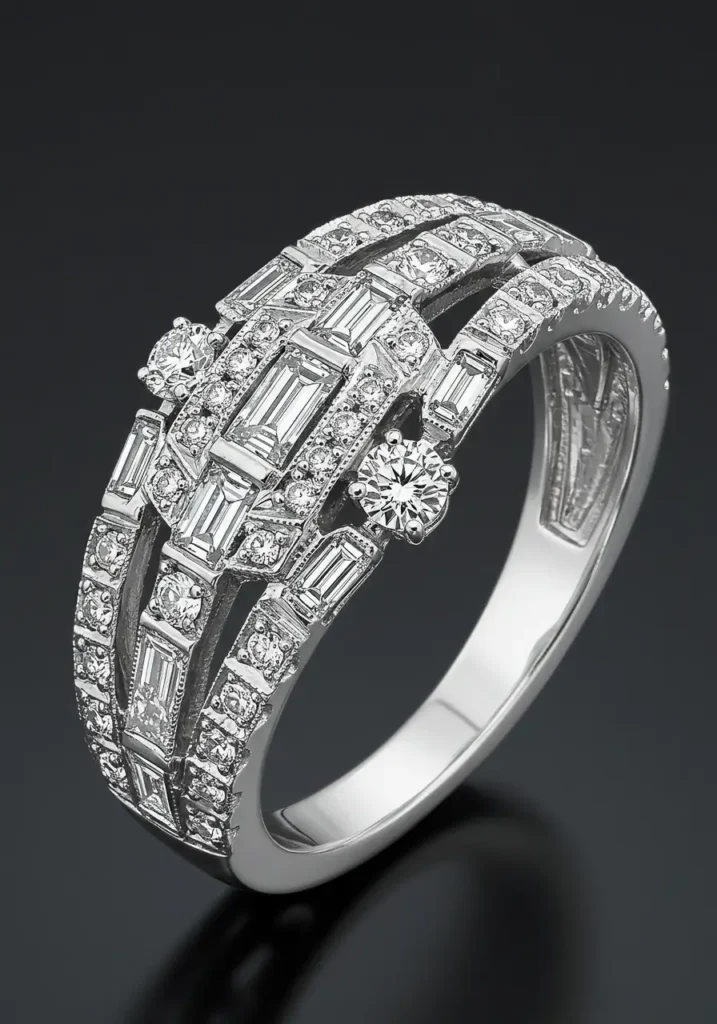
Think crisp lines, stepped shapes, and baguette side stones. A restrained version pairs one rectangular center with two slim accents; a more elaborate one builds a symmetrical pattern around it. Ask to see the silhouette at actual size, since intricate renderings can make small details appear more prominent than they will on a finger.
6. A Vine or Leaf Band
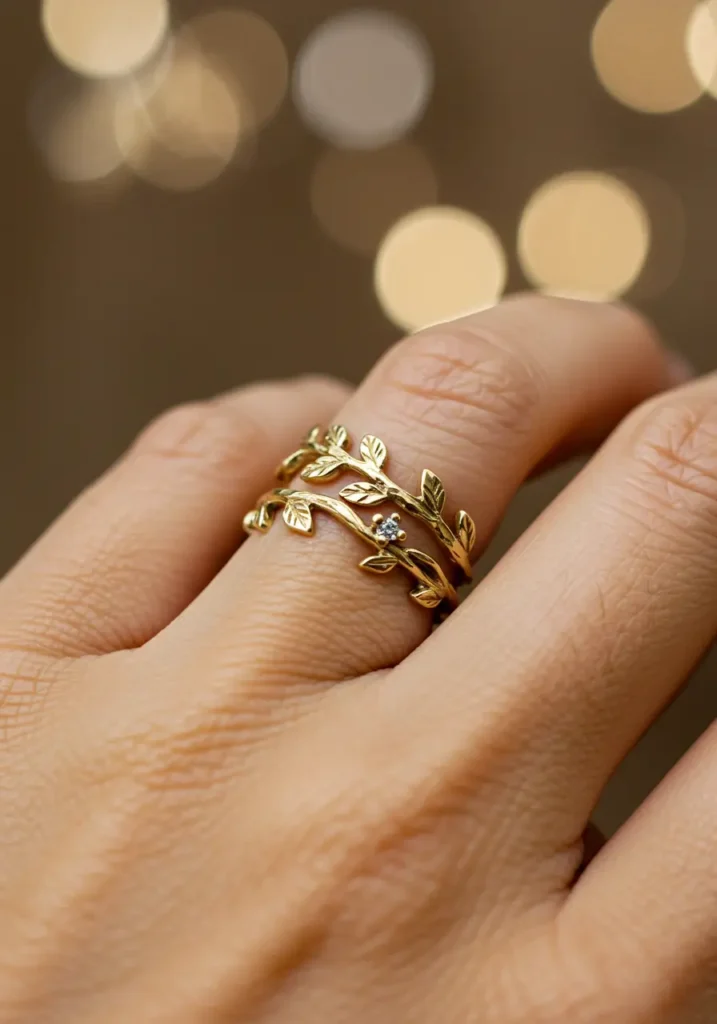
Curving leaves or a subtle vine can echo a favorite garden, landscape, or shared walk. For daily wear, ask for rounded edges rather than sharply projecting leaves. Also check where the ring can be sized if the motif travels around the whole band. One small botanical detail can be enough to tell the story.
7. A Toi et Moi Ring With Two Different Gems
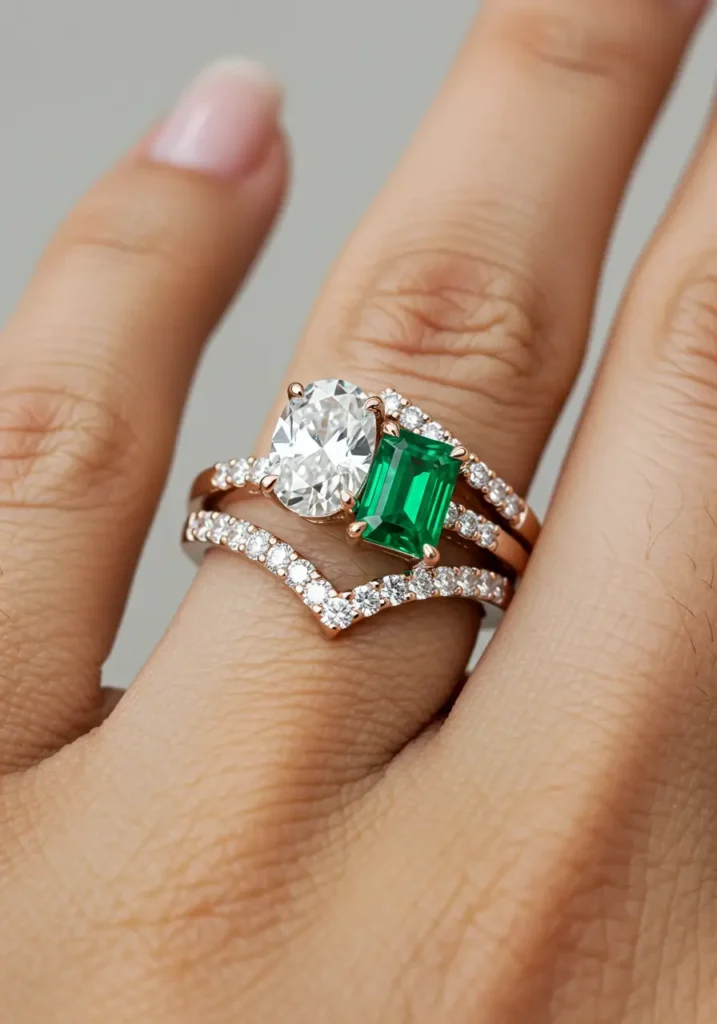
This two-stone arrangement can pair contrasting colors or cuts, such as a sapphire beside a diamond. It invites meaning without requiring a literal inscription. Try the proposed layout on a hand or in a full-scale model: two centers can take up more width than expected, and their setting heights should feel balanced from the side.
8. An Emerald-Cut Center With Trapezoid Sides
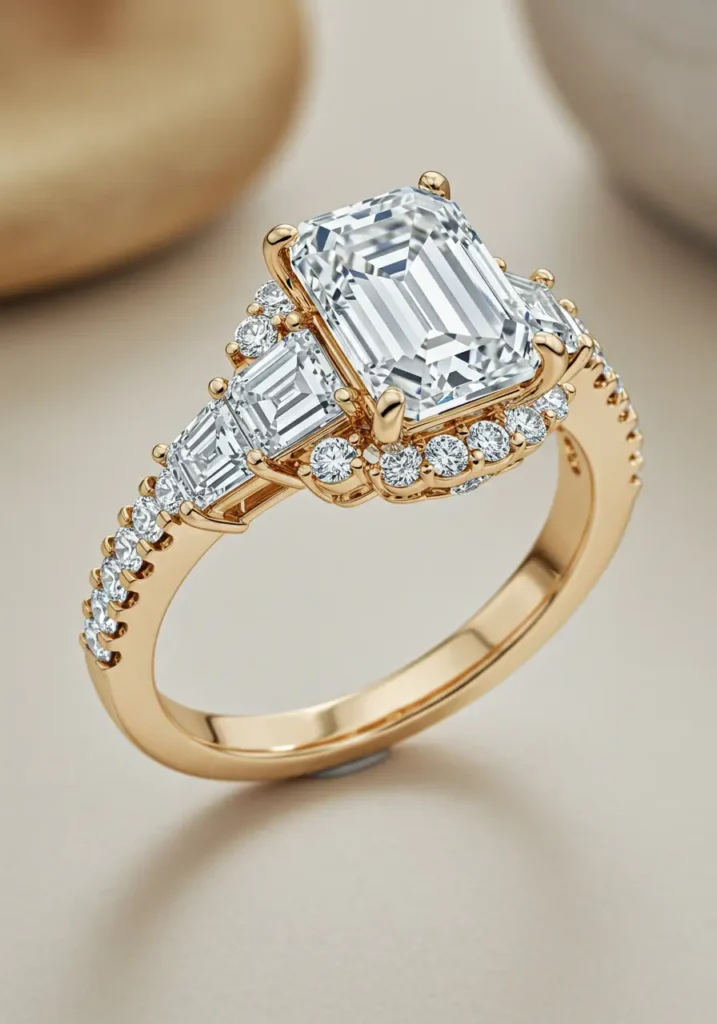
The long, broad facets of an emerald-cut diamond draw attention to its clarity and pattern rather than producing the same look as a round brilliant. Trapezoid side stones extend those clean lines. Compare candidates in ordinary light as well as under display lighting; look for a pleasing, lively appearance instead of shopping by the grading numbers alone.
9. An East-West Oval
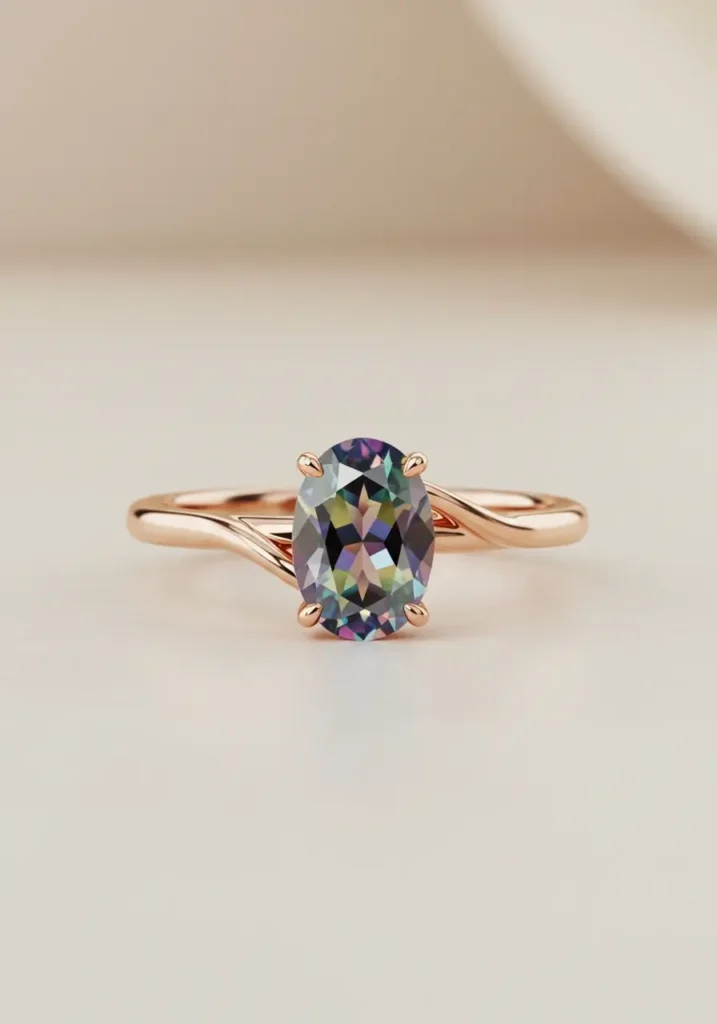
Turn an oval sideways and the ring reads wider across the finger. The idea works especially well with a plain band when you want one quiet twist on a familiar shape. Discuss the stone’s proportions and how much room the setting needs between the wearer’s fingers. A horizontal orientation does not automatically mean a low profile; that depends on the mounting.
10. A Raw Diamond or Irregular Cut
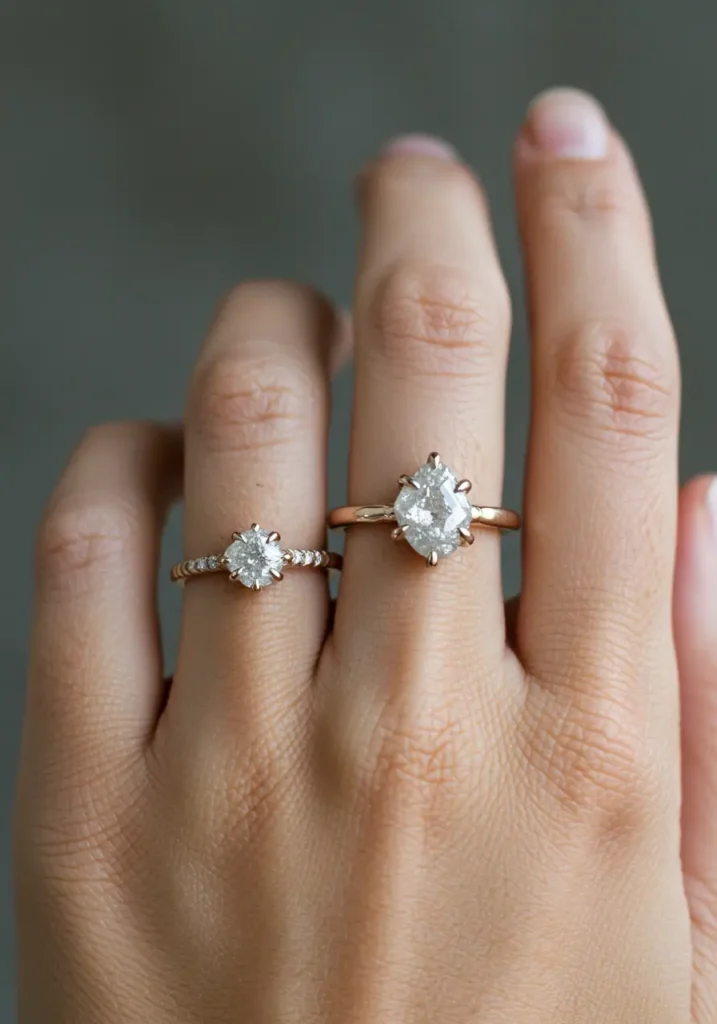
An uncut or unusually shaped center has a tactile, one-of-a-kind character. Its uneven outline also makes the setting a more specialized job. Have the jeweler explain exactly how the stone will be secured and whether exposed points could catch or chip. If you love the look but want an easier daily ring, an irregular-cut stone in a protective bezel may be a useful compromise.
11. A Colored Sapphire With Small Diamond Accents
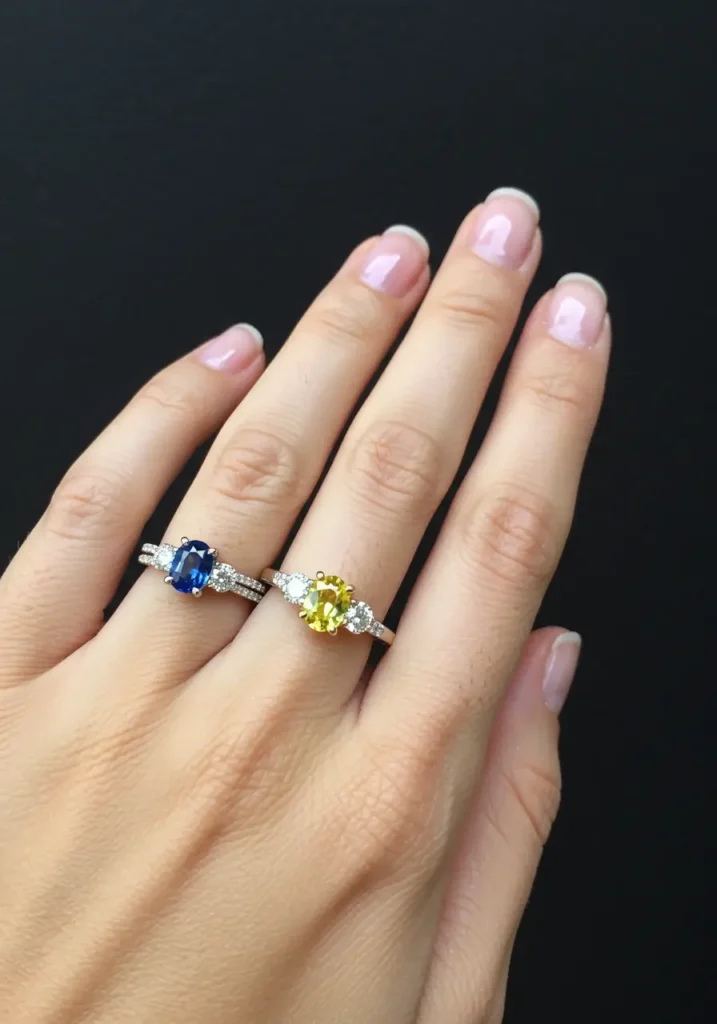
Blue is only the beginning: sapphires occur in a range of colors. Small clear accents can frame a colored center without washing it out. View the actual gem in different light, because color can look quite different outside a studio photo. Ask whether it has been treated and how that treatment affects care; GIA’s sapphire care guide explains why that question matters.
12. A Split Shank With Pavé
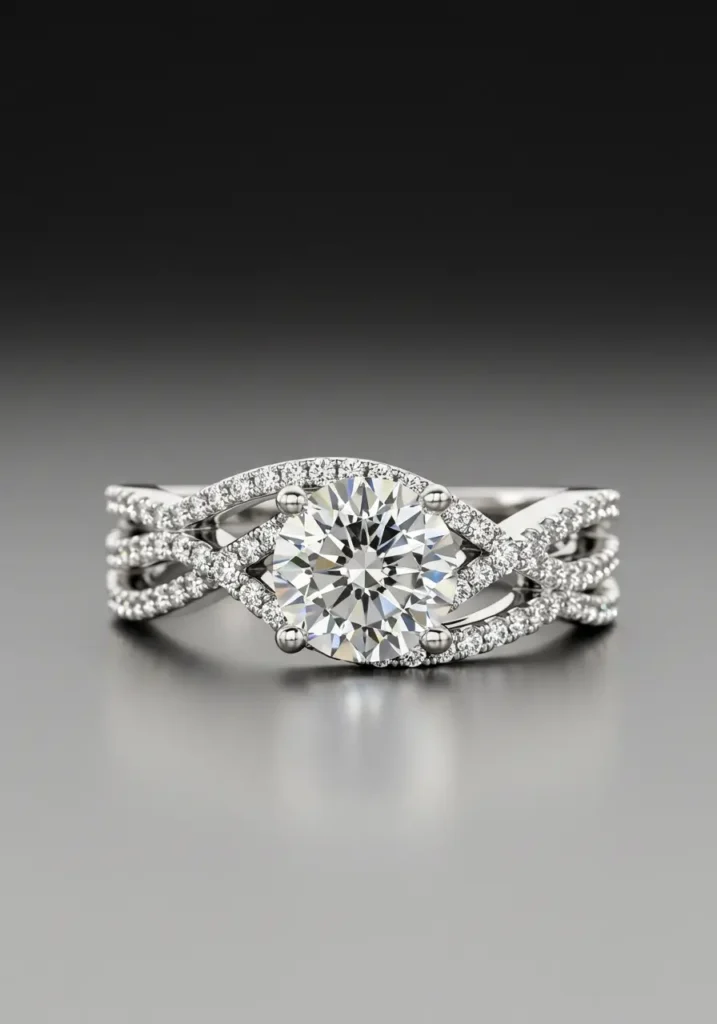
Two slim arms divide as they approach the center stone, leaving a little negative space that lightens the design. Pavé can emphasize the shape, but it also changes the feel and upkeep of the band. Ask where the split begins, whether the center sits securely, and how much plain metal remains at the bottom for sizing.
13. A Minimal Tension-Set Ring
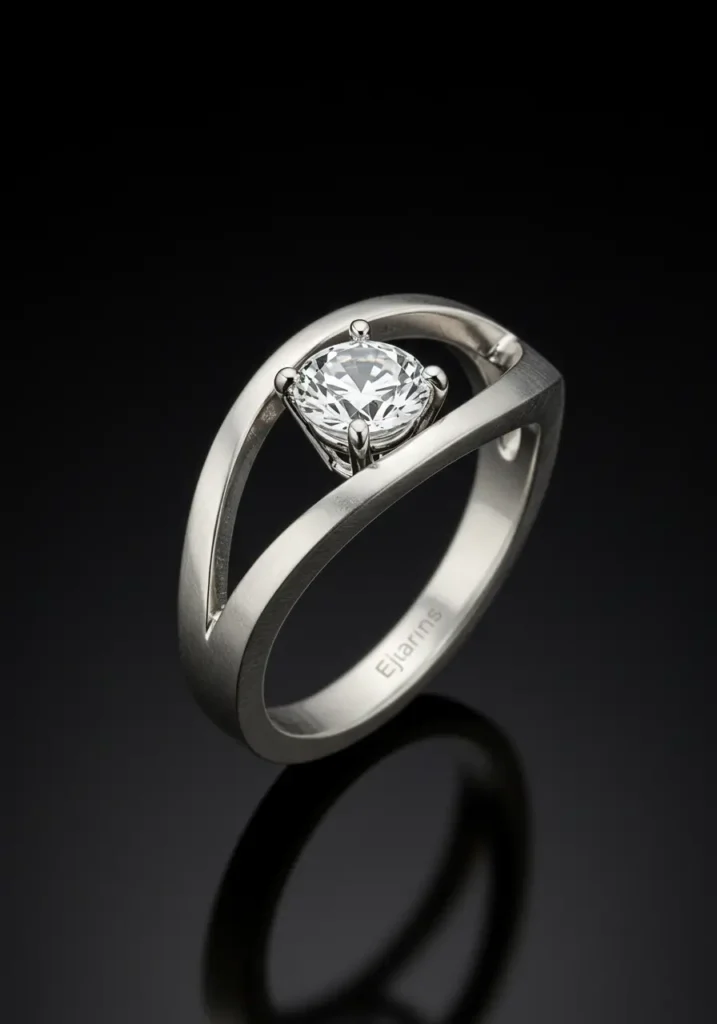
A true tension setting uses precisely engineered pressure to hold the gem between the ends of the band. Its open appearance is striking, but the stone is more exposed and resizing may be difficult or impossible. Ask an experienced maker about the specific stone and construction. A tension-style ring with a hidden support can provide a similar visual effect with a different structure.
14. A Cushion Cut With a Halo
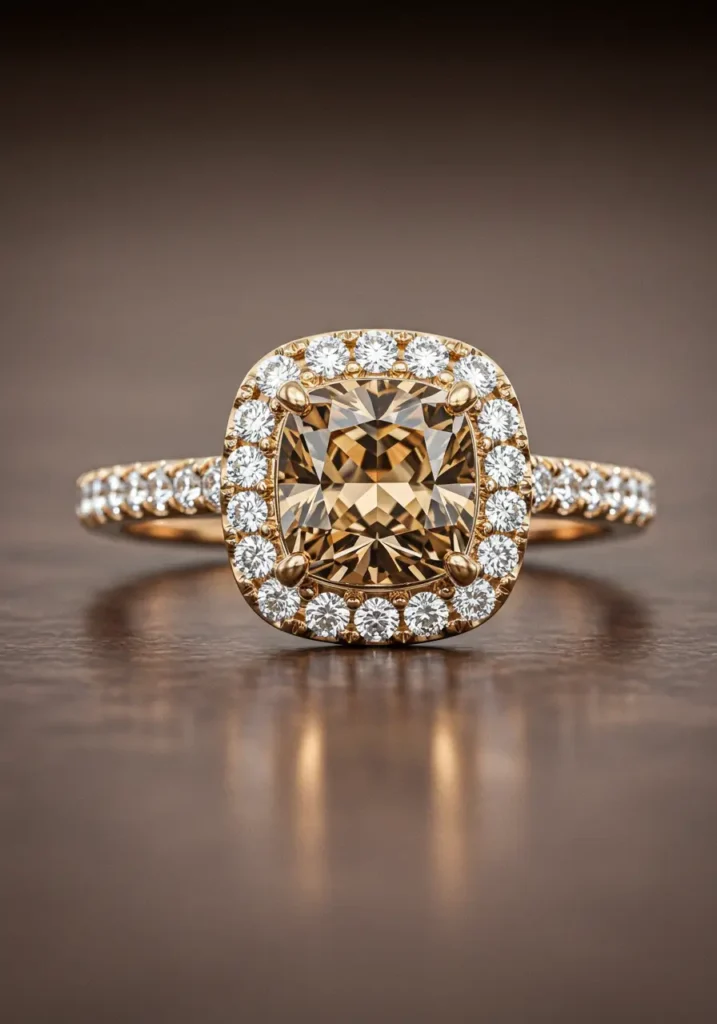
Rounded corners give a cushion cut a gentle outline, while a halo builds a brighter frame around it. Decide whether you want the halo tight against the center or separated by a visible gap. The two looks feel surprisingly different. Check the ring from the side as well; a lower halo may fit beside a wedding band more comfortably than a tall one.
15. A Black Diamond or Another Dark Gem
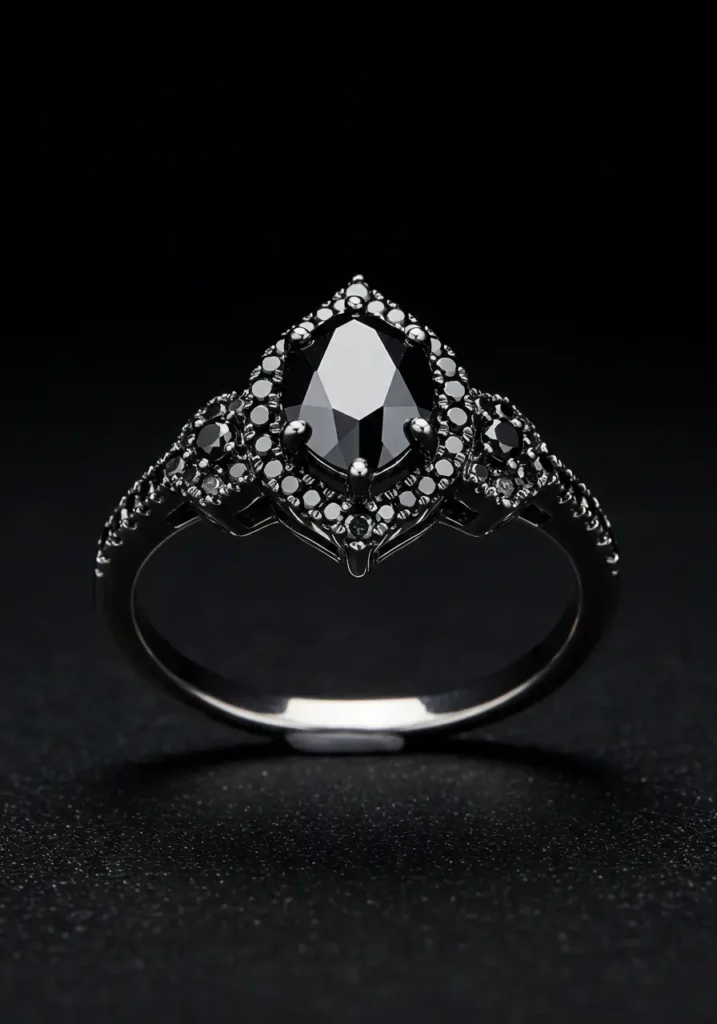
A dark center stone makes the ring feel graphic against either warm gold or a pale metal. Ask what the gem actually is and whether its color has been treated. Black diamonds and black spinel have different properties and appearances; the label alone cannot tell you which one your partner would prefer. See the exact stone before approving the finished design.
16. A Double Band With Mixed Metals
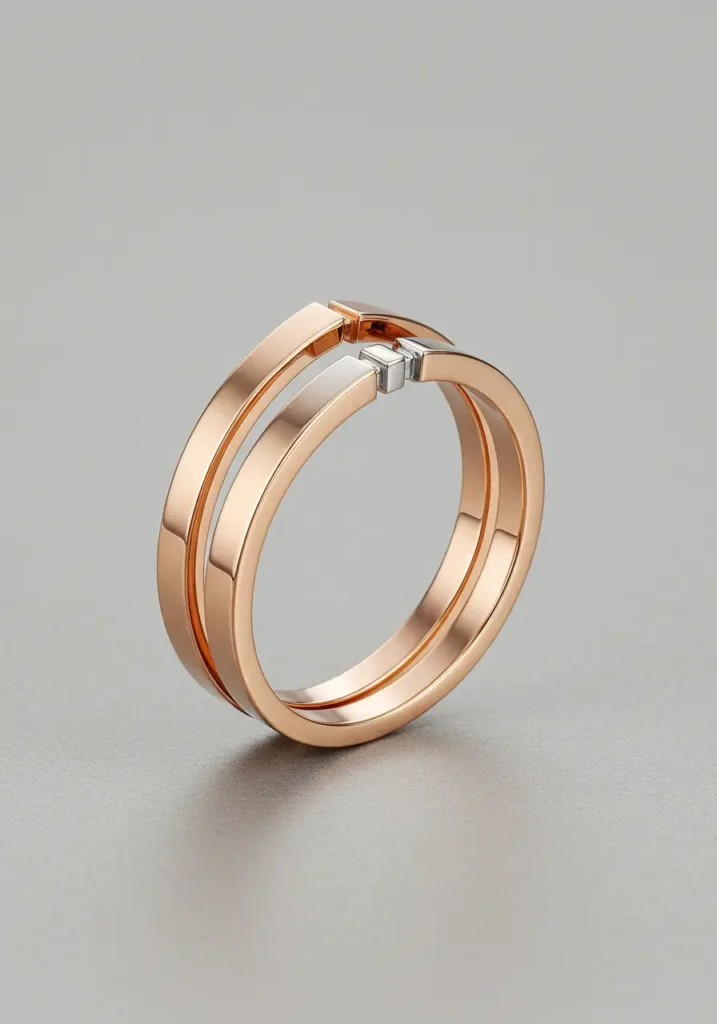
Two parallel bands in contrasting metals can frame a center stone like a tiny piece of architecture. Keep the transition points comfortable and ask how the bands will be joined. Mixed-metal work may require special attention during future repairs, so discuss resizing before committing. If your partner already mixes gold and silver jewelry, this can connect naturally with what they own.
17. A Hidden Message and Side Detail
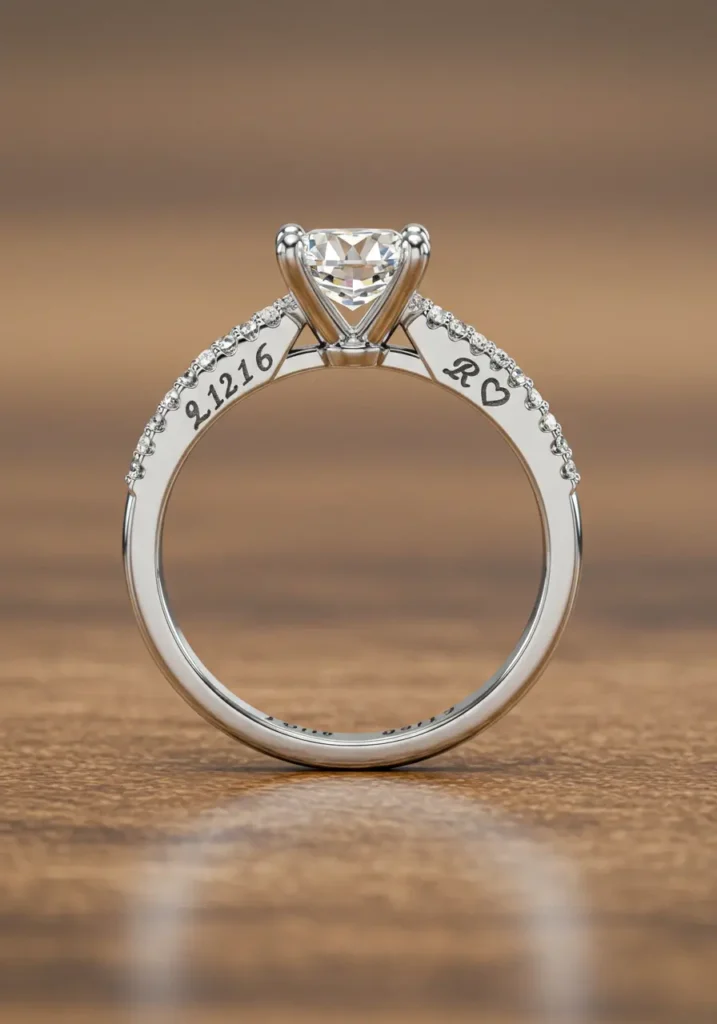
A short engraving inside the shank can be more intimate than ornament visible to everyone else. If the design also includes side stones, keep the message in a part of the band that can be read and maintained. Ask the jeweler how many characters fit legibly and what resizing might do to the engraving. A few carefully chosen words often work better than a crowded sentence.
18. An Oval Center on a Slim Pavé Band
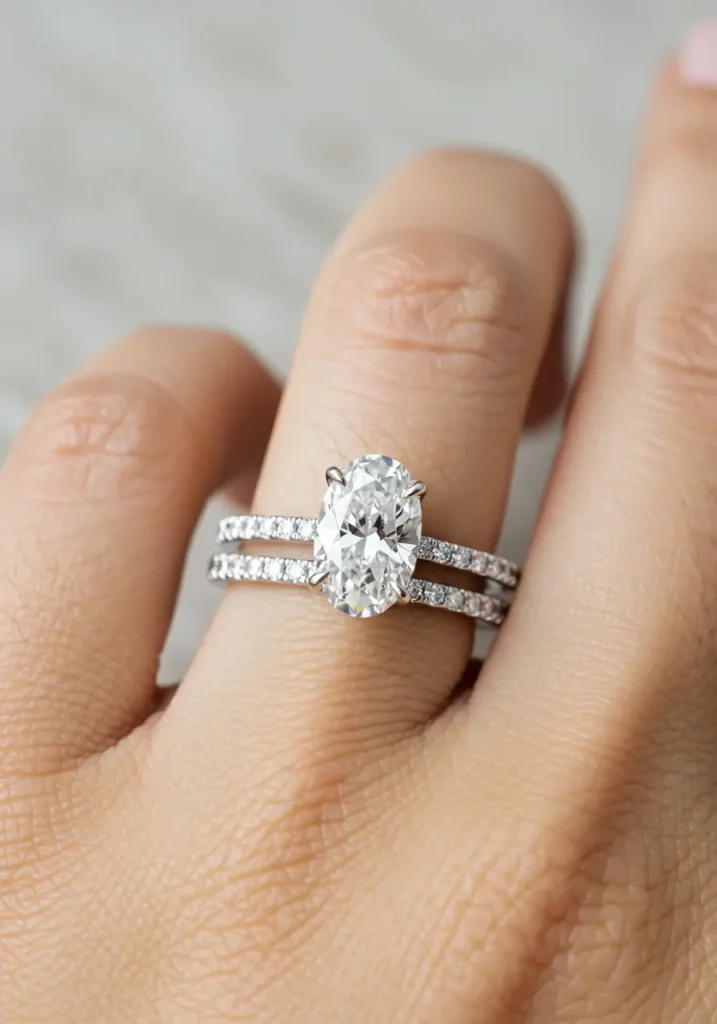
An elongated oval can create a graceful vertical line; pavé gives the band a continuous glimmer. Try a few band widths in person instead of automatically choosing the thinnest one. Very slender metal leaves less room for future sizing or repair, especially when small stones extend far down the sides. The best proportions depend on the actual center stone and hand.
19. A Geometric Cluster
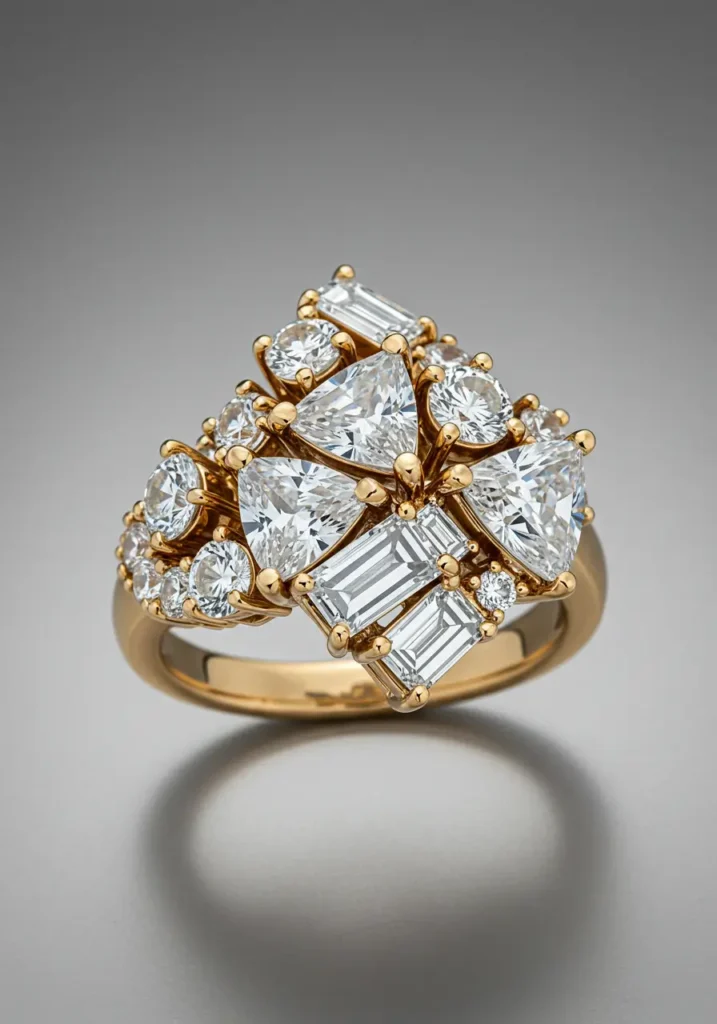
Several small stones can form one larger visual shape, from a tidy fan to an abstract arrangement. This is a chance to combine an heirloom gem with new stones, provided a jeweler can assess and safely reset it. Check the spaces between stones for snagging and cleaning access. Small stones do not automatically mean a low price when the setting requires intricate labor.
20. A Textured or Hammered Band
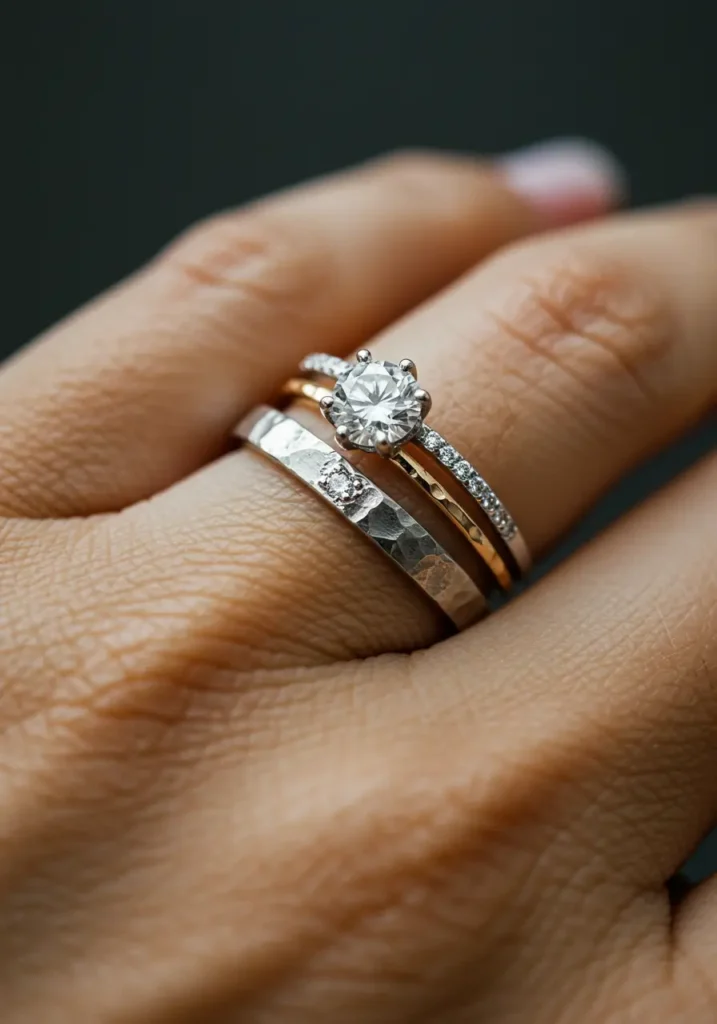
Texture can make a simple solitaire feel hand finished. A gently hammered surface catches light differently than a mirror polish and may suit someone who prefers a less formal look. Request a sample of the finish and ask how future polishing would affect it. If preserving the texture matters, make sure the jeweler records the finish in the design brief.
How to Set a Budget Without Following a Spending Rule
Choose a total you can pay comfortably, then tell the jeweler that number before the design expands. There is no required salary multiple or universal price range for a meaningful engagement ring. Ask for an itemized quote that separates the center stone, accent stones, metal, design work, taxes, and any shipping or appraisal costs. The amount that matters is the completed ring’s cost, not a tempting starting price for a bare setting.
If choosing a diamond, compare stones using the GIA guide to the four Cs: cut, color, clarity, and carat weight. Carat measures weight, not how large a stone looks from above. A grading report describes the stone; it does not promise that one diamond will look more beautiful to you than another. Confirm the report number and whether the diamond is natural or laboratory-grown. Moissanite is a separate material, not a lab-grown diamond.
Ask the jeweler to price two or three versions of the same idea. For example, compare a plain 14k gold band with pavé, or a smaller center stone with better-protected prongs against a larger one in a more delicate setting. A laboratory-grown diamond can free room in some budgets, but prices vary by stone and seller. Do not assume a specific discount or future resale value.
If origin matters to you, ask for documentation tied to the individual stone and read what it actually verifies. A grading report, an origin claim, and a seller’s sustainability claim answer different questions. The FTC’s jewelry guidance offers a useful starting point for understanding how stones and precious metals should be described. Broad claims about being “ethical” deserve specific evidence.
Make the Design Process Easier on Both of You
Bring your jeweler three or four images, but annotate them: “I like this low profile,” “I love this color,” or “This band feels too busy.” That is more helpful than asking for a copy of another ring. Confirm the finger size with a professional if possible; width, fit, climate, and the time of day can affect how a ring feels, and some elaborate designs are harder to resize.
Before paying a deposit, get the specifications and policies in writing. Include the stone’s identity and any known treatment, the metal and its karat or fineness, approximate dimensions, band width, setting height, engraving, price, revision limits, estimated completion window, return policy, resizing policy, warranty terms, and who performs repairs. Custom pieces may have different cancellation terms from ready-made jewelry. Ask who owns or keeps the design files if that matters to you.
Review a drawing or CAD rendering from the top and side, and request a full-size model if the jeweler offers one. Renderings help you see proportions, but they cannot perfectly reproduce sparkle or show how a ring feels between your fingers. Ask to inspect comparable finished work, especially if the design has delicate prongs, intricate pavé, or mixed metals. Leave room in your schedule for a revision and final quality check before a proposal date; timing varies by jeweler and design.
At pickup, verify the stone and inscription against your paperwork, check that the ring sits comfortably, and ask how to recognize a loose stone. Keep the receipt, design approval, and any laboratory documents together. If insurance is appropriate for your situation, ask your insurer what documentation it requires and what its policy actually covers.
Care for the Ring You Designed
Remove a ring before activities that could strike or bend it, such as weight training, heavy gardening, or hands-on repairs. Store it separately so a harder gem does not scratch another piece. If a stone rattles or a prong catches on fabric, stop wearing the ring and have a jeweler inspect it promptly. A routine inspection schedule should reflect the setting and how often it is worn; ask the maker what they advise for your particular ring.
Cleaning instructions depend on the stone and any treatments. Warm water and mild soap are suitable for many pieces, but first confirm the method for your specific ring. Do not assume an ultrasonic cleaner is safe because the center stone is hard: it can affect a loose setting, and treatments or softer accent stones may need special care. GIA advises gentle warm, soapy water for emeralds and cautions against ultrasonic and steam cleaning for the many emeralds with filled fractures.
If you are choosing today, write down three priorities: the wearer’s preferred style, the conditions their ring must withstand, and your comfortable total budget. Those three answers will narrow the twenty possibilities to a design that feels personal when it is given and practical long after the proposal.
This post contains affiliate links.