Age two is a momentous year full of critical developmental milestones. Your 2-year-old is most likely developing a strong sense of self-will and independence, yet they are still very much dependent on you for help regulating their basic needs and emotions. This push-pull dynamic will continue over the following months and years as their regulation system becomes more mature. As you respond to their needs, tantrums, and need for independence, you are helping to shape their ability to bounce back from life stressors. Understanding your two-year-olds’ development will help you recognize that tantrums are normal, what looks like defiance is probably self-will, and that regulation skills will develop with time.
Your 2-Year-Old’s Developmental Journey: Self-Regulation and Independence
At two years old, your child is beginning to assert their independence and develop a strong sense of self-will. This is a normal part of their growth, and it’s essential to recognize that tantrums are a natural response to the frustration and overwhelm that can come with this newfound independence. What looks like defiance is probably self-will in two-year-olds, and regulation skills will develop with time.
Understanding Your Child’s Developmental Timeline
Children develop at different rates, and delay does not necessarily mean a developmental delay. Children born prematurely may meet some milestones later than their peers, yet by the age of five, they catch up to their peers. However, speaking to your pediatrician if you suspect your child is experiencing a developmental delay is essential. Early interventions work well because there is so much opportunity to grow in early childhood.
Physical Development: Large Movement and Fine Motor Skills
Some pretty incredible things happen with your two-year-old as they develop more muscle coordination and strength. Large Movement Motor Skill Milestones include:
- Walking and running
- Kicking a large ball
- Walking up the stairs with or without help
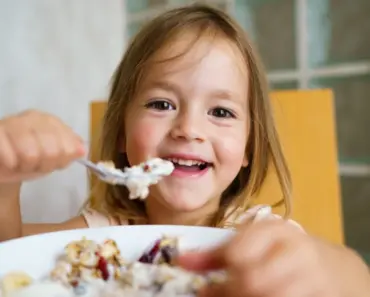
- Eating with a spoon
- Jumping off of objects, jumping in place
- Climbing larger structures
Fine Motor Skills Milestones include:
- Taking the lid off of a container using two hands
- Flipping switches
- Opening knobs
- Pushing buttons
- Turning single pages of a book
- Stacking blocks
Ideas for Parents to Support Physical Development
Here are some fun ways to support your child’s motor development:
- Build obstacles courses out of sofa pillows or boxes
- Ask them to turn the pages of a book when you read
- Provide different (sizes and shapes) kinds of colored pencils, crayons, and sidewalk chalk
Brain, Language, and Cognitive Development
Your child’s cognitive milestones will explode during this year of life! Cognitive Milestones include:
- Playing with multiple toys simultaneously
- Sorting by shapes and colors
- Begins make-believe or imaginative play
- Finds objects when they are hidden by a blanket
- Uses problem-solving skills when they encounter a problem
Language Milestones include:
- Pointing to objects as you ask questions when reading a book
- Begins putting two to three words together to form a sentence
- Recognizes two or more body parts when asked where they are
- Blow kisses or nod yes instead of just cute baby waves and pointing
- Recognize the names of familiar people
- Follow simple instructions
- Repeats words they have heard in conversation
Brain Development: Synapses, Myelination, and Higher Order Systems
Your child’s brain is going through tons of changes. A two-year-old brain has twice as many synapses as an adult’s to allow them to soak up as much information as possible. With experience, the connections that are used strengthen, and the less used connections will be pruned. Until that happens, keep in mind that your child will be more prone to overstimulation.
Synapses between brain cells are double since birth, and the nervous system and brain have become myelinated (coated with a fatty substance that aids communication in the brain). Shift from the development of sensorimotor systems to higher order systems like social skills and language.
Tips for Supporting Your Child’s Development
- Create a Scavenger Hunt: Create a scavenger hunt to help your child’s cognitive development by encouraging them to think critically and problem-solve.
- Read Books Daily: Reading books daily can help your child’s language development by exposing them to new vocabulary and sentence structures.
- Play with Your Child: Playing with your child can help their motor development by providing them with opportunities to practice and refine their physical skills.
- Show Empathy and Understanding: Showing empathy and understanding can help your child develop emotional awareness by teaching them to recognize and manage their emotions.
By understanding your child’s developmental milestones and providing them with support and guidance, you can help them reach their full potential and develop into a happy, healthy, and confident individual.
Verdict: Unlocking your 2-year-old’s potential requires a deep understanding of their developmental journey and a commitment to providing them with the support and guidance they need to thrive. By recognizing the critical milestones they will reach and incorporating fun and engaging activities into your daily routine, you can help your child develop the skills they need to succeed in life.