Braces Colors: How to Choose a Shade You’ll Enjoy Wearing
Braces colors let you personalize traditional metal or ceramic braces without changing the treatment itself. If you want an easy first choice, dark blue, deep purple, teal, or silver are versatile and tend to keep a tidy appearance. Clear and white can look discreet at first, but discoloration may be more noticeable. The best option, however, is the color that makes you comfortable smiling.
Your orthodontic office’s color wheel is the real menu: shades, finishes, and specialty options vary by supplier and practice. Ask to hold the wheel near your teeth before deciding, and remember that the color you see on the sample may look slightly different once the tiny bands are stretched around the brackets.
What the Colored Bands on Braces Actually Do
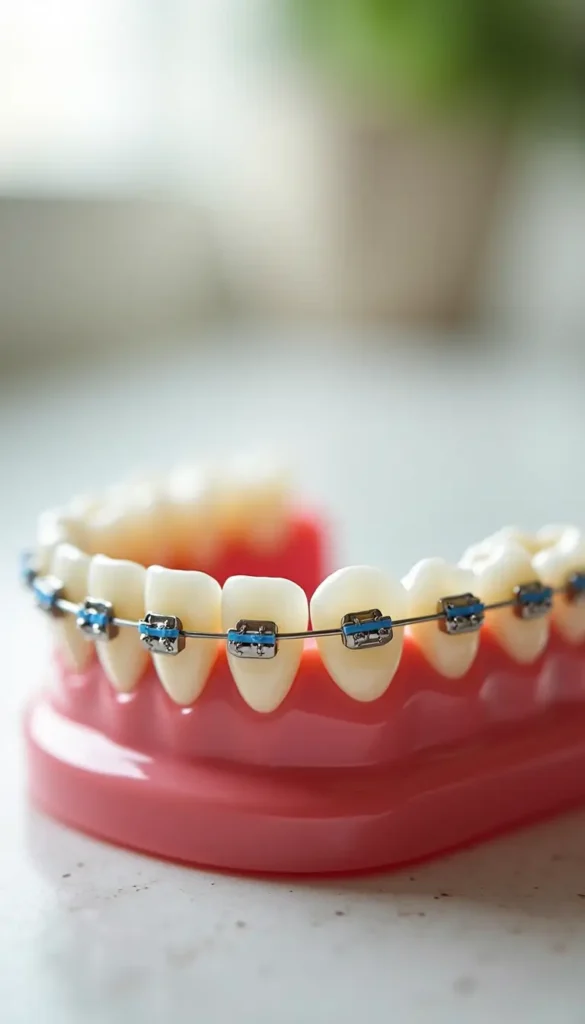
Traditional braces usually include brackets bonded to the teeth and an archwire that runs through them. On many bracket systems, small elastic rings called elastic ligatures hold that wire in each bracket slot. Those ligatures are the colored pieces most people mean when they talk about braces colors.
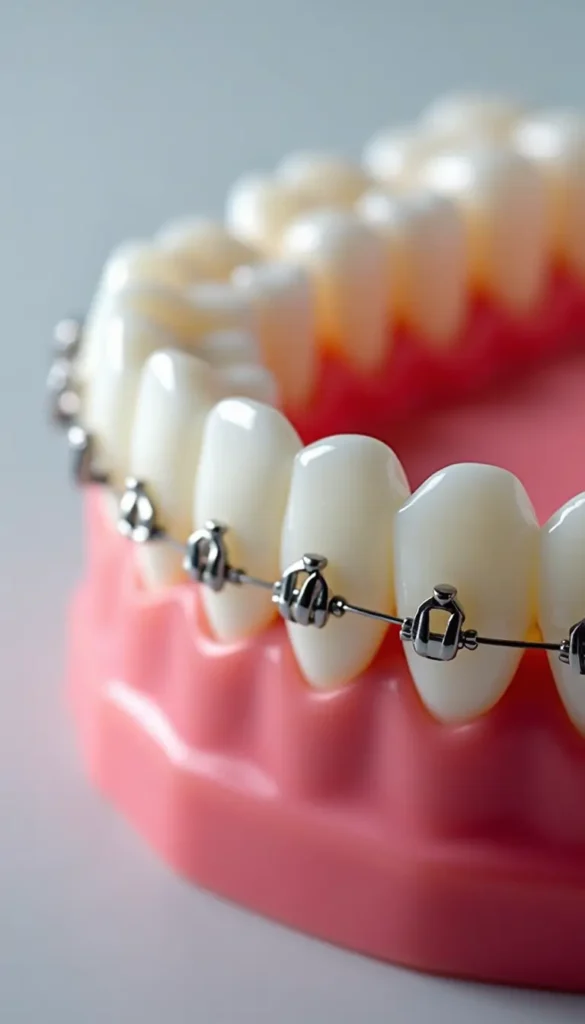
The archwire and the orthodontist’s treatment plan guide tooth movement; the color is simply a customizable feature of the ligature. Never remove or replace a ligature yourself. If one comes off, a wire starts poking, or a bracket feels loose, contact your orthodontic office for instructions.
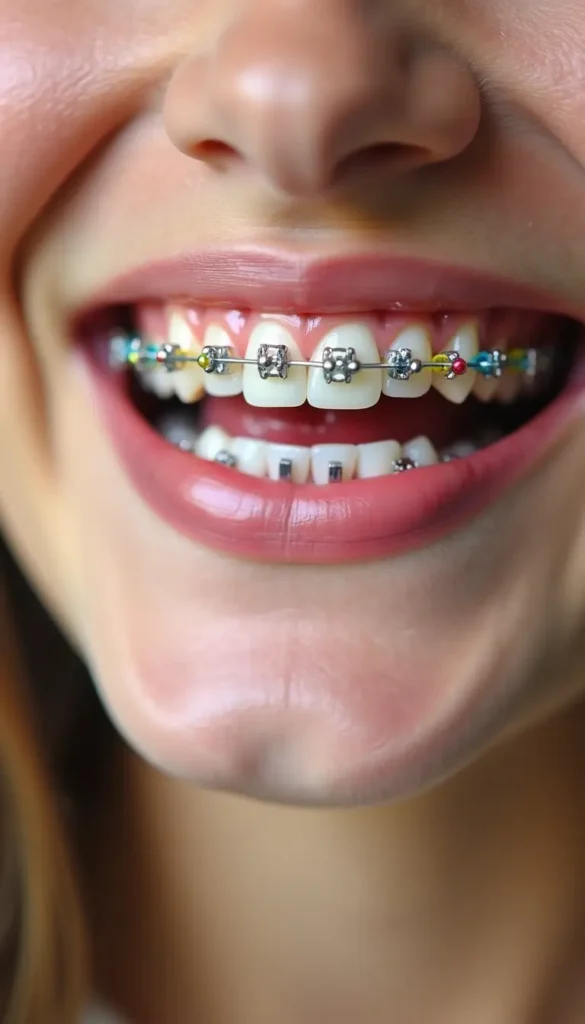
Ligatures are normally replaced during scheduled adjustment visits, so you can often choose a new look more than once during treatment. Appointment timing depends on the appliance and your individual plan; follow the schedule your orthodontist gives you rather than expecting a fixed interval.
Why Some Braces Do Not Offer Colored Bands
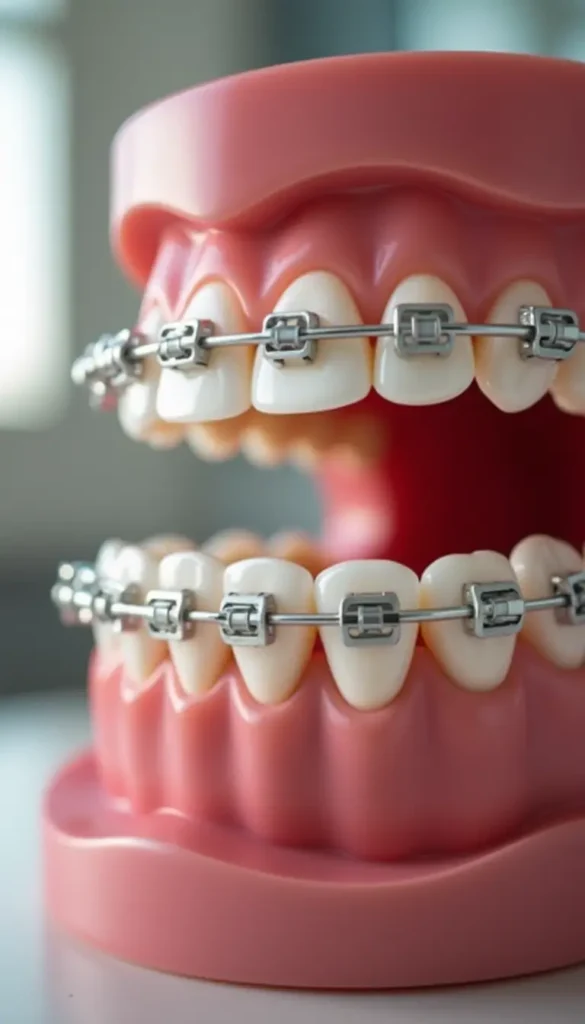
Self-ligating brackets use a built-in clip or door to retain the archwire, so they may not need elastic ligatures. Clear aligners do not use brackets or colored ligatures either. Ceramic braces may use clear, tooth-toned, or colored elastics depending on the bracket design and what the practice stocks. If choosing colors matters to you, discuss it before selecting an appliance; treatment suitability should come first.
Quick Guide to the Most Popular Braces Colors
There is no universally “best” braces color. Think about how visible you want the bands to be, whether you frequently eat deeply pigmented foods, and how the shade looks next to your natural enamel.
Silver and Grey: Simple and Low-Key
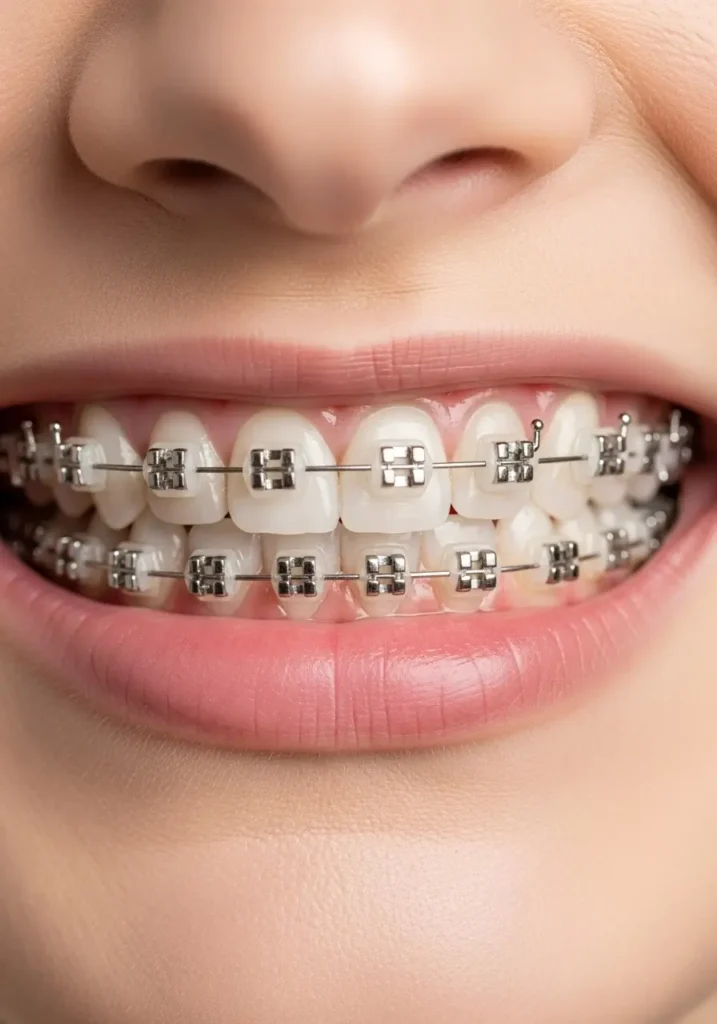
Silver or grey blends with metal brackets and works with almost any outfit. It is a practical choice for school, work, formal photographs, or a first appointment when you are unsure what to pick.
Clear: Discreet but Prone to Visible Discoloration
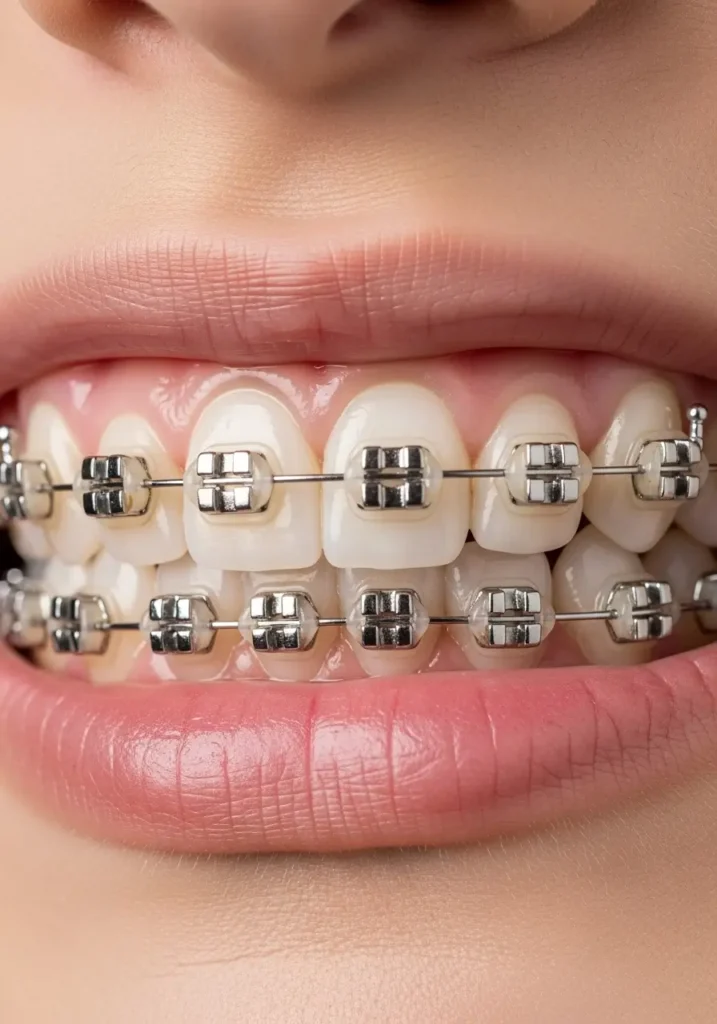
Clear ligatures can make ceramic braces less noticeable, especially when newly placed. Because they are transparent, changes caused by pigmented foods, drinks, or plaque may be easier to see. If you regularly drink coffee or tea or eat strongly colored sauces, ask your orthodontic team how the brand they use tends to look between visits.
White: Bright at First, but Not Always Tooth-Blending
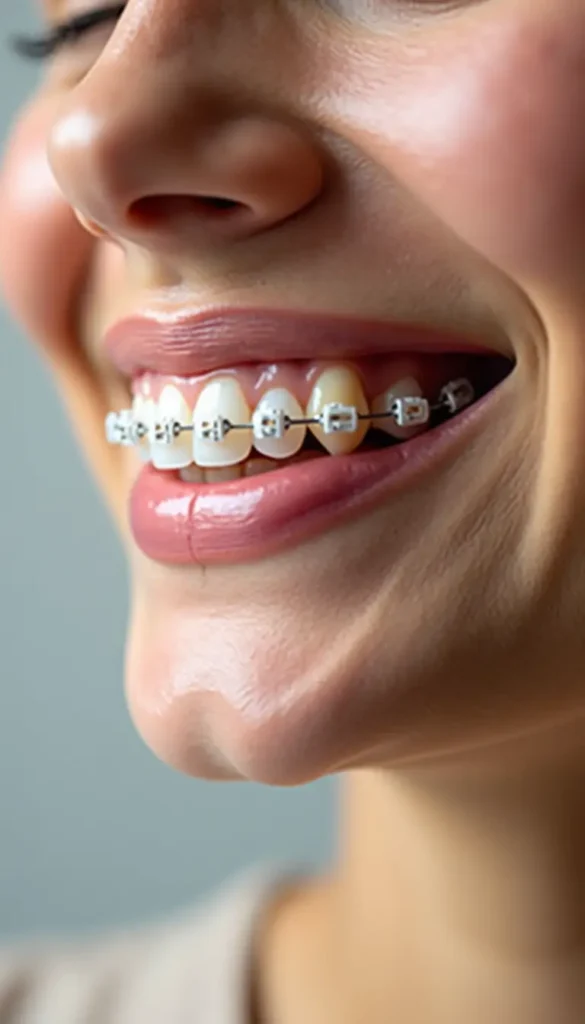
White bands sound like an obvious way to create a brighter smile, yet very bright white can contrast with the natural ivory tone of enamel. It can also show discoloration more readily than a saturated shade. Choose it because you like the look, not because you expect it to whiten your teeth.
Tooth-Toned Bands: Softer Contrast With Ceramic Brackets
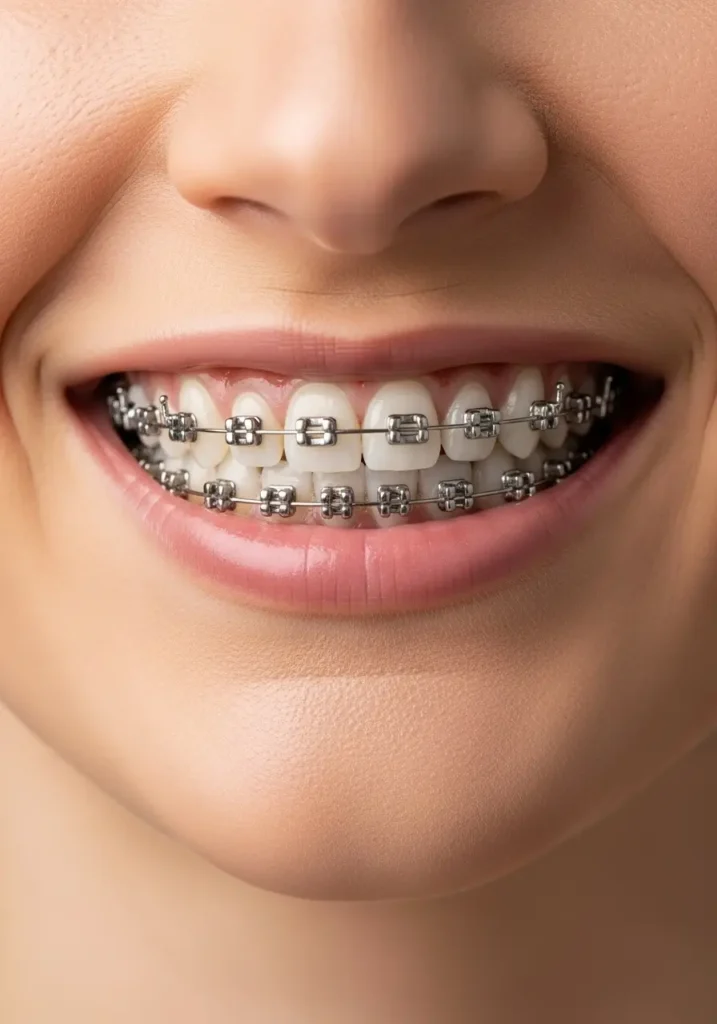
Some offices have pearl, ivory, or tooth-toned elastics designed to coordinate with ceramic brackets. They can appear softer than stark white, although the match will not be exact for every enamel shade and availability varies.
Bright Primary and Secondary Colors
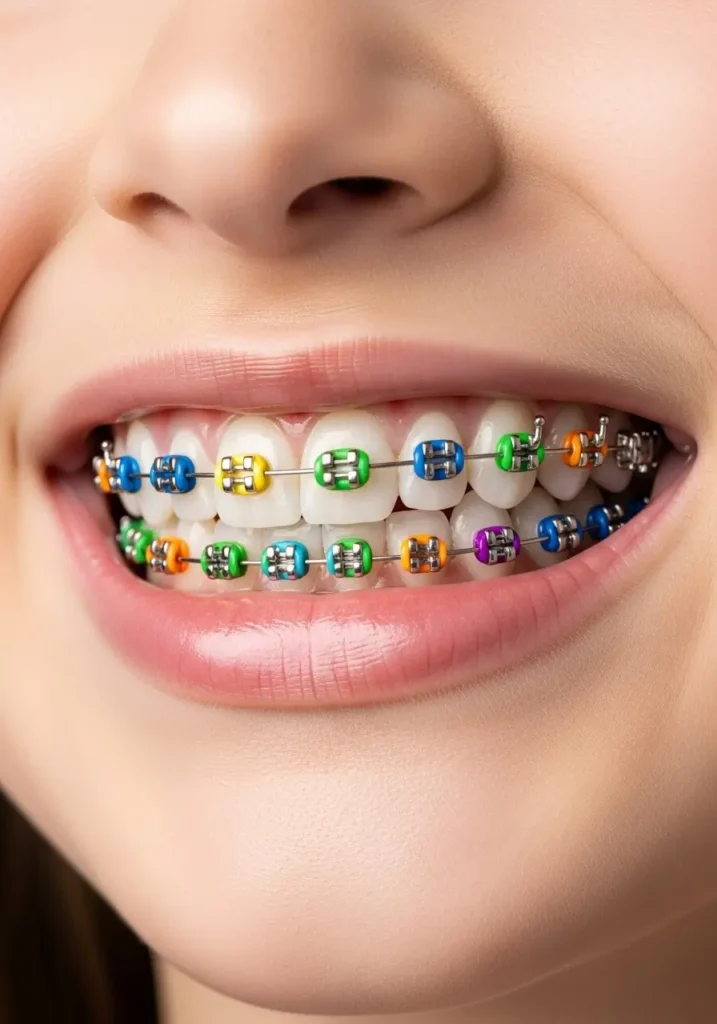
Royal blue, red, orange, green, yellow, and purple make the brackets an intentional part of your look. Saturated mid-tone colors are easy to see and generally conceal minor color changes better than clear or very pale bands.
Pink, Turquoise, and Teal
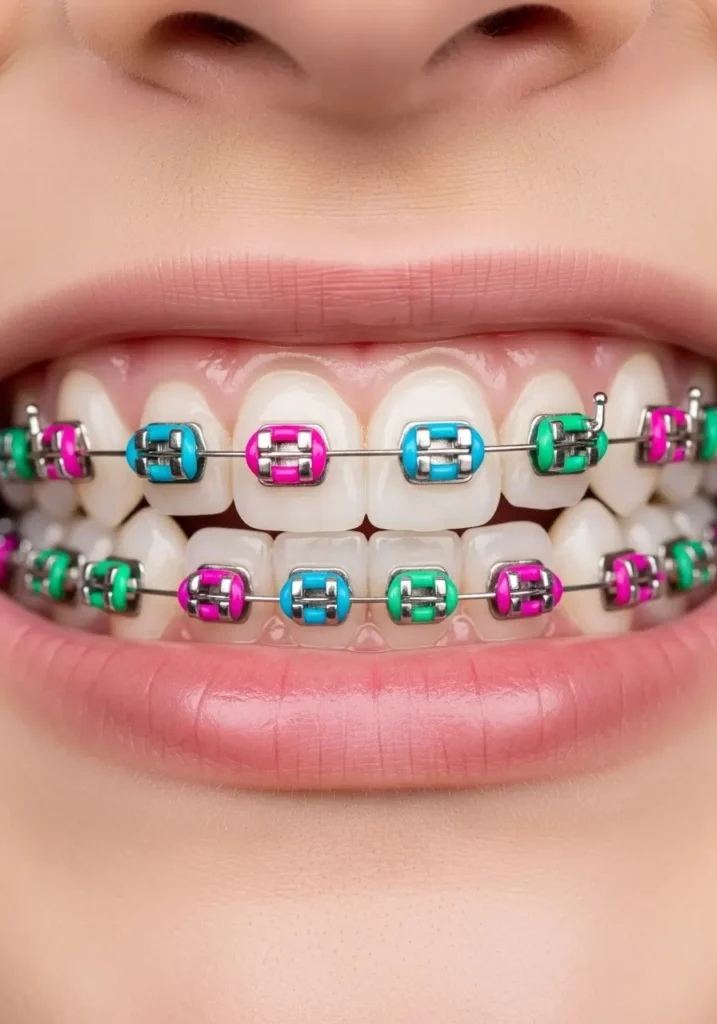
Pink and teal can feel playful without requiring a complicated pattern. Wear either alone, alternate them, or pair teal with navy and pink with purple for a more coordinated two-color design.
Neon Shades
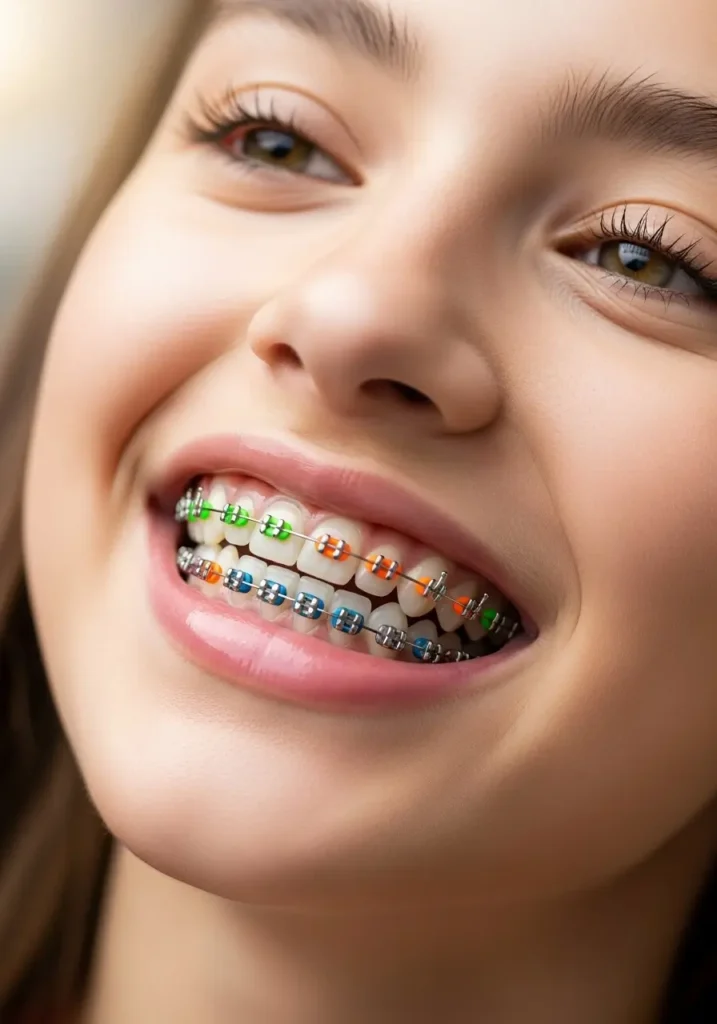
Neon pink, orange, green, or blue makes braces highly visible and works well for someone who wants to treat them as an accessory. Check the stretched sample if possible, because a tiny neon elastic can look lighter or brighter than it does on the color wheel.
Which Braces Colors Can Make Teeth Look Whiter?
Dark, cool shades can create a visual contrast that makes nearby enamel appear brighter. They do not bleach enamel or remove stains, and the effect changes with lighting, lip color, and your natural tooth shade.
Navy and Deep Blue
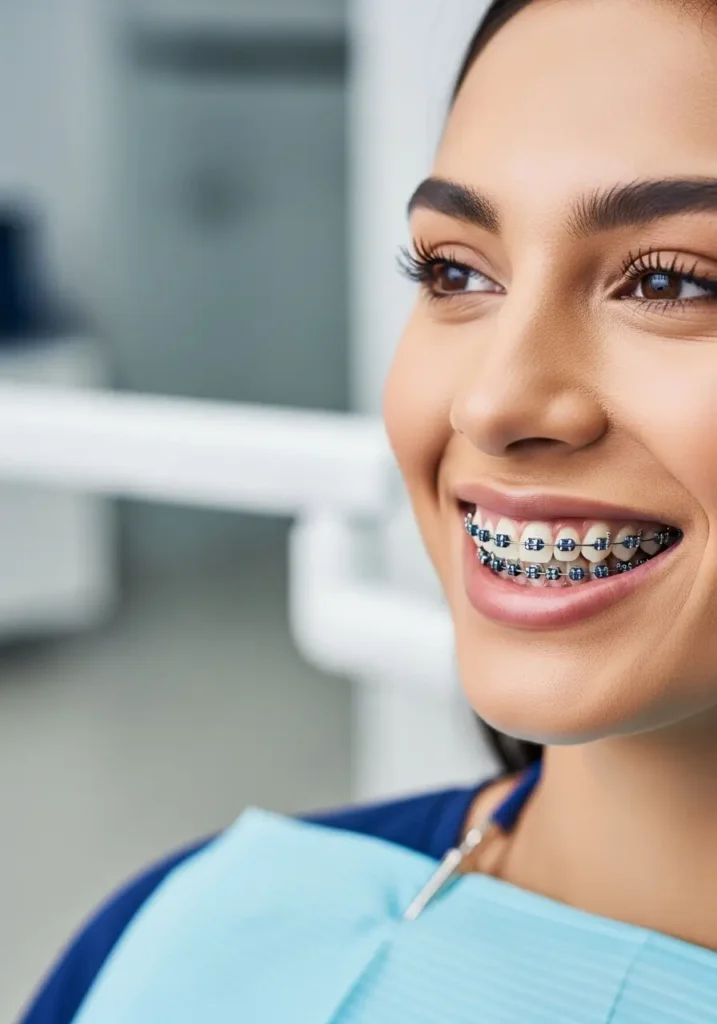
Navy is one of the easiest dark colors to wear. It gives strong contrast without looking as severe as black and pairs well with light blue, teal, silver, or purple.
Deep Purple and Plum
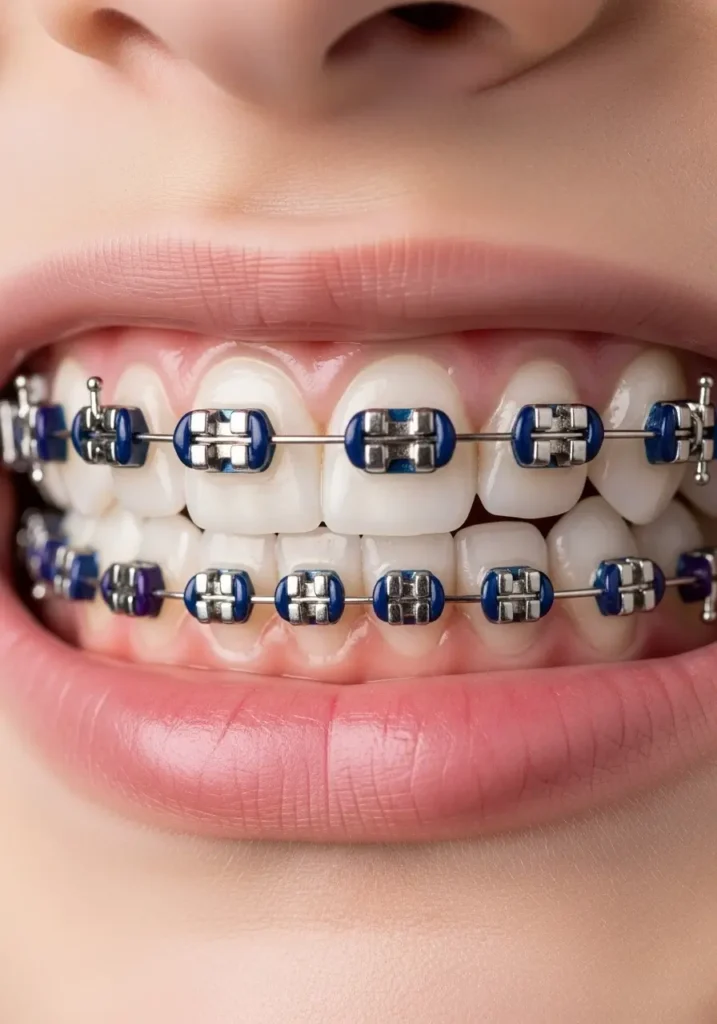
Plum offers the depth of navy with a warmer, richer character. It can stand alone or alternate with lavender, black, pink, or silver.
Black
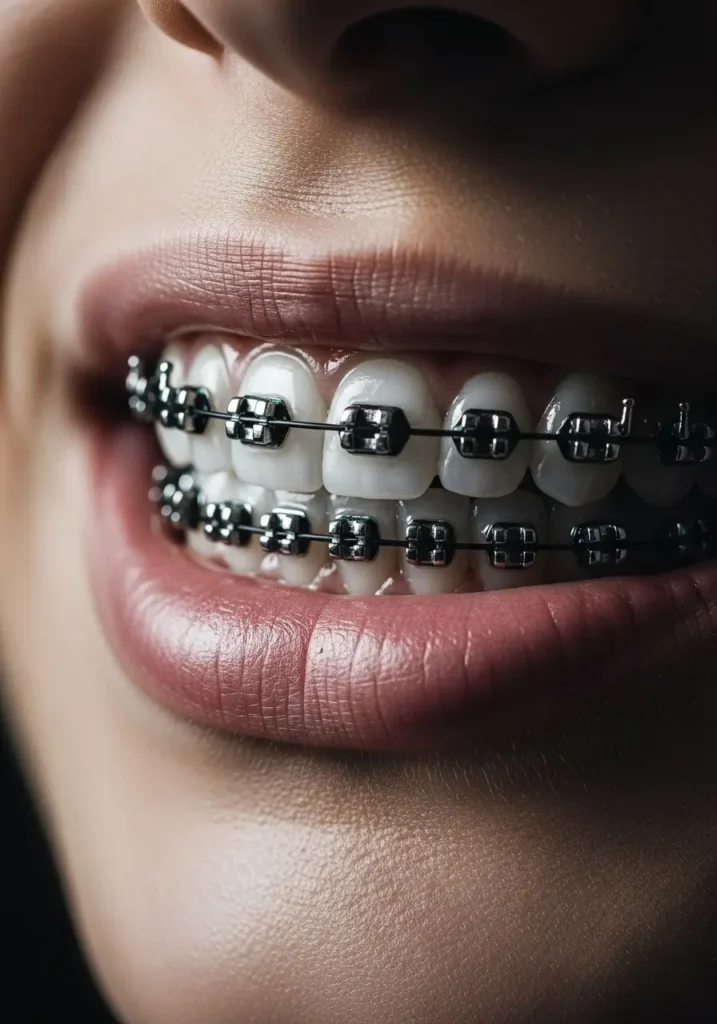
Black creates maximum contrast and hides discoloration well, but it is also a strong visual choice. Look at it near your smile before committing; some people love the graphic effect, while others prefer navy or charcoal.
Burgundy and Maroon
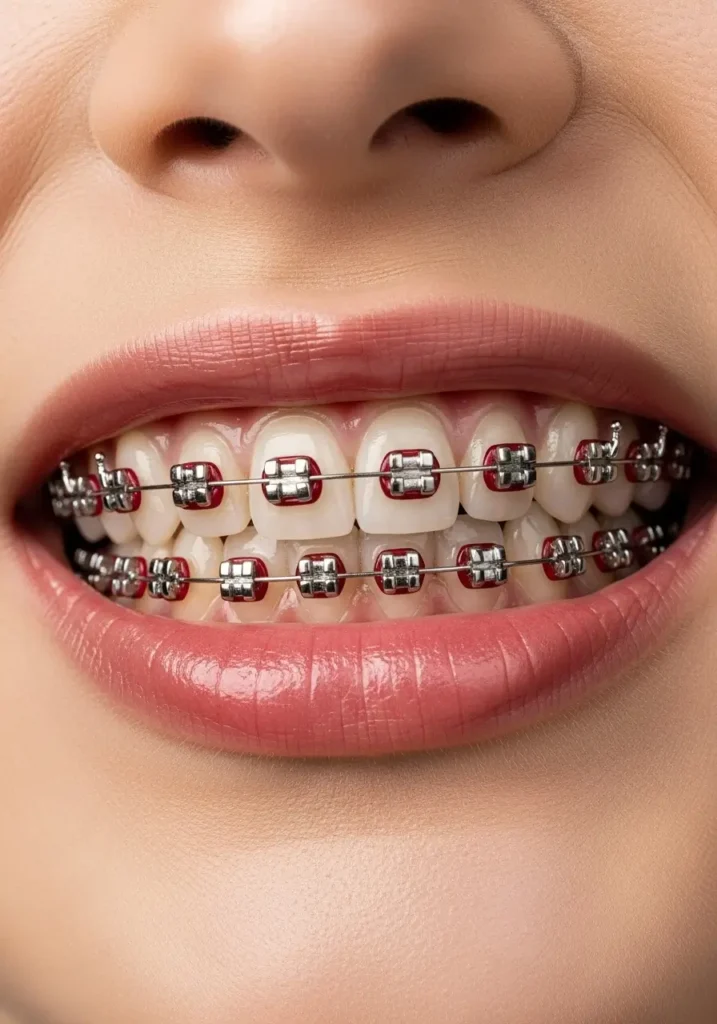
Deep red shades feel polished and are especially easy to combine with navy, pink, gold-toned colors, or school colors.
Forest and Hunter Green
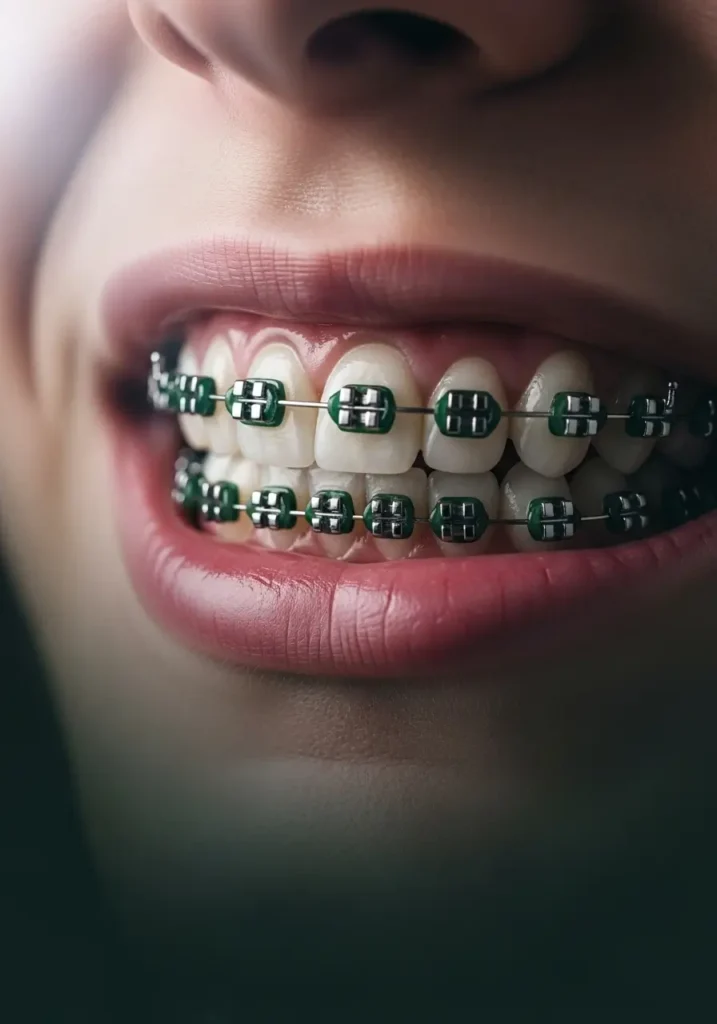
Dark green gives a rich, earthy look. If you are concerned that green might resemble trapped food, compare a deep forest shade with a lighter or yellow-green option; the darker, cooler version usually reads more clearly as an intentional color.
Specialty Colors: Check What Your Office Carries
Glow-in-the-Dark Bands
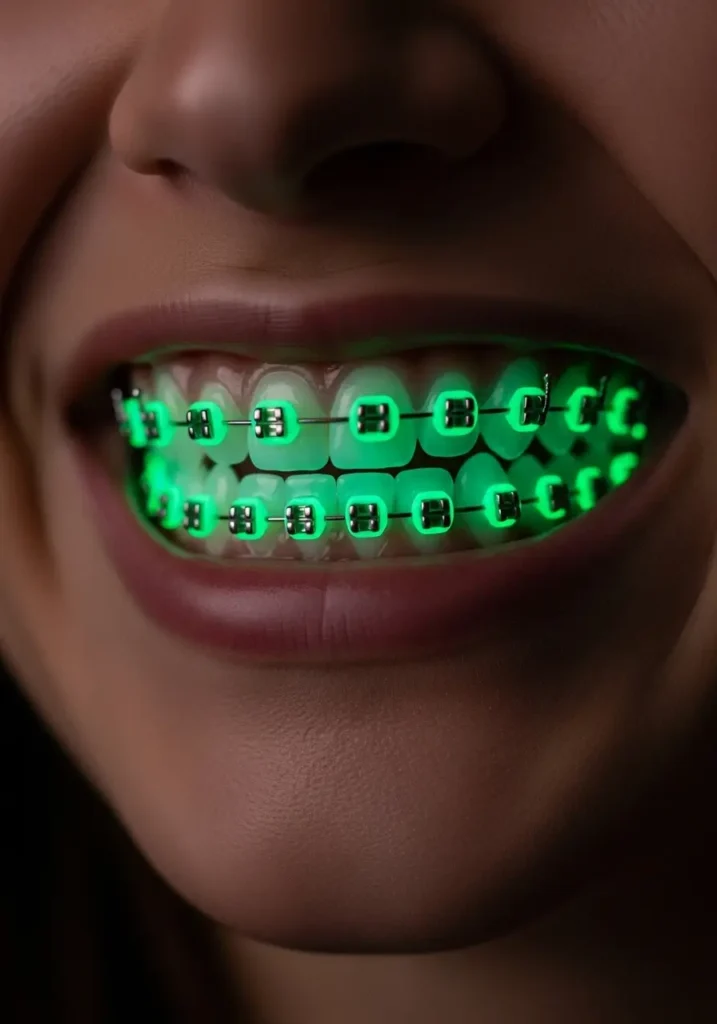
Some suppliers make glow-style ligatures, but not every orthodontic practice stocks them. Ask how the product looks in daylight as well as in low light, and do not assume the glow or appearance will remain identical throughout the wear period.
Metallic and Sparkly Finishes
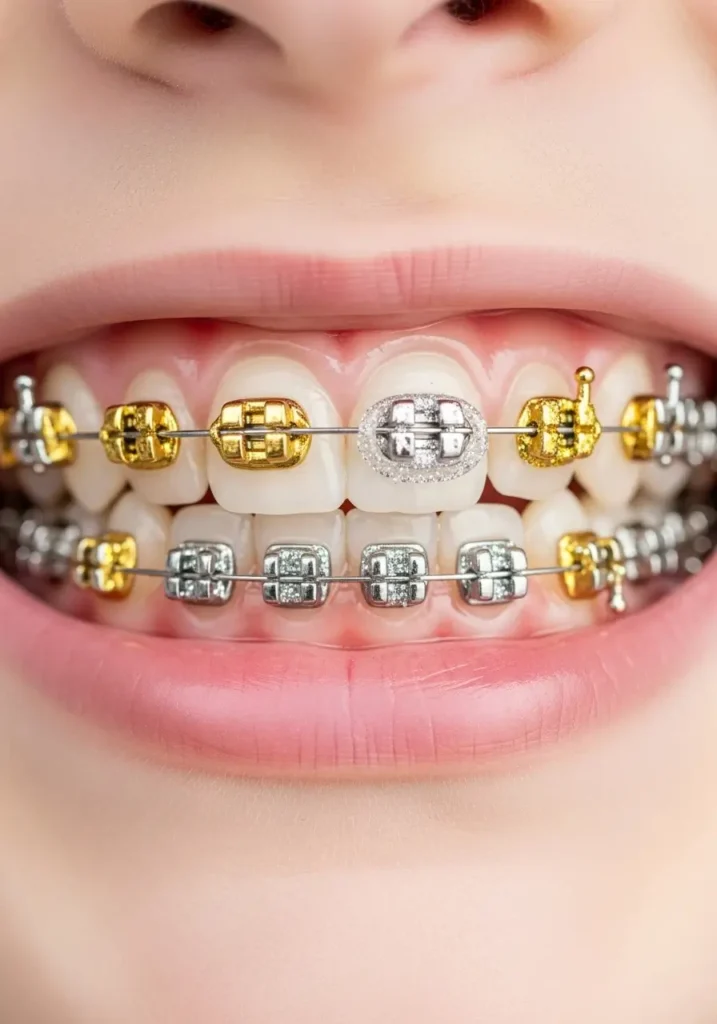
Metallic-looking or glittery options can add texture without using several colors. Stock differs widely, so plan a backup shade in case your preferred finish is unavailable.
How to Choose Your Braces Colors in Five Steps
1. Start With a Color You Already Enjoy
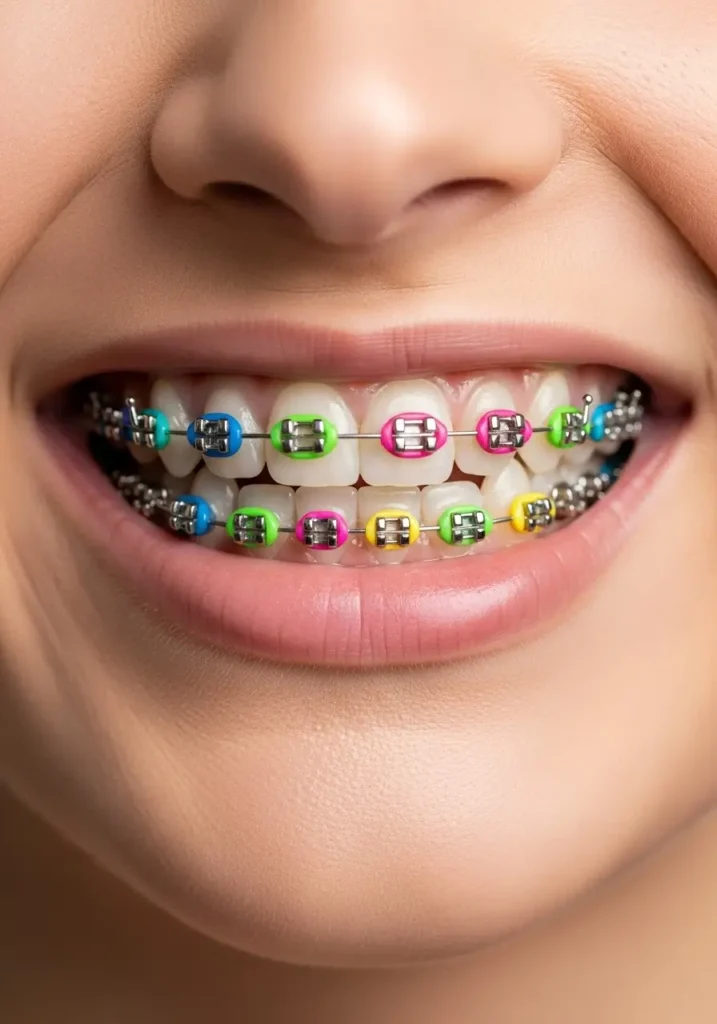
Your favorite color is usually a better starting point than a rigid rule about age, complexion, or gender. If you feel overwhelmed by the wheel, choose one shade for the entire mouth the first time. You can experiment with patterns later.
2. Decide Whether to Coordinate With Your Clothes
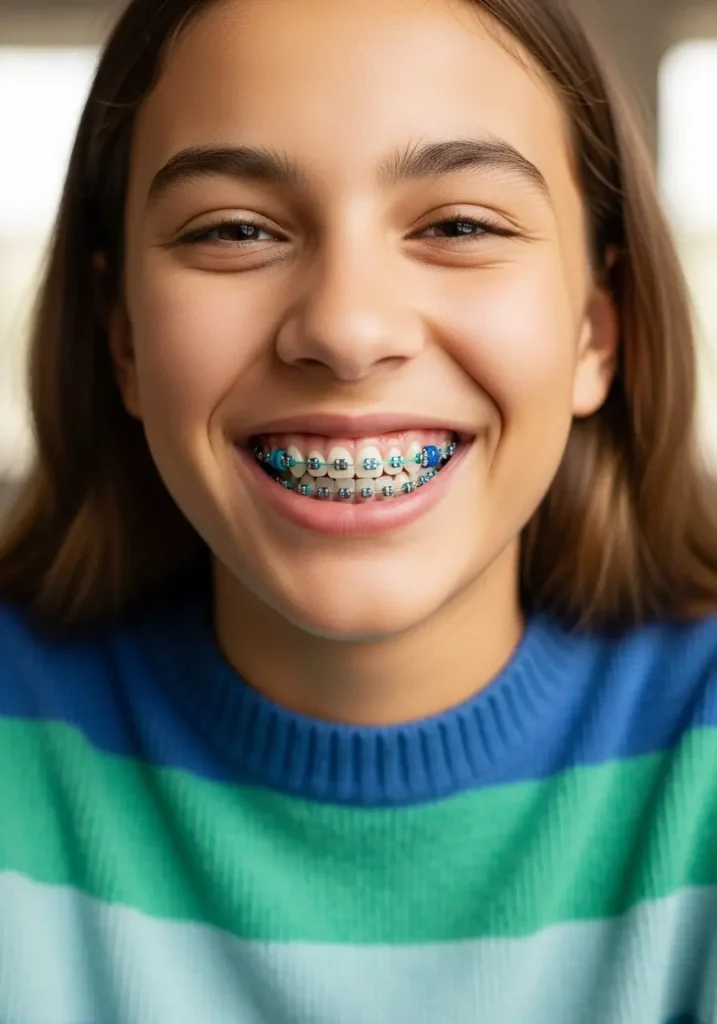
If your wardrobe is mostly neutral, almost any bright or dark color will work. If you wear a recurring palette, a related shade can make the bands feel deliberate. You do not need a perfect match: navy, teal, plum, and silver are flexible enough to work across many outfits.
3. Choose Between Blending In and Standing Out
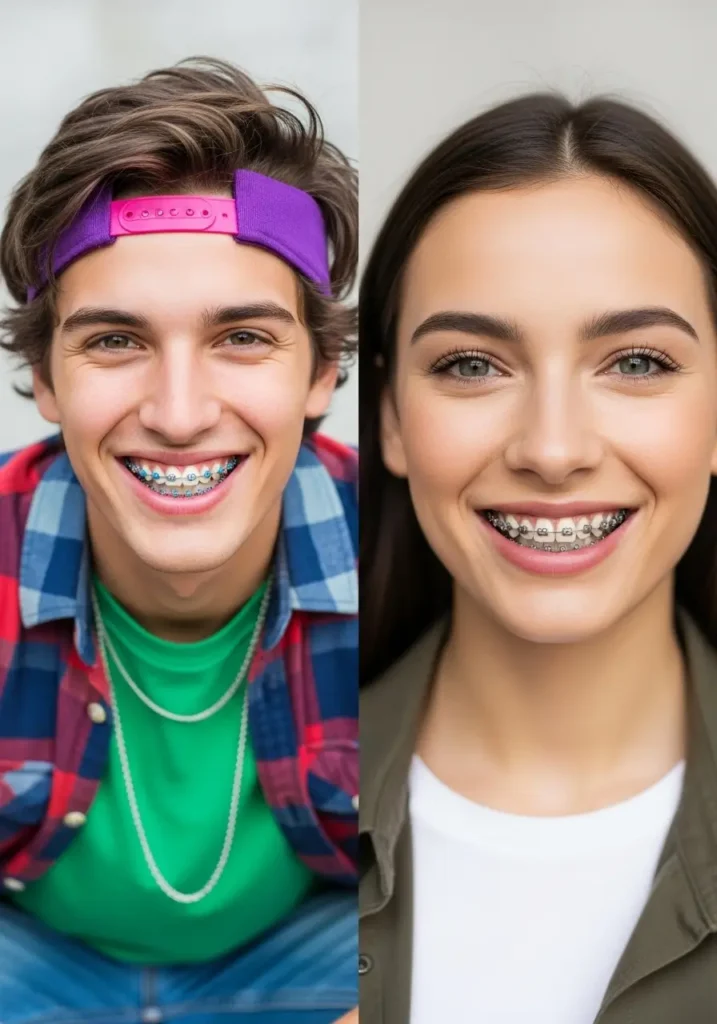
- For a quieter look: Try silver, grey, clear with ceramic brackets, or a deep single color.
- For a noticeable look: Try neon, rainbow, contrasting colors, or a bright upper-and-lower combination.
- For a middle ground: Use one saturated shade, such as royal blue, teal, burgundy, or purple.
4. Treat Complexion Guidance as Inspiration, Not a Rule

Color temperature can help you narrow the wheel: cool blues and purples may feel harmonious with cool undertones, while coral, red, orange, or warm green may complement warmer undertones. Contrast can look just as good as harmony, however. Hold several choices near your face in natural light and select the one you enjoy rather than avoiding a color because of a prescriptive “skin-tone rule.”
5. Use Eye Color Only if It Helps You Decide
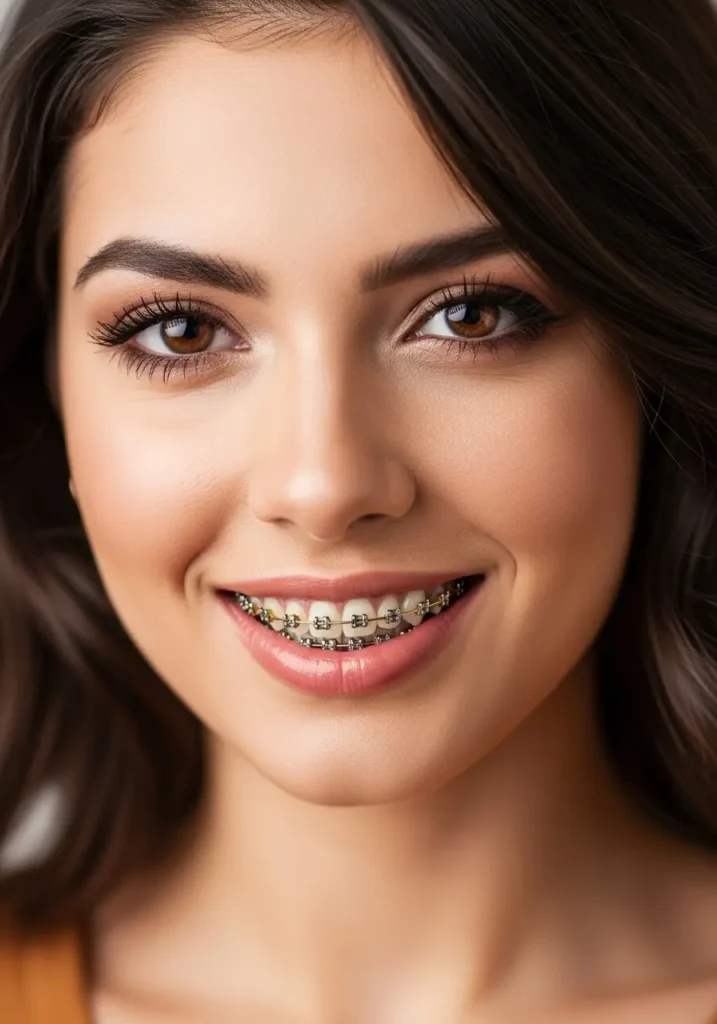
Blue near blue eyes, green or purple near hazel eyes, and jewel tones near brown eyes can create a coordinated look, but the effect is subtle because the bands are small. Personal preference matters more than matching a feature exactly.
Easy Braces Color Combinations That Work
Ask the orthodontic assistant how many colors can be used at one visit. Some offices are happy to alternate several shades; others may limit choices for time or stock reasons.
- Simple and polished: Navy and silver, plum and grey, or teal and navy.
- Soft gradient: Light blue, medium blue, and navy—or pink, magenta, and plum.
- High contrast: Blue and orange, purple and yellow, or teal and coral.
- School or team colors: Alternate the official pair across adjacent brackets.
- Rainbow: Repeat a consistent color order across the arch so the pattern looks intentional.
- Different upper and lower colors: Use one color per arch, such as navy on top and teal below.
Seasonal themes can also make the choice easier: pastels for spring, vivid turquoise or coral for summer, burgundy and forest green for autumn, or navy and silver for winter. Holiday palettes are optional—choose them only if you will still enjoy the colors after the date passes.
If you are coordinating braces with an active wardrobe or school season, you may also enjoy this guide to choosing a women’s tennis shoe. The most useful approach in both cases is to balance appearance with everyday practicality.
Colors to Choose Carefully
No shade is forbidden, and individual products behave differently. These are simply trade-offs to consider:
- Clear and white: Can show pigment and plaque more readily.
- Yellow and some gold tones: May echo warm tones in natural enamel rather than creating contrast.
- Very pale pastels: May look subtle on the wheel and become even less visible when stretched.
- Murky brown or yellow-green: May resemble food debris at a glance, depending on the exact shade.
- Black: Offers dramatic contrast, which may be stronger than you expect in photographs.
If you are uncertain, ask the assistant which bands tend to retain their appearance best in the product line the practice uses. Their answer will be more useful than a universal internet ranking because materials and shades vary.
How to Keep Braces and Ligatures Looking Clean
Good cleaning protects teeth and gums; fresher-looking bands are a secondary benefit. Follow the technique and schedule provided by your dental and orthodontic professionals. The American Dental Association’s general guidance advises brushing twice daily with a soft-bristled brush and fluoride toothpaste and cleaning between teeth once a day. Braces may require extra tools and a more detailed routine tailored to the appliance.
- Brush around the top, bottom, and front of each bracket rather than skimming only the wire.
- Use the floss threader, orthodontic floss, interdental brush, or other device your dental professional demonstrates.
- Rinse with water after pigmented foods or drinks when you cannot brush promptly.
- Do not use whitening products during orthodontic treatment unless your dentist or orthodontist approves them; uneven exposure around brackets can affect the result.
- Avoid biting ice and follow your orthodontist’s instructions for hard, sticky, or chewy foods that may damage the appliance.
Using a straw is not a complete solution for staining and may not be suitable for every drink. The more dependable habits are sensible moderation, rinsing with water, and cleaning as instructed. Tobacco and nicotine products can affect oral health and discolor teeth; color selection cannot offset those risks.
Braces Colors for Adults, Teens, and Children
Age does not determine which colors you are allowed to wear. Adults who want a work-friendly option often choose silver, navy, plum, or dark green, but bright pink or rainbow bands are equally valid. Teens and children may enjoy school colors or themed patterns, while some prefer a quiet grey. Let the wearer make the final aesthetic choice whenever possible; feeling comfortable with the appliance can make appointments more positive.
For a child’s first color selection, reduce decision fatigue by offering two or three acceptable options from the practice’s wheel. For a formal event or professional photo, choose a shade based on how it looks in photographs, not only under clinic lighting.
Frequently Asked Questions About Braces Colors
How Often Can I Change My Braces Colors?
Usually when your orthodontic team replaces the elastic ligatures at a scheduled visit. The interval is determined by your treatment plan, appliance, and progress, so ask your practice when your next color choice will be available.
Do Braces Colors Affect How Quickly Teeth Move?
The pigment itself does not speed or slow tooth movement. The orthodontic appliance, prescribed forces, biological response, and adherence to instructions influence treatment. Ligatures serve a mechanical role on brackets that require them, but choosing blue instead of red does not change that role.
Can I Use Different Colors on the Upper and Lower Teeth?
Often, yes. You may also alternate colors bracket by bracket or request a repeating pattern. The exact options depend on the office’s stock and appointment procedure, so mention your plan before placement begins.
What if I Dislike the Color After the Appointment?
Do not try to remove the bands at home. Call the practice and ask whether they can change them or whether it is better to wait until the next scheduled visit. A color preference is usually not an orthodontic emergency, but a missing ligature, loose bracket, pain, swelling, or damaged wire deserves professional advice.
Are Clear Bands Always the Least Noticeable?
Not necessarily. Clear elastics can be discreet with ceramic brackets when fresh, but metal parts remain visible and discoloration can draw attention. Silver may blend more consistently with metal braces, while a dark single color can look cleaner than a pale band after several weeks.
What Is the Safest First Color Choice?
From an appearance standpoint, silver, navy, deep purple, or teal are forgiving choices. “Safe” medically depends on using the components selected and placed by your orthodontic professional; never substitute craft or hair elastics for orthodontic ligatures.
Make the Choice Simple
Pick one goal for the appointment: blend with the brackets, create contrast, match an event, or try a favorite color. Then choose one shade or a two-color combination from the actual wheel. Take a quick photo after placement so you can remember what worked, and note whether you want something lighter, darker, quieter, or brighter next time.
Braces colors are temporary, but oral-health habits matter throughout treatment. Enjoy the creative choice, keep the appliance clean, and contact your orthodontic team whenever a band, bracket, or wire seems damaged.
This Post Contains Affiliate Links