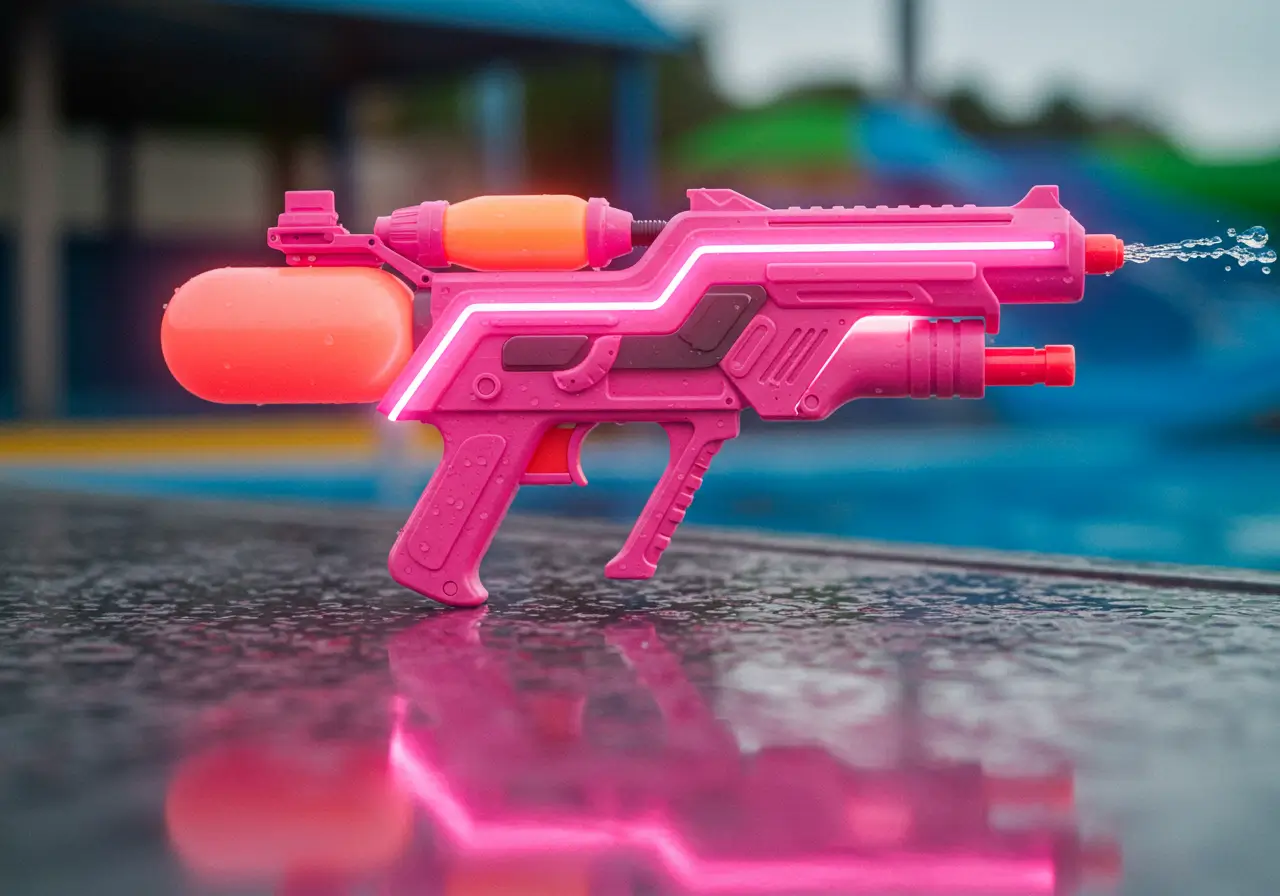
Are you tired of constantly pumping your manual water gun during an intense summer backyard battle, only to lose pressure right when you need it most? The familiar thrill of a summer water fight often involves frantic pumping to build up enough pressure before you can unleash a satisfying stream. But what if you could skip that exhausting process and maintain a continuous, drenching blast with just the simple pull of a trigger?
Welcome to the rapidly growing world of the electric water gun. This newer category of water blaster heavily leverages battery power to completely automate the soaking process. It offers a massive aquatic advantage for anyone looking to upgrade their summer arsenal. Choosing the best electric water gun means embracing technology for effortless operation and sustained streams, adding a highly modern twist to classic summer fun.
Unlike their manual pump-action cousins, electric water guns use internal motors and pumps to propel water. This promises an ease of use that strongly appeals to a wide range of users. It works perfectly for kids who struggle with stiff pumping mechanisms, and it is equally great for adults seeking maximum convenience during pool parties or competitive backyard skirmishes. Navigating the market requires understanding their unique features, potential drawbacks, and how they stack up against traditional designs. Selecting the right model involves balancing crucial factors like power, battery life, water capacity, and overall durability.
Why Choose an Electric Water Gun? The Appeal of Powered Soaking
While traditional pump-action water guns have their own distinct merits, the emergence of the electric water gun category offers major advantages that attract users seeking a different kind of water warfare experience. Understanding these specific benefits highlights exactly why they are becoming increasingly popular choices for summer fun.
Effortless Operation With No Pumping Required
This is arguably the single biggest advantage and primary appeal. Traditional high-power water guns require continuous, manual pumping to pressurize the water chamber for forceful streams. This physical effort can quickly become tiring, especially during extended battles or for younger children with less upper body strength.
An electric water gun eliminates this effort entirely. Powered by batteries, an internal motor and pump system do all the heavy lifting. Users simply pull the trigger, and water instantly streams out. This ease of use allows players to focus entirely on aiming, dodging, and strategy without the physical exertion of pumping. It also makes these models much more accessible for individuals with limited hand strength or dexterity.
Continuous Stream Capability
Unlike many pump-action guns where the stream duration heavily depends on maintaining pressure, many electric models offer a reliable, continuous flow.
As long as the trigger is held down and there is water in the reservoir and battery power remaining, the motorized pump continuously forces water out. This allows for sustained soaking of a target, which is highly effective and incredibly satisfying in a fast-paced water fight. The motorized pump also maintains a relatively consistent pressure, leading to a much more predictable stream and range compared to manual pumping where pressure fluctuates based on user effort.
The Cool Factor and Tech Appeal
Integrating electronics adds a modern, high-tech feel that many users find particularly appealing.
Many electric water guns feature sleek, futuristic designs that clearly differentiate them from traditional plastic models. High-end versions might even incorporate digital displays to show battery levels or remaining water capacity. For kids and adults interested in gadgets, the battery-powered aspect itself adds an element of novelty and sophistication compared to purely mechanical toys. Owning the latest electric water blaster can easily become a status symbol in neighborhood water wars.
Potential for Unique Firing Modes
While many models offer a simple continuous stream, advanced electric options introduce completely different ways to deliver water.
Premium models from brands like Spyra are famous for firing distinct, powerful bursts or water bullets rather than a continuous stream. This offers a very different tactical feel focused heavily on accuracy and impact per shot. While less common currently in mainstream models, electronic controls could potentially allow for variable stream settings in future designs, such as a narrow long-range blast versus a wider short-range spray.
How Do Electric Water Guns Work? A Look Inside
Understanding the basic mechanism of an electric water gun helps you appreciate its features and potential limitations. While specific designs vary, the core principle always involves using battery power to move water automatically.
Core Internal Components
An electric water gun typically consists of several essential parts. The battery compartment houses the power source, which can be disposable AA batteries or integrated rechargeable lithium-ion packs. The battery directly powers a small electric motor, which serves as the heart of the automatic operation. This motor drives an internal water pump mechanism responsible for drawing water from the reservoir and pressurizing it for ejection.
The water reservoir tank holds your supply. Tanks vary greatly in size and often include a simple fill cap, though advanced models might feature unique filling mechanisms. The trigger acts as a standard electrical switch. Pulling it completes the circuit, sending power to the motor. Finally, internal tubing carries water from the reservoir, through the pump, and out through a front nozzle. The shape of this nozzle significantly influences the stream’s range and power.
The Basic Sequence of Operation
The process is incredibly simple. You fill the reservoir with clean water, ensure the power is on, and pull the trigger. Closing the electrical circuit sends current to the motor, causing it to spin and drive the water pump. The pump draws water through the internal tubing, pressurizes it, and forces it out through the nozzle. This stream continues as long as the trigger is held, water is available, and the battery has a charge. Releasing the trigger immediately stops the motor and the flow.
Advanced Mechanical Variations
High-end models might use the pump to pre-pressurize a small firing chamber. This releases a measured burst of water with each trigger pull for controlled, powerful shots rather than a continuous stream. Additionally, some premium electric guns incorporate technology that allows the nozzle to be dipped into a pool or bucket, activating the pump in reverse to automatically refill the reservoir without manual pouring.
Key Features to Evaluate in the Best Electric Water Gun Models
When comparing different electric water gun options for the 2025 summer season, focusing on these key performance indicators will help you make a highly informed choice.
Range and Effective Power
You need to know how far the gun can realistically project a useful stream of water. Manufacturers frequently state a maximum range, but the effective drenching range might be slightly less. Look for models claiming 25 to 35 feet or more for decent outdoor performance. You should also check if the model produces a continuous stream for sustained soaking or single powerful bursts for tactical accuracy.
Battery Life and Charging Options
Battery life is crucial for uninterrupted play. Disposable batteries are easy to replace on the go but add recurring costs and environmental waste. Rechargeable lithium-ion batteries are much more cost-effective long-term and are usually charged via USB-C. You must consider the realistic playtime per charge and the time required to fully recharge the battery. Models with LED lights or digital displays indicating remaining battery life are incredibly useful.
Water Capacity and Refilling Speed
A larger water reservoir means less frequent refilling, but you must balance this against the added weight when the tank is completely full, especially for younger users. Continuous streams can empty tanks very quickly. Look closely at the refill mechanism. A wide fill cap makes filling from a hose much easier. Special rapid-refill technology is a major tactical advantage if you are willing to pay for premium models.
Build Quality, Sealing, and Durability
Your water gun needs to withstand highly active play and constant exposure to water. Look for sturdy ABS plastic construction and avoid models that feel overly flimsy. Pay extremely close attention to the sealing of the battery compartment. Water intrusion into the electronics is the most common failure point for electric water toys. Read reviews carefully to check for common complaints about leaks from the reservoir seams or the nozzle area.
Ergonomics, Handling, and Price
Consider how the gun feels when fully loaded with water. It should feel balanced rather than overly front-heavy. Ensure the handles are comfortable to grip for extended periods and the overall size is appropriate for the intended user. Electric water guns range from affordable basic models under $30 to premium high-tech options that cost over $150. Carefully weigh the features you actually need against your budget to find the best overall value.
Also Read: Co-Parenting with a Narcissistic Parent

Amazon US Verified
Daily Visual Routine Chart for Toddlers
Interactive morning/bedtime chore chart that empowers independence and calm transitions.
Potential Drawbacks: Considerations Before Buying an Electric Water Gun
While the allure of effortless soaking is incredibly strong, potential buyers should be fully aware of the common downsides associated with electric water gun technology compared to traditional manual options. Understanding these drawbacks helps set very realistic expectations.
Higher Initial Cost and Battery Dependence
Incorporating batteries, motors, and complex electronics generally makes electric water guns significantly more expensive than standard pump-action models with similar water capacity. Premium models with advanced features can cost several times more than top-tier manual soakers. Furthermore, unlike manual guns that work endlessly as long as you have water and arm strength, electric models stop dead the moment the battery runs out. Forgetting to charge your device means absolutely no play.
Potential for Malfunction and Durability Concerns
Despite best efforts at water resistance, the combination of electronics and water inherently increases the potential points of failure. Water seeping into battery compartments or motor housings will quickly ruin the device. The internal pump or motor can also simply wear out over time. Build quality can be highly inconsistent, especially among cheaper generic brands found online, leading to significantly shorter lifespans.
Added Weight and Operating Noise
The inclusion of battery packs and an electric motor adds noticeable weight compared to a hollow manual gun. This can make them slightly more tiring to hold for extended periods, particularly for small children. Additionally, electric water guns make a distinct whirring or buzzing sound when the motor is operating. This completely eliminates the element of stealth that is sometimes possible with silent manual pumping.
Market Landscape: Top Brands and Potential 2025 Electric Water Gun Models
While predicting specific new retail releases far in advance is difficult, we can examine the key players in the electric water gun market and anticipate the types of models likely to dominate based on current trends.
Premium Tier Technology Leaders
Brands like Spyra firmly occupy the high-end, adult-oriented market segment. They are known for deeply innovative tech, firing distinct, powerful single water blasts per trigger pull. Features often include digital displays, automatic suction refilling, USB-C fast charging, and incredibly sleek designs. They target adults and tech enthusiasts willing to pay a significant premium for top-tier performance.
Mainstream Toy Brands
Iconic brands like Nerf Super Soaker and Zuru X-Shot primarily focus on pump-action designs, but they occasionally experiment in the electric space. It is highly plausible that these major players will introduce new, highly competitive electric models featuring continuous streams and rechargeable batteries to compete with the rapidly growing electronic market, leveraging their massive retail distribution networks.
Generic Online Brands
Online marketplaces are currently flooded with numerous electric water gun models from lesser-known brands. Many visually mimic the style of premium blasters and claim features like automatic refilling and impressive range. However, build quality, battery life, and actual pump power can vary drastically. When shopping in this category, you must rely heavily on recent, detailed, and verified customer reviews to avoid poorly manufactured products.
Likely Feature Trends for 2025
Expect USB-C charging to become the absolute standard across all rechargeable models. Manufacturers will likely focus heavily on improving battery life and efficiency to extend playtime per charge. Automatic refilling attempts will likely become much more common as brands try to emulate premium features at lower price points. Finally, sleek, modern, and highly aesthetic designs will continue to be major selling points.
Selecting the Right Electric Water Gun: Matching to the User
The ideal electric water gun is not a one-size-fits-all product. Matching the blaster’s physical characteristics to the age, strength, and play style of the intended user is absolutely essential for safety and maximum enjoyment.
For Younger Children (Ages 5 to 8)
When shopping for younger kids, prioritize a lightweight design, an easy-to-pull trigger, and moderate power for basic safety. Look for smaller overall sizes and lower water capacities to keep the weight manageable. The primary benefit here is eliminating the pumping action that many young children find physically difficult. Due to the batteries and electronics, adult supervision is strongly recommended around pools.
For Older Kids and Teens (Ages 9 to 15)
This age group needs a good balance of range, power, and decent battery life. Look for medium to larger sizes, rechargeable lithium-ion batteries, a reliable continuous stream, and sturdy construction that can handle highly active play. Electric guns offer sustained fire and ease of use during fast-paced games, freeing teens up to focus entirely on tactics and movement.
For Adults at Pool Parties
Adults generally want maximum performance, excellent battery life, and advanced features like auto-refilling or specialized shot modes. High-end models offering unique performance and robust builds are perfect for this group. The higher cost of premium models is usually much more justifiable for adult users who want a modern, high-tech feel for organized backyard water fights.
Safety, Care, and Responsible Use of Your Electric Water Gun
Enjoying your electric water gun to the fullest involves using it safely and maintaining it properly. Responsible play ensures the fun stays completely harmless, while good care significantly extends the life of your electronic blaster.
Water Gun Etiquette and Safety
Eye protection is absolutely paramount. You must reiterate the primary rule: never aim or shoot directly at anyone’s face or eyes, especially at close range. The force from some electric models can be surprisingly significant. Always play strictly with willing participants, respect established boundaries, and never fill the reservoir with dirty water, saltwater, or pool chemicals that could permanently damage the internal pump.
Care and Maintenance for Longevity
Protect your investment with proper, consistent upkeep. Always flush the system by filling it partially with clean tap water and firing until empty, especially after using it in a chlorinated pool. Empty the gun completely for storage. Fire the device until absolutely no more water comes out, and leave the fill cap loose so remaining drops can evaporate. Storing the gun with water inside risks mold growth and severe damage to the electronics.
Dry the exterior thoroughly, paying very special attention to the area around the battery compartment seal. If your model uses removable batteries, always take them out before long-term storage to prevent chemical leakage and corrosion. Store the device indoors, far away from direct sunlight and extreme hot or freezing temperatures.
Frequently Asked Questions
Are electric water guns more powerful than the best pump-action ones?
Not necessarily. While high-end electric models offer very powerful single shots, many mainstream electric guns focus purely on continuous, steady streams. Top-tier, large-capacity manual pump-action guns can often generate higher peak pressure and potentially greater range than mid-range electric models. Power comparison depends heavily on the specific models you are testing against each other.
How long do the batteries typically last in an electric water gun?
Battery life varies significantly based on the exact model, the battery capacity, and how continuously the gun is fired. Some budget models might only last for 30 to 60 minutes of intermittent play, while premium models might claim thousands of shots per single charge. Always check the manufacturer claims and read user reviews for realistic playtime estimates.
Can you safely use an electric water gun in a swimming pool?
Generally, most are designed specifically for use around water. However, you must pay incredibly close attention to the battery compartment’s rubber seal. While designed to be water-resistant, fully submerging the entire gun will often risk water intrusion into the sensitive electronics, especially on cheaper models. Avoid submerging the battery area entirely if possible.
Are expensive electric water guns like Spyra worth the high price tag?
Whether a premium gun is worth the cost is entirely subjective. Premium models offer highly unique technology, such as single powerful shots, auto-refill features, and digital displays. They cater specifically to enthusiasts and adults seeking the absolute best performance available. If you highly value those specific features over affordability, the significant price premium is often easily justified.
What is the most common reason an electric water gun stops working?
The most common failure points include dead or improperly charged batteries, corroded battery contacts due to trapped moisture, or water intruding directly into the motor housing. Additionally, debris getting into the reservoir can quickly clog the pump intake. Proper care and complete drying before storage can easily mitigate most of these risks.
As an Amazon Associate, azuloz.com earns from qualifying purchases.