Mastering the Art of Spray Painting: A Comprehensive Guide
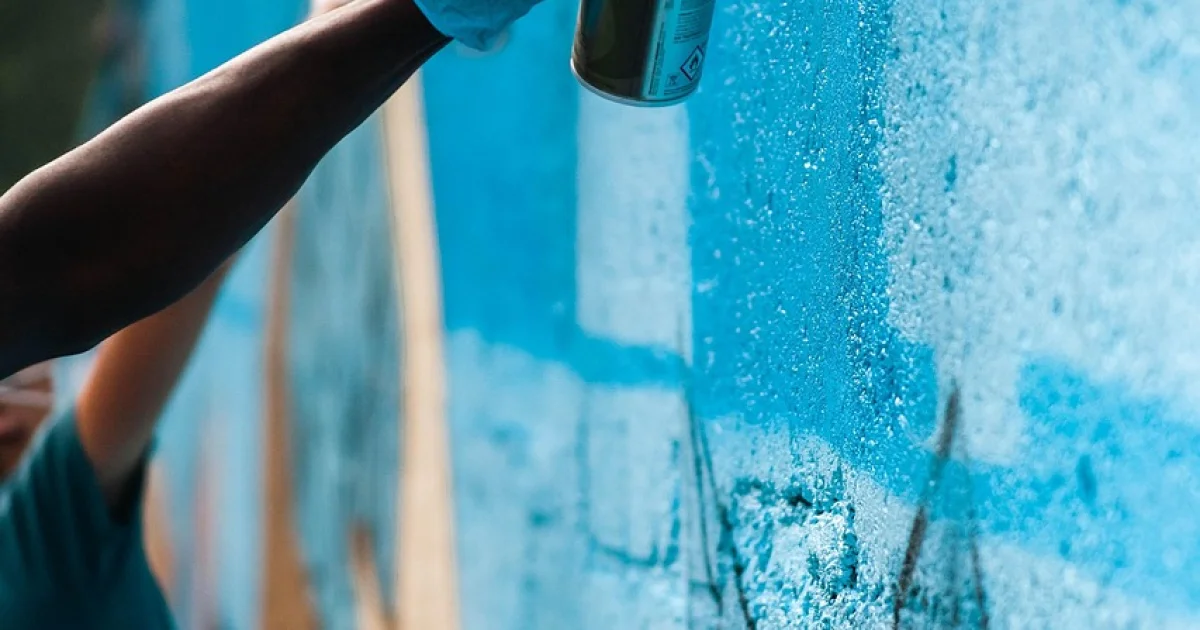
Spray painting – it’s a transformative technique that can breathe new life into nearly anything in your home, from furniture and décor to garden planters and even outdoor projects. It’s undeniably faster and often easier than traditional brush-on methods, especially when tackling textured surfaces. But achieving a flawless, professional-looking finish requires more than just shaking a can and spraying. This guide will walk you through everything you need to know, from setting up your workspace to troubleshooting common issues, so you can confidently tackle your next spray painting endeavor. Let’s dive in!

Amazon US Verified
Hang-O-Matic All-in-One Picture Hanging Tool
Tape measure, sliding level, and markers in one tool for flawless gallery walls.
The Fundamentals: Setting the Stage for Spray Painting Success
Before you even think about opening that spray paint can, preparation is key. A well-prepared surface and a properly set-up environment will dramatically improve your results. Thinking of it like building a house – you wouldn’t start laying bricks without a solid foundation, right? The same principle applies to spray painting. Ignoring the basics leads to uneven coverage, runs, and a generally disappointing finish. And let’s be honest, nobody wants a paint job that looks like it was done with a toddler’s hand.
Creating the Ideal Painting Environment
First and foremost, choose your location wisely. Ideally, you’ll want to spray outdoors on a calm day. The breeze will help disperse overspray, minimizing the mess and protecting your surrounding areas. If that’s not possible, a well-ventilated garage with the door wide open is your next best bet. Consider the prevailing wind direction – you don’t want your freshly painted masterpiece blowing into your neighbor’s yard! If you’re working indoors, ensure you have adequate ventilation; consider using a fan to circulate the air. A good rule of thumb is to have enough airflow to keep the air smelling fresh. Air quality is paramount when you are using spray paint.
Protecting Your Surroundings: Drop Cloths and Painting Lifts
Next, safeguard your surfaces. A drop cloth – a thick plastic sheet – is your best friend. Lay it down over everything you don’t want to get paint on: floors, furniture, countertops, and anything else within a generous radius. Don’t skimp on the drop cloth; thicker plastic will prevent paint from seeping through. Beyond a drop cloth, utilize painting lifts (also known as painter’s cubes or Styrofoam blocks). These provide a stable platform for your item, elevating it slightly off the ground and preventing it from sitting directly on the drop cloth, which can lead to uneven paint adhesion.
Surface Preparation: Sanding is Your Secret Weapon
This is arguably the most crucial step. Spray paint adheres best to a slightly roughened surface. Smooth, glossy surfaces will prevent the paint from gripping properly. Lightly sand the area you’ll be painting with a fine-grit sanding block (180-220 grit is ideal). Don’t overdo it – you’re not trying to create a coarse texture, just gently scuffing the surface to provide “tooth” for the paint. Remove all sanding dust with a tack cloth or a slightly damp (but not wet!) lint-free cloth. A clean surface is a happy surface.
Amazon US Verified
Peel and Stick Textured Linen Wallpaper
Removable neutral wall covering providing architectural warmth and tactile depth.
The Spraying Process: Technique and Best Practices
Shake It Up: Achieving a Consistent Paint Flow
Before you even open the can, shake it vigorously for a full minute – yes, really! Then, shake it again for another minute. This breaks up the settled pigment and creates a consistent paint flow. It’s a surprisingly important step that often gets overlooked. Don’t just give it a quick tap; you need to thoroughly mix the paint from the inside out. After shaking, give the can a few more bursts of shaking while you’re spraying – the paint flow changes as the can empties.
Holding the Can: The Vertical Advantage
Always hold the spray paint can vertically. Horizontal spraying causes the paint to spatter and creates an uneven, blotchy finish. Keep the nozzle approximately 8-12 inches away from the surface. This distance allows for a consistent stream of paint. Experiment to find the sweet spot that works best for your particular can and project.
The Stroke: Long, Light, and Fluid
This is where the magic happens. Use long, smooth, and light strokes, moving the can in a continuous motion. Avoid stopping and starting abruptly, as this can lead to uneven coverage. Overlap each stroke slightly with the previous one to ensure complete coverage. Think of it like brushing – but with a spray can. Don’t press down hard on the nozzle; let the paint flow naturally. The key is to build up the color gradually with thin coats, rather than relying on heavy coats.
Layering for Perfection: Thin Coats are Key
Instead of applying a few thick coats, opt for multiple thin coats. This allows the paint to dry properly between coats, preventing wrinkling and ensuring a smooth, even finish. Applying too much paint at once can lead to runs and drips. Allow each coat to dry for at least 15-30 minutes before applying the next. You’ll likely need 3-5 coats for optimal coverage, depending on the color and the surface.
Wiping Away the Evidence: Tackling Overspray
Overspray is inevitable, especially when working in a less-than-ideal environment. Use a clean, soft rag or a slightly damp (again, not wet!) lint-free cloth to wipe away any overspray immediately. For stubborn dried overspray, you can gently use fine steel wool or very fine sandpaper, but be careful not to damage the underlying surface. A quick wipe-down between coats will keep your project looking pristine.
Troubleshooting Common Spray Painting Problems
Wrinkled Paint: The Temperature Factor
Wrinkled paint is a common issue, particularly when spraying in warm or humid conditions. The paint dries too quickly, causing it to wrinkle and form tiny bubbles. To prevent this, spray in cooler temperatures (ideally between 65-85 degrees Fahrenheit). If you must spray in warmer weather, work quickly and apply multiple thin coats.
You may also enjoy reading: 5 Show-Stopping Summer Bulbs That Can Survive Your Neglect.
Uneven Coverage: The Technique Matters
Uneven coverage can be caused by several factors, including improper shaking, incorrect nozzle distance, or inconsistent spraying technique. Make sure you’re shaking the can thoroughly and maintaining a consistent distance between the nozzle and the surface. Also, practice your strokes to ensure you’re overlapping each stroke properly and building up the color gradually.
Runs and Drips: Too Much Paint
Runs and drips are a result of applying too much paint at once. Remember, thin coats are key! If you notice a run or drip, immediately wipe it away with a clean rag and allow the paint to dry completely before applying the next coat. If the run is extensive, you may need to sand down the area and start over.
Streaks: Nozzle Issues
Streaks in the paint can be caused by a clogged nozzle or improper spraying technique. Clean the nozzle with a small brush or needle to remove any blockages. Also, ensure you’re using long, smooth strokes and avoiding abrupt stops and starts. A new nozzle might be needed if the problem persists.
Beyond the Basics: Advanced Techniques and Considerations
Masking for Precision
For projects requiring sharp lines and clean edges, masking is essential. Use painter’s tape to mask off areas you don’t want to be painted. Ensure the tape is firmly adhered to the surface to prevent paint bleed-through. Remove the tape carefully while the paint is still slightly wet to avoid pulling up the paint.
Specialty Paints: Exploring the Options
There are many different types of spray paint available, each with its own unique properties. Acrylic spray paint is a popular choice for general-purpose projects, while enamel spray paint is more durable and resistant to chipping and scratching. Consider the intended use of the project when selecting a spray paint. Metallic, glitter, and textured spray paints also offer a wide range of creative possibilities.
Curing Time: Patience is a Virtue
Allow the painted item to cure for several days (ideally 7-10 days) before handling it extensively. This allows the paint to fully harden and develop its maximum durability. Avoid exposing the painted item to direct sunlight or extreme temperatures during the curing process. The longer you wait, the stronger and more resilient your finished piece will be.
Conclusion: Your Spray Painting Journey Begins Now
Spray painting offers a remarkably versatile and rewarding way to refresh and transform your belongings. By mastering the fundamentals – preparation, technique, and troubleshooting – you can achieve stunning results with minimal effort. Remember, practice makes perfect. Don’t be discouraged if your first few attempts aren’t flawless. With a little patience and persistence, you’ll be a spray painting pro in no time. Now grab a can, clear a workspace, and get ready to unleash your creativity!
As an Amazon Associate, azuloz.com earns from qualifying purchases.