Is Your Pepper Patch Producing? Uncovering the Reasons Behind Pepper Plant Fruitlessness
Growing peppers can be incredibly rewarding, offering a bounty of fresh, flavorful fruits for your kitchen. However, the disappointment of a pepper plant that simply refuses to produce is a common frustration for gardeners. It’s a situation many have experienced, feeling like they’ve done everything “right” only to be met with sparse or nonexistent peppers. Understanding why your pepper plants aren’t producing can be solved with the right knowledge. Don’t despair – this guide will delve into seven common reasons for this issue, along with actionable solutions to help you enjoy a thriving pepper harvest. Peppers are a bit fussy and need specific conditions, so let’s get started!
- The Plants Aren’t Mature Enough
- Planting in the Wrong Spot
- Low Soil Fertility – A Nutrient Deficiency Issue
- Overwatering – A Common Mistake
- Excess Nitrogen – A Counterintuitive Problem
- Pest and Disease Pressure – Hidden Threats
- Temperature Fluctuations – Stressful Conditions
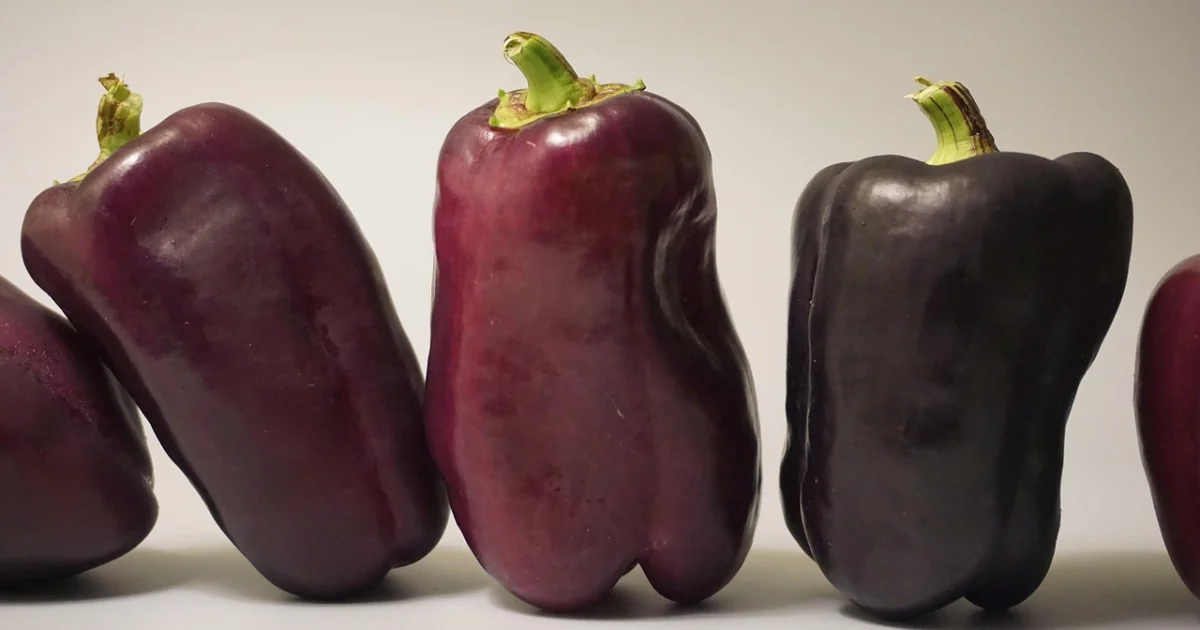
Pepper plants progress through distinct stages: seedling, vegetative, flowering, fruiting, and ripening. The initial four weeks are dedicated to the seedling stage, where young plants establish their roots and begin to produce leaves and branches. Following this, the vegetative growth stage typically lasts between 4 and 8 weeks. During this phase, the plants focus on building strength and foliage. Then comes the flowering stage, characterized by the formation of tiny white flowers along the stems. These flowers are self-fertile – meaning they don’t require pollination to develop into peppers – though bees can certainly help increase the quantity of fruit. However, a lack of pollinators isn’t the primary culprit behind pepper plant fruitlessness. The real turning point is the fruiting stage, where the peppers themselves begin to form and grow, culminating in the ripening stage. Most common pepper varieties turn from green to vibrant hues of red, orange, yellow, or purple as they mature. It’s crucial to remember that every pepper variety has a ‘days to maturity’ – a timeframe indicating how long the plant needs to grow from seed or transplant to harvest. Early maturing peppers, like Pot-a-Peno jalapeno, are ready in approximately 50 days, while late-maturing varieties such as Carolina Reaper, Armageddon, or Ghost can take up to 150 days to ripen. Selecting pepper varieties with a days to maturity suited to your gardening zone is paramount. For example, living in a cooler northern climate, I consistently grow early-maturing pepper varieties to guarantee a plentiful harvest. Ignoring this crucial timeframe can lead to frustration – you’ve nurtured your plants, but they simply haven’t had enough time to fully develop.
Peppers are notoriously particular about their environment. To achieve the healthiest plants and maximize your pepper yield, finding the optimal location is essential. They crave full sun – a minimum of eight hours of direct sunlight daily. Without sufficient light, pepper plants struggle to thrive and produce abundant fruit. I’ve experimented with growing peppers in various settings – in-ground gardens, raised beds, and containers – and consistently find that raised beds and containers yield the best results. This is largely due to improved drainage and warmer soil temperatures compared to in-ground beds. If you’re experiencing pepper plants not producing and are growing in an in-ground garden, consider transplanting them into pots this year. Plastic or fabric containers work exceptionally well, filled with a blend of high-quality potting mix and compost. Adding an organic granular tomato fertilizer to the growing medium provides an extra boost of nutrients. Peppers and tomatoes share remarkably similar nutritional needs. Furthermore, maintaining a soil pH between 6.5 and 7.0 is vital for healthy growth. Beyond sunlight and soil, other considerations include avoiding excessively windy or exposed areas, establishing a convenient water source for easy irrigation, and using containers or raised beds if your native soil is heavy clay or rocky.
Pepper plants aren’t demanding in the sense of requiring elaborate care, but they do need a moderate level of fertility to support healthy growth, flower formation, and fruit development. A lack of essential nutrients can lead to stunted growth, weak stems, and, ultimately, a reduced pepper yield. During the vegetative stage, plants are primarily focused on building strong roots and foliage. However, as they transition into the flowering and fruiting stages, their nutrient requirements increase significantly. The simplest and most effective fertilizer program is to focus on providing a balanced blend of macronutrients – nitrogen, phosphorus, and potassium – along with micronutrients like magnesium and iron. A slow-release organic fertilizer formulated for tomatoes and peppers is an excellent choice. These fertilizers release nutrients gradually over time, providing a consistent supply to the plants. Alternatively, you can supplement with liquid fertilizers every two to three weeks, following the manufacturer’s instructions carefully. I’ve found that incorporating compost into the soil before planting is a fantastic way to naturally enrich the soil and provide a slow-release source of nutrients. Peppers and tomatoes have remarkably similar nutrient requirements, so applying a fertilizer that’s suitable for one will benefit the other as well. Adequate soil fertility is undeniably essential for flower formation and fruit development; without it, your pepper plants simply won’t produce.
While peppers need consistent moisture, overwatering is a surprisingly frequent cause of fruitlessness. Excessive moisture can create an anaerobic environment in the soil, depriving the roots of oxygen and hindering their ability to absorb nutrients. When roots don’t have access to oxygen, they become damaged, leading to stunted growth and reduced flowering. Symptoms of overwatering include yellowing leaves, soggy soil that doesn’t drain properly, and a general decline in plant health. To prevent overwatering, it’s crucial to allow the top inch or two of soil to dry out completely between waterings. Stick your finger into the soil to check the moisture level – if it feels damp, hold off on watering. Proper drainage is also paramount; ensure your pots or raised beds have adequate drainage holes to allow excess water to escape. If you’re growing in containers, be mindful of the type of potting mix you’re using – a well-draining mix is essential. The key is to provide consistent moisture without saturating the soil.
You may also enjoy reading: "13 Timeless Classic Annual Flowers to Brighten Up Your Garden".
This might seem surprising, but an excess of nitrogen in the soil can actually inhibit pepper production. Nitrogen is a vital nutrient for leafy growth, but too much can disrupt the plant’s hormonal balance, causing it to prioritize foliage development over flower and fruit formation. Symptoms of nitrogen toxicity include lush, dark green foliage but a lack of flowers and peppers. If you’ve been applying a nitrogen-rich fertilizer regularly, consider reducing the amount or switching to a fertilizer with a lower nitrogen content. Focus on fertilizers that provide a balanced nutrient ratio, with a moderate amount of nitrogen, phosphorus, and potassium. Compost is a great source of nutrients, but it’s relatively low in nitrogen, so supplementing with a balanced fertilizer can help ensure your pepper plants receive the nutrients they need for optimal fruit production. Think of it this way: you want your plants to focus on producing delicious peppers, not growing a massive amount of leaves.
Pepper plants are susceptible to various pests and diseases that can negatively impact their growth and fruit production. Aphids, spider mites, and whiteflies can suck the sap from the leaves, weakening the plants and reducing their ability to produce fruit. Fungal diseases like blight and powdery mildew can also damage the foliage and stems, hindering growth. Regularly inspect your pepper plants for signs of pests or diseases – look for sticky residue on the leaves, webbing, or discoloration. If you detect any problems, take immediate action to treat them. Organic pest control methods, such as insecticidal soap or neem oil, can be effective against many common pests. For fungal diseases, ensure good air circulation around the plants and avoid overhead watering. A copper-based fungicide can also help prevent and control fungal diseases. Maintaining a healthy garden environment, with proper spacing and ventilation, is crucial for minimizing pest and disease problems.
Pepper plants thrive in warm temperatures, ideally between 70°F and 85°F (21°C and 29°C). Significant temperature fluctuations – particularly cold snaps or sudden heat waves – can stress the plants and disrupt their growth cycle, leading to reduced fruit production. Young pepper plants are particularly sensitive to cold temperatures and may suffer damage if exposed to frost. Protect your plants from cold weather by covering them with blankets or frost cloth, or by moving them indoors if necessary. Similarly, during periods of extreme heat, provide shade to prevent the plants from overheating. Consistent, moderate temperatures are ideal for pepper growth and fruit development. If you live in an area with significant seasonal temperature variations, consider growing peppers in containers, which can be easily moved indoors during the colder months.