Potatoes – those humble, earthy staples – are a surprisingly rewarding crop to grow at home. More than just a delicious addition to countless dishes, successfully cultivating your own potato patch offers a tangible connection to the land and the satisfaction of harvesting a truly impressive yield. From selecting the right seed potatoes to managing pests and ensuring optimal growth conditions, there’s a considerable amount to learn. But don’t let that intimidate you! With a little planning and attention to detail, following these 13 essential steps will set you on the path to a bountiful potato harvest, transforming your garden into a thriving source of delicious, homegrown taters.
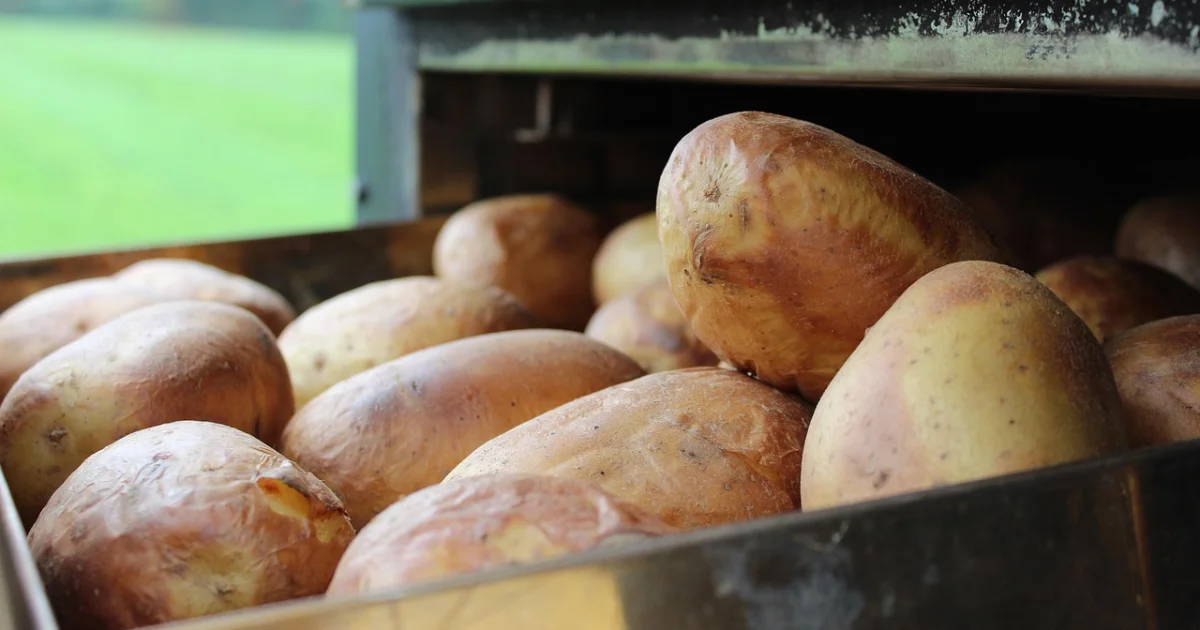
Step 1: Choosing the Right Seed Potatoes
The foundation of any successful potato crop begins with selecting high-quality seed potatoes. Don’t just grab any potato from your pantry; the variety matters. Opt for certified seed potatoes, available from reputable garden centers. These have been specifically grown for propagation and are guaranteed to be disease-free. Consider the type of potato you prefer – Yukon Golds are known for their creamy texture, Red Norlams offer vibrant color and a slightly waxy taste, and Russets are ideal for baking. Furthermore, select potatoes that are firm, free from blemishes, and have relatively small eyes (the little buds on the potato surface). These eyes will sprout and develop into new plants. Avoid using potatoes that show signs of rot or disease, as these will spread to your entire crop. The botanical name for the potato plant is Solanum tuberosum, and understanding its nature is key to successful cultivation – it’s an annual tuberous vegetable, meaning it’s grown for its underground storage organs (the tubers) and completes its life cycle in one growing season.
Step 2: Chitting – Preparing Your Seed Potatoes
“Chitting” is a surprisingly important technique to boost your potato harvest. It’s the process of encouraging the eyes on your seed potatoes to sprout before planting. This gives them a head start and results in earlier production. About 4-6 weeks before your planned planting date, place your seed potatoes in a cool, bright (but not direct sunlight), and airy location. A windowsill or a cold frame works perfectly. Gently roll them around to stimulate eye growth. You’ll notice small, pale shoots emerging from the eyes – this is what you’re aiming for. The more chits you have, the better! Chitting increases the number of flowers and subsequently, the number of tubers that will develop. It’s a simple step that dramatically improves yields. Interestingly, the ideal temperature for chitting is between 50-60°F (10-15°C), mimicking the conditions found in cool, moist soil.
Step 3: Soil Preparation – Building the Perfect Foundation
Potatoes are notoriously particular about their soil. They crave loose, well-drained soil rich in organic matter. Before planting, loosen the soil to a depth of at least 18 inches (46 cm) using a garden fork or tiller. Incorporate plenty of compost, well-rotted manure, or other organic amendments to improve drainage and fertility. Sandy soil is ideal, as it allows for excellent aeration and prevents the tubers from becoming waterlogged. If you have heavy clay soil, consider building raised beds or using potato grow bags to improve drainage. A soil pH between 6.0 and 6.5 is optimal for potato growth, as it helps prevent potato scab, a common fungal disease. Testing your soil pH with a home testing kit is a worthwhile investment, enabling you to address any imbalances before planting.
Step 4: Trenching – Creating the Planting Beds
Once your soil is prepared, it’s time to create the planting trenches. Dig trenches approximately 12 inches (30 cm) deep and 30-36 inches (76-91 cm) apart. The spacing between trenches depends on the variety of potato you’re growing – fingerling potatoes need closer spacing than larger varieties. As you dig the trenches, gently loosen the soil at the bottom to provide ample space for the developing tubers. A good rule of thumb is to create trenches that are slightly wider than the size of the seed potatoes you’re planting.
Step 5: Planting the Seed Potatoes
Now for the main event! Gently roll each chitted seed potato on a floured surface to break the eye. This encourages the eyes to sprout. Plant the seed potatoes with the eyes facing upwards, about 4 inches (10 cm) deep and 10-12 inches (25-30 cm) apart within the trenches. For smaller fingerling potatoes, you can space them closer together, around 8 inches (20 cm). After planting, gently backfill the trenches with soil, ensuring the seed potatoes are firmly covered. Water the trenches thoroughly to settle the soil.
Step 6: Mulching – Protecting Your Plants
Mulching is a crucial step in protecting your potato plants and maintaining consistent moisture levels. Apply a thick layer of organic mulch, such as straw, wood chips, or shredded leaves, around the base of the plants. Mulch helps suppress weeds, retain soil moisture, regulate soil temperature, and prevent soil-borne diseases. A 3-4 inch (7.5-10 cm) layer is ideal. Avoid piling mulch directly against the stems of the plants, as this can promote rot.
Step 7: Watering – Consistent Moisture is Key
Potatoes thrive in consistently moist soil, but avoid overwatering, which can lead to rot. Aim for about 1 inch (2.5 cm) of water per week, either through rainfall or irrigation. Water deeply and less frequently, encouraging deep root growth. Mulching helps retain moisture, reducing the need for frequent watering. Early in the season, more frequent watering is required to ensure the seed potatoes sprout and establish themselves. During tuber formation, reduce watering slightly to prevent the tubers from becoming too watery.
Step 8: Hilling – Encouraging Bushy Growth
As your potato plants grow, they’ll develop a substantial foliage. “Hilling” is the process of drawing soil up around the stems of the plants to encourage the formation of more tubers. When the plants reach about 6-8 inches (15-20 cm) tall, gently mound soil around the base of the stems, leaving only the top few leaves exposed. Repeat this process every few weeks as the plants continue to grow. Hilling provides additional support for the plants and encourages the development of more tubers along the buried stems. This is a vital step for maximizing your potato harvest.
You may also enjoy reading: 5 Show-Stopping Summer Bulbs That Can Survive Your Neglect.
Step 9: Weed Control – Keeping Competition at Bay
Weeds compete with your potato plants for nutrients, water, and sunlight. Regularly remove weeds from around your potato plants, especially when they are young. Hand-weeding is the most effective method, as it avoids damaging the delicate roots of the potato plants. Mulching also helps suppress weed growth. Persistent weeds can significantly reduce your potato yield, so diligent weed control is essential.
Step 10: Pest and Disease Management – Protecting Your Crop
Potatoes are susceptible to various pests and diseases. Common pests include potato beetles, aphids, and wireworms. Diseases include potato blight, scab, and fungal rots. Regularly inspect your plants for signs of pests or diseases. Implement preventative measures, such as using row covers to protect young plants from pests. If you detect a problem, take action promptly using appropriate organic pesticides or fungicides. Crop rotation – planting potatoes in a different location each year – can help prevent soil-borne diseases. The relative humidity of 60-80% is ideal for potato cultivation, and high humidity can contribute to fungal diseases.
Step 11: Earthing Up – Final Preparation for Harvest
A few weeks before your anticipated harvest, perform a final “earthing up” of your potato plants. This involves drawing more soil around the stems, completely covering the foliage. This protects the developing tubers from sunlight, which can turn them green and produce a toxic compound called solanine. Earthing up also provides additional insulation, helping to maintain consistent soil temperatures. This final preparation signals to the plants that it’s time to focus on tuber development.
Step 12: Harvesting – The Sweet Reward
The time to harvest potatoes depends on the variety and your local climate. Generally, you can begin harvesting about 80-100 days after planting. When the foliage starts to yellow and die back, it’s a sign that the tubers are mature. Dig carefully around the plants to avoid damaging the tubers. Use a garden fork to lift the potatoes from the soil. Allow the potatoes to cure in a cool, dark, and well-ventilated place for a week or two before storing them. Curing helps harden the skins and improves their storage life.
Step 13: Storage – Preserving Your Bounty
Proper storage is essential for preserving your potato harvest. Store potatoes in a cool (45-50°F / 7-10°C), dark, and well-ventilated place. Avoid storing potatoes near apples or bananas, as these fruits release ethylene gas, which can cause the potatoes to sprout. A root cellar or a cool basement is ideal. Potatoes stored properly can last for several months. The final yield is dependent on the cultivar, the weather conditions and the care taken along the way.