The Warmth is Back: Why 90s Wood Kitchens Are Making a Comeback
After years dominated by stark white and minimalist aesthetics, a subtle yet significant shift is occurring in kitchen design. Honey-colored and maple wood kitchens, reminiscent of the late 1990s and early 2000s, are experiencing a stylish resurgence. This isn’t about a full-blown return to the past; rather, it’s a sophisticated embrace of the warmth and versatility these cabinets offer. Homeowners are finding that rather than completely overhauling their kitchens, they can revitalize existing spaces by leaning into these warmer tones. It’s a move driven by a desire for comfort and a touch of nostalgic charm, proving that a kitchen doesn’t have to be brand new to feel fresh and inviting. This article explores seven effective strategies to bring a 90s wood kitchen into the present.
Assess the Cabinet Shape
Before embarking on any renovation or update, a thorough assessment of your existing cabinetry is crucial. Jodi Peterman, CEO and owner at Elizabeth Erin Designs, points out that kitchens from this era often present a mixed bag of styles. You might find that the upper cabinets feel dated, while the base cabinets retain a more contemporary feel. This divergence presents an opportunity for targeted updates. Peterman suggests a two-pronged approach: painting the upper cabinets and staining the base cabinets to create a cohesive look, or selectively removing the less desirable cabinets and replacing them with open shelving. Open shelving offers a modern aesthetic and provides a fantastic way to display attractive dishware or decorative items, adding personality to the space. The structural integrity of the cabinets is also an important consideration; solid maple cabinets, for instance, are known for their durability and resistance to temperature fluctuations, making them a worthwhile investment to preserve.
Embrace the Versatility
One of the primary reasons for the renewed interest in 90s wood kitchens is their surprising versatility. Peter Spalding, co-founder of the designer marketplace Daniel House Club, explains that warmer cabinetry harmonizes beautifully with a range of color palettes. It pairs exceptionally well with stark white walls for a clean, classic look, but also complements soft blues and greens bathed in natural light. This inherent adaptability means that a honey-toned or maple kitchen can easily be updated to fit various design styles. The natural grain of the wood adds texture and visual interest, providing a warm backdrop for colorful accents and decorative elements. This adaptability makes it a smart choice for homeowners who want a timeless feel with a touch of personality.
Easily Modernize Them
If your current cabinets are in good condition, you don’t necessarily need to commit to a complete overhaul. Matthew O’Grady, director of Thomas Matthew Kitchens, emphasizes that maple cabinets, in particular, are remarkably easy to modernize. He suggests focusing on hardware upgrades. Replacing old knobs and pulls with contemporary designs in brushed nickel or matte black can instantly inject a modern touch. For a more subtle yet impactful change, consider installing crown molding. Crown molding adds architectural detail and elevates the overall look of the kitchen. Another effective trick is to incorporate under-cabinet lighting. This dramatically changes the ambiance of the kitchen, providing both functional task lighting and a warm, inviting glow. These relatively simple updates can breathe new life into a dated kitchen without the expense and disruption of a full renovation.
Keep the Wood as an Accent
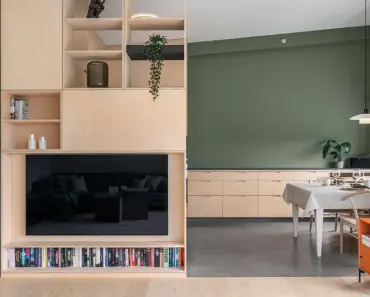
A common characteristic of kitchens from the 1990s was the extensive use of wood – often covering everything from upper cabinets to islands and appliances. While this created a cohesive look at the time, it can feel overwhelming in a modern setting. To freshen up a kitchen with a prevalent wood aesthetic, consider treating your maple cabinets as more of an accent material. Spalding recommends pairing the wood with a grounding neutral color, such as a creamy light blue or a soft gray-green. This creates a visual balance and prevents the wood from dominating the space. By using color strategically, you can highlight the warmth of the wood without making the kitchen feel dated or cluttered. This approach allows the natural beauty of the wood to shine through while incorporating contemporary design principles.
Use a Grounding Color
Regardless of whether you choose to embrace the wood as a dominant feature or an accent, incorporating a grounding neutral color is essential for a refreshed look. Stephanie Pierce of MasterBrand stresses the importance of using cream or white for walls, countertops, or backsplashes. These neutral tones provide a visual anchor, preventing the warmer wood tones from feeling overwhelming. A crisp white countertop, for example, can beautifully contrast with honey-colored cabinets, creating a clean and sophisticated look. Similarly, a soft gray or off-white backsplash can complement maple cabinets, adding subtle texture and visual interest. The key is to choose a neutral that complements the specific shade of wood in your kitchen, creating a harmonious and balanced space.
You may also enjoy reading: “5 Unveiling Interiors Trends Stealing the Show at Milan Design Week 2026”.
Consider Paint for a Pop of Color
While warm wood tones are back in vogue, incorporating a pop of color through paint can further modernize a 90s kitchen. Consider painting an island or a feature wall in a bold, yet complementary hue. Jewel tones like emerald green or sapphire blue can add a touch of luxury and personality. Alternatively, a muted pastel shade can create a soft and inviting atmosphere. The key is to choose a color that complements the existing wood tones and the overall style of the kitchen. This allows you to inject a contemporary flair while still honoring the warmth and character of the original cabinetry. A well-placed splash of color can transform a dated kitchen into a stylish and inviting space.
Don’t Forget the Details
Beyond cabinet finishes and color choices, the details play a significant role in updating a 90s wood kitchen. Updating lighting fixtures can have a dramatic impact. Consider replacing outdated fluorescent lights with warmer, more stylish options, such as pendant lights over an island or recessed lighting throughout the kitchen. New flooring can also instantly modernize the space. Hardwood floors or large-format tiles in neutral tones can create a clean and contemporary foundation. Finally, accessories such as rugs, curtains, and artwork can tie the entire look together. These small touches can personalize the space and reflect your individual style, ensuring that your kitchen feels both updated and inviting. The subtle addition of fresh greenery or decorative bowls can also elevate the overall aesthetic.
Reviving a 90s wood kitchen doesn’t necessitate a complete demolition. By strategically implementing these seven strategies, you can successfully modernize your space, retaining the inherent warmth and charm of the original cabinetry. The resurgence of honey-colored and maple kitchens demonstrates a shift towards comforting, nostalgic design – a welcome change from the stark minimalism that has dominated recent years. It’s about embracing the versatility of wood and updating the details to create a kitchen that feels both timeless and contemporary.