As the world’s design capitals vie for attention, one event stands out for its unparalleled blend of luxury fashion, cutting-edge design, and unbridled creativity: Milan Design Week. The biennial extravaganza has become increasingly important, drawing in top brands, industry leaders, and design enthusiasts from around the globe. While other design weeks may cater to a niche audience, Milan Design Week bursts onto everyone’s Instagram feed with the biggest luxury fashion houses, showcasing their homeware collections alongside interior design stalwarts and contemporary names. This year’s event did not disappoint, with a slew of surprising collaborations and show-stopping exhibits that left attendees and onlookers alike in awe.
1. Lamp as Objet D’Art
At Milan Design Week 2026, lighting crossed into the territory of sculpture, with lampings becoming the most coveted objects of the year. Aesop’s first-ever lighting collection, Aposē, stole the show with its trio of table, pendant, and floor lamps derived from the shape of the brand’s iconic hand balm tube. Handmade from glass and brass in collaboration with lamp brand Flos, the pieces are produced in Italy and Germany and limited to 500 sets. This trend is not just about aesthetics; it’s about treating light fittings as jewelry for the space, as Andrea Claire Studio’s Totemic collection demonstrated with its architectural light installation. Dior Maison unveiled its new Corolle lamps, while Bottega Veneta presented 10 limited-edition pieces by Korean designer Kwangho Lee, each an abstract sculpture woven in thick leather spaghetti-esque strips. For those who want the look without the collector’s price tag, Kelly Wearstler’s lighting for H&M Home is the season’s most shoppable design story.
Amazon US Verified
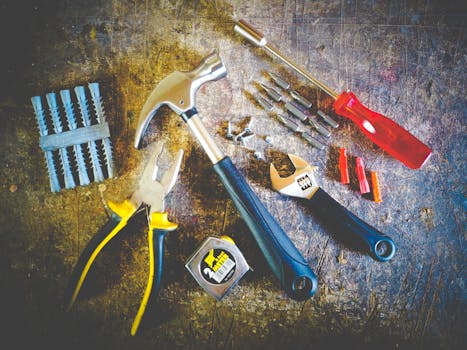
Hang-O-Matic All-in-One Picture Hanging Tool
Tape measure, sliding level, and markers in one tool for flawless gallery walls.
According to a study by the Centre for Sustainable Design, 60% of consumers consider the aesthetic value of a product when making purchasing decisions. The Lamp as Objet D’Art trend taps into this desire for visually striking designs, redefining the role of lighting in interior spaces. As we move towards a more experiential and immersive design landscape, the humble floor lamp is no longer an afterthought. It’s an opportunity for brands to push the boundaries of creativity and craftsmanship, resulting in unique pieces that become conversation starters.
Replicating the Look
While it’s challenging to replicate the exact Aesop x Flos collaboration, there are ways to incorporate this trend into your home decor. Consider investing in statement lighting fixtures that double as decorative pieces. Look for brands that incorporate unique materials, such as glass and brass, and opt for limited-edition or handmade pieces to add an air of exclusivity. You can also DIY by upcycling old lamp shades or creating your own lighting fixtures using reclaimed materials. The key is to experiment with different textures, shapes, and colors to create a one-of-a-kind look that reflects your personal style.
2. Wall Hangings
Textiles have decisively moved off the floor and onto the wall, with designers and brands leveraging this trend to create immersive, large-scale installations. Gucci’s tapestries lining the walls of its pavilion showcased the brand’s history, but it was Ai Weiwei’s collaboration with Rubelli that truly pushed the boundaries of textile art. The 500-year-old Venetian weaving house created a continuous silk lampas featuring images of surveillance cameras, handcuffs, and the former Twitter bird logo woven in gold thread. This is not just a fashion statement; it’s a commentary on the intersection of technology and art.
Amazon US Verified
Peel and Stick Textured Linen Wallpaper
Removable neutral wall covering providing architectural warmth and tactile depth.
According to a report by the International Textile and Apparel Association, the global textile market is expected to reach $1.4 trillion by 2025. The Wall Hangings trend is a significant contributor to this growth, as designers and brands explore new ways to reimagine textiles in interior spaces. By leveraging large-scale installations and immersive experiences, the textile industry can create a more engaging and experiential relationship with consumers.
Creating a Textile Wall Installation
While creating a textile wall installation on a grand scale may seem daunting, there are ways to incorporate this trend into your home decor. Consider using large-scale prints or tapestries featuring bold patterns and colors. You can also experiment with DIY techniques, such as stenciling or hand-painting, to create unique and personalized textile art. When choosing a textile wall installation, opt for high-quality materials and consider the scale of the piece in relation to your room’s dimensions. The key is to balance the installation with surrounding furniture and decor to create a cohesive and visually striking look.
Amazon US Verified
Ceramic Fluted Decorative Vase Set
Modern minimalist ceramic vases perfect for shelves, consoles, and dried florals.
3. “Cocooning” Seating
Maybe it’s a reaction to the state of global politics, but a key theme across many installations was softness and the idea of snuggling down into something very comforting. The Butter sofa system by Faye Toogood and Tacchini set the tone: at a drinks reception, attendees were enveloped in a cocoon of plush cushions and sumptuous upholstery. This trend is not just about aesthetics; it’s about creating a sense of security and well-being in our homes.
According to a study by the National Sleep Foundation, 60% of Americans experience sleep disruptions due to stress and anxiety. The “Cocooning” Seating trend taps into this desire for comfort and relaxation, redefining the role of seating in interior spaces. As we move towards a more experiential and immersive design landscape, the humble sofa is no longer just a piece of furniture; it’s a sanctuary for the soul.
Creating a Cozy Seating Area
While it’s challenging to replicate the exact Faye Toogood and Tacchini collaboration, there are ways to incorporate this trend into your home decor. Consider investing in plush throw pillows and blankets, and opt for sumptuous upholstery materials like velvet and leather. You can also experiment with DIY techniques, such as upcycling old furniture or creating custom cushions, to add a personal touch to your seating area. The key is to balance comfort with style, creating a space that invites relaxation and rejuvenation.
You may also enjoy reading: 10 Spring Decorating Ideas that Shine with Light Colors and Soft Lines.
4. The Artisanal Revival
The handmade object has never been more coveted, with artisans and craftspeople pushing the boundaries of traditional craftsmanship. JW Anderson’s collaboration with English basketmaker Eddie Glew resulted in a beautiful new collection of woven baskets, while Studio Ashby’s Speak Back chairs showcased the brand’s commitment to sustainable and eco-friendly design. This trend is not just about aesthetics; it’s about preserving traditional craftsmanship and supporting local artisans.
According to a report by the World Crafts Council, the global artisanal market is expected to reach $1.2 trillion by 2025. The Artisanal Revival trend is a significant contributor to this growth, as consumers increasingly seek out unique and authentic design experiences. By supporting local artisans and craftspeople, we can help preserve traditional craftsmanship and promote cultural heritage.
Supporting Local Artisans
While it’s challenging to replicate the exact JW Anderson and Eddie Glew collaboration, there are ways to support local artisans and craftspeople in your community. Consider shopping at local markets or visiting artisanal workshops to learn more about traditional craftsmanship. You can also experiment with DIY techniques, such as woodworking or pottery, to create unique and personalized design pieces. The key is to appreciate the value of handmade craftsmanship and support local artisans in their efforts to preserve traditional techniques.
5. Sustainable Design
As we move towards a more sustainable future, designers and brands are redefining the role of design in interior spaces. Fendi Casa’s new Peekachill armchair was one of the fair’s most photographed pieces, while Kelly Wearstler’s H&M Home collaboration had squishy chairs and sofas piled high. This trend is not just about aesthetics; it’s about creating a more responsible and eco-friendly relationship with design.
According to a report by the Ellen MacArthur Foundation, the global design industry is expected to reach $1.5 trillion by 2025. Sustainable Design is a significant contributor to this growth, as consumers increasingly seek out eco-friendly and responsible design experiences. By leveraging recycled materials, reducing waste, and promoting sustainable production methods, designers and brands can create a more responsible and environmentally-friendly relationship with design.
Creating a Sustainable Design Space
While it’s challenging to replicate the exact Fendi Casa and Kelly Wearstler collaborations, there are ways to incorporate sustainable design principles into your home decor. Consider investing in eco-friendly materials, such as reclaimed wood and recycled glass, and opt for sustainable production methods whenever possible. You can also experiment with DIY techniques, such as upcycling old furniture or creating custom planters, to reduce waste and promote sustainability. The key is to balance aesthetics with responsibility, creating a space that not only looks great but also does good for the planet.
As we look to the future of design, one thing is clear: the trends and innovations showcased at Milan Design Week 2026 will shape the interiors conversation for the next 12 months. From the Lamp as Objet D’Art trend to the Sustainable Design movement, these five trends offer a glimpse into the future of interior design. Whether you’re a design enthusiast or simply looking to refresh your living space, there’s never been a more exciting time to explore the world of interiors.
As an Amazon Associate, azuloz.com earns from qualifying purchases.