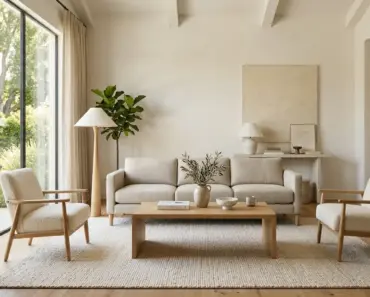
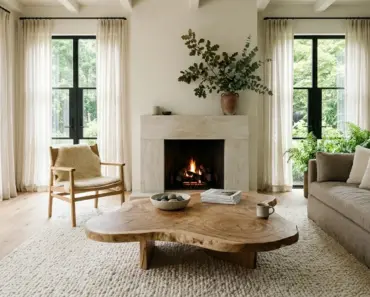
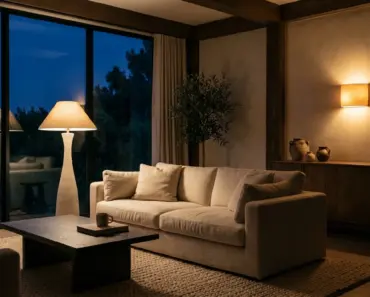
Imagine walking into a room that feels intentional, layered, and full of quiet sophistication. That is the power of architectural detail. One of the most accessible and impactful ways to achieve this look is through the strategic use of wall trim. You do not need a renovation crew or a massive budget. A few strips of wood, some careful measuring, and a bit of paint can transform a flat, forgettable wall into a feature that feels as old as a European villa and as fresh as a modern design magazine.
This technique, known as picture frame molding, creates raised rectangles or squares on your wall surface. It mimics the look of framed art panels, adding texture and shadow without taking up any floor space. Whether you live in a historic home or a new-build apartment, these picture frame molding ideas can help you add character, depth, and a custom feel to every room. We have gathered nineteen distinct approaches, from subtle and serene to bold and dramatic.
Why Picture Frame Molding Works So Well
Before diving into the specific ideas, it helps to understand why this detail is so effective. The design principle is simple: our eyes are drawn to patterns and frames. By breaking up a large, flat wall into smaller, defined sections, you create visual interest. The molding casts a soft shadow, which adds depth. This is especially useful in rooms that lack natural architectural features like crown molding, wainscoting, or built-in niches.
Historically, this style traces back to ancient Greek architecture, where panels were carved directly into stone. It gained massive popularity during the 17th century in European baroque palaces, where craftsmen used it to create a sense of grandeur and order. Today, it is enjoying a strong revival because it works with nearly every design style, from farmhouse to mid-century modern to maximalist.
19 Picture Frame Molding Ideas to Transform Your Home
1. Floor-to-Ceiling Panels for a Grand Entrance
One of the most dramatic ways to use this technique is to run the molding from the floor all the way to the ceiling. This works particularly well in a foyer or a long hallway. The continuous vertical lines draw the eye upward, making the ceiling feel higher. It also transforms a plain white wall into a series of distinct, gallery-like sections. You can use tall, narrow rectangles to echo the proportions of a door, which creates a very cohesive and elegant flow.
2. The Classic Chair Rail Divide
This is the traditional approach and a perfect starting point for beginners. First, install a chair rail horizontally across the wall, typically about 32 to 36 inches from the floor. Then, add picture frame molding below the rail. For the upper section, you can either leave it plain or add smaller, square frames. Varying the size and shape of the boxes above and below the chair rail creates a balanced but interesting look. It adds architectural charm without overwhelming the space.
3. Gold Accents on Mural Wallpaper
If you have a mural wallpaper that you love, do not let it get lost on a big wall. Frame it with picture frame molding. For a truly luxurious feel, paint the molding a soft gold or brass tone. This divides the mural into sections that align with the room’s architecture, treating each panel as a unique work of art. The gold frames catch the light and add a layer of warmth that complements the wallpaper’s colors beautifully.
4. Vertical Rectangles to Raise the Ceiling
In a room with standard eight-foot ceilings, every trick to create height helps. Arrange your molding boxes vertically. Use tall, narrow rectangles instead of squares. This strong vertical line tricks the eye into thinking the wall is taller than it actually is. To maximize this effect, paint the molding the exact same color as the wall. This creates a seamless, monochromatic look where the shadows of the molding do all the work.
5. Sage Green Serenity in a Bathroom
A bathroom is a fantastic place for this treatment because it adds warmth to a space that can feel cold and tiled. Choose a calming sage green paint for the walls, the molding, and even the shelving. This color-drenching technique creates a cohesive, spa-like atmosphere. The picture frame molding adds texture and interest. The result is a calming backdrop that contrasts beautifully with polished brass or chrome hardware.
6. A Structured Gallery Wall
Gallery walls can sometimes feel chaotic or cluttered. Picture frame molding provides the structure needed to organize a collection of art. Instead of hanging frames randomly, install the molding boxes on the wall first. Then, hang your pictures, mirrors, and objects inside, outside, and overlapping the boxes. This creates a curated, eclectic look. The molding provides a grid that keeps the eye moving smoothly, while the organic shapes of the artwork provide contrast.

Amazon US Verified
Hang-O-Matic All-in-One Picture Hanging Tool
Tape measure, sliding level, and markers in one tool for flawless gallery walls.
7. The Museum Statement Wall
Do you have one large, stunning piece of art? Give it the treatment it deserves. Frame the wall around the art with a large picture frame molding box. This creates a museum-like presence, as if the artwork is on display in a gallery. Add a pair of wall sconces on either side of the art piece. This provides perfect symmetry and soft, ambient lighting that highlights the texture of both the painting and the molding.
8. Two-Tone Modern Edge
For a contemporary twist, use a two-tone paint scheme. Paint the lower half of the wall a deep, moody color like navy blue, charcoal, or forest green. Keep the upper half bright white. Install picture frame molding on both sections, but keep the boxes smaller and closer together on the dark lower portion. This creates a strong visual anchor and a very modern, graphic look. The contrast is striking and adds a lot of personality.
9. Black and White Eclectic Grid
Pair your picture frame molding with a collection of black-and-white photographs. The key here is to not hang the photos inside the boxes. Instead, arrange them in, on, and around the molding frames. Some photos can overlap the edges of the molding, while others sit entirely outside the grid. This creates a playful, collected-over-time feel. The black and white palette keeps it cohesive and sophisticated.
10. The Quiet Bedroom Accent Wall
An accent wall in a bedroom does not have to be a bright color or a busy wallpaper. Use picture frame molding for a quieter, more subtle striking effect. Place three large, evenly spaced molding boxes on the wall behind your bed. Center them perfectly around the headboard. Paint everything the same soft, neutral color. This creates a serene, custom headboard effect that adds depth without visual noise.
Amazon US Verified
Peel and Stick Textured Linen Wallpaper
Removable neutral wall covering providing architectural warmth and tactile depth.
11. Color-Drenched Built-Ins
If you have built-in bookshelves, take them to the next level. Add picture frame molding to the doors and the side panels of the unit. Then, add crown molding to the top of the unit to give it height and presence. Finally, paint the shelves, the walls behind them, the molding, and the trim all the same color. This technique, called color drenching, creates a dramatic, cozy, and very intentional effect. The shadows from the molding become the only variation in tone.
12. Framing a Wall Sconce Grid
Wall sconces provide beautiful ambient light, but they can look a bit lonely on a large wall. Create a grid of picture frame molding boxes, and place a sconce in the center of each box. This adds classic charm and symmetry. On a pale pink or soft blue wall, the white molding provides subtle contrast. The light from the sconces will cast interesting shadows on the molding’s edges, adding a dynamic element to the room.
13. The Fireplace Focal Point
Your fireplace is the natural heart of the living room. If the mantel is outdated or the brick is not your style, picture frame molding is a cost-effective alternative to replacing it. Frame the wall around the fireplace with large, dramatic molding boxes. Paint the wall and the molding a vibrant, rich color like terracotta or deep teal. This directs all the attention to the fireplace, making it a stunning centerpiece without a full renovation.

Amazon US Verified
Ceramic Fluted Decorative Vase Set
Modern minimalist ceramic vases perfect for shelves, consoles, and dried florals.
14. Framing a Wall Mural in a Hallway
Hallways and entryways are often narrow and lack space for large furniture. Use picture frame molding to frame a wallpaper or painted mural. This creates a striking feature that takes up zero floor space. The molding acts as a custom border, making the mural look like a giant, framed painting. This is an excellent way to add a dramatic welcome to your home without cluttering a tight space.
15. Seamless High-Gloss Sheen
For a truly modern and polished look, focus on the paint sheen. Use the same sheen for both the walls and the molding. A high-gloss or semi-gloss finish on both surfaces creates a seamless, reflective look. The light bounces off the walls and the molding in the same way, making the room feel brighter and more expansive. This technique works best with a neutral or white color palette.
You may also enjoy reading: 7 Ways to Brighten a Dark Room Instantly.
16. Historic Wood in a Formal Dining Room
In a formal dining room, you want to create a sense of occasion. Use real wood picture frame molding and paneling. Choose a warm, rich wood stain or a dark, historic paint color like a deep burgundy or forest green. This brings historic charm and an inviting backdrop for dinner parties. The molding complements a chandelier, decorative ceiling, and elegant chairs, creating a cohesive and timeless space.
17. Mirror Magic for Light and Space
Place a large, decorative mirror inside a picture frame molding box. This is a brilliant trick for boosting natural light and making a room feel larger. The mirror reflects light from windows, while the molding adds architectural interest. This works especially well in a dark corner or a narrow hallway. The combination of the mirror’s reflective surface and the molding’s shadow creates a dynamic, layered look.
18. Asymmetrical and Playful Layouts
Not every grid needs to be perfectly symmetrical. For a more modern and artistic feel, use molding boxes of different sizes and place them in an asymmetrical pattern. This can look like a Mondrian painting on your wall. It adds a playful, creative energy to a home office, a child’s room, or a creative studio. The key is to keep the spacing between the boxes consistent, even if the box sizes vary.
19. Single Tall Panel for a Narrow Space
Do you have a narrow wall between two windows or doors? Do not leave it empty. Install a single, tall picture frame molding box that fills most of that wall space. This creates a defined zone for a tall plant, a floor lamp, or a slim console table. The molding makes the narrow wall feel intentional and designed, rather than like an awkward leftover space.
How to Get Started with Your Own Installation
If you feel inspired to try this yourself, the process is very DIY-friendly. You will need a tape measure, a level, a miter saw or miter box, wood glue, nails, and a nail gun or hammer. Start by mapping out your design on paper. Measure the wall and decide on the size and spacing of your boxes. A common rule is to keep the gap between boxes equal to the width of your molding itself, usually about two to three inches.
Cut your molding pieces at 45-degree angles to create the corners. Attach them to the wall using construction adhesive and finishing nails. Fill the nail holes with wood filler, sand smooth, and then paint. The entire project for a single wall can often be completed in a weekend for under one hundred dollars in materials.
One common challenge is dealing with outlets or light switches. The best approach is to adjust your grid layout so that the molding boxes avoid these obstacles. If that is not possible, you can carefully cut a notch in the molding to fit around the switch plate. It takes patience, but the result looks professional.
Frequently Asked Questions
What is the best height for picture frame molding?
The height depends on your ceiling. For standard eight-foot ceilings, a chair rail at 32 to 36 inches from the floor is common. The boxes below the rail are usually taller than they are wide. For floor-to-ceiling panels, the boxes should be proportionate to the wall height, typically around 60 to 70 percent of the wall’s height.
Can you install picture frame molding on textured walls?
Yes, but it requires extra preparation. You need to sand down the texture in the area where the molding will be attached so that the wood sits flush against the wall. Alternatively, you can choose to install the molding over the texture, but you will see a gap. Caulking the edges carefully can hide this gap.
What type of wood is best for picture frame molding?
Primed MDF (medium-density fiberboard) is the most popular choice for DIYers. It is smooth, stable, and does not warp easily. It takes paint very well. For a more historic look, you can use solid pine or poplar, which can be stained or painted.
How do you space picture frame molding boxes evenly?
Measure the total width of your wall. Subtract the total width of all the boxes you plan to install. Divide the remaining space by the number of gaps you need (one more than the number of boxes). This gives you the exact spacing. Use a level to ensure every box is perfectly straight.
Does picture frame molding work in a small room?
Absolutely. In fact, it can make a small room feel larger and more custom. Use vertical rectangles to create height. Keep the molding and wall the same color to avoid visual breaks. The added texture draws the eye around the room without cluttering the space with furniture.
Picture frame molding is a timeless investment in your home’s character. Whether you choose a single accent wall or a full room transformation, the added depth and elegance will change how you experience the space. Start with one wall, and you will likely find yourself planning the next one before the paint is even dry.
As an Amazon Associate, azuloz.com earns from qualifying purchases.