The vibrant blooms of the Christmas cactus often steal the show during the holiday season, but after the festive displays fade, this beloved plant deserves a little extra attention. While it might seem to enjoy a period of quiet dormancy, the months of April and May are crucial for ensuring its continued health and beautiful flowering in years to come. Understanding and addressing its specific needs during this transitional period is key to keeping your Schlumbergera thriving.
1. Let It Rest After Blooming
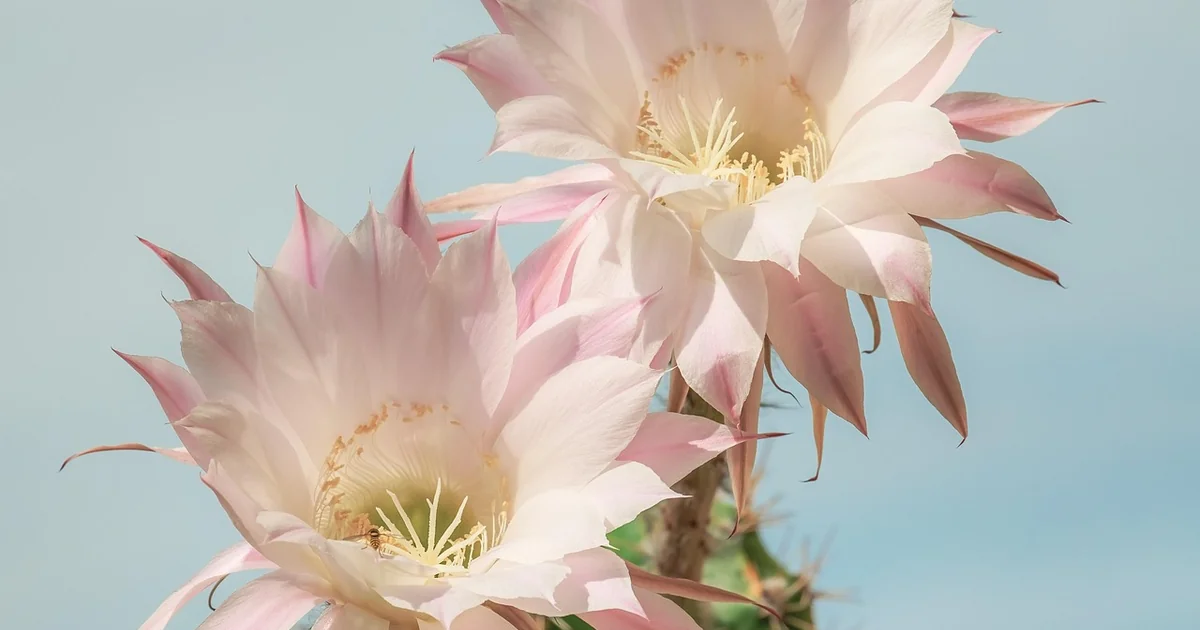
Having just completed its often spectacular spring flowering cycle, your Christmas cactus is likely feeling a bit depleted. These plants invest a significant amount of energy into producing their characteristic flattened, colorful blooms. Once the flowers have faded, the plant requires a period of rest to replenish its reserves before it begins producing new growth. The immediate urge to adjust its location, repot it, or alter its feeding schedule is usually misguided. For a few weeks in April, the most beneficial approach is to provide minimal intervention.
Maintain a consistent watering schedule, but refrain from increasing the amount you provide. Hold off on introducing fertilizer until you observe the emergence of new segments. Additionally, avoid relocating the plant if its current spot is suitable. Allowing it this quiet period prevents it from becoming weak and leggy, ultimately leading to more robust growth and heavier flowering later in the season. Skipping these short-term adjustments can result in a scraggly appearance come summer, hindering the development of the dense foliage necessary for abundant blooms. Done consistently, these small adjustments make a real difference in the plant’s long-term health.
(Image credit: Herman Vlad / Getty Images)
2. Deadhead Any Spent Flowers
Unlike some plants where spent blooms naturally wither and drop, the flowers of the Christmas cactus tend to persist on the stem tips. These dried-out blossoms can impede the plant’s transition to new growth, effectively acting as a barrier. Removing them is a straightforward and quick task. Simply gently twist each dried flower at its base, where it connects to the segment, and it should detach cleanly without any tools. While deadheading, take a moment to inspect the stem tips for any segments exhibiting signs of distress, such as shriveling, mushiness, or discoloration. These affected segments can also be carefully pruned at the joint using clean, sharp pruning scissors.
Segments that feel soft and mushy throughout, rather than just dry at the tip, often indicate an overwatering issue or the onset of rot progressing from the roots. Prompt removal of these unhealthy segments prevents the spread of potential problems and encourages the plant to focus its energy on healthy growth. This simple step not only improves the plant’s aesthetic appeal but also promotes its overall well-being.
3. Pull Back on Watering
Following the bloom period, your Christmas cactus’s water requirements decrease. The plant’s metabolic rate slows down as it no longer needs to support flower production. Consequently, the risk of overwatering increases if the watering schedule isn’t adjusted. Allow the top inch or two (2.5–5 cm) of soil to dry out completely before watering. When you do water, ensure thorough saturation, allowing excess water to drain freely from the pot. Avoid letting the plant sit in a saucer of standing water, as this can lead to root rot.
Spring is an opportune time to evaluate your potting mix. If your Christmas cactus is planted in regular potting soil, it might retain too much moisture, especially during the spring months when the plant isn’t actively absorbing water as much as it did during flowering. A well-draining mix, such as Top Tier Genetics Premium Christmas Cactus Soil, is highly recommended. This type of mix facilitates better water circulation and drainage, significantly reducing the likelihood of root-related issues developing over the summer. Adjusting your watering habits in spring is a crucial step in preventing common problems and supporting robust growth.
(Image credit: Shutterstock)
4. Start Fertilizing Once New Growth Appears
Resist the urge to immediately resume fertilizing your Christmas cactus after its spring bloom. Feeding a plant that is still in its post-bloom recovery phase offers little benefit and can actually induce stress. The appropriate cue for introducing fertilizer is the emergence of new growth segments from the stem tips. Once you visibly observe these new segments pushing out, the plant is ready to utilize the nutrients. Begin feeding with a balanced, water-soluble fertilizer diluted to half strength, applying it every two to four weeks.
The new growth phase signals a renewed period of active development, and a gentle boost of nutrients at this stage supports the formation of healthy foliage and sets the stage for future flowering. Avoid over-fertilizing, as this can burn the delicate new growth. Wait until you see several new segments establishing themselves before increasing the frequency of fertilization. This targeted approach ensures the plant receives the nourishment it needs without being overwhelmed.
You may also enjoy reading: 11 Creative Ways to Make Your Own Clay Plant Markers from Scratch.
5. Provide Bright, Indirect Light
While Christmas cacti thrive in bright light, direct sunlight during spring can be intense and potentially scorch their leaves. Position your plant in a location that receives bright, indirect light. An east-facing window is often ideal, as is a spot a few feet away from a south- or west-facing window. If you notice the leaves turning slightly bronze or reddish, it might be a sign of excessive light exposure.
As the weather warms up in spring, the intensity of sunlight increases. Observing your plant’s response to the changing light conditions is important. If your plant is in a particularly shady spot, you might consider supplementing with a grow light to ensure it receives adequate illumination for healthy growth and future flowering. Adequate light is essential for photosynthesis, the process by which the plant converts light energy into the energy it needs to thrive.
6. Monitor Humidity Levels
Christmas cacti appreciate moderate humidity levels, typically between 40% and 60%. While the air tends to be drier in spring, especially with increased heating, you can help maintain suitable humidity by placing the pot on a pebble tray filled with water. Ensure the bottom of the pot isn’t sitting directly in the water, as this can lead to root rot. Alternatively, you can occasionally mist the plant with water, although this is less effective than a pebble tray.
Increased humidity can be particularly beneficial if you notice the edges of the leaves turning brown or crispy. Maintaining appropriate humidity contributes to the plant’s overall health and prevents stress during the seasonal transition. However, avoid excessively humid conditions, as this can create an environment conducive to fungal diseases.
7. Ensure Good Air Circulation
Good air circulation is vital for preventing fungal diseases and promoting healthy growth in Christmas cacti. Ensure the plant is not crowded by other plants, allowing for airflow around the foliage. A gentle breeze can also be beneficial, but avoid placing the plant in a spot with harsh drafts. Proper air circulation helps the leaves dry out quickly after watering or misting, reducing the risk of fungal infections.
If you’re concerned about air circulation, you can occasionally rotate the plant to ensure all sides receive adequate airflow. This also helps to prevent uneven growth. Maintaining good air circulation, along with appropriate light, watering, and humidity, creates a favorable environment for your Christmas cactus to flourish throughout the spring and beyond. These seemingly small adjustments to its care routine during this time are foundational for its continued beauty and blooming potential.
As the spring months progress, these seven care tasks will help your Christmas cactus navigate the seasonal shift with ease. By understanding and responding to its evolving needs, you can ensure this long-lived plant continues to bring joy with its beautiful blooms for many years to come.