The kitchen serves as the beating heart of the modern home, acting as a culinary laboratory, a social hub, and a central gathering point for family life. Because we spend so much of our daily existence in this specific room, the aesthetic choices we make carry significant weight. A well-designed space feels inviting and serene, while a poorly executed one can feel chaotic or dated within months of a renovation. It is a delicate dance between expressing personal personality and maintaining a sense of sophisticated cohesion. When we stray too far from balance, we risk falling into the trap of tacky kitchen decor, which can diminish the perceived value of our homes and make daily living feel cluttered rather than comforting.
Navigating the Fine Line Between Bold Style and Visual Chaos
Creating a kitchen that stands the test of time requires more than just following the latest social media trends. While it is tempting to adopt every high-contrast or hyper-saturated look currently circulating in design magazines, these choices often lack the longevity required for a primary living space. Interior designer Brittny Button, the founder of Button Atelier, emphasizes that the most successful spaces are those that feel intentional rather than reactionary. The goal is to create an environment that feels lived-in yet curated, avoiding the pitfalls that lead to a room feeling disjointed or cheapened by poor decision-making.
One of the most common struggles homeowners face is the “trend trap.” This occurs when a person selects materials or colors because they are currently popular, only to find that the aesthetic feels exhausted or visually overwhelming just a few seasons later. To combat this, it is helpful to adopt a more disciplined approach to selection. Instead of asking, “Is this trendy?” a better question might be, “Does this contribute to a sense of permanence?” By focusing on quality and harmony, you can avoid the mistakes that contribute to tacky kitchen decor and instead build a sanctuary that grows with your family.
1. Overwhelming Color Combinations and Competing Hues
Color is perhaps the most powerful tool in a designer’s arsenal, but it is also the most dangerous if misused. While a monochromatic or neutral palette is safe, many homeowners desire a sense of drama. However, there is a significant difference between a sophisticated, moody kitchen and one that feels visually aggressive. A common mistake is pairing two “powerhouse” colors that compete for attention rather than supporting one another. For instance, combining deep navy cabinetry with aubergine accents can create a visual clash that leaves the eye with nowhere to rest. This competition between saturated tones creates a sense of tension that is often perceived as unrefined.
To achieve a high-end look, it is more effective to lean into the colors found in the natural world. Brittny Button suggests opting for shades that occur organically in nature, such as deep chocolate browns, warm fawns, soft taupes, and creamy off-whites. These tones possess an inherent harmony that allows them to work together effortlessly. If you are determined to use a bold color like navy, pair it with one of these grounded, natural tones rather than another heavy pigment. This approach ensures that the bold element acts as a sophisticated focal point rather than an overwhelming force that dictates the entire mood of the room.
To implement this correctly, try the 3-2-1 rule during your planning phase. Ask yourself: Will I still appreciate this color combination in three years? Are there at least two complementary colors working in harmony? Is there one singular, seamless visual note being conveyed? If your color scheme feels like a battleground of competing shades, it is time to step back and introduce a neutral anchor to stabilize the palette.
2. Relying on Decorative Signs as Primary Wall Art
This might be hard to hear, but many seasoned designers find it difficult to get on board with the use of decorative signs as wall art in a kitchen setting. We have all seen them: wooden plaques with scripted phrases like “Eat, Drink, and Be Merry” or “Bless this Kitchen” hanging above a stove or on a backsplash. While these items are often purchased with the best intentions to add warmth, they frequently result in tacky kitchen decor because they feel generic and mass-produced. They lack the unique character and texture that true art or meaningful objects provide to a home.
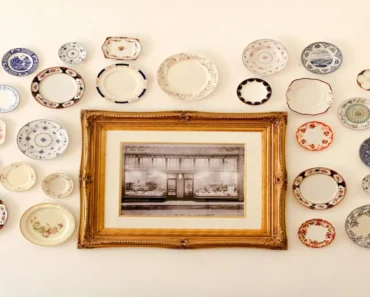
The problem with typographic signs is that they often dictate a specific, somewhat cliché emotion rather than allowing the room to speak for itself. They can make a custom, expensive kitchen look like a showroom from a big-box retailer. Instead of relying on pre-made sentiments, consider using objects that tell a real story. This could be a piece of framed vintage botanical art, a high-quality landscape painting that reflects your local environment, or even a collection of beautifully aged ceramics displayed on open shelving. These choices add layers of depth and history that a wooden sign simply cannot replicate.
If you feel the need to add text to your space, consider more integrated methods. Perhaps a custom tile inlay or a subtle engraving on a stone countertop can convey a sense of place or tradition without the jarring effect of a hanging sign. The key is to move away from “instant decor” and toward items that feel like they were collected over time rather than bought in a single trip to a craft store.
3. Poor Lighting Schemes and the “Yucky” Glow of Drop Ceilings
If you are struggling to find the culprit behind why your kitchen feels uninviting or “off,” take a close look at your lighting plan. Lighting is the invisible architecture of a room; it can make a luxury marble countertop look dull or a modest space look magical. One of the most significant offenders in residential design is the reliance on standard drop ceiling lighting. These fixtures often provide a flat, clinical, and “yucky” light that can make a kitchen feel closed in and unappealing. This type of lighting lacks direction and fails to create the shadows and highlights that provide a room with dimension.
Effective kitchen lighting should be layered, serving different purposes throughout the day. You need ambient lighting for general visibility, task lighting for actual work, and accent lighting to create atmosphere. To avoid a lackluster environment, prioritize under-cabinet task lighting. This is essential for illuminating prep stations and preventing the “cave effect” where your workspace remains in shadow while the rest of the room is lit. Additionally, installing pot lights (recessed lighting) can help brighten up dull corners and provide a more controlled, sophisticated glow than a single central fixture.
When selecting bulbs, pay attention to the Kelvin scale, which measures color temperature. For a kitchen, you want a balance. Too cool (blueish) and the room feels like a hospital; too warm (orangeish) and it might feel dingy during food preparation. Aim for a neutral white light that mimics natural daylight, which will make your ingredients look fresh and your surfaces look clean. By moving away from overhead-only lighting, you can instantly elevate the perceived quality of your entire kitchen design.
4. Using Artificial Greenery Instead of Living Plants
Bringing elements of the outdoors inside is a classic design technique used to soften the hard edges of cabinetry, stone, and metal. However, there is a significant divide between a kitchen that feels lush and organic and one that feels artificial. The use of faux plants is a frequent contributor to tacky kitchen decor. While high-end silk plants can sometimes pass for the real thing, most common artificial greenery lacks the subtle imperfections, the slight movement, and the organic color variations of a living organism. They often end up looking dusty, static, and ultimately “fake” in a way that clashes with the natural textures of a kitchen.
The solution is quite simple, though it requires a small amount of commitment: use real plants or nothing at all. A small pot of fresh basil or mint on a windowsill provides dual benefits—it adds a vibrant splash of life to the room and offers fresh ingredients for your cooking. For larger decorative needs, consider hardy indoor varieties like Pothos, which can trail beautifully along open shelving, or a sculptural Sansevieria (Snake Plant) for a modern look. The presence of living things introduces a sense of vitality and freshness that is essential in a space dedicated to food and nourishment.
If you are someone who lacks a “green thumb,” do not feel pressured to fill every corner with greenery. It is far better to have a completely clean, minimalist countertop than to clutter it with plastic leaves that serve no purpose other than to look unconvincing. If you must use non-living decor, opt for dried elements like eucalyptus or olive branches, which possess a natural, textural quality that feels much more sophisticated than plastic imitations.
You may also enjoy reading: 7 Best Dopamine Decor Pieces From Amazon for 2025.
5. Misapplied Architectural Materials and Stylistic Clashes
Some kitchens lend themselves to specific material choices, but these materials do not always translate well across different home styles. A major design error is attempting to force a specific “look” into a home where the architectural bones don’t support it. A prime example is the trend of exposed brick. While exposed brick can look stunning and authentic in a converted industrial warehouse, it can feel jarring and out of place in a traditional farmhouse or a mid-century modern suburban home. When materials are used without regard for the surrounding context, the kitchen can feel over-designed and visually confused.
This mismatch creates a sense of “architectural vertigo,” where the inhabitant feels a subconscious disconnect between the room and the rest of the house. To avoid this, ensure that your material choices—such as your backsplash, flooring, and countertop—are in conversation with the overall era and style of your home. If you live in a cottage, perhaps a tumbled stone backsplash is more appropriate than a sleek, ultra-modern concrete slab. If you are in a modern build, a high-gloss subway tile might feel more at home than rustic, reclaimed wood beams.
Before committing to a major material change, visualize how that material will look in the adjacent rooms. A kitchen should feel like a natural extension of the home’s narrative, not a sudden, disconnected chapter. If you are unsure, stick to materials that offer a sense of timelessness and versatility, such as natural stone, high-quality wood, or classic ceramics, which tend to bridge various styles more gracefully than highly specialized architectural elements.
6. Neglecting the Functional Flow and the Triangle Rule
Above all else, the kitchen is a functional workspace. A common mistake that impacts both the look and the feel of a kitchen is prioritizing “the look” at the expense of movement and ergonomics. A kitchen that looks beautiful in a static photograph but is a nightmare to cook in will eventually feel frustrating and cluttered. This frustration often manifests as a feeling that the room is “messy” or “bad,” even when it is technically clean. This is often due to a lack of proper flow, which can make the space feel cramped and disorganized.
To ensure your kitchen remains a joy to use, you should adhere to the “triangle rule.” This design principle suggests that the three most used areas of the kitchen—the sink, the stove, and the refrigerator—should form a clear, unobstructed triangular path. If these three points are too far apart, you will spend your entire cooking session walking back and forth, which is exhausting. If they are too close together, the workspace will feel congested and claustrophobic. A well-proportioned triangle optimizes movement, making the kitchen feel larger and more efficient than it actually is.
When planning your layout, consider the “work zones” beyond just the triangle. You need a landing zone near the refrigerator for groceries, a prep zone near the sink, and a staging zone near the stove. If your decor choices (such as large islands or decorative breakfast bars) block these paths, you are sacrificing function for fashion. A kitchen that works well will always feel more “expensive” and well-designed than one that is merely pretty but physically difficult to navigate.
7. Excessive Ornamentation and Visual Clutter
The final culprit in the realm of tacky kitchen decor is the tendency to over-decorate. There is a significant difference between a “lived-in” kitchen and one that is cluttered with unnecessary knick-knacks. Many people attempt to add “personality” to their kitchens by displaying every souvenir, spice jar, and small appliance they own on the countertops. This creates visual noise that prevents the eye from appreciating the actual design elements of the room, such as the cabinetry or the stonework. When every surface is covered, the kitchen loses its sense of luxury and begins to feel chaotic.
The secret to a high-end kitchen is the strategic use of negative space. Negative space—the empty areas on your counters and walls—is just as important as the objects you place within them. It provides the “breathing room” necessary for the eye to rest and for the important design features to stand out. Instead of displaying twenty small items, try displaying three significant ones. A large, beautiful wooden bowl filled with seasonal fruit is far more impactful than a collection of small, mismatched ceramic trinkets.
To implement a cleaner look, adopt a “one in, one out” rule for your countertop decor. If you bring out a new espresso machine, perhaps a decorative tray needs to be moved to a cupboard. Additionally, utilize hidden storage solutions. High-quality organizers inside cabinets can help you keep frequently used items accessible while keeping the visual landscape of the kitchen calm and cohesive. By curating your belongings rather than simply accumulating them, you ensure that your kitchen remains a sophisticated and serene environment.
Ultimately, creating a beautiful kitchen is about finding the balance between personal expression and architectural harmony. By avoiding these seven common pitfalls, you can move away from fleeting trends and toward a space that feels intentional, functional, and timelessly elegant.