Elevate Your Table: A Quick and Easy Woven Placemat Centerpiece
Creating a stunning table centerpiece doesn’t have to be a daunting task, especially when you’re short on time or looking for a unique and budget-friendly way to transform your dining space. The beauty of this DIY project lies in its simplicity – a woven placemat, a little creativity, and a few floral elements are all you need to create an eye-catching focal point for any meal. It’s a fantastic solution for a last-minute dinner party, a casual brunch with friends, or simply adding a touch of elegance to your everyday meals. Let’s explore how to craft a placemat centerpiece that will truly steal the show, offering a surprisingly versatile and impactful design element.
The Allure of the Woven Placemat Centerpiece
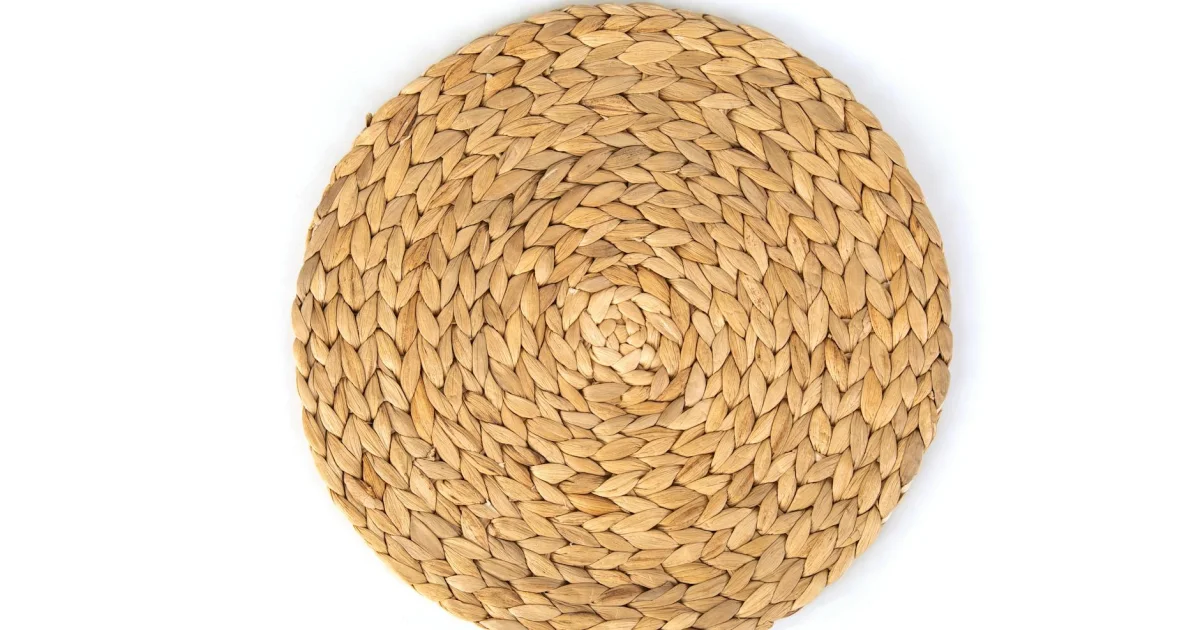
For years, traditional floral arrangements have dominated the centerpiece landscape. Vases, elaborate displays, and often, significant expense have been associated with creating a beautiful table setting. However, the woven placemat centerpiece offers a refreshing alternative: a quicker, more affordable, and inherently stylish option. The inherent texture and pattern of the placemat itself provides a captivating base, allowing the flowers to truly shine. It’s a move away from rigid formality and towards a more relaxed, yet polished, aesthetic. The trend towards natural materials in interior design has only further amplified the appeal of this simple yet sophisticated centerpiece idea. A beautifully chosen woven placemat can add a subtle bohemian flair, a rustic charm, or a touch of modern elegance, depending on its design and color.
Understanding the Key Elements
Before diving into the steps, let’s break down the components of this project. The success of your woven placemat centerpiece hinges on a few key elements: the placemat itself, the floral foam, and, of course, the flowers or greenery you choose. A flexible woven placemat is absolutely crucial. It needs to bend and conform to the shape of the floral foam, creating a stable base for your arrangement. Look for placemats with a good amount of give – you’ll want to be able to easily cradle the foam within the holes. The size of the placemat will dictate the scale of your centerpiece. A smaller placemat is perfect for intimate gatherings, while a larger one can serve as a statement piece for a more formal dinner. The pattern of the placemat also plays a significant role, adding visual interest and complementing the colors and textures of your flowers.
Finding the Perfect Placemat – Thrift Store Treasures and Beyond
The beauty of this project is its affordability. You don’t need to spend a fortune on a new placemat. In fact, you can often find fantastic options at thrift stores, consignment shops, and even dollar stores. A quick scan of Goodwill or Salvation Army can unearth a hidden gem – a beautifully patterned woven placemat for just a few dollars. Don’t overlook online marketplaces like Etsy or Facebook Marketplace, where you might find unique and handcrafted placemats at reasonable prices. Consider the overall style of your dining room and choose a placemat that complements your existing décor. A neutral-colored placemat will provide a versatile backdrop for a variety of flowers, while a bolder pattern can add a pop of color and personality. The choice is yours – and your budget!
Materials You’ll Need
- A woven placemat with flexibility and holes (approximately 18-24 inches in diameter is a good starting point)
- Floral foam – approximately 4-6 blocks, depending on the size of your placemat
- Floral foam sealant (optional, but recommended for longer-lasting arrangements)
- Flowers and greenery – fresh or artificial (consider seasonal blooms for a truly special centerpiece)
- Hot glue gun and glue sticks (or wire for securing stems)
The Importance of Floral Foam: A Closer Look
Floral foam, often referred to as “oasis,” is the unsung hero of this centerpiece project. It’s a lightweight, absorbent material specifically designed to hold water, providing a stable base for your flowers. It’s surprisingly inexpensive – a 4-pack of floral foam from Dollar Tree typically costs around $1.75. However, it’s crucial to understand how to properly use it. Floral foam comes in various densities, with denser foam holding water for longer periods. Consider using a floral foam sealant to further extend the lifespan of your arrangement. This sealant creates a waterproof barrier, preventing the foam from absorbing moisture from the surrounding environment. While you can certainly use fresh flowers, they’ll require more frequent watering to maintain their vibrancy. Artificial flowers offer a low-maintenance alternative, allowing you to enjoy your centerpiece for weeks to come.
Step-by-Step Instructions for Creating Your Woven Placemat Centerpiece
- Prepare the Foam: Cut the floral foam to fit snugly within the center of your woven placemat. You may need to experiment with different sizes to achieve the desired look.
- Secure the Foam: Fold the edges of the placemat up and around the foam, securing them with hot glue. This creates a stable, enclosed base for your arrangement. If you don’t have hot glue, you can use wire to gently hold the placemat in place.
- Add the Focal Flowers: Begin by inserting your largest flowers or greenery into the foam, positioning them strategically to create a balanced and visually appealing arrangement.
- Fill in with Smaller Blooms: Use smaller flowers and greenery to fill in the gaps and add depth to the centerpiece.
- Repeat and Refine: Continue adding flowers and greenery until you achieve your desired look. Step back and assess the arrangement from different angles to ensure it’s balanced and visually pleasing.
Adapting the Technique: Size and Style Variations
The beauty of this DIY centerpiece is its adaptability. You can easily adjust the technique to accommodate different sized placemats and desired styles. For a smaller centerpiece, use a smaller placemat and fewer flowers. For a larger centerpiece, use a larger placemat and a more elaborate arrangement. Experiment with different flower combinations to create a centerpiece that reflects your personal style. Don’t be afraid to add pops of color or incorporate unexpected elements, such as berries or branches. Consider using a monochromatic color scheme for a sophisticated look, or a vibrant mix of colors for a more playful centerpiece. The possibilities are endless!
What if the Woven Placemat is Too Small?
If you find that your woven placemat is too small for the table, don’t despair! You can easily adapt the project by using a larger placemat, or by creating a tiered centerpiece. Stack smaller floral foam blocks on top of each other to create a taller arrangement, and then add flowers and greenery to the tiers. You can also use a shallow dish or tray as a base for your centerpiece, allowing you to create a larger display. Another option is to use multiple smaller placemats, arranging them together to create a wider centerpiece.
You may also enjoy reading: 7 Freshly Graduated Theme Ideas That Celebrate the Next Chapter.
Determining the Right Amount of Floral Foam
The amount of floral foam you’ll need will depend on the size of your placemat and the desired fullness of your arrangement. As a general guideline, start with 4-6 blocks of floral foam and add more as needed. It’s always better to err on the side of having too much foam than too little. Remember, you can always trim the foam to fit, but you can’t add more foam once it’s been cut. Consider the overall shape of your placemat when determining the foam size. If your placemat is circular, you’ll need to cut the foam into a circle. If it’s rectangular, you’ll need to cut it into a rectangle.
Why Flexibility Matters: A Technical Detail
The flexibility of the woven placemat is absolutely paramount to the success of this project. Without it, the floral foam will be difficult to bend and conform to the shape of the placemat, resulting in a lopsided and unstable arrangement. Look for a placemat made from natural fibers, such as jute or cotton, which tend to be more flexible than synthetic materials. The weave itself also plays a role – a looser weave will be more pliable than a tighter weave. A slightly stretchy placemat will also be easier to work with, as it will conform more readily to the shape of the foam.
Seasonal Centerpiece Inspiration
The beauty of this DIY centerpiece is that it’s easily adaptable to different seasons and holidays. Here are a few ideas to get you started:
- Spring: Use pastel-colored tulips, daffodils, hyacinths, and branches of cherry blossoms.
- Summer: Incorporate bright blooms like sunflowers, zinnias, and hydrangeas, along with greenery like ferns and eucalyptus.
- Autumn: Add chrysanthemums, maple leaves, berries, and branches of bittersweet.
- Winter: Use evergreen branches, pinecones, berries, and festive ornaments.
Beyond Flowers: Exploring Alternative Materials
While flowers are the traditional choice for centerpieces, you can experiment with other materials to create a unique and eye-catching display. Consider using branches, berries, feathers, or even dried grasses. You can also incorporate natural elements like seashells, stones, or driftwood. Don’t be afraid to get creative and add your own personal touch. The key is to find materials that complement the color and style of your woven placemat.
Conclusion
Creating a stunning table centerpiece in minutes using a woven placemat is a remarkably simple and rewarding project. It’s a fantastic way to elevate your dining experience, add a touch of elegance to your home, and express your personal style. With a little creativity and a few readily available materials, you can transform your table into a focal point that will impress your guests and create lasting memories. So, go ahead and give it a try – you might be surprised at the beautiful centerpiece you can create!