Embrace the Continuous Harvest: A Guide to Succession Planting Vegetables
Have you ever experienced the frustrating cycle of a bountiful harvest of one vegetable followed by a barren patch of soil? Or perhaps a promising plant that dwindles and dies before the season concludes, leaving a vacant space in its wake? These are common challenges for gardeners, but thankfully, there’s a simple and effective solution: succession planting. This strategic gardening technique involves staggering your vegetable production to enjoy a continuous supply of fresh food throughout the growing season rather than being overwhelmed by a massive glut at once. There are several approaches to succession planting vegetables, and incorporating one or more into your garden can significantly boost your yields and extend your harvest window. Let’s explore the key methods and how you can implement them in your own garden.
1. Relay Planting: The Art of Staggered Sowing
Also known as staggered sowing, relay planting is a straightforward method for achieving a fresh harvest of the same crop every few weeks. The core idea is to plant smaller portions of a crop at regular intervals, rather than sowing a full row all at once. Once the initial planting matures and is harvested, you can immediately plant another set of seeds in its place. This continuous cycle ensures a steady supply of your favorite vegetables throughout the season. While relay planting is highly effective for many vegetables, it’s not suitable for all. For instance, planting a full row of tomatoes at once can lead to an abundance of fruit that you might struggle to manage or store. However, it works exceptionally well with crops like radishes, lettuce, spinach, kale, and bush beans.
To implement relay planting, aim to sow new seeds every two to three weeks. Organizing your garden in rows can make tracking your plantings easier. Continue this process throughout the entire growing season, and whenever a batch is ready for harvest, immediately replant the area. This approach is particularly beneficial for gardeners who enjoy having fresh greens readily available. For example, you could plant a row of lettuce, harvest it after a few weeks, and then immediately sow another row. This ensures a continuous supply of crisp lettuce leaves for salads and other dishes.
2. Intercropping: Maximizing Space and Resources
Intercropping involves strategically planting a second crop within the spaces of a first crop, often before the initial plant has even reached maturity. This method leverages the different growth habits and nutritional needs of various vegetables. A common and beneficial pairing is spinach and tomatoes. Spinach thrives in cooler temperatures and can be planted well before tomatoes are transplanted into the garden. Its shallow root system also helps to keep the soil cool and moist, creating an ideal environment for the developing tomato roots. Once the tomatoes are established and require more space, the spinach will have completed its growth cycle and can be removed.
Another example of successful intercropping involves planting fast-growing radishes between rows of slower-maturing carrots. The radishes will be harvested quickly, leaving space for the carrots to continue their growth. All three plants benefit from this arrangement – the radishes provide a quick harvest, the spinach offers soil benefits, and the carrots ultimately thrive with less competition for resources. Consider the sun exposure and water requirements of your chosen crops when planning intercropping. For instance, avoid planting tall crops that will shade out shorter ones.
3. Crop Rotation: A Long-Term Strategy for Soil Health and Yield
For gardeners with ample space, crop rotation is a powerful technique for maximizing yields and maintaining soil health. This method involves systematically rotating the types of vegetables planted in a specific area each season. The key principle behind crop rotation is that different vegetables have varying nutrient needs and impact the soil in different ways. By rotating crops, you prevent the depletion of specific nutrients and reduce the buildup of soilborne pests and diseases. A basic crop rotation plan typically involves alternating between heavy feeders (like tomatoes and corn), light feeders (like leafy greens and root vegetables), and legumes (like beans and peas), which naturally fix nitrogen in the soil.
In a temperate climate with distinct seasons, a simple crop rotation might look like this: Winter: Plant a short-season, cool-season crop like spinach or kale. Spring: Plant a longer-season, warm-season crop such as squash or cucumbers. Summer: Plant a heat-tolerant crop like okra or sweet potatoes. Fall: Plant another short-season, warm-season crop like lettuce or radishes. This approach ensures that the soil is continuously utilized and replenished. For gardeners in warmer climates with longer growing seasons, you can often incorporate even more crops within a single year. For example, you might plant a cool-season crop in early spring, followed by a warm-season crop in mid-summer, and then another cool-season crop in the fall.
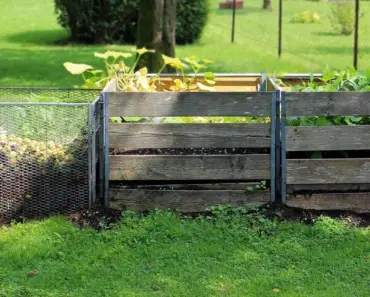
You may also enjoy reading: 7 Creative DIY Compost Bin Ideas for Every Space.
What if I’m unsure how much space to allocate for relay planting of different vegetables?
The amount of space needed for relay planting depends on the specific vegetables you choose. Generally, you’ll want to plant in smaller, more frequent sowings than you would for a single, large planting. For leafy greens like lettuce and spinach, you can sow seeds closer together, perhaps 6-8 inches apart, and thin them out as they grow. For root vegetables like radishes, a spacing of 2-3 inches is usually sufficient. When planting bush beans, a spacing of 4-6 inches between plants is recommended. It’s always a good idea to consult the seed packet for specific spacing recommendations, as these can vary between varieties.
How do I determine the optimal spacing between plantings for effective succession?
The optimal spacing between plantings for effective succession depends on several factors, including the growth habit of the vegetable, the available sunlight, and the soil fertility. As mentioned earlier, smaller, more frequent sowings are key to success. Consider the mature size of the plant and allow enough room for adequate air circulation and sunlight penetration. For example, if you’re relay planting tomatoes, you’ll need to space the new seedlings closer together than you would for a single planting, as they will have less time to grow to their full size. Regularly monitor your plants and adjust spacing as needed to prevent overcrowding.
Why is it important to choose the right varieties of vegetables for succession planting in my climate?
Choosing the right varieties is crucial for successful succession planting vegetables. Select varieties with shorter maturity times for rapid harvests and those that are well-suited to your local climate and growing season. Look for varieties labeled as “early maturing” or “fast-growing.” For instance, opting for early-maturing lettuce varieties will allow you to enjoy a quick harvest in spring, followed by a subsequent planting in summer. Similarly, choosing bush bean varieties instead of pole beans can be advantageous for relay planting, as bush beans mature more quickly. Researching varieties that perform well in your specific region and are known for their continuous production will significantly increase your chances of a successful and productive succession planting season.
By incorporating these methods of succession planting vegetables into your gardening routine, you can enjoy a continuous supply of fresh, homegrown produce throughout the year. It’s a rewarding technique that not only maximizes your garden’s productivity but also reduces the risk of large, overwhelming harvests. Whether you have a sprawling vegetable patch or a small balcony garden, succession planting is a simple yet powerful way to extend your growing season and enjoy the fruits (and vegetables!) of your labor for longer.
Resources
For more in-depth information and guidance on vegetable gardening, explore resources like the university extension services in your area and reputable gardening websites. These resources can provide tailored advice based on your local climate and growing conditions. You can also find helpful guides on seed starting, soil preparation, and pest control to further enhance your gardening success.